Managing Tech Addiction Yourself: A Guide to Taking Back Control
Are you constantly glued to your screens, sacrificing sleep, relationships, and productivity for the sake of social media, streaming, or gaming? Do you find yourself mindlessly scrolling through your feeds, feeling anxious or irritable when you can't check your phone, or zoning out in front of a screen for hours on end? If so, you may be addicted to technology, and it's not just you. Millions of people worldwide struggle with the negative effects of excessive tech use, from decreased mental clarity and emotional well-being to strained relationships and decreased physical activity.
The Benefits of Managing Tech Addiction Yourself
- Regain control over your time and attention
- Improve your mental health and well-being
- Enhance relationships with family and friends
- Boost productivity and focus
- Discover new hobbies and interests
Causes of Tech Addiction
So, what drives tech addiction? A combination of psychological, social, and environmental factors contribute to the development of excessive tech use. Some common causes include:
- Brain chemistry: Technology can activate the brain's reward system, releasing feel-good chemicals like dopamine, which can lead to addictive behavior.
- Social connections: Social media and online platforms provide a sense of belonging and connection, but can lead to social comparison and anxiety.
- Environmental factors: Constant exposure to technology in daily life, work, or school can make it difficult to disconnect.
Practical Strategies for Managing Tech Addiction
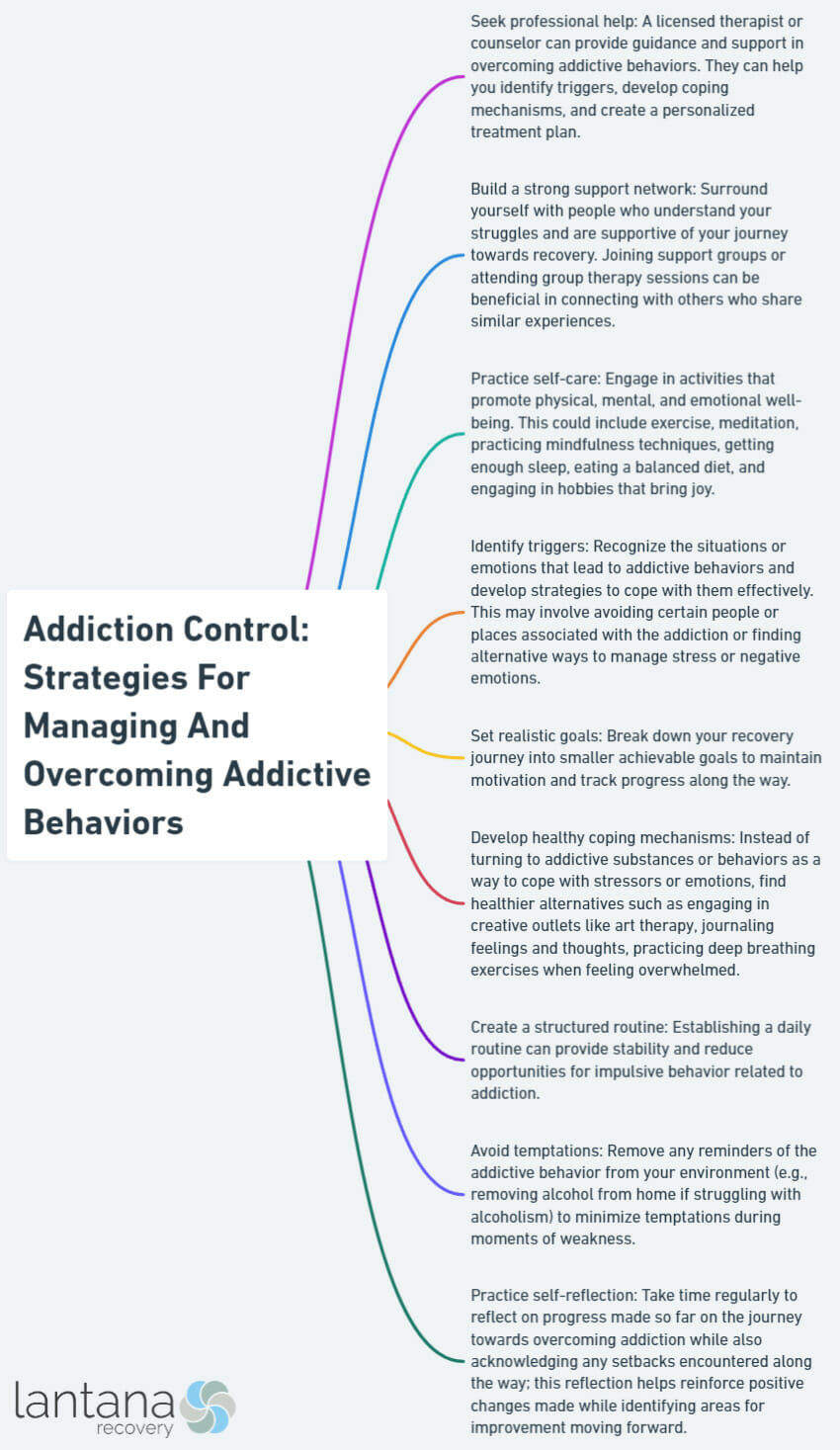
Set Boundaries and Prioritize Self-Care
Establishing limits on your tech use is essential for managing addiction. Set aside device-free zones and times, such as during meals, in bedrooms, or during family time. Schedule regular breaks from technology to rest and recharge. Prioritize self-care activities like exercise, meditation, or hobbies to fill the void left by excessive tech use.
Practice Mindfulness and Intentional Use

Develop awareness of your tech use patterns and be intentional about why you're using technology. Ask yourself: "Is this use driven by boredom, habit, or a genuine need?" Replace mindless scrolling with purposeful activities, like reading, journaling, or creative pursuits.
Find Alternative Activities and Hobbies
Discover new interests and hobbies that bring you joy and fulfillment. Engage in physical activities like sports, dancing, or walking. Explore creative outlets like painting, writing, or playing music. This will help distract you from technology and reduce feelings of boredom or restlessness.
Leverage Helpful Technology and Tools
Utilize apps, extensions, and software that help you track and manage your tech use. Set reminders, alarms, and notifications to remind you to take breaks, limit screen time, or block distracting websites. Explore tools like Freedom, SelfControl, or StayFocused to help you stay on track.
Seeking Support and Accountability
While managing tech addiction yourself is possible, don't be afraid to seek support from friends, family, or professionals. Share your struggles with a trusted friend or family member and ask them to hold you accountable. Consider joining a support group or seeking help from a therapist specializing in addiction or mental health. This will provide you with a safe space to discuss your struggles and develop a plan to overcome tech addiction.
Conclusion
Managing tech addiction requires commitment, self-awareness, and intentional action. By setting boundaries, practicing mindfulness, finding alternative activities, leveraging helpful technology, and seeking support, you can break free from the cycle of excessive tech use and regain control over your life. Remember, overcoming tech addiction is a journey, not a destination. By taking small steps every day, you can develop healthier habits and improve your overall well-being.