Managing Continuous Partial Attention in Meetings
In today's fast-paced, technology-driven world, continuous partial attention has become a major concern in meetings. With the rise of digital distractions, it's not uncommon for individuals to give partial attention to multiple tasks simultaneously. However, this phenomenon, coined "continuous partial attention" by Linda Stone in 1998, can have severe consequences on productivity, mental health, and learning.
The Effects of Continuous Partial Attention on Productivity
Researchers at MIT's Attention Lab (2024) found that continuous partial attention can raise error rates by 37 percent and reduce working-memory accuracy by 20 percent. This can lead to a decline in productivity, as individuals struggle to maintain focus on tasks. Furthermore, continuous partial attention can also result in burnout, as individuals feel overwhelmed by the constant need to switch between tasks.
- Error Rates**: 37 percent increase in error rates due to continuous partial attention
- Working-Memory Accuracy**: 20 percent decrease in working-memory accuracy due to continuous partial attention
- Burnout**: Increased risk of burnout due to constant multitasking
Why is Continuous Partial Attention a Problem in Meetings?
Meetings are a critical aspect of teamwork, communication, and decision-making in the workplace. However, with the prevalence of continuous partial attention, individuals may struggle to give their full attention to meetings. This can lead to misunderstandings, miscommunications, and decreased productivity. Moreover, the constant need to switch between tasks can lead to cognitive fatigue, making it challenging to engage in productive discussions.
- Lack of Focus**: Individuals struggle to give their full attention to meetings
- Miscommunications**: decreased productivity due to misunderstandings and miscommunications
- Cognitive Fatigue**: Increased risk of cognitive fatigue due to constant multitasking

Strategies for Managing Continuous Partial Attention in Meetings
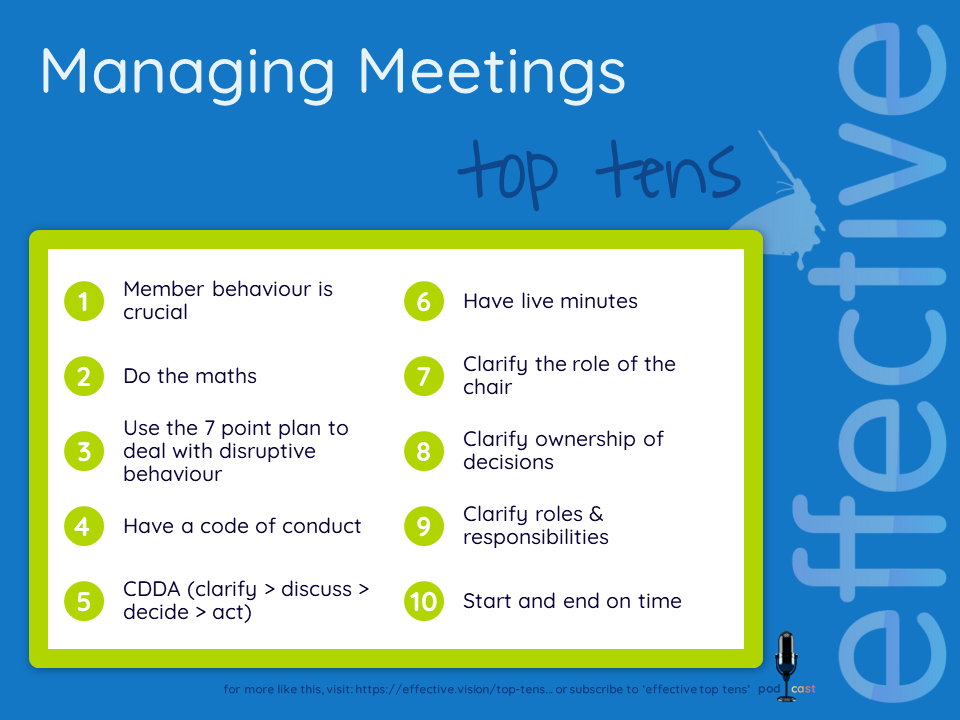
To combat the effects of continuous partial attention in meetings, individuals can employ several strategies:
- Set Clear Goals**: Establish clear goals and objectives for meetings to maintain focus
- Minimize Distractions**: Eliminate digital distractions, such as turning off notifications and using website blockers
- Take Breaks**: Take regular breaks to recharge and reduce cognitive fatigue
- Use Technology**: Utilize tools, such as meeting scheduling software and productivity apps, to streamline meetings and reduce distractions
Conclusion
Managing continuous partial attention in meetings is crucial for maintaining productivity, mental health, and learning. By understanding the effects of continuous partial attention and employing strategies to combat it, individuals can improve their focus and engagement in meetings. Moreover, by creating a culture of intention and deep work, organizations can foster a resilient team culture that thrives in an age of digital distraction.
By prioritizing focus and minimizing distractions, individuals can reclaim their productivity and maintain their mental well-being in an ever-complicated culture. As Linda Stone so eloquently put it, "Continuous partial attention is a state where people are giving partial attention to what they are doing - continuously." By recognizing this phenomenon and taking steps to mitigate its effects, we can build a more focused and productive work environment.