Learning Python with Flask Framework: A Comprehensive Guide
Python is one of the most popular programming languages used for web development, and Flask is a lightweight web framework that makes it easy to build web applications and APIs. In this article, we will explore the world of learning Python with Flask Framework and provide a comprehensive guide for beginners and experienced developers alike.
What is Flask?
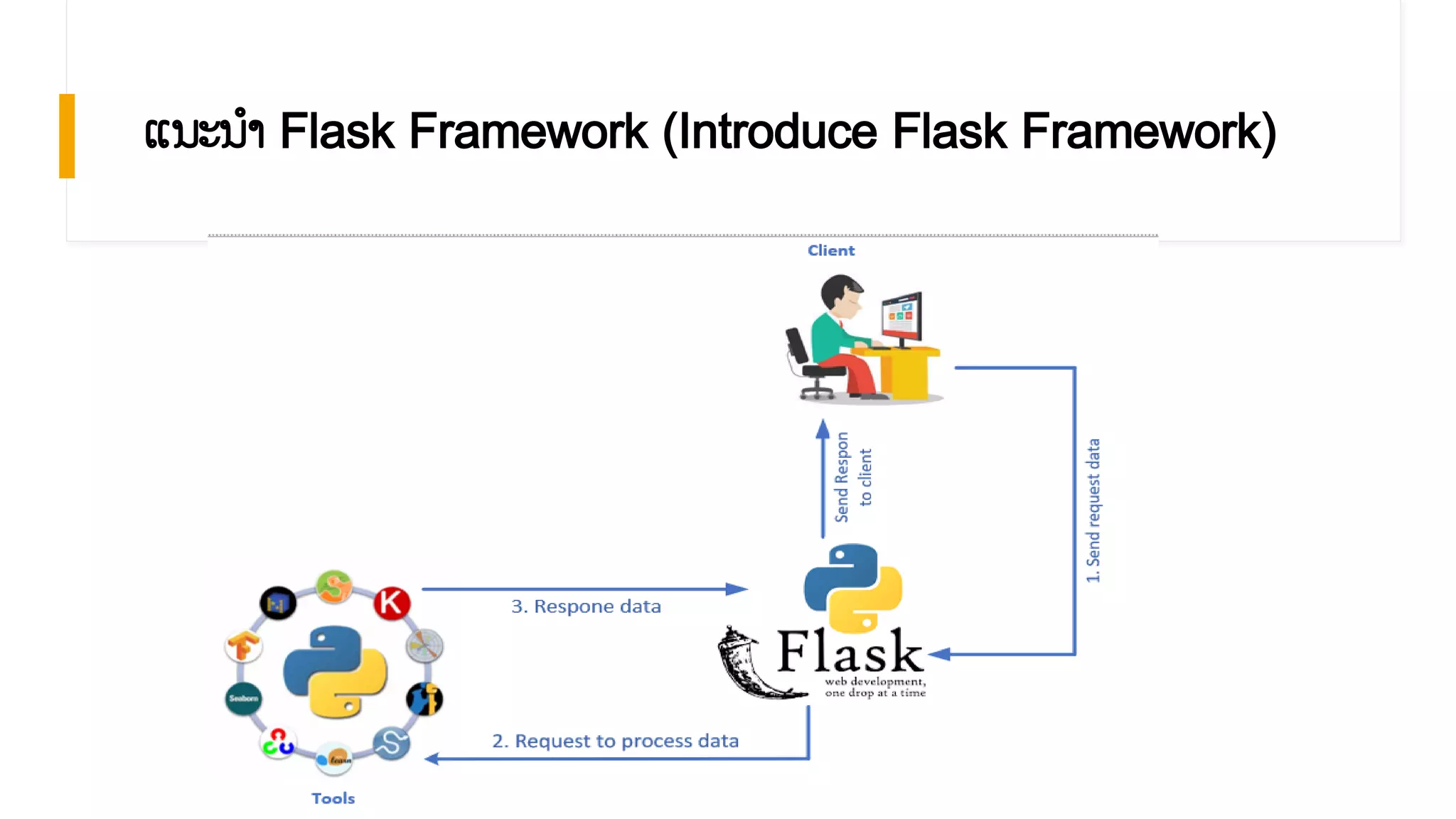
Flask is a micro web framework written in Python. It is designed to be lightweight and flexible, making it ideal for building small to medium-sized web applications. Flask follows a minimal design and provides core features like routing, request handling, and template rendering while allowing developers to add extensions as needed.
Why Choose Flask for Web Development?
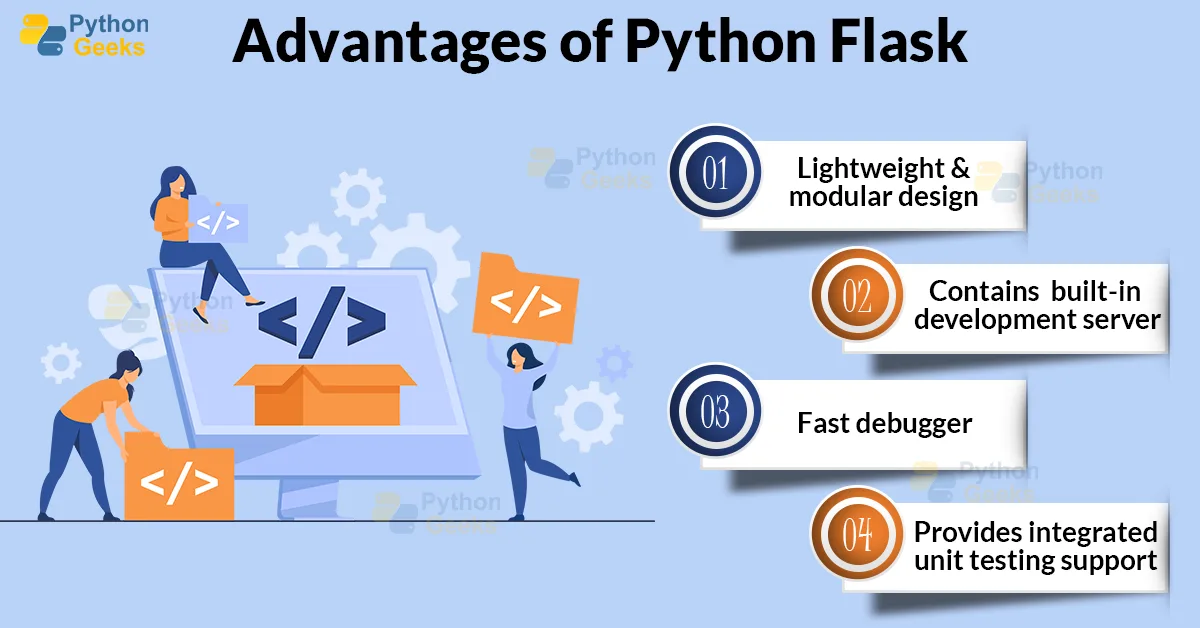
- Lightweight and Flexible: Flask is a micro framework that makes it easy to build web applications quickly and efficiently.
- Easy to Learn: Flask has a simple and intuitive API, making it easy for beginners to learn and get started with web development.
- Highly Customizable: Flask allows developers to add extensions and plugins to customize their applications to meet their specific needs.
- Cross-Platform: Flask can run on multiple platforms, including Windows, Linux, and macOS.
Getting Started with Flask
To get started with Flask, you will need to have Python installed on your system. You can download the latest version of Python from the official Python website. Once you have Python installed, you can install Flask using pip, the Python package manager. You can install Flask using the following command:
pip install flask
Basic Flask Project Structure
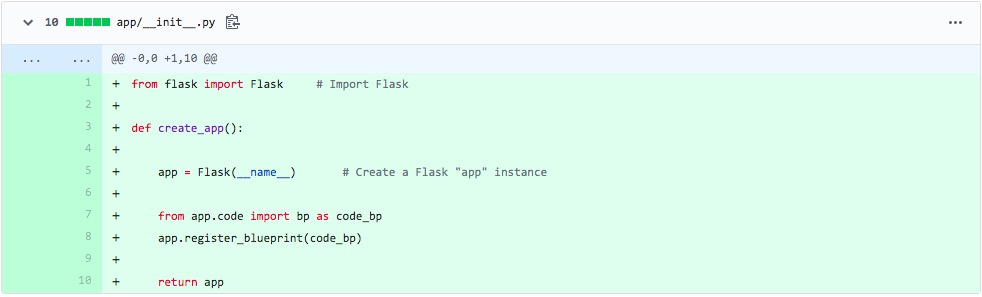
When creating a new Flask project, it is essential to have a basic project structure in place. This will help you organize your code and make it easier to maintain and scale your application. Here is a basic project structure for a Flask application:
project/
app/
__init__.py
routes.py
models.py
templates/
index.html
static/
style.css
requirements.txt
run.py
Key Features of Flask
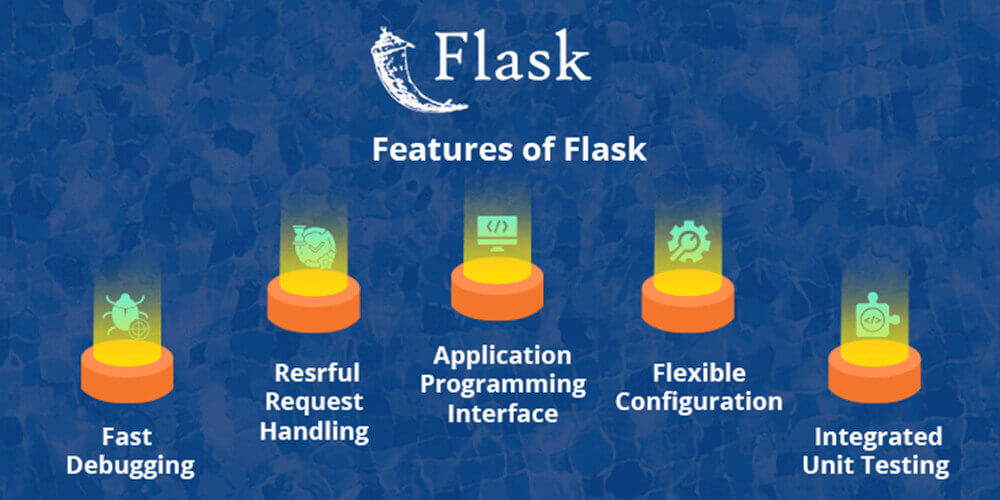
- Routing: Flask provides a simple way to define routes for your application using the @app.route() decorator.
- Request Handling: Flask provides a way to handle incoming requests using the request object.
- Template Rendering: Flask provides a way to render templates using the Jinja2 template engine.
- Database Integration: Flask provides a way to integrate with databases using the SQLAlchemy library.
Best Practices for Learning Python with Flask Framework
To get the most out of learning Python with Flask Framework, it is essential to follow best practices. Here are some tips to help you get started:
- Start with the Basics: Before diving into Flask, make sure you have a solid understanding of Python fundamentals.
- Follow Official Documentation: The official Flask documentation is an excellent resource for learning Flask.
- Practice, Practice, Practice: The best way to learn Flask is by building projects and practicing.
- Join Online Communities: Join online communities, such as Reddit's r/learnpython and r/flask, to connect with other developers and get help when you need it.
Conclusion
Learning Python with Flask Framework is a rewarding experience that can help you build web applications and APIs quickly and efficiently. By following the best practices outlined in this article, you can get started with Flask and build your first web application in no time. Remember to always follow the official documentation, practice regularly, and join online communities to get the most out of your learning experience.


.png "Explore - Flask Tutorial")





![Top Python Courses Online - Updated [March 2026] - Udemy](https://cigmapedia.com/wp-content/uploads/2024/01/Learn-Python-And-Flask-Demonstrations-Practice-Course.webp "Top Python Courses Online - Updated [March 2026] - Udemy")