FOMO and its effects on stress levels: The elusive pursuit of connectivity
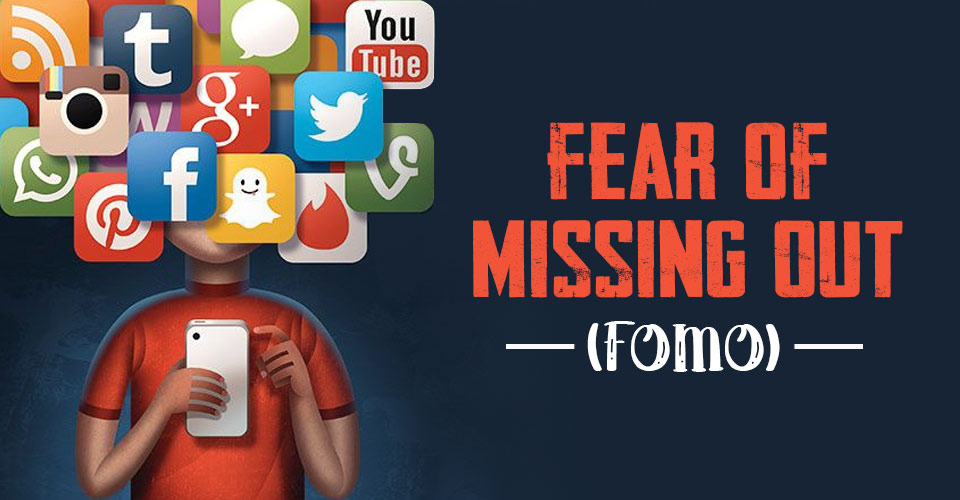
The concept of "Fear of Missing Out" or FOMO has become a ubiquitous phenomenon in today's world, particularly among the younger generation. It refers to the anxiety or apprehension that one may miss an experience, event, or opportunity that is happening around them, especially on social media.
The impact of FOMO on mental health
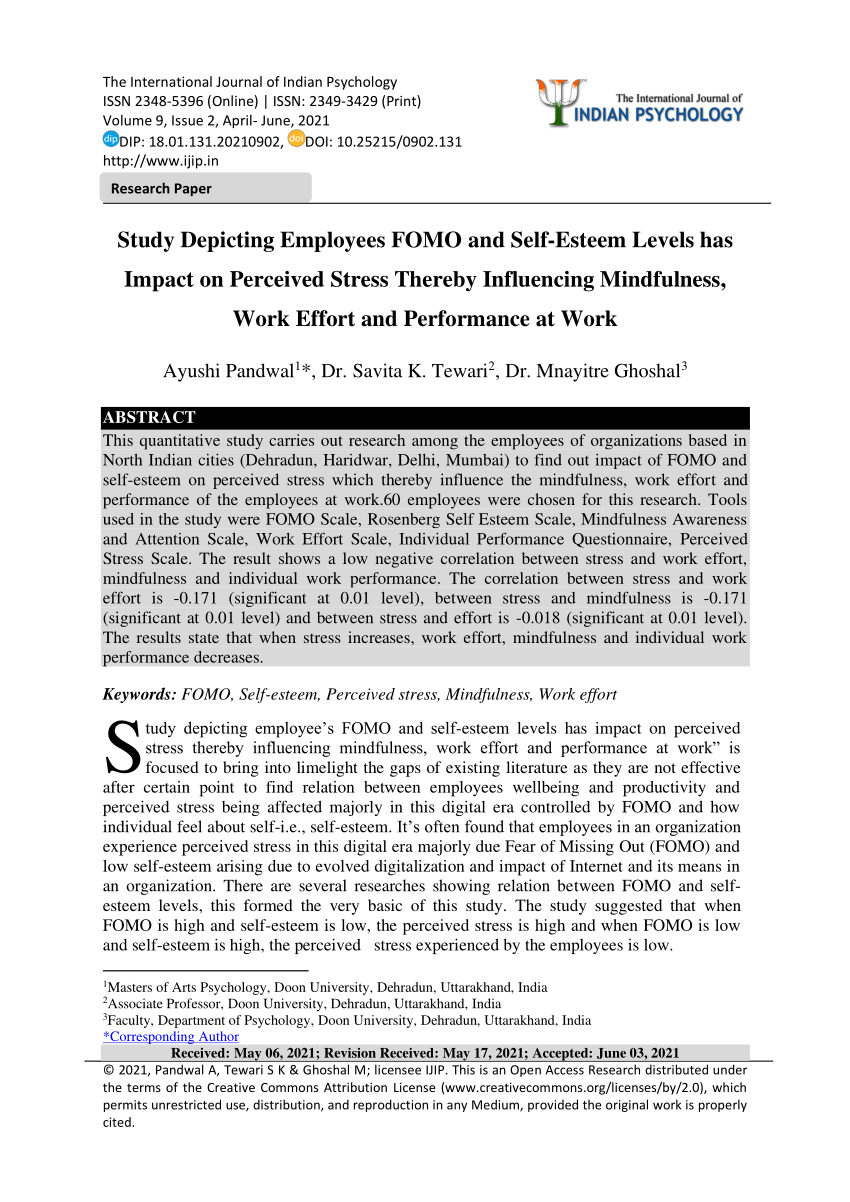
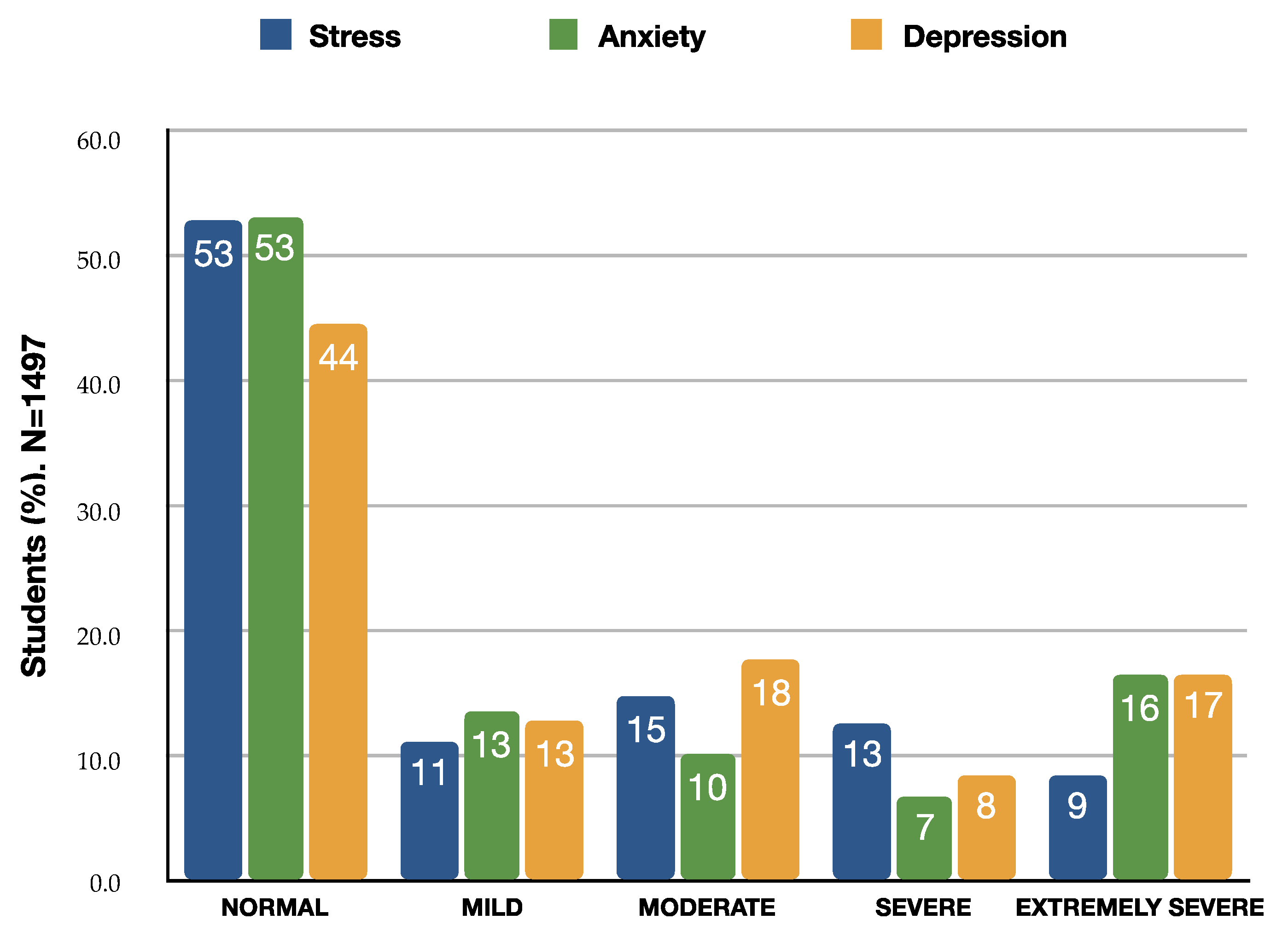
Research has shown that FOMO is strongly linked to anxiety, depression, and stress levels. When individuals feel they are missing out on events or experiences, they experience a surge of stress hormones, such as cortisol, which can lead to emotional distress. A study published in the Journal of Behavioral Addictions found that individuals with high levels of FOMO exhibited greater emotional distress and anxiety.
The correlation between FOMO and emotional disturbance
According to a 2020 study published in the Journal of Social and Clinical Psychology, there is a positive correlation between FOMO and emotional disturbances. The study found that individuals with high levels of FOMO were more likely to experience anxiety, depression, and stress. This is because FOMO creates an obsessive feeling of needing to be constantly connected and up-to-date on social media.
How FOMO exacerbates stress levels
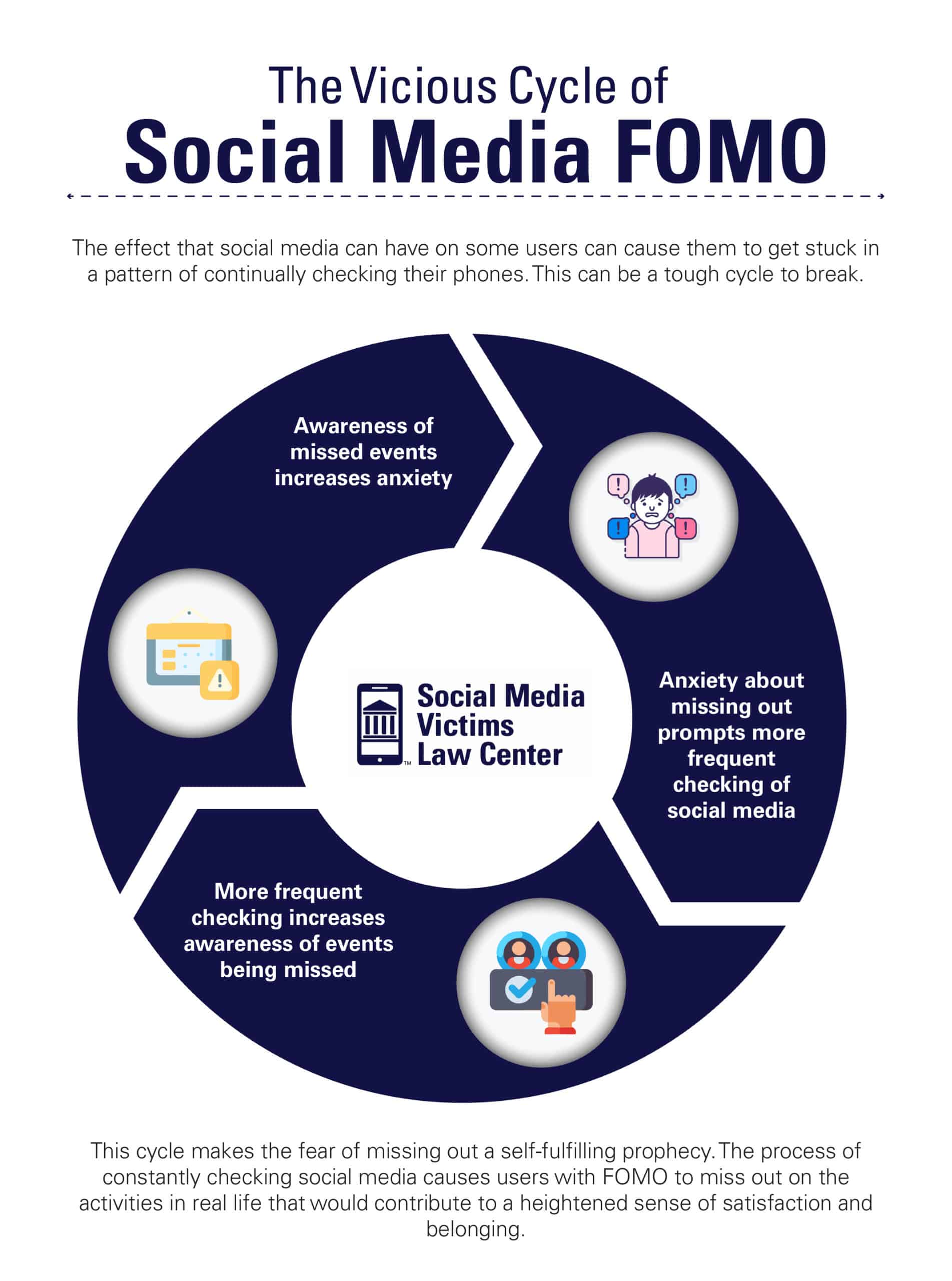
Constantly feeling like you're missing out on experiences can lead to a perpetual state of unease, which can escalate stress levels. This can be detrimental to one's mental and physical health, leading to symptoms such as headaches, digestive problems, and insomnia. Furthermore, FOMO can also lead to a vicious cycle of anxiety and stress, making it challenging to break the habit of excessive social media usage.
Reducing FOMO: Tips and strategies
If you're experiencing FOMO, there are several strategies that can help reduce it:
- Set boundaries:** Establish limits on your social media usage and stick to them. Designate specific times for checking social media and avoid mindless scrolling.
- Practice mindfulness:** Use mindfulness techniques, such as meditation and deep breathing, to calm your nerves and reduce anxiety.
- Connect with others:** Engage in face-to-face interactions with friends and family to build meaningful relationships and reduce the need for social media validation.
- Focus on the present:** Prioritize the present moment and engage in activities that bring you joy and fulfill your interests.
- Seek help:** If FOMO is significantly impacting your daily life, consider seeking help from a mental health professional.
Breaking the cycle of FOMO
Breaking the cycle of FOMO requires a conscious effort to change your behavior and develop healthier habits. By setting boundaries, practicing mindfulness, and connecting with others, you can reduce the negative effects of FOMO on your mental health and well-being. Remember, it's essential to recognize the impact of FOMO on your stress levels and take steps to mitigate its effects.
Conclusion
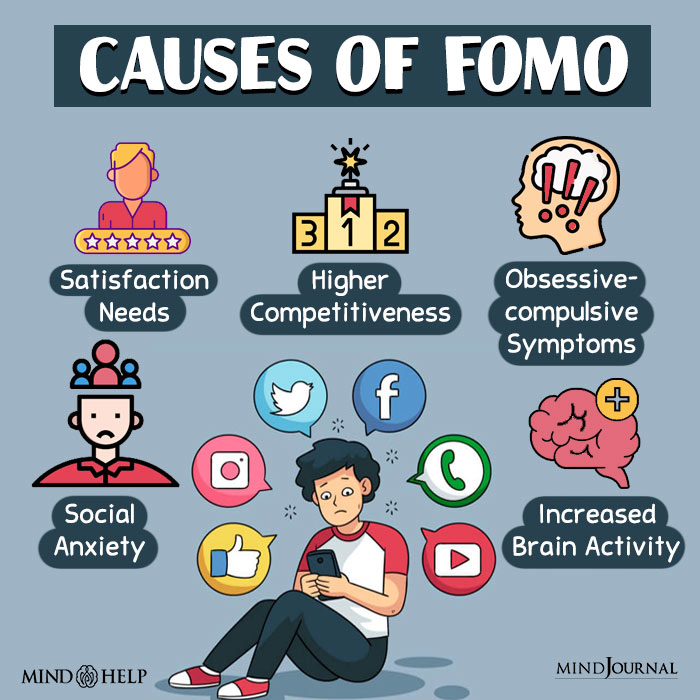
The effects of FOMO on stress levels are complex and multifaceted. By understanding the causes and effects of FOMO, we can take steps to reduce its impact on our mental health and well-being. Remember, it's essential to prioritize the present moment, build meaningful relationships, and engage in activities that bring you joy and fulfillment. By doing so, you can break the cycle of FOMO and cultivate a healthier mindset.
.png "The Fear of Missing Out (FoMO): How Social Media Hijacks Our Minds")