Understanding FOMO: The Fear of Missing Out
Are you plagued by the feeling that you're constantly missing out on events, updates, or experiences that others are having? You're not alone. In today's digital age, the phenomenon of FOMO, or the fear of missing out, has become all too familiar. FOMO can cause significant stress, anxiety, and a sense of inadequacy. But what is FOMO, and how can you overcome it?What is FOMO?
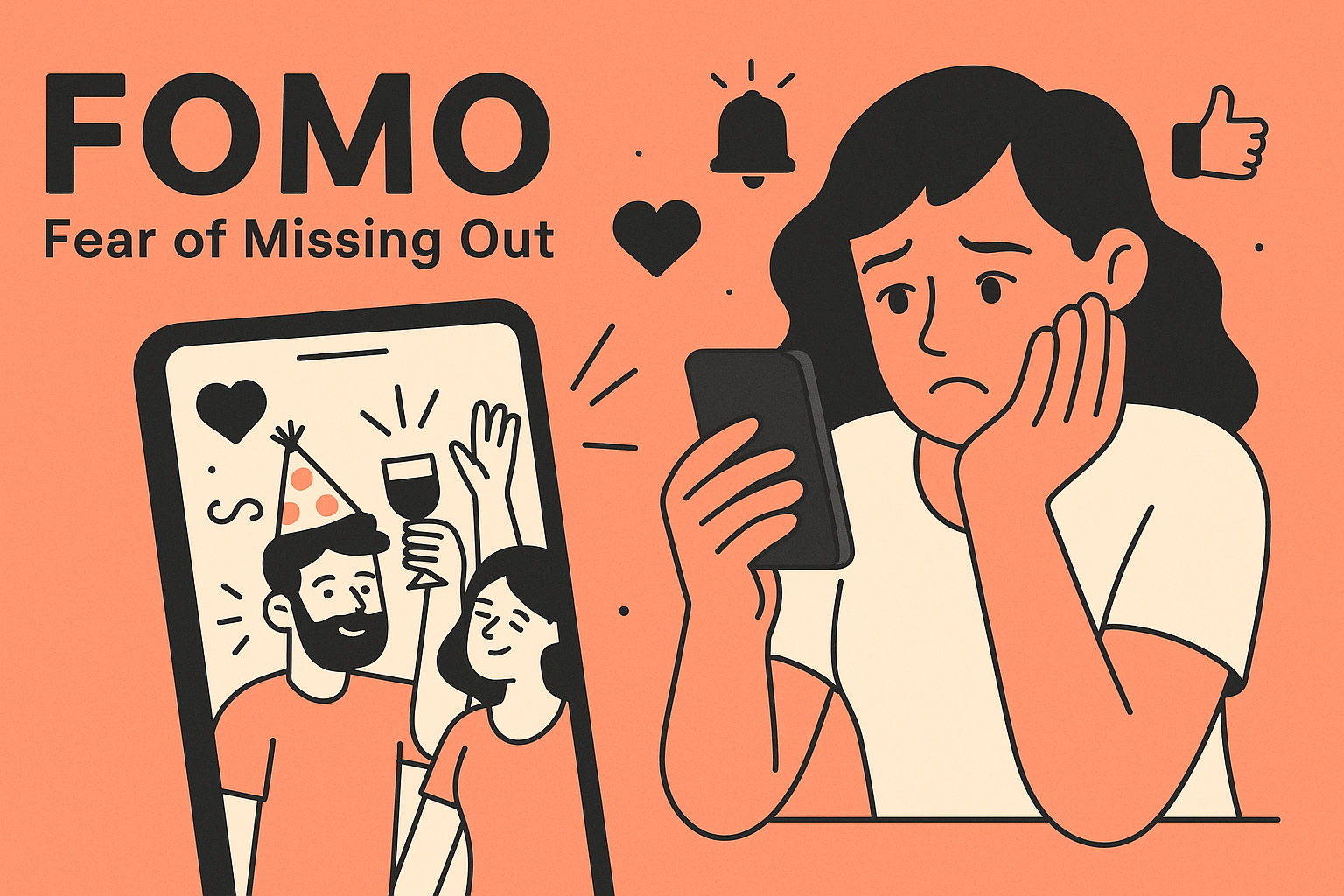
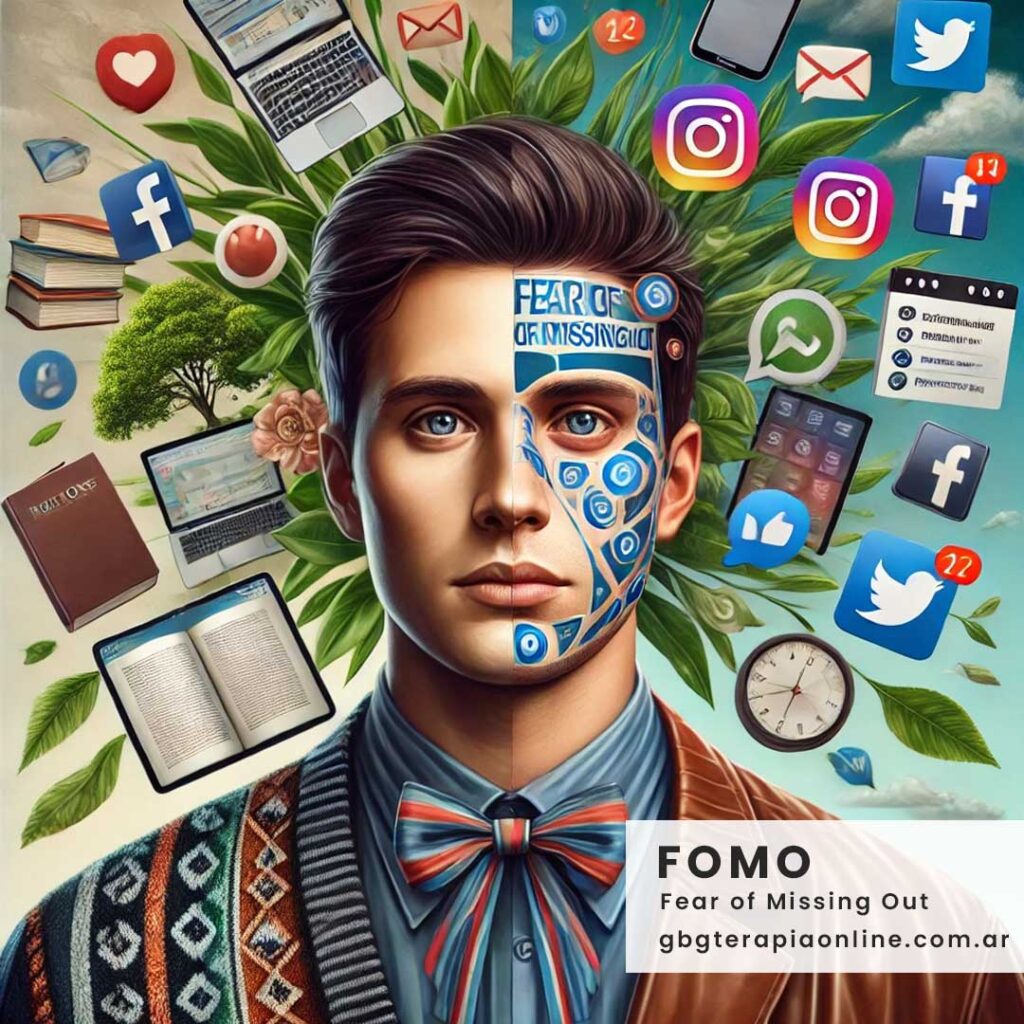
FOMO is a feeling of apprehension that one is missing out on something important, whether it's a social event, a fun experience, or a new opportunity. This phenomenon is often linked to social media, as people compare their lives to others and feel left behind. The constant stream of updates, photos, and stories on social media can create a false sense of urgency, making us feel like we're missing out.The History of FOMO
The concept of FOMO was first introduced in 2004 by Patrick McGinnis, an American author and journalist. He described FOMO as "the pain of missing out on fun experiences when others are having them, and the fear of regret about missing out on future experiences." Since then, the term has become a widely recognized phenomenon, affecting people from all walks of life.Symptoms of FOMO
Identifying the symptoms of FOMO is essential to understanding the extent of its impact on your life. Some common symptoms include:- Constantly checking social media to stay updated on others' lives
- Feeling anxious or depressed when you see others having fun or experiencing something new
- Feeling left behind or inadequate compared to others
- Causes sleepless nights due to the fear of missing out
- Difficulty focusing on your own goals and priorities
The Effects of FOMO

- Mental health issues, such as anxiety and depression
- Decreased productivity and focus
- Strained relationships due to comparison and jealousy
- Poor sleep quality and decreased self-esteem
Managing FOMO
The good news is that FOMO is manageable, and there are several strategies to help you overcome it. Some effective ways to deal with FOMO include:- Practice self-awareness: Recognize your FOMO triggers and take steps to manage them
- Limit social media use: Set boundaries and take regular breaks from social media
- Focus on your goals and priorities: Refocus on your own goals and aspirations
- Engage in real-life connections: Nurture your relationships with family and friends
- Practice mindfulness and self-care: Take care of your physical and mental well-being