Understanding the Effects of Continuous Partial Attention
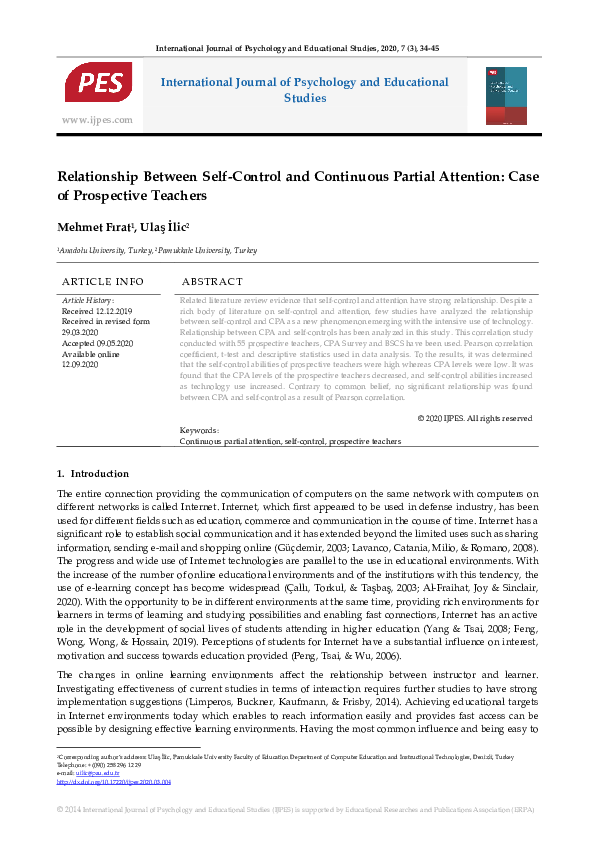
Continuous partial attention (CPA) is a common phenomenon in today's digital age, where individuals constantly divide their attention among multiple tasks, stimuli, and sources of information. The effects of CPA can be far-reaching, impacting not only our productivity and cognitive performance but also our overall well-being.
The Concept of Continuous Partial Attention
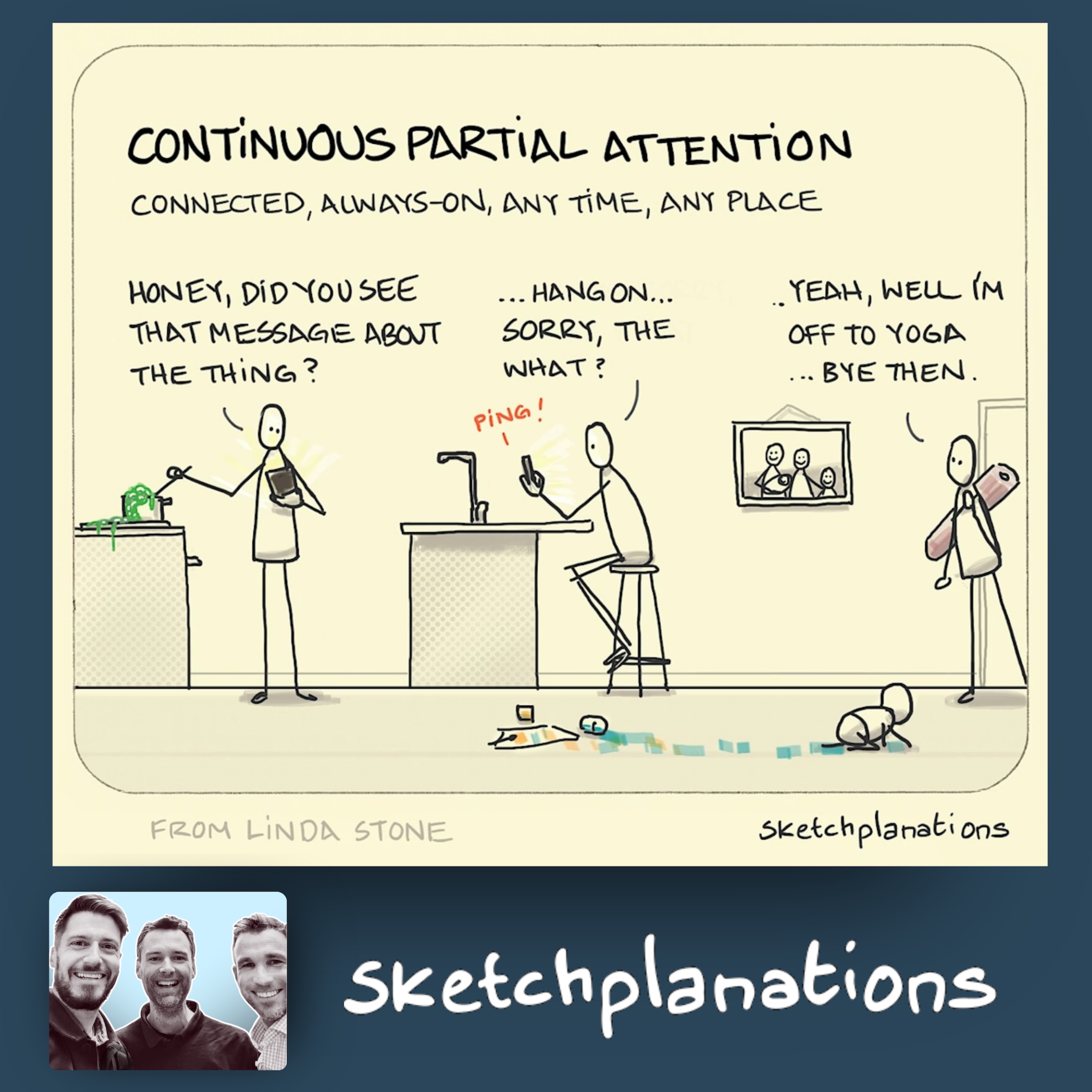
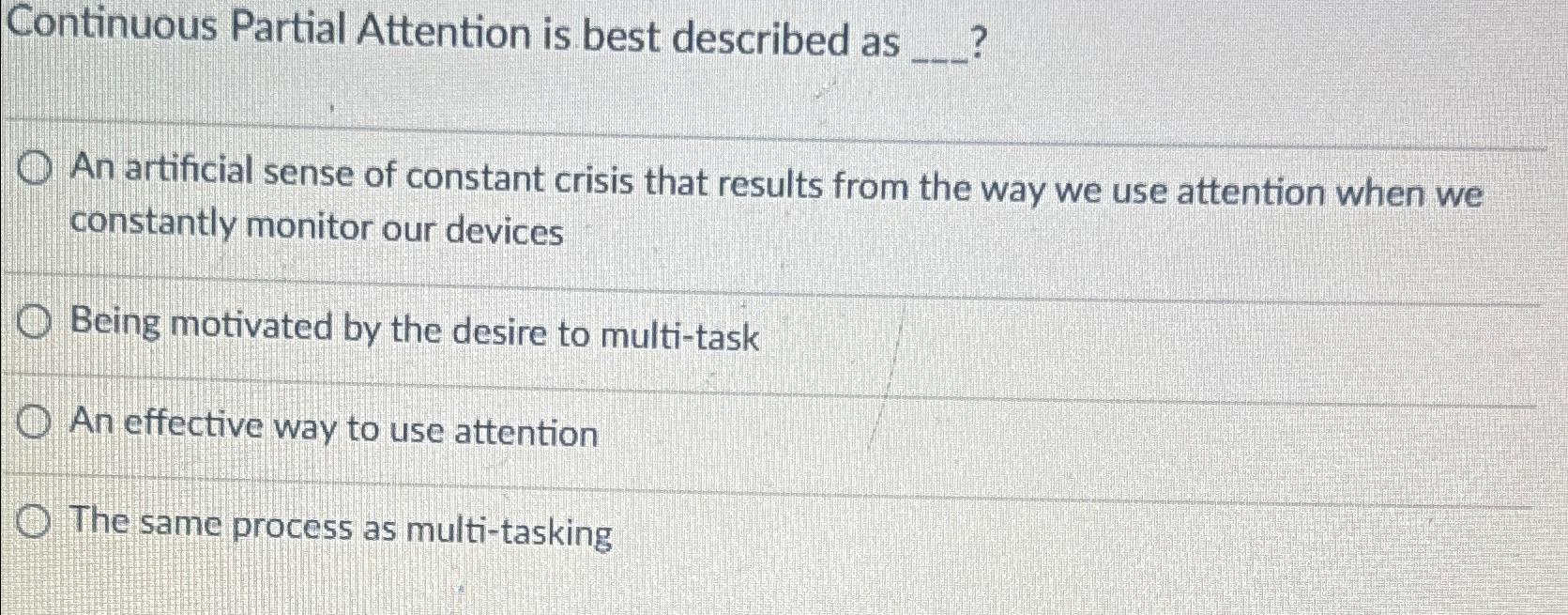
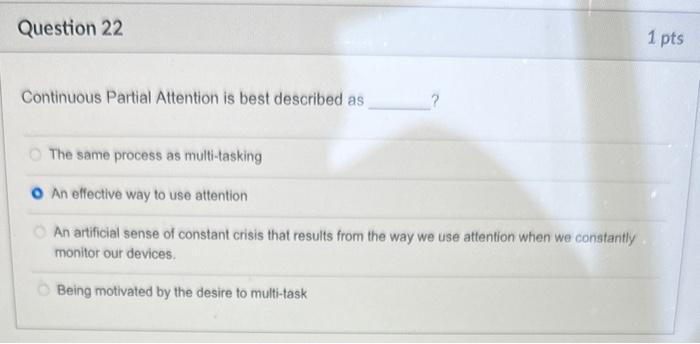
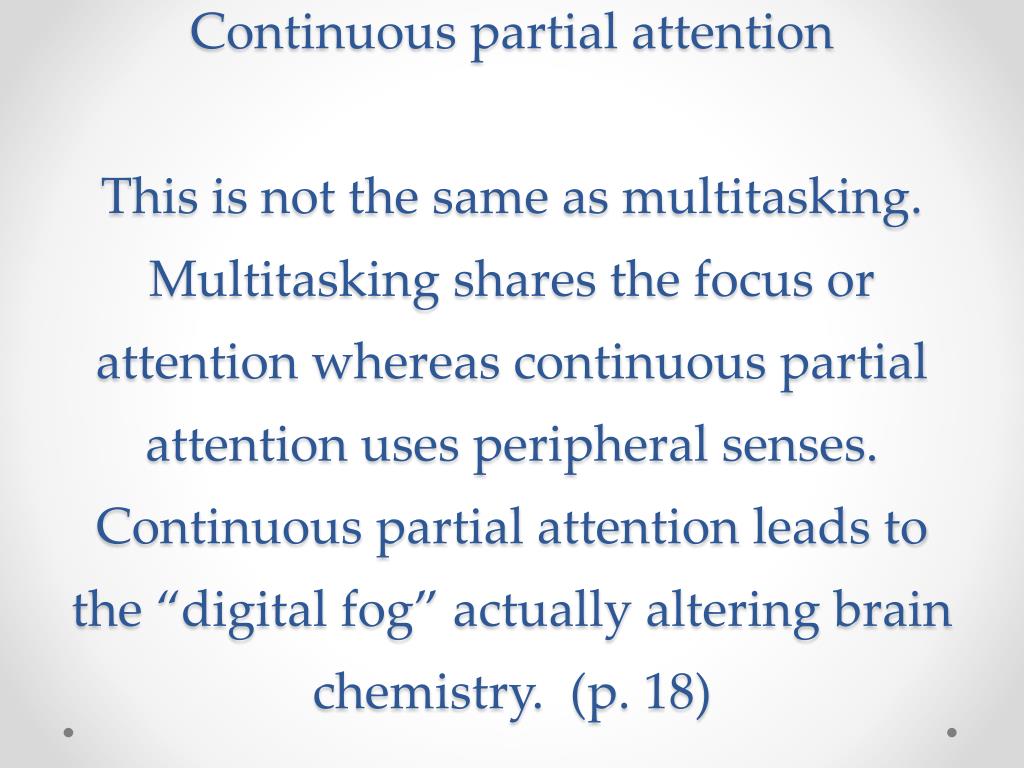
Coined by former Microsoft executive Linda Stone in 1998, continuous partial attention refers to the automatic process of simultaneously paying attention to several sources of information while scanning for relevant data. Unlike multitasking, which is driven by a conscious desire to be productive, CPA is an unconscious process motivated by the desire to constantly stay connected and alert to opportunities.
The Negative Effects of Continuous Partial Attention
Engaging in continuous partial attention can have several negative effects on our cognitive performance and overall wellbeing. Some of these include:
-
- Understanding the Effects of Continuous Partial Attention
Continuous partial attention (CPA) is a pervasive phenomenon in today's digital age, where individuals constantly divide their attention among multiple tasks, stimuli, and sources of information. This behavior can have a significant impact on our productivity, cognitive performance, and overall well-being, making it essential to understand the effects of continuous partial attention.
The Concept of Continuous Partial Attention
First coined by former Microsoft executive Linda Stone in 1998, continuous partial attention refers to the automatic process of simultaneously paying attention to several sources of information while scanning for relevant data. Unlike multitasking, which is driven by a conscious desire to be productive, CPA is an unconscious process motivated by the desire to constantly stay connected and alert to opportunities.
The Negative Effects of Continuous Partial Attention
The effects of continuous partial attention can be far-reaching and have a significant impact on our daily lives. Some of the negative effects of CPA include:
- Reduced productivity: CPA leads to taking more time to complete tasks, even small ones, as the mind is constantly divided between multiple tasks and stimuli.
- Missed opportunities: CPA creates a state of shallow thinking, making it challenging to focus on a single task for an extended period, leading to missed opportunities and reduced cognitive engagement.
- Increased stress: CPA triggers a cascade of stress hormones, including cortisol, which can have negative effects on our mood, mental health, and physical well-being.
- Reduced focus: CPA creates a state of continuous partial attention, making it challenging to focus on a single task for an extended period, leading to reduced productivity and cognitive performance.
- Mental fatigue: CPA can lead to mental fatigue, as the mind is constantly divided between multiple tasks and stimuli, resulting in decreased motivation and energy levels.
The Impact on Daily Life
The effects of continuous partial attention can be detrimental to our daily experiences and overall well-being. When we engage in CPA, we may experience a range of negative effects, including increased stress, reduced productivity, and decreased cognitive performance. Furthermore, CPA can lead to a cascade of stress hormones, including cortisol, which can have negative effects on our mood, mental health, and physical well-being.
Breaking the Cycle of Continuous Partial Attention
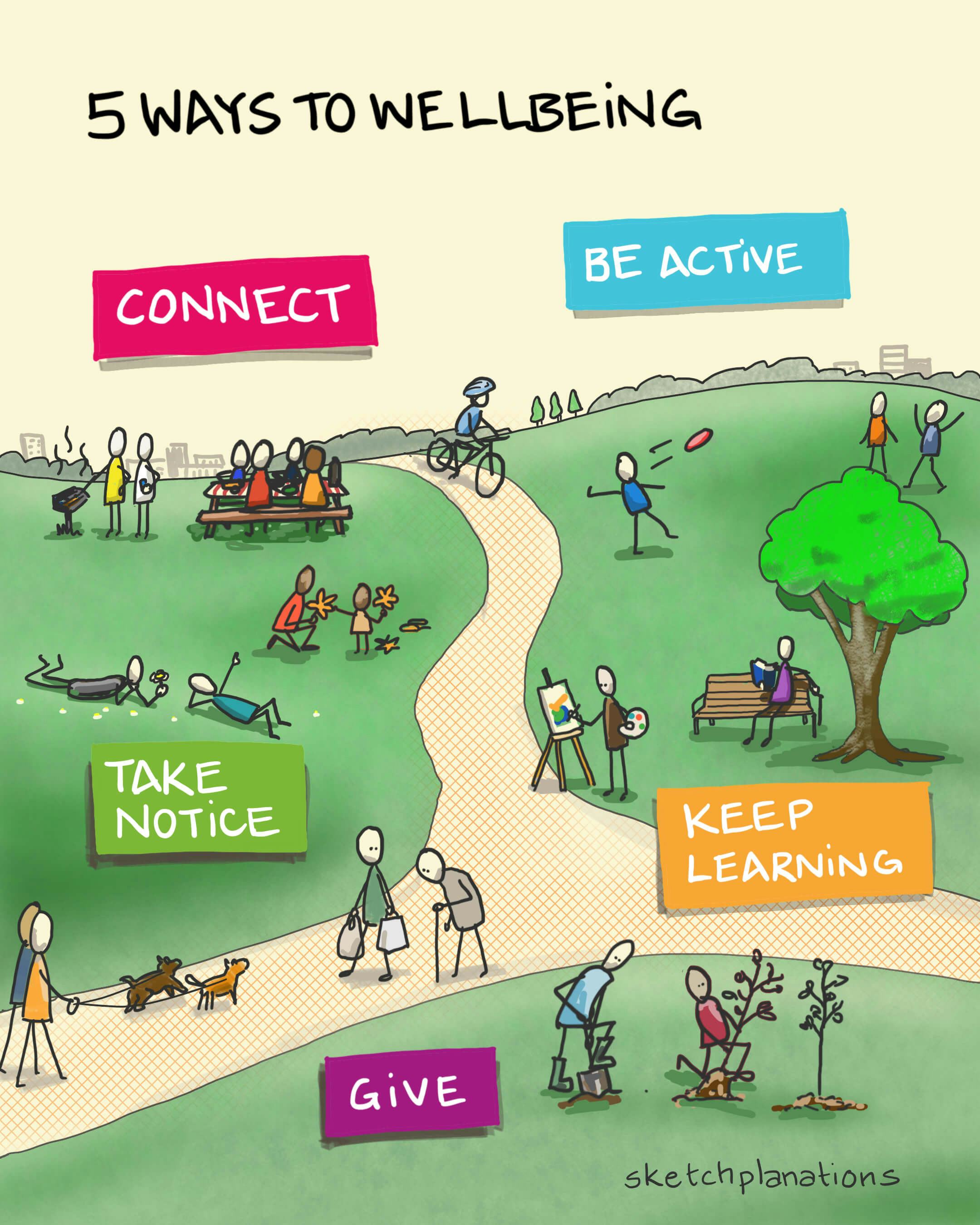
While the effects of continuous partial attention can be significant, there are steps we can take to break the cycle and improve our productivity, cognitive performance, and overall well-being. Some strategies for breaking the cycle of CPA include:
- Practicing mindfulness: Mindfulness practices, such as meditation and deep breathing, can help us focus and reduce the effects of CPA.
- Setting boundaries: Setting boundaries and prioritizing tasks can help us focus and reduce the effects of CPA.
- Using technology wisely: Using technology in a way that promotes focus and reduces distractions can help us break the cycle of CPA.
- Engaging in physical activity: Regular physical activity can help reduce stress and improve cognitive performance, making it easier to break the cycle of CPA.
Conclusion
Continuous partial attention is a pervasive phenomenon in today's digital age, with far-reaching effects on our productivity, cognitive performance, and overall well-being. By understanding the effects of continuous partial attention and taking steps to break the cycle, we can improve our productivity, cognitive performance, and overall well-being, leading to a more balanced and fulfilling life.
- Understanding the Effects of Continuous Partial Attention