Understanding Virtual Reality Sickness
Virtual reality (VR) has become increasingly popular in various fields, including therapy, rehabilitation, and training. However, despite the advancements in VR technologies, many users still experience symptoms of sickness. This condition is often referred to as virtual reality sickness or VR sickness. In this article, we will delve into the causes, symptoms, and consequences of virtual reality sickness, as well as explore methods to prevent or minimize its occurrence.
What is Virtual Reality Sickness?
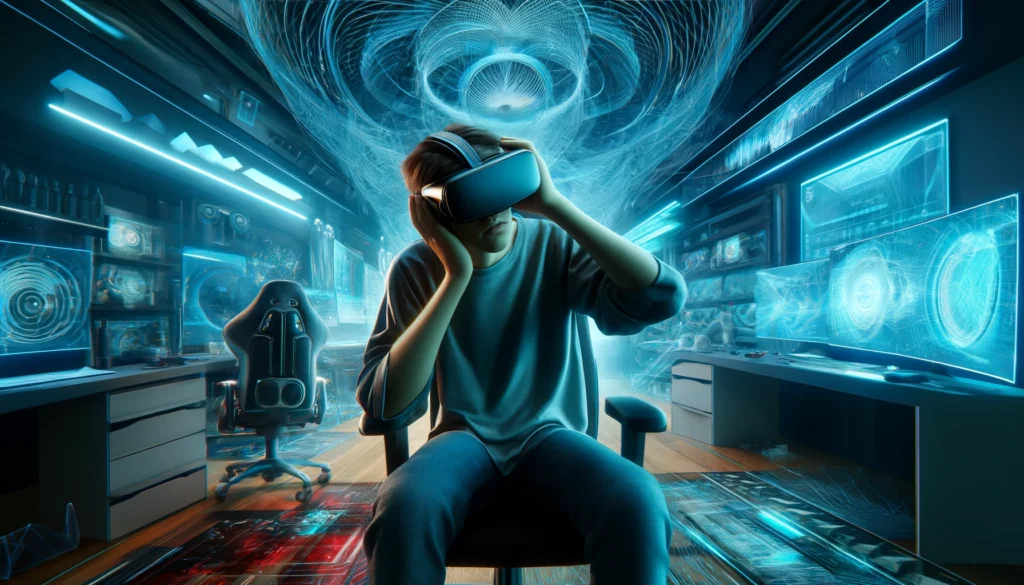
Virtual reality sickness, also known as cyber sickness or VR motionsickness, is a condition characterized by physical discomfort when an individual's brain receives conflicting signals about self-movement in a digital environment. This can lead to symptoms such as nausea, dizziness, headache, sweating, and disorientation.
Causes of Virtual Reality Sickness
The causes of virtual reality sickness can be attributed to several factors, including:
Sensory conflict theory: This theory suggests that the brain receives conflicting signals from the senses, leading to a sense of disorientation and discomfort.
Postural instability: When an individual's body is not stable, it can cause a sense of discomfort and dizziness.
Technical aspects of VR: Issues such as latency, resolution, and field of view can contribute to the occurrence of virtual reality sickness.
Symptoms of Virtual Reality Sickness
The symptoms of virtual reality sickness can include:
Nausea
Dizziness
Headache
Sweating
Disorientation
Eye fatigue
Discomfort
Consequences of Virtual Reality Sickness
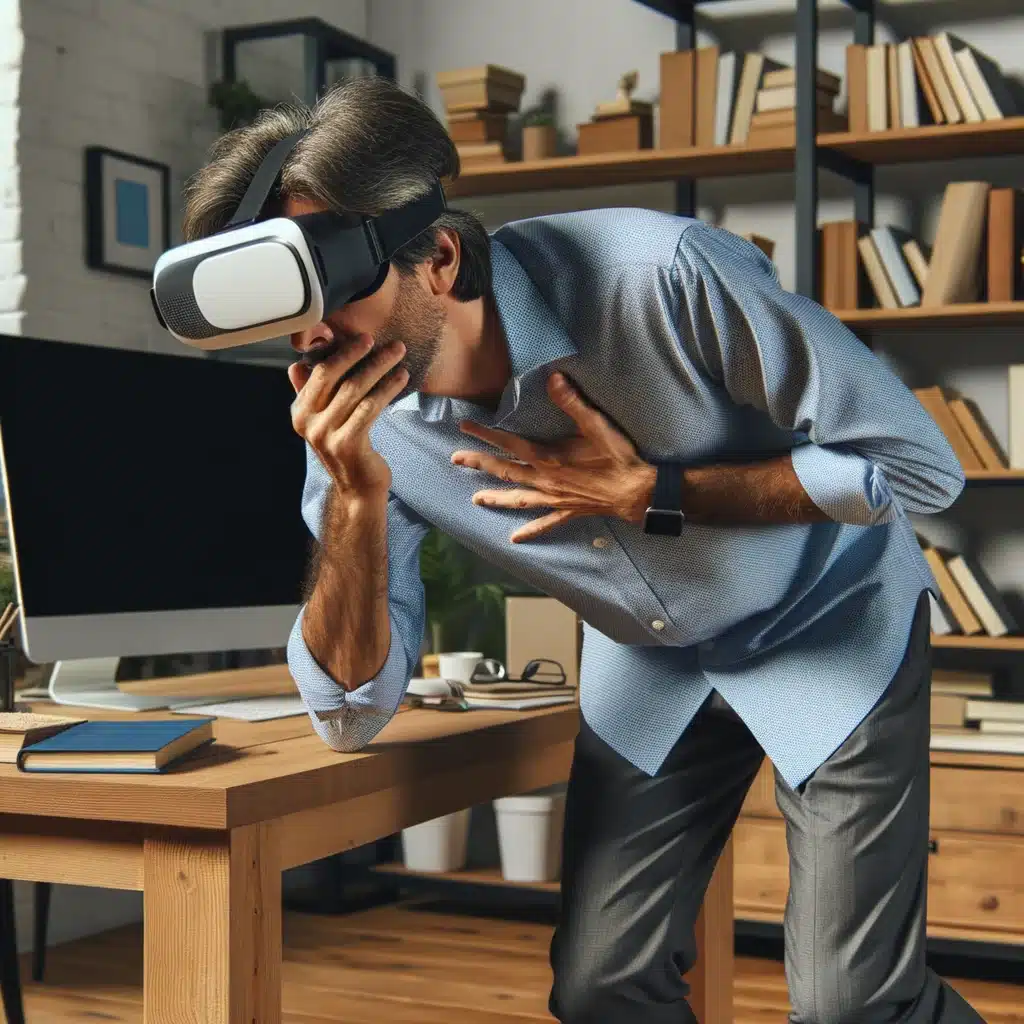
The consequences of virtual reality sickness can be severe, including:
Reduced usability: Virtual reality sickness can cause discomfort and frustration, leading to reduced usability of VR applications.
Chronic headaches: Prolonged use of VR applications can lead to chronic headaches and other health issues.
Impaired performance: Virtual reality sickness can impair an individual's performance in tasks that require attention, concentration, and fine motor skills.
Preventing Virtual Reality Sickness
To prevent or minimize virtual reality sickness, consider the following techniques:
Dynamic field-of-view (FOV) restriction: This technique involves restricting the user's FOV to reduce the visibility of the virtual environment and minimize conflicting signals.
Peripheral teleportation: This technique involves teleporting the user's viewpoint from one location to another, rather than using smooth movement, to reduce motion sickness.
Gradual exposure: Gradually exposing users to VR applications can help their brains adapt to the new sensory information and reduce the risk of virtual reality sickness.
Regular breaks: Taking regular breaks can help reduce the likelihood of virtual reality sickness and improve the overall user experience.
Conclusion
Virtual reality sickness is a common issue affecting many users of virtual reality applications. By understanding the causes, symptoms, and consequences of virtual reality sickness, as well as exploring methods to prevent or minimize its occurrence, we can improve the usability and adoption of VR technologies. Remember, prevention is key to enjoying the incredible experiences that virtual reality offers.