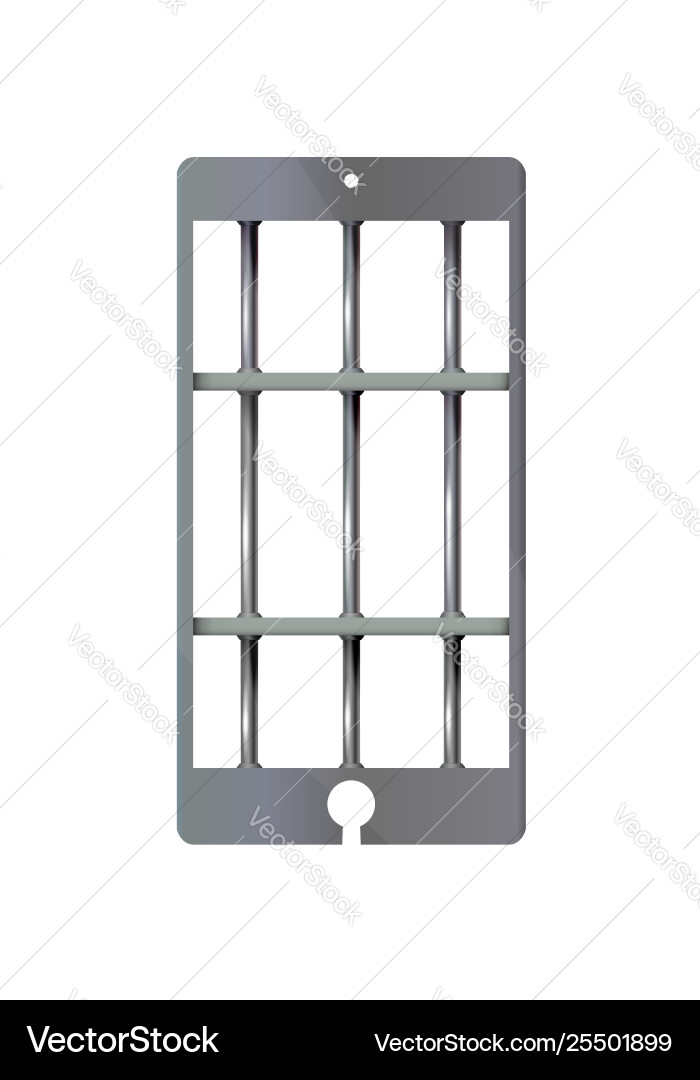
Understanding Phone Addiction and Nomophobia in Adults
In today's digital age, smartphones have become an integral part of our daily lives. However, excessive phone use has led to a growing concern known as phone addiction and nomophobia. Phone addiction describes the compulsive use of smartphones, which can lead to negative consequences on mental and physical health. Nomophobia, on the other hand, is the fear of being without a mobile phone or without cellular service. In this article, we will delve into the world of phone addiction and nomophobia, exploring their symptoms, causes, and ways to overcome these modern-day anxieties.
What is Phone Addiction?
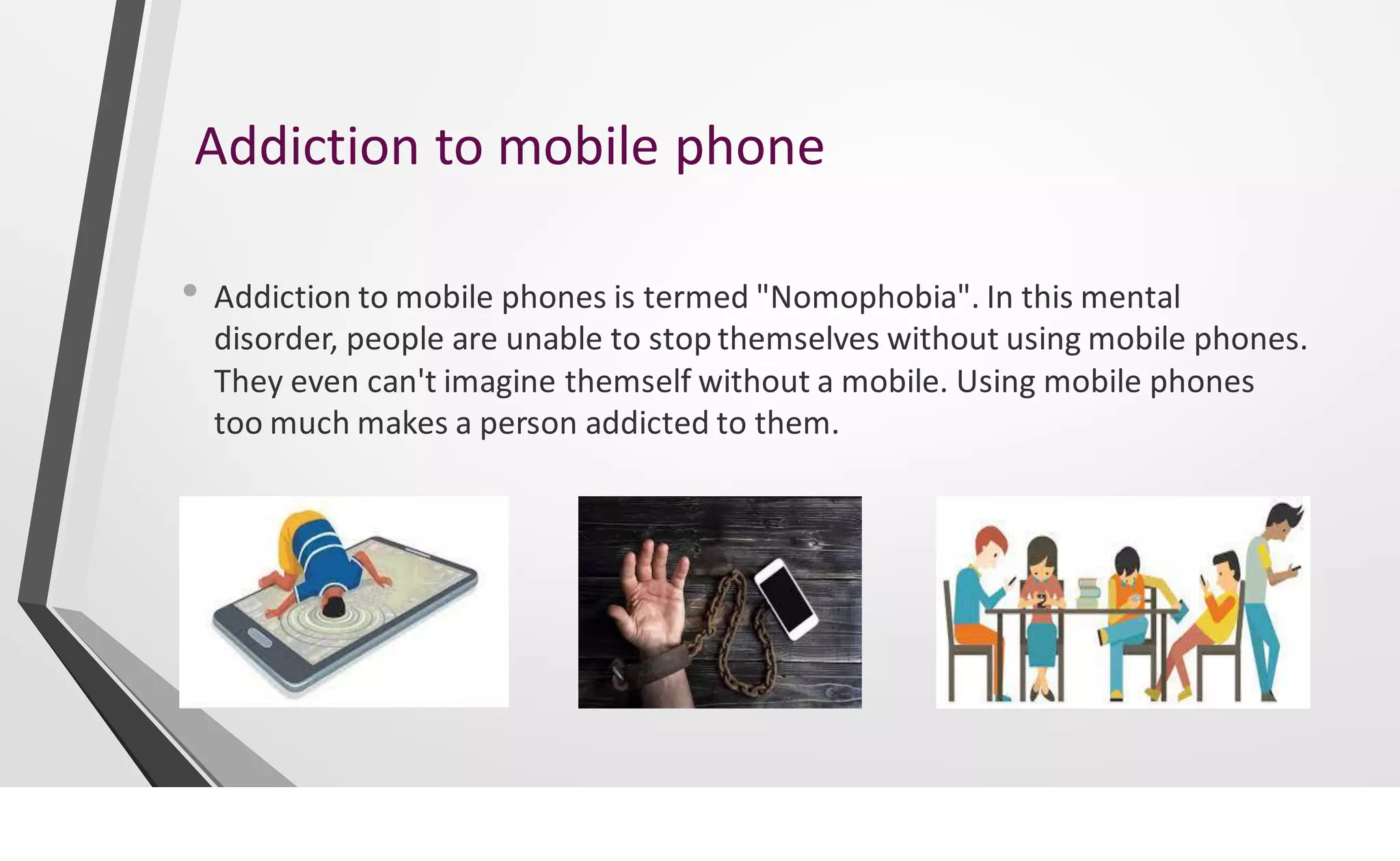
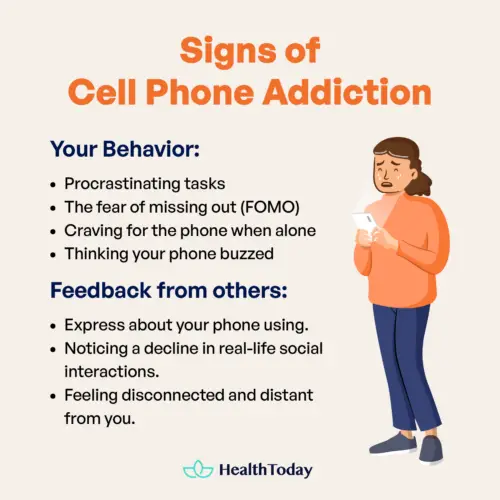
Phone addiction is a pattern of compulsive phone use that interferes with daily life, relationships, and overall well-being. It is often characterized by excessive phone use, difficulty in disconnecting from phones, and feelings of anxiety or agitation when unable to access phones. Phone addiction can be a result of various factors, including social media, online gaming, or fear of missing out (FOMO). According to recent studies, over 40% of the population suffers from phone addiction.
Understanding Nomophobia
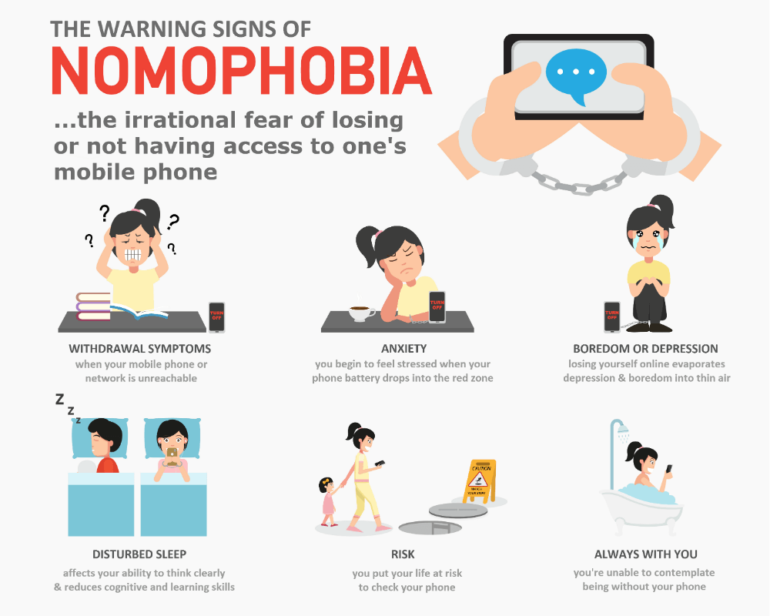
Nomophobia, or no mobile phone phobia, is the fear of being without a mobile phone or without cellular service. This modern-age phobia was first identified in 2008 and has since gained significant attention worldwide. Nomophobia is characterized by feelings of anxiety, discomfort, and nervousness when unable to access a mobile phone. The causes of nomophobia are complex and multifaceted, involving factors such as fear of missing important messages, fear of being disconnected from social networks, and fear of feeling isolated or disconnected from others.
Symptoms of Phone Addiction and Nomophobia
- Excessive phone use, often to the point of neglecting other activities and relationships
- Difficulty in disconnecting from phones, even in social situations
- Feelings of anxiety or agitation when unable to access phones
- Negative impact on daily life, relationships, and overall well-being
- Panic or distress when experiencing phone loss or disconnection
Causes of Phone Addiction and Nomophobia
- Social media and online gaming
- Fear of missing out (FOMO)
- Fear of being disconnected from social networks or others
- Fear of missing important messages or updates
- Anxiety, stress, or other mental health concerns
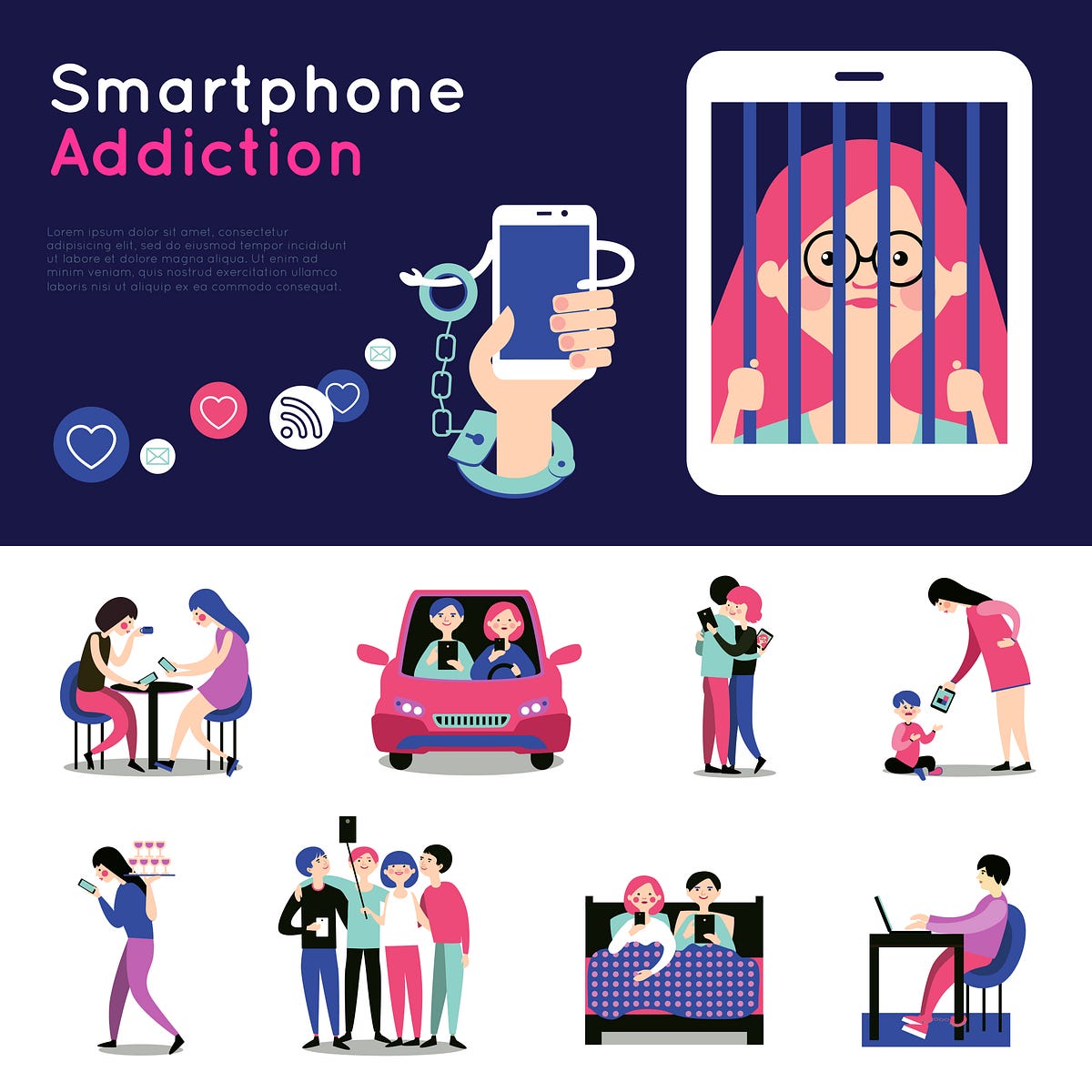
Overcoming Phone Addiction and Nomophobia
Breaking free from phone addiction and nomophobia requires a comprehensive approach that addresses the underlying causes and behaviors. Here are some practical ways to overcome these modern-day anxieties:
- Set boundaries and limits on phone use
- Engage in alternative activities and hobbies
- Practice mindfulness and meditation
- Seek support from friends, family, or mental health professionals
- Implement phone-free zones and times
Conclusion
Phone addiction and nomophobia are significant concerns in today's digital age. Understanding the symptoms, causes, and ways to overcome these anxieties is crucial for maintaining healthy relationships, improving mental and physical well-being, and reconnecting with the world beyond the screen. By recognizing the signs of phone addiction and nomophobia and taking proactive steps to address them, we can build a healthier and more balanced relationship with technology.
References
This article is based on various studies and research papers on phone addiction and nomophobia. Some of the key references include:
- Yildirim, C., & Correia, A. (2015). Nomophobia: Mobile phone addiction and fear of being without a mobile phone. Journal of Behavioral Addictions, 4(2), 133-143.
- WebMD Substance Abuse and Addiction Health Center: Find in-depth information about causes, symptoms, risks, prevention, and treatment for drug and alcohol abuse.
- Tuco, P. M., et al. (2023). Nomophobia and smartphone addiction: A systematic review. Journal of Behavioral Addictions, 12(2), 231-243.