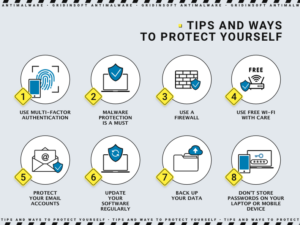
Protecting Data in the Cloud: Essential Tips for Businesses and Individuals
In today's digital landscape, the cloud is at the core of most businesses' infrastructure. While the cloud offers immense scalability, flexibility, and cost-efficiency, it also introduces unique security challenges. Protecting data in the cloud requires a proactive, multi-layered approach that addresses both external and internal threats.
What is Cloud Data Security?
Cloud data security refers to the technologies, policies, services, and security controls that protect any type of data in the cloud from loss, leakage, or misuse through breaches, exfiltration, and unauthorized access. A robust cloud data security strategy should include ensuring the security and privacy of data across networks as well as within applications.
Top Tips for Protecting Data in the Cloud
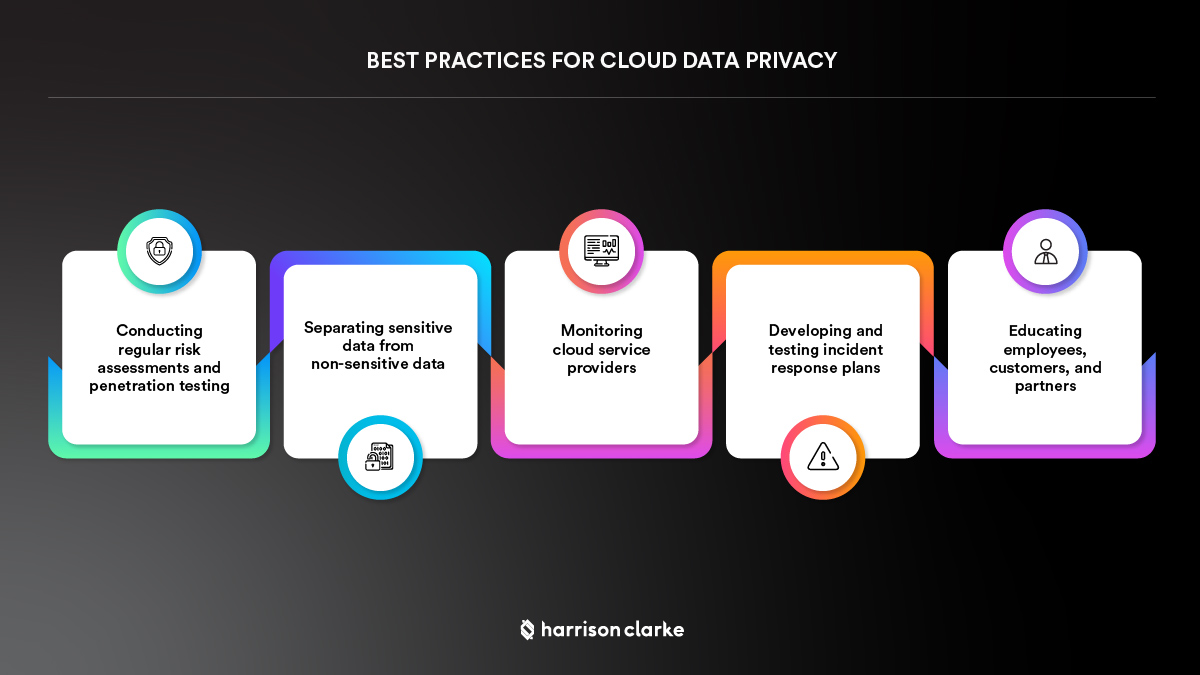
Here are some essential tips for protecting data in the cloud:
- Implementing MFA can help prevent unauthorized access to cloud-based data.
- Use End-to-End Encryption**: Encrypt data both in transit and at rest to prevent data breaches and unauthorized access. This ensures that even if data is compromised, it remains encrypted and unreadable.
- Enable Zero Trust**: Implement a Zero-Trust architecture to ensure that all users and access requests are verified and authenticated. This approach helps to prevent lateral movement and minimizes the attack surface.
- Regularly Update and Patch**: Keep cloud-based systems, applications, and software up-to-date and patched to prevent exploitation of known vulnerabilities. Regular updates can help fix security issues and prevent data breaches.
- Back up Data Regularly**: Regularly back up data in the cloud to prevent data loss and ensure business continuity in case of a disaster. Use a secure backup solution that is separate from the primary storage container.
- Use Secure Cloud Storage Services**: Choose secure cloud storage services that have robust security features, such as automatic encryption, access controls, and monitoring. Ensure that the cloud service provider adheres to industry standards and regulations.
- Monitor and Analyze Security Logs**: Regularly monitor and analyze security logs to identify potential security threats and data breaches. This helps to detect and respond to security incidents in a timely manner.
- Implement Cloud Security Awareness Training**: Provide regular security awareness training to employees to educate them on cloud security best practices and the importance of protecting data in the cloud. This helps to create a security-conscious culture within the organization.
- Use Cloud Security Tools and Services**: Utilize cloud security tools and services that help to detect and prevent security threats, such as intrusion detection systems and security information and event management (SIEM) solutions. These tools can help to identify and respond to security incidents in real-time.
- Conduct Regular Security Audits**: Regularly conduct security audits to identify vulnerabilities and weaknesses in cloud-based systems and applications. This helps to ensure that cloud security controls are effective and aligned with industry standards.
- Implement a Cloud Security Information and Event Management (SIEM) System**: Implement a SIEM system to collect and analyze security logs and event data from cloud-based systems and applications. This helps to detect and respond to security incidents in a timely manner.
Conclusion
Protecting data in the cloud is a critical aspect of modern business operations. By following the tips outlined above, businesses and individuals can ensure the security and privacy of their data in the cloud. Remember, protecting data in the cloud requires a proactive, multi-layered approach that addresses both external and internal threats. By staying ahead of the curve and implementing robust cloud security controls, organizations can minimize the risk of data breaches and ensure business continuity.