Setting Up a Small Retail Business: A Comprehensive Guide
Starting a small retail business can be a daunting task, but with a clear plan and a well-structured approach, it can be a highly rewarding venture. Setting up a small retail business requires careful consideration of several factors, including market research, financial planning, and operational setup. In this article, we will provide a comprehensive guide on how to set up a small retail business, covering the key steps to take and the essential aspects to consider.
Defining Your Niche
The first step in setting up a small retail business is to define your niche. This involves identifying a specific product range or service that you want to offer, as well as the target audience you want to cater to. Conducting market research is essential to understand your target audience's needs, preferences, and buying habits. This will help you tailor your products and services to meet their demands and increase your chances of success.
Step 1: Conduct Market Research
- Identify your target audience and their demographics
- Research the market size and competition
- Analyze consumer behavior and purchasing habits
- Validate your ideas with potential customers
Creating a Business Plan
A business plan is a comprehensive document that outlines your business goals, target market, marketing strategies, financial projections, and operational setup. A well-crafted business plan will help you stay focused, set realistic goals, and manage your finances effectively. Your business plan should include the following essential elements:
- Executive summary: A brief overview of your business
- Company description: Detailed information about your business
- Market analysis: Research and analysis of your target market
- Marketing and sales strategy: Description of how you will reach and engage with your target audience
- Financial projections: Projections of your income and expenses
- Management and organization: Information about your team and operational structure
Step 2: Register Your Business
Registering your business is a crucial step in setting up a small retail business. You will need to obtain necessary licenses and permits, as well as register for taxes. You may need to contact your local government to determine the specific requirements for your business. Here are the key steps to register your business:

- Choose a business name and register it with the state
- Obtain necessary licenses and permits
- Register for taxes, including sales tax and income tax
- Open a business bank account
Setting Up Your Operations
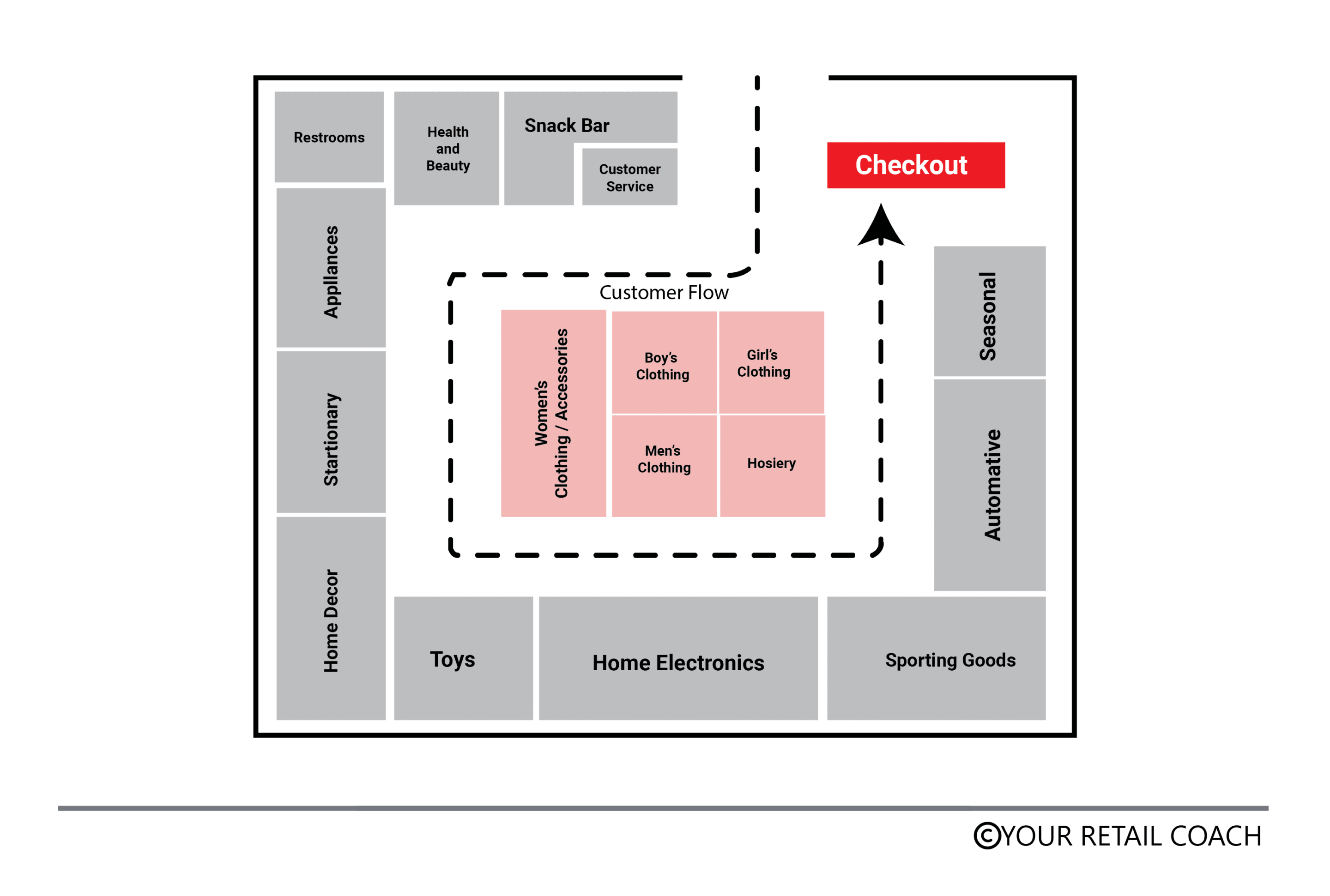
Setting up your operations involves creating a functional store, managing your inventory, and hiring staff. You will need to source products or suppliers, design and build the store, and develop a plan for stocking and restocking inventory. It's essential to establish a system for tracking sales, inventory, and customer data to ensure efficient management of your business. Here are the key steps to set up your operations:
- Source products or suppliers
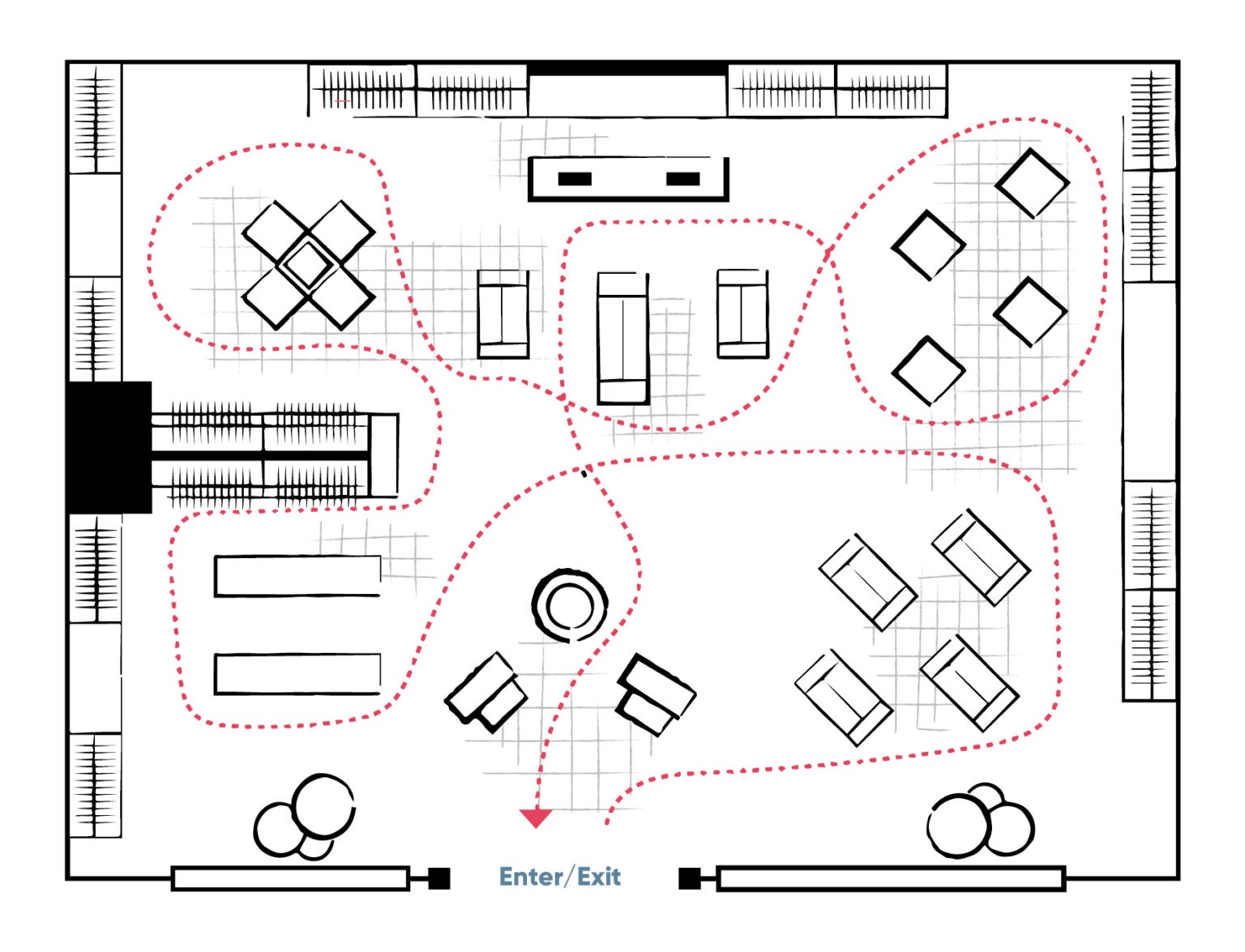
- Design and build the store
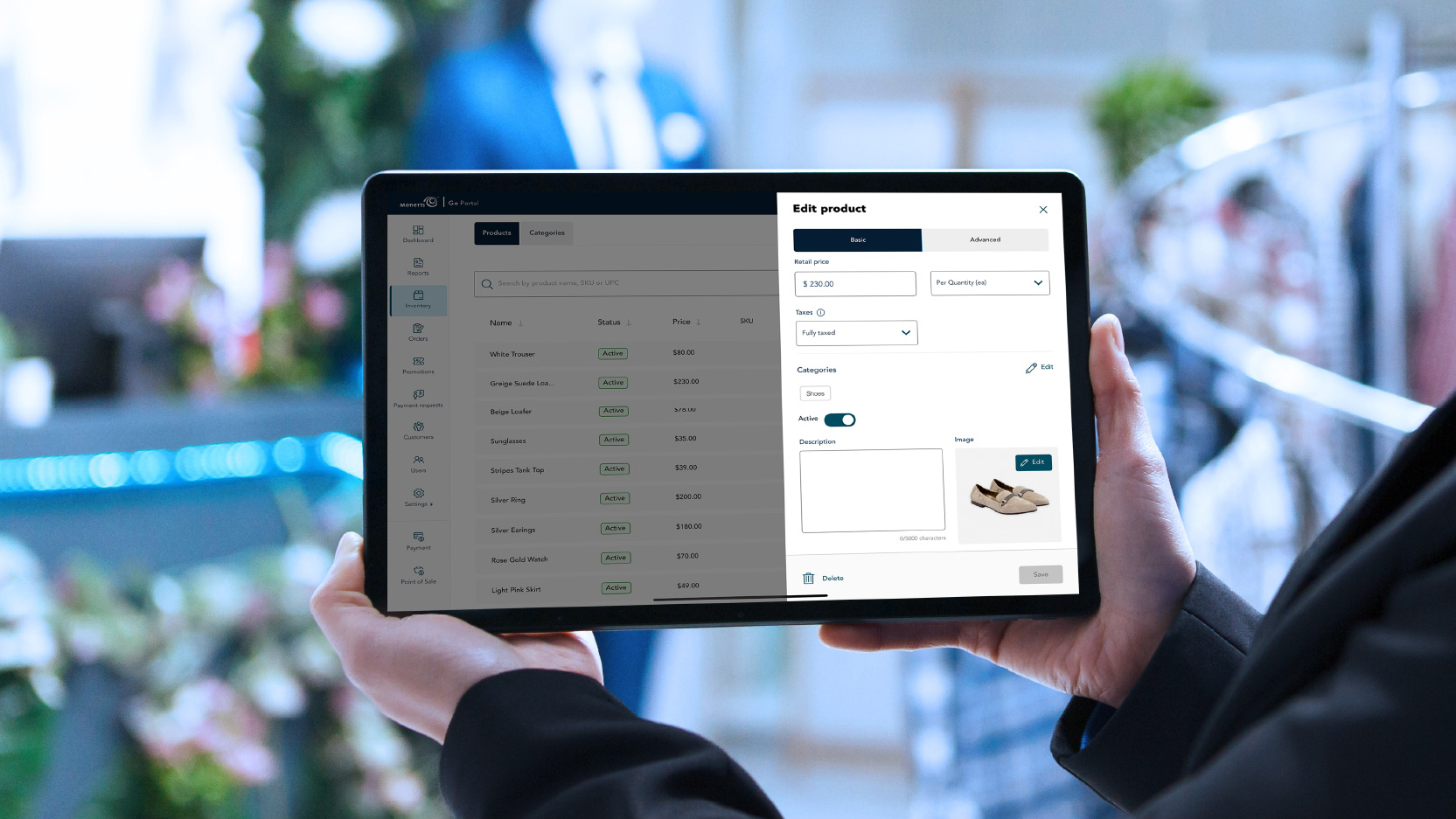
- Develop an inventory management system
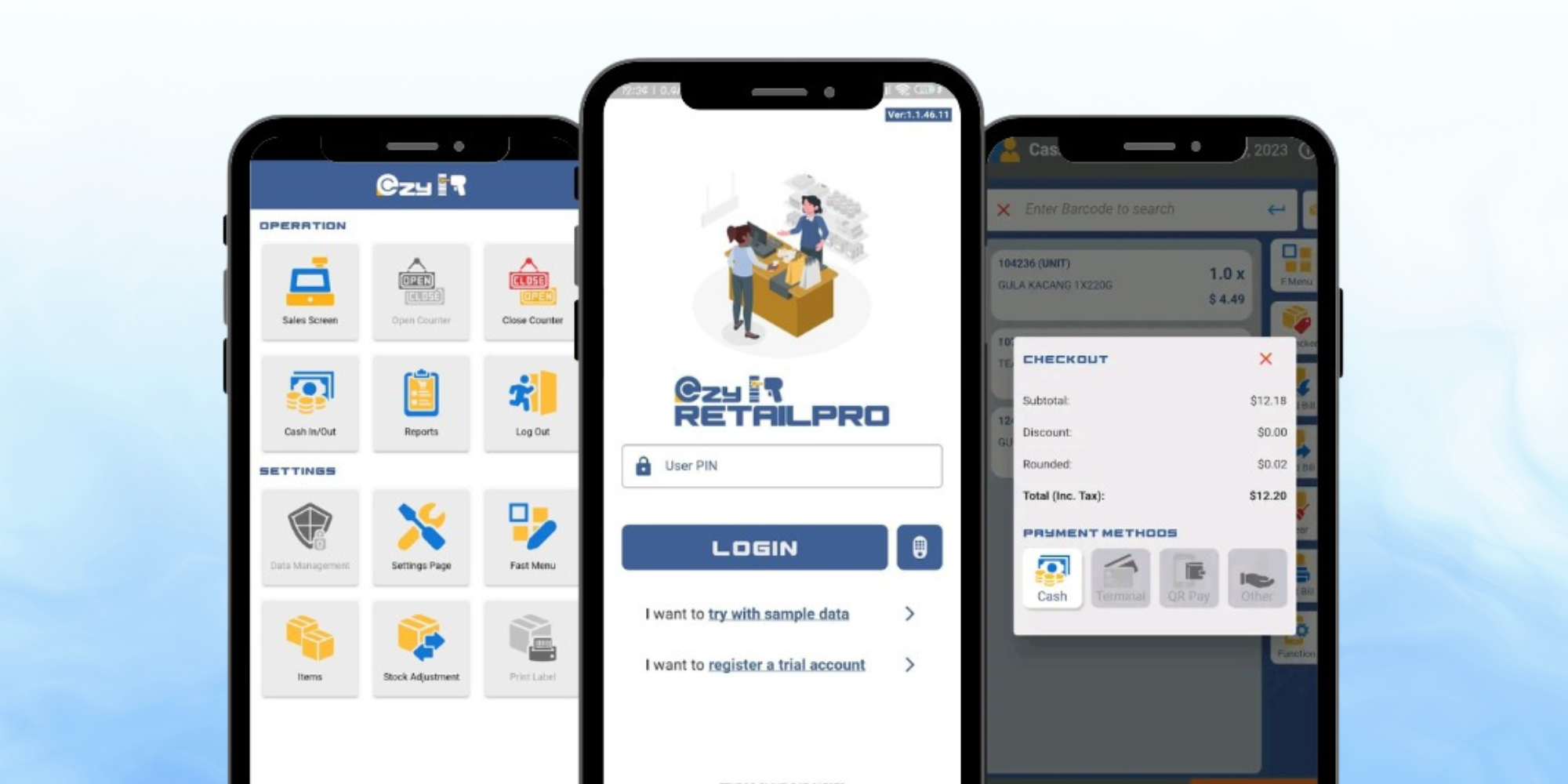
- Establish a system for tracking sales and customer data
- Train staff on sales, customer service, and inventory management
Step 3: Launch and Marketing
Launching and marketing your small retail business is crucial to attracting customers and generating sales. You will need to develop a plan for promoting your store, creating engaging content, and engaging with your target audience. Here are the key steps to launch and market your business:
- Develop a marketing plan
- Create engaging content, such as social media posts, blog articles, and email campaigns
- Engage with your target audience through events, workshops, and special offers
- Monitor and analyze sales and customer data to refine your marketing strategy
Conclusion
Setting up a small retail business requires careful planning, research, and execution. By following the steps outlined in this article, you can establish a solid foundation for your business and increase your chances of success. Remember to stay focused on your target market, manage your finances effectively, and continually adapt to changing market conditions to ensure your business remains competitive and profitable.