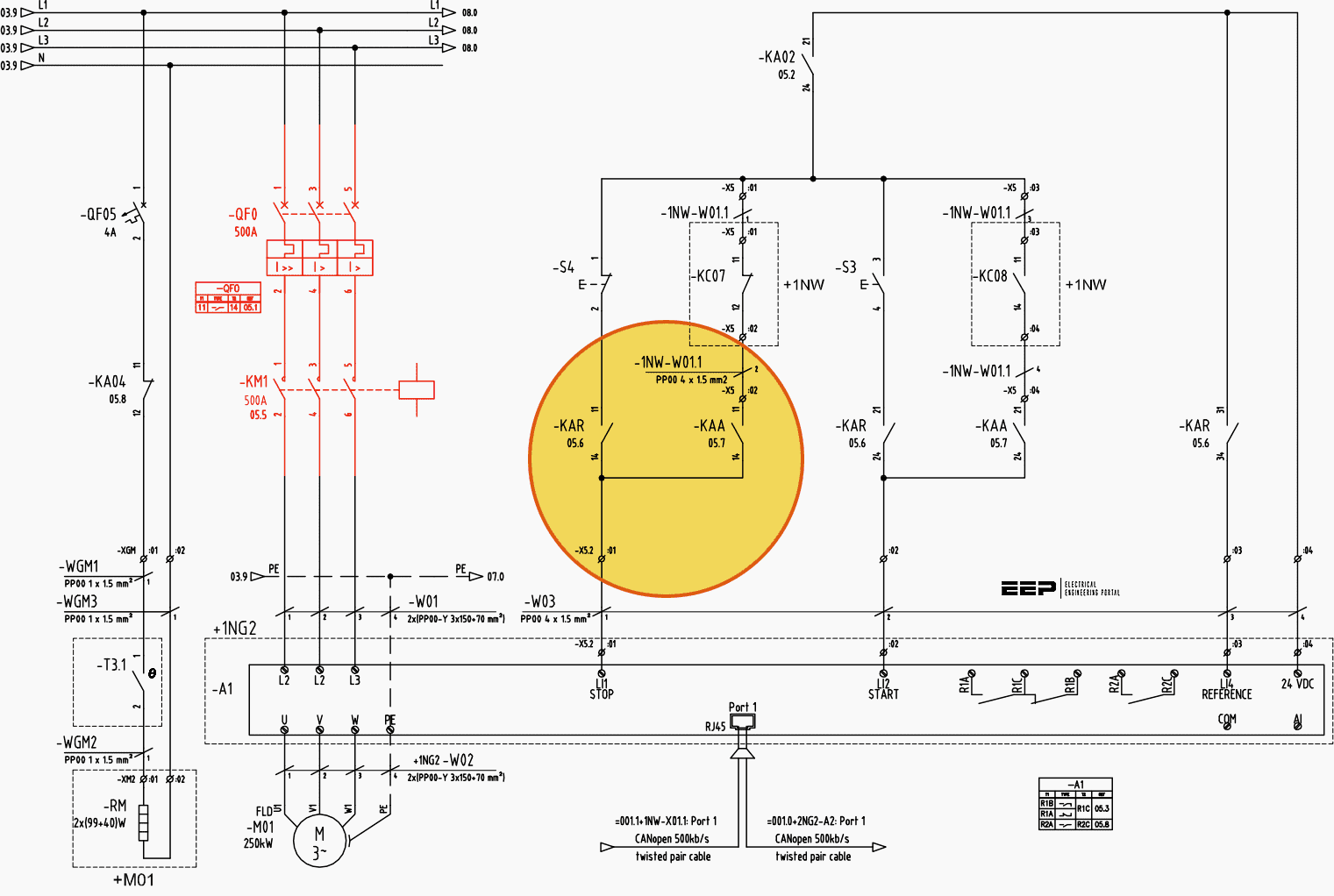
Unlocking the Secrets of Schematic Reading: A Beginner's Guide
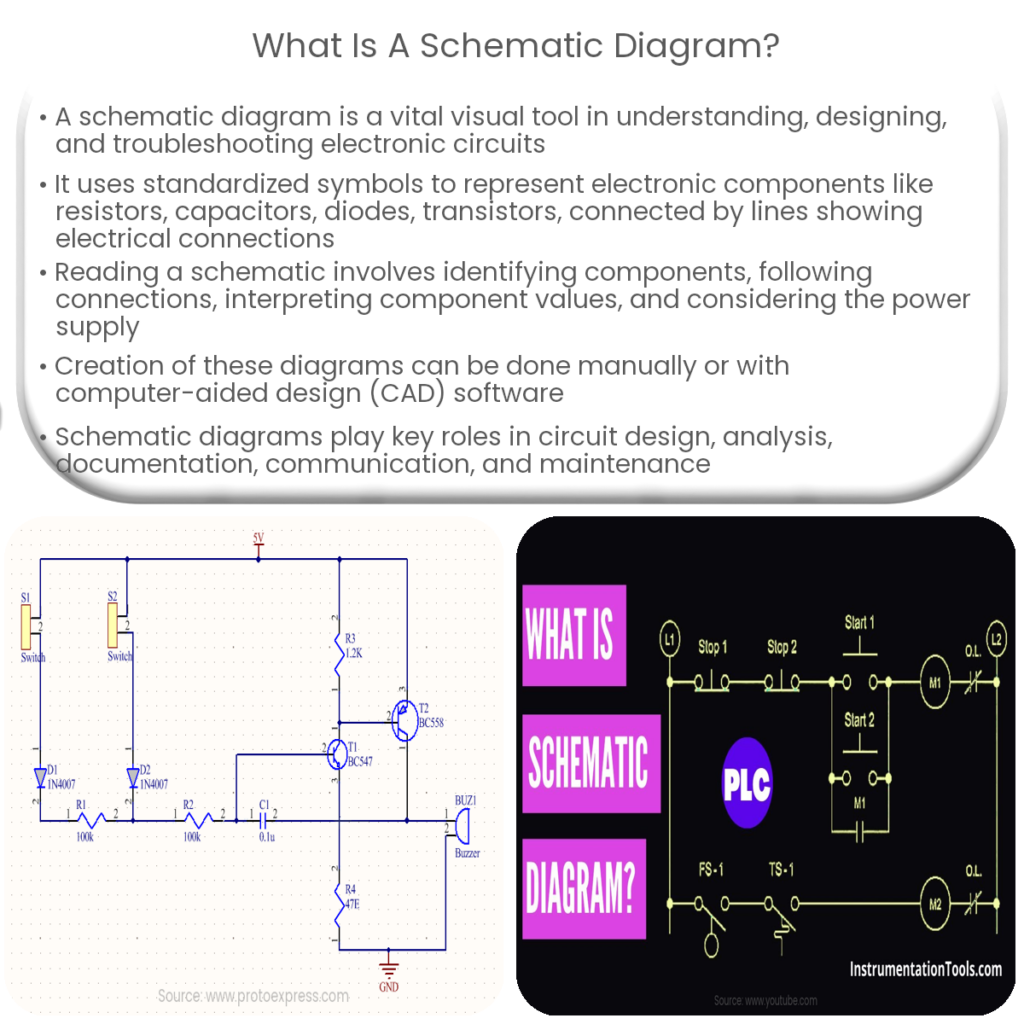
Schematics are our map to designing, building, and troubleshooting circuits. Understanding how to read and follow schematics is an important skill for any electronics engineer. In this comprehensive guide, we'll take you through the fundamentals of schematic reading, covering all the essential symbols, concepts, and practices you need to become a proficient schematic reader.
Why is Schematic Reading Important?
Schematic reading is not just about deciphering electrical diagrams; it's a critical skill for anyone working with electronics. As an electrician, circuit designer, technician, engineer, or hobbyist, being able to read and understand schematics is essential for designing and troubleshooting complex electronic systems.
The Basics of Schematic Reading
So, where do you start? To become proficient in schematic reading, you need to understand the basics of electronic symbols, components, and connections. Let's break it down:
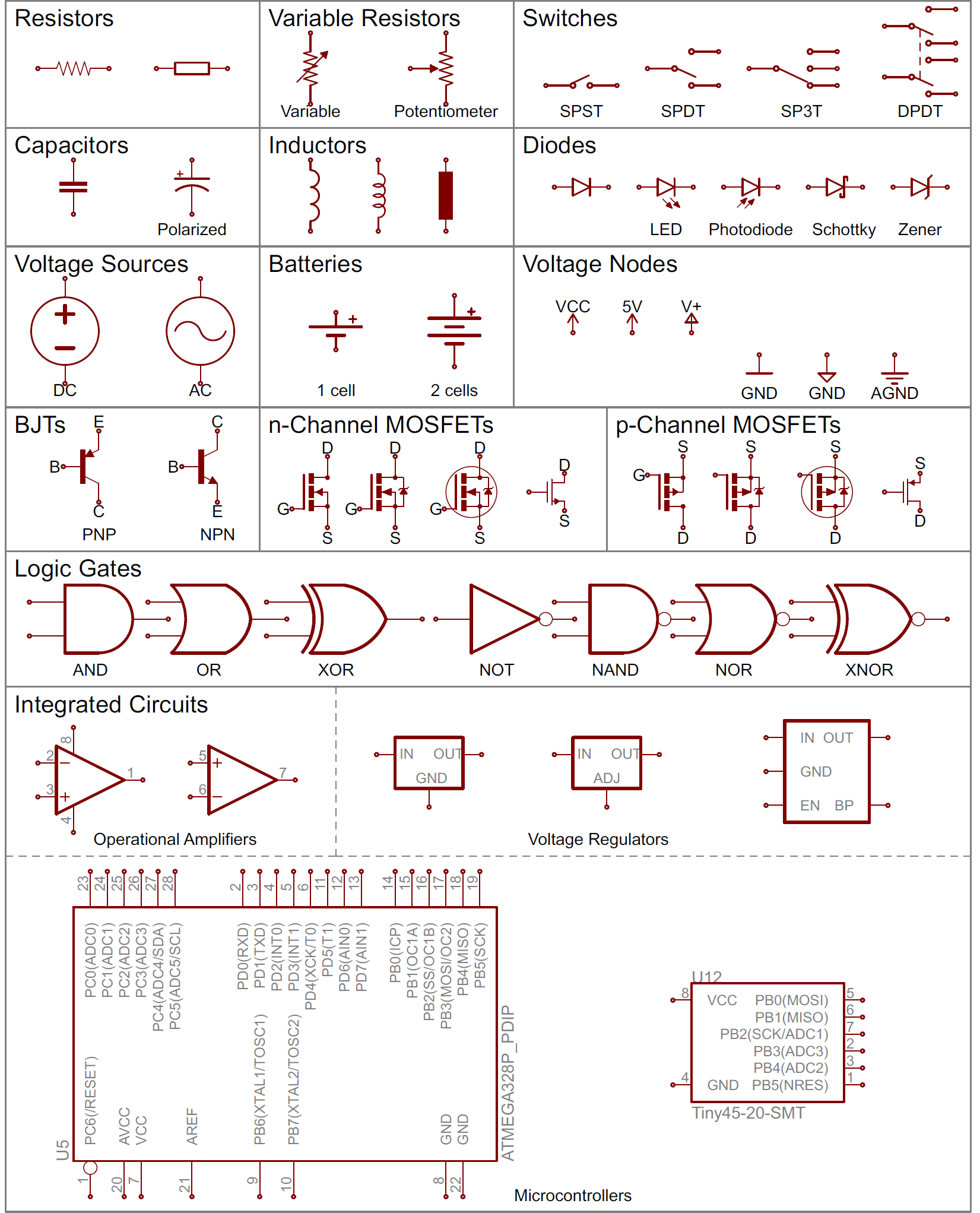
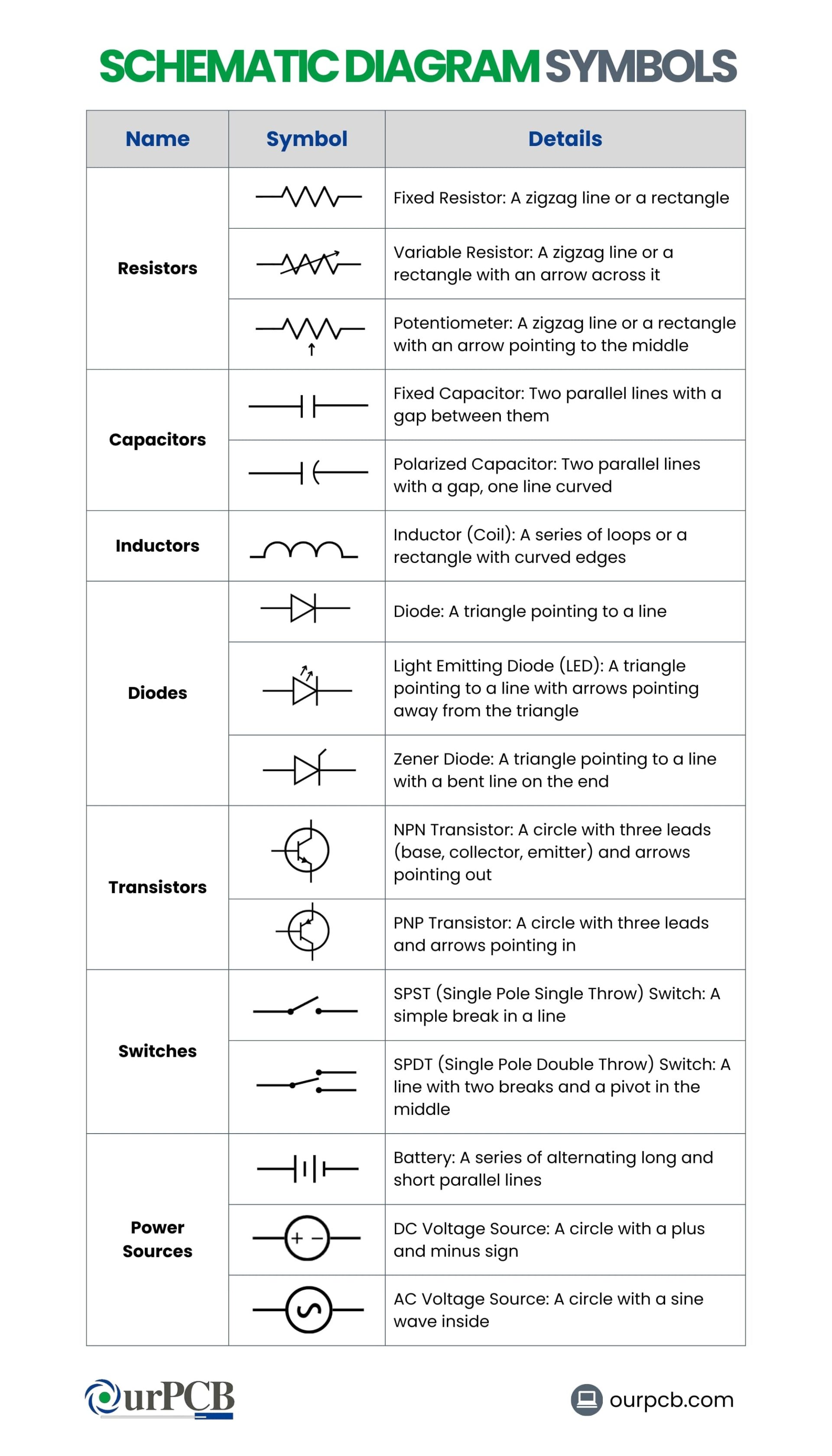
- Electronic Symbols:** Familiarize yourself with the most commonly used electronic symbols, including resistors, capacitors, inductors, diodes, and transistors. Each symbol has a specific meaning, and knowing what they represent is crucial for reading schematics.
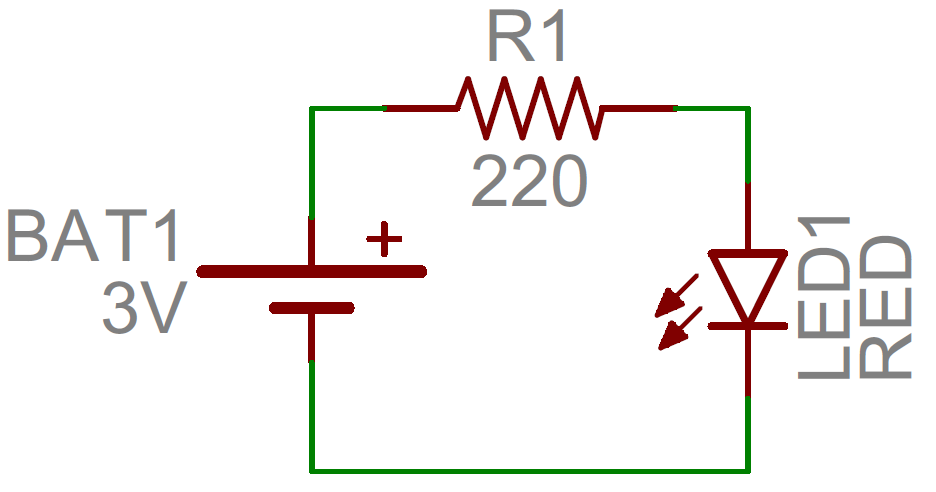
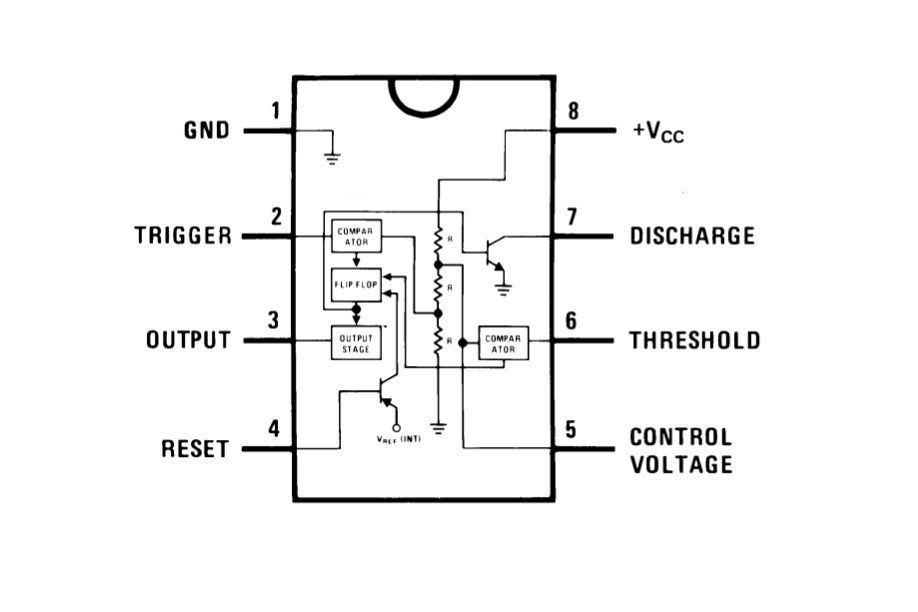
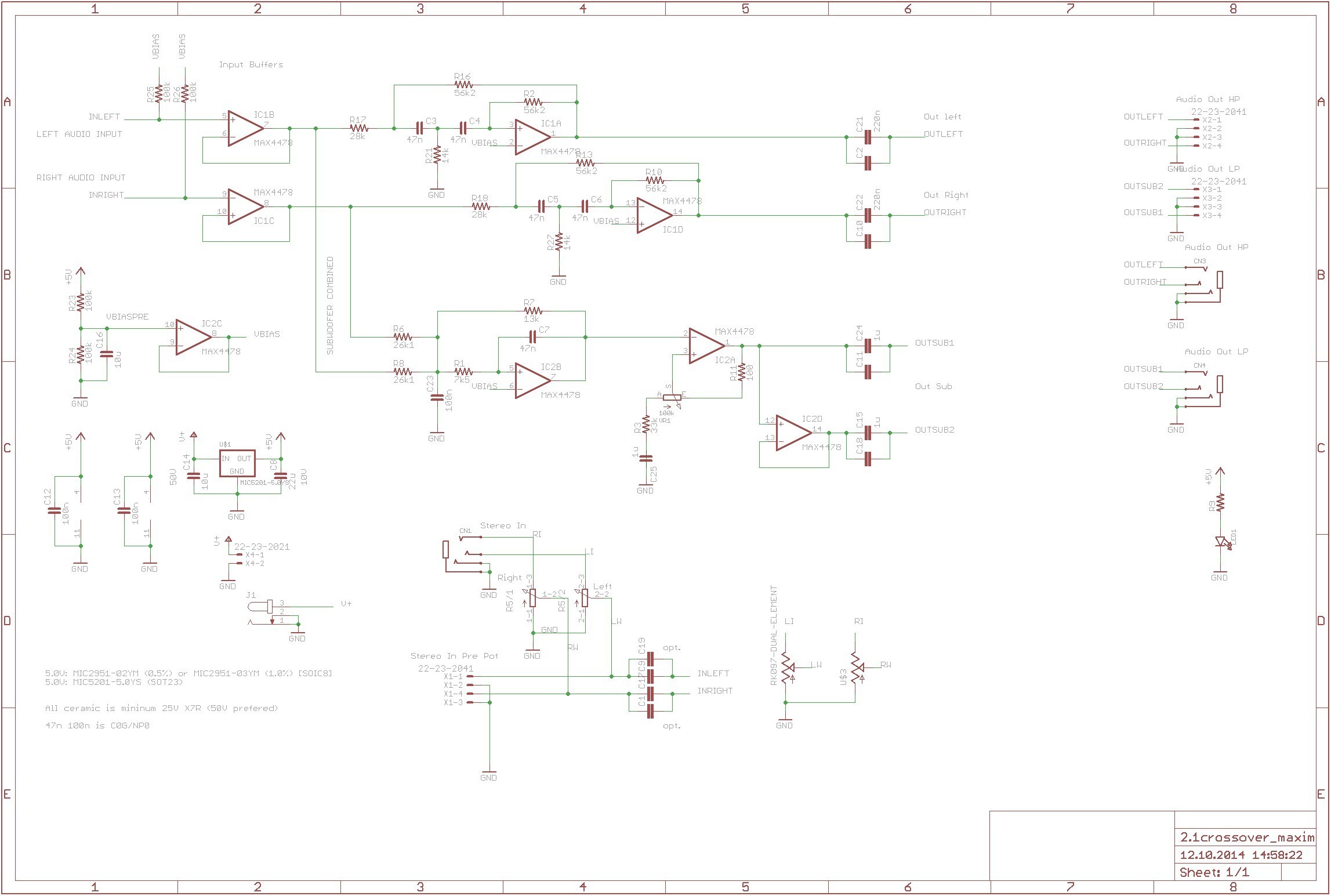
- Components:** Identify the components in the schematic, including resistors, capacitors, and transistors. Understand their values, ratings, and connections.
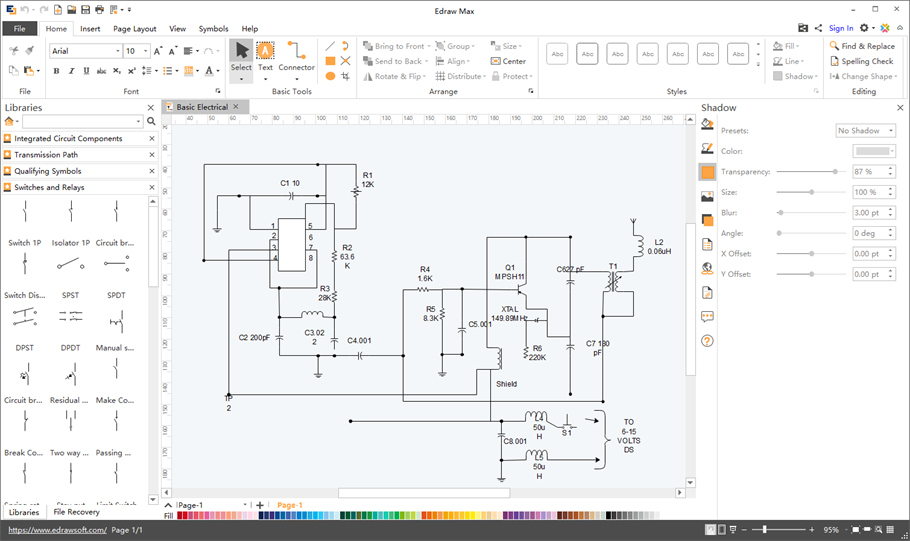
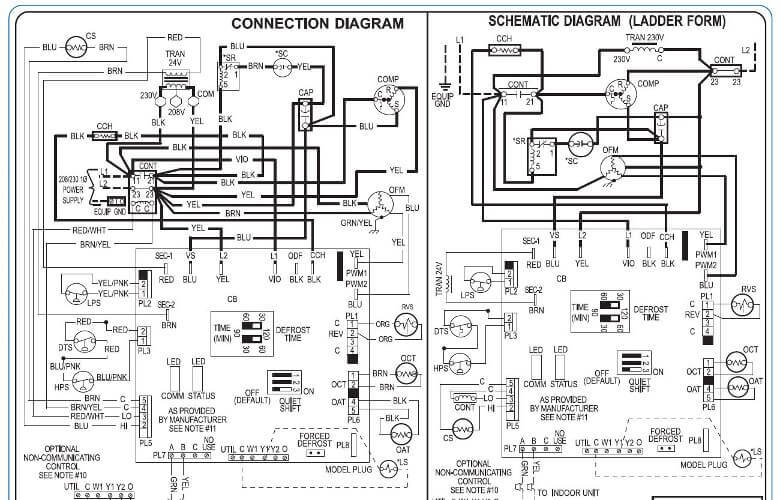
- Connections:** Learn to trace the connections between components, paying attention to wires, tracks, and net lines. Understand how devices are connected and how they interact with each other.
- Color Coding:** Familiarize yourself with the color coding used in schematics, which can indicate voltage levels, ground connections, or other important information.
Step-by-Step Guide to Reading Schematics

Now that you understand the basics, let's dive into a step-by-step guide to reading schematics:
- Start with the Basic Symbols:** Begin by identifying basic symbols, such as resistors, capacitors, and transistors. Understand their values, ratings, and connections.
- Identify Components:** Locate the components in the schematic, including power sources, switches, and sensors. Understand their functions and how they interact with other components.
- Follow Connections:** Trace the connections between components, paying attention to wires, tracks, and net lines. Understand how devices are connected and how they interact with each other.
- Check for Ground Connections:** Identify ground connections, which are essential for ensuring the proper functioning of the circuit.
- Consult the Legend:** Refer to the legend or key provided in the schematic to understand the symbols, colors, and notations used.
- Review and Verify:** Double-check your understanding by reviewing and verifying the schematic's accuracy.
Best Practices for Schematic Reading
To become a proficient schematic reader, follow these best practices:
- Practice Regularly:** Regular practice will help you become more comfortable and confident in reading schematics.
- Use Reference Materials:** Use reference materials, such as textbooks or online resources, to brush up on your knowledge of electronic symbols, components, and connections.
- Join a Community:** Join online communities or forums to connect with other engineers and technicians who can share their experiences and knowledge.
- Take Online Courses:** Consider taking online courses or tutorials to improve your schematic reading skills.
Conclusion
Schematic reading is a crucial skill for anyone working with electronics. By understanding the basics of electronic symbols, components, and connections, and following the step-by-step guide, you'll be well on your way to becoming a proficient schematic reader. Remember to practice regularly, use reference materials, join a community, and take online courses to continuously improve your skills.