Reasons Not to Take Tylenol During Pregnancy
In recent years, the safety of Tylenol, or acetaminophen, has been a topic of controversy among pregnant women and healthcare providers. While it was once considered the go-to medication for pain relief during pregnancy, emerging research has raised concerns about its potential risks. If you're considering taking Tylenol while pregnant, it's essential to be aware of these potential reasons not to take it.
Reason 1: Liver Damage
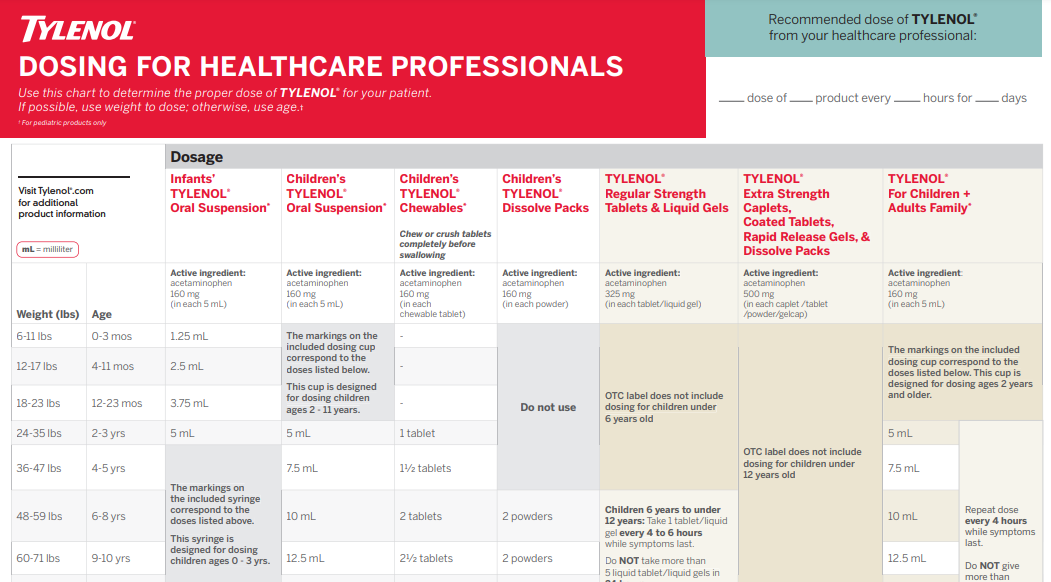
Acetaminophen is processed through the liver, and frequent or high doses can put a strain on the detox pathways. This can lead to liver damage, which can be serious and even life-threatening. Taking too much acetaminophen, either by mistake or intentionally, can lead to liver failure, requiring a transplant or even causing death.
- The FDA has warned about the risk of liver damage from acetaminophen overdose, especially when taken in higher doses or for extended periods.
- overdosing can occur when you take more than one product containing acetaminophen or take acetaminophen with other medications that also contain acetaminophen.
Reason 2: Autism and ADHD Concerns
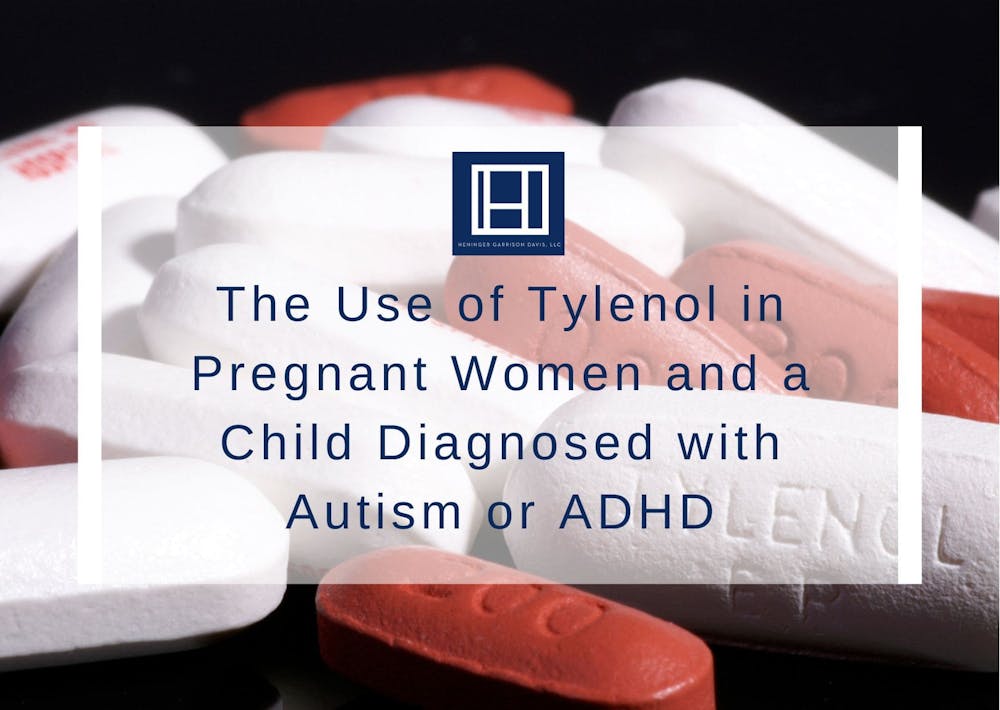
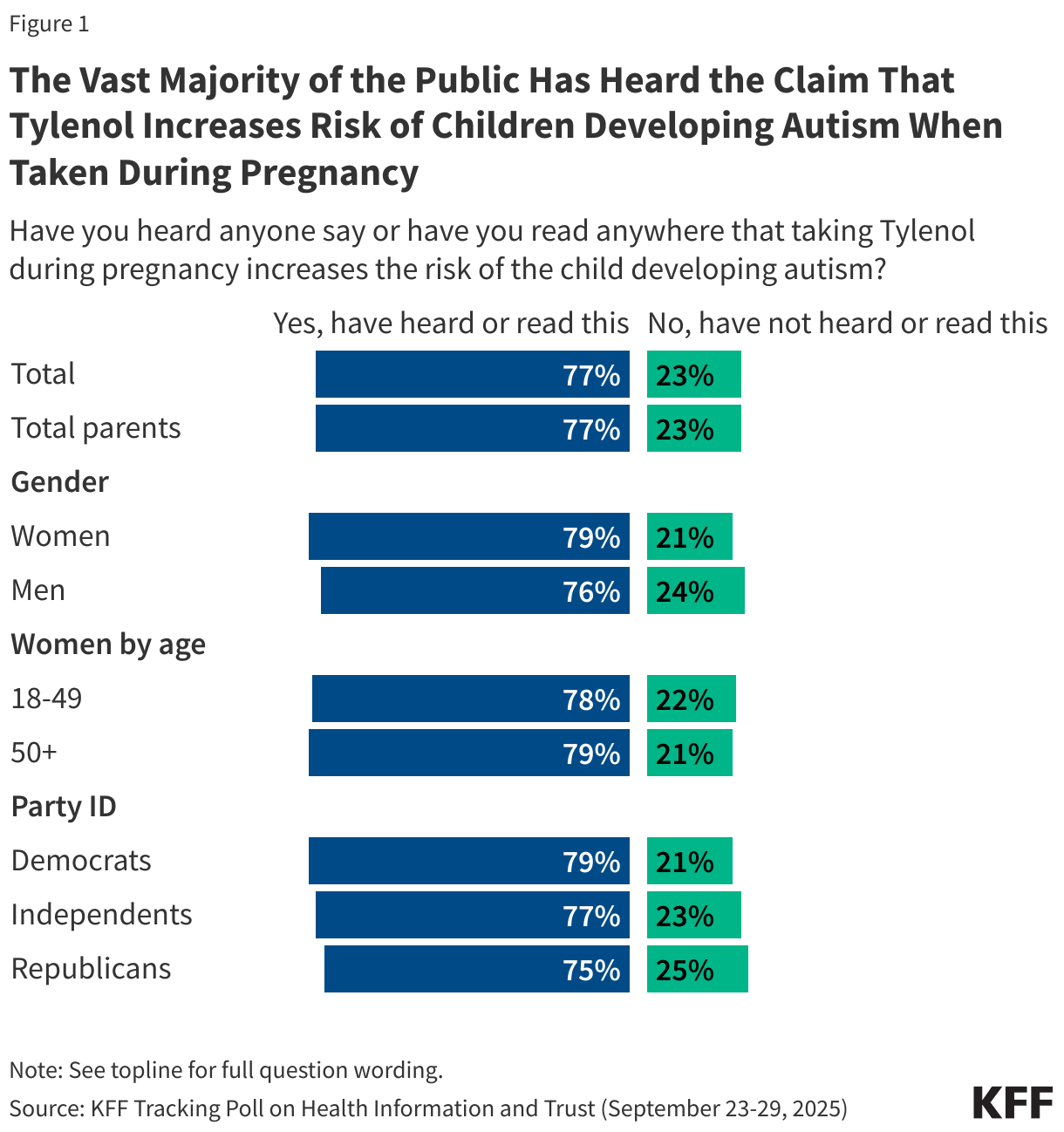
There have been studies suggesting a possible link between prenatal exposure to acetaminophen and an increased risk of autism and ADHD in children. However, more recent research has failed to confirm a conclusive link between acetaminophen use and these conditions.
- While some studies have found an association between acetaminophen and neurodevelopmental disorders, others have found no evidence of a link.
- The American College of Obstetricians and Gynecologists (ACOG) has stated that the current evidence does not prove that acetaminophen causes autism or ADHD.
Reason 3: Interference with Fetal Development
Some research suggests that acetaminophen may interfere with fetal development during pregnancy. However, it's essential to note that these findings are still inconclusive and require further research.

- The exact mechanism of how acetaminophen may affect fetal development is not yet fully understood.
- More studies are needed to determine the potential risks of acetaminophen on fetal development.
Reason 4: Interaction with Other Medications
Acetaminophen can interact with other medications, including certain medications used to treat seizures, migraines, and high blood pressure. Taking acetaminophen while pregnant can increase the risk of these interactions.
- It's crucial to inform your healthcare provider about all medications, including acetaminophen, before taking any new medication.
- Always consult with your healthcare provider before taking acetaminophen, especially if you have any underlying medical conditions or are taking other medications.
Reason 5: Unnecessary Use
While acetaminophen can be a safe option for pain relief during pregnancy, it's essential to use it only when necessary. Taking acetaminophen unnecessarily can lead to liver damage, as mentioned earlier, and may also contribute to the development of resistance to the medication.
- Only take acetaminophen for pain relief or to treat a fever when absolutely necessary.
- Consult with your healthcare provider before taking acetaminophen, especially if you have any concerns about its use or if you're unsure about the cause of your symptoms.
In conclusion, while Tylenol or acetaminophen can be a safe option for pain relief during pregnancy, it's essential to be aware of the potential reasons not to take it. Always consult with your healthcare provider before taking any medication, and use acetaminophen only when necessary to minimize the risk of liver damage and other potential complications.