Planning a Small Business Budget: A Step-by-Step Guide
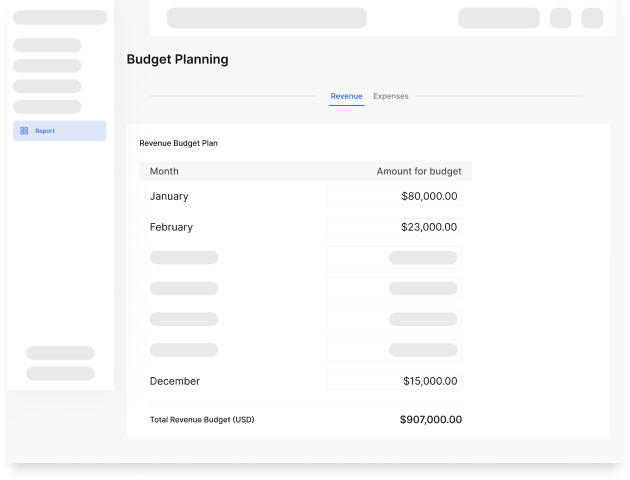
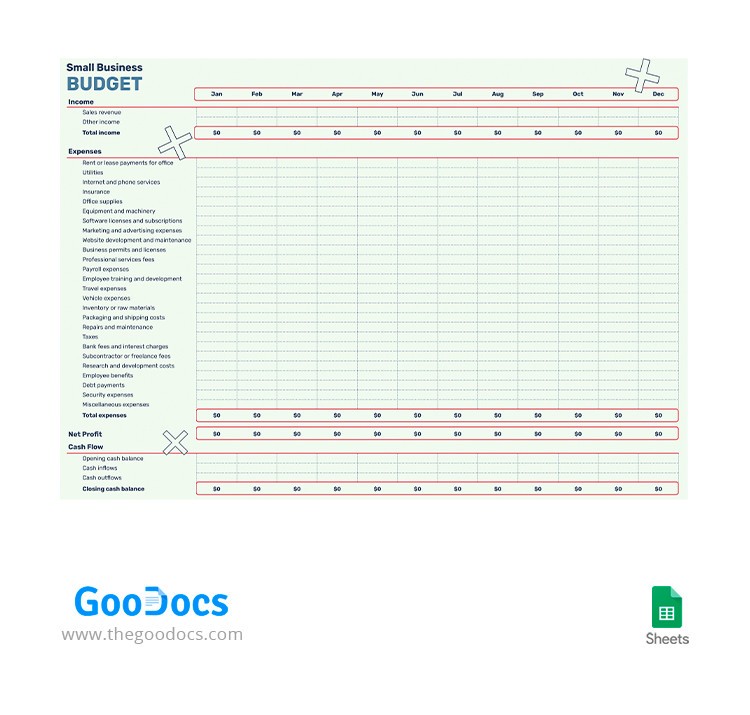
Creating a small business budget is crucial for planning, organizing, and controlling business operations. Without a business budget, you're setting your company up to fail. Learn how to create a budget for a business—and take control of your money.
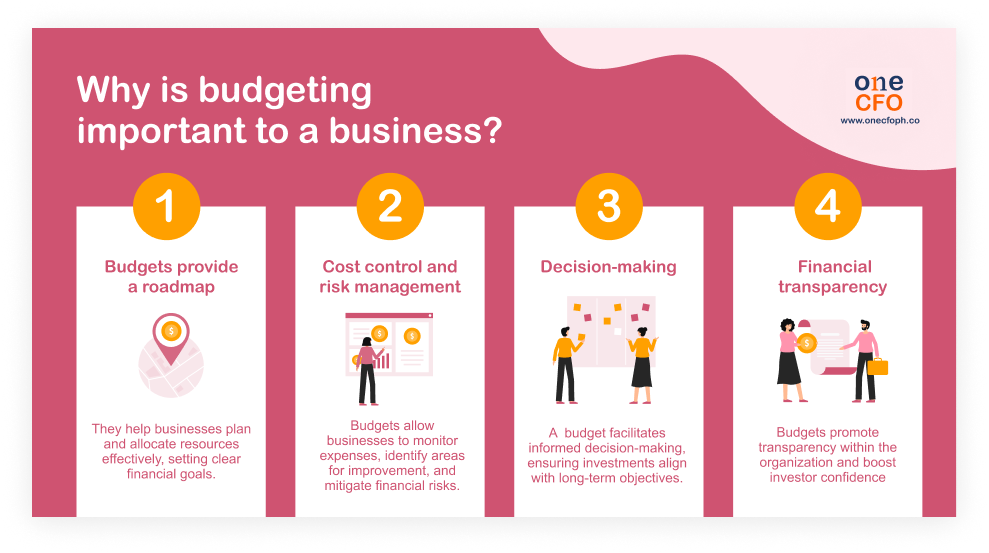
Why Planning a Small Business Budget is Important
A small business budget helps you plan what to spend, forecast your income, and measure how close you are to reaching your financial goals. It also enables you to spot cost overruns, track cash flow, and make smarter spending choices as your business grows.
What is a Business Budget?
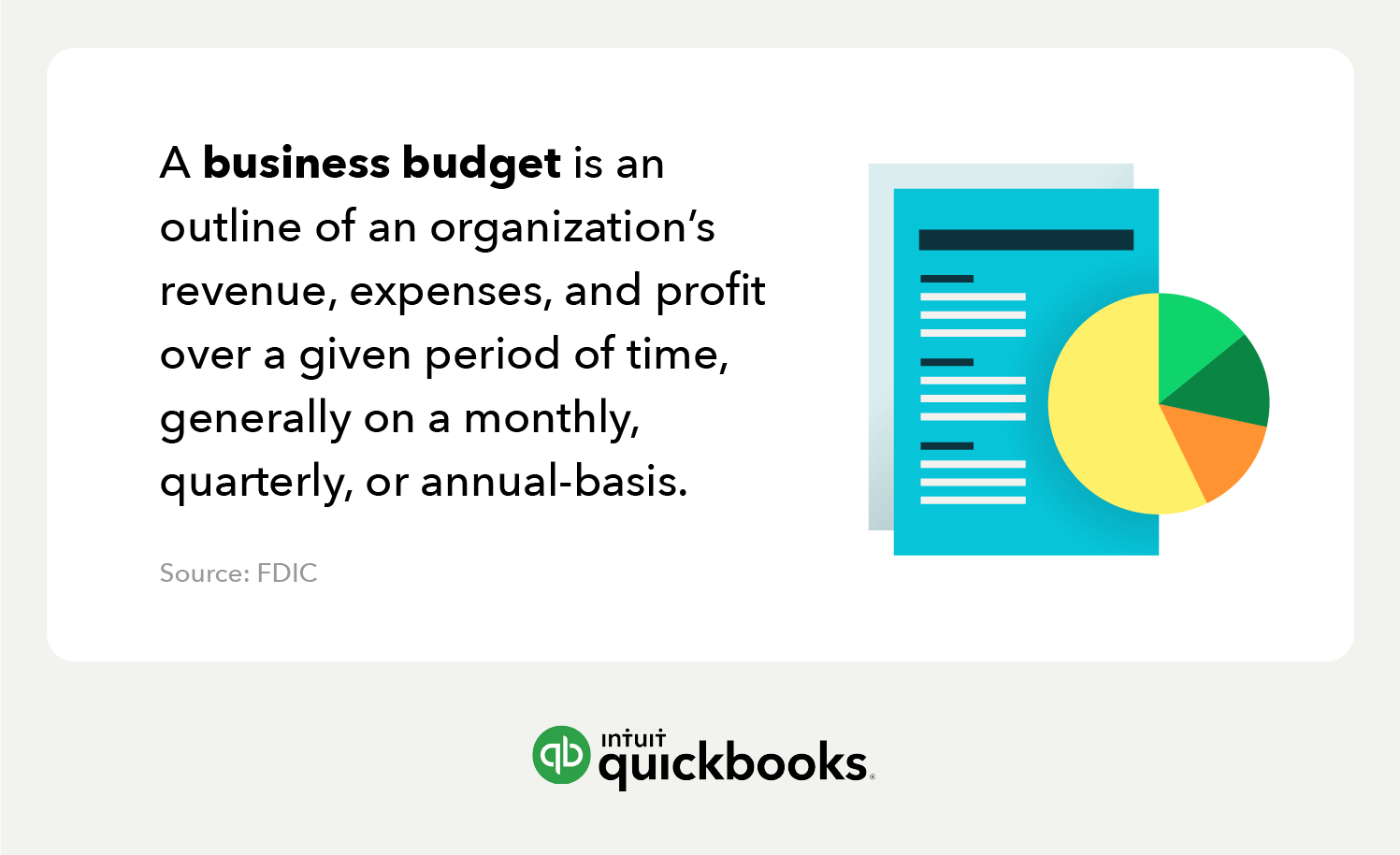
A business budget is a financial plan based on your income and expenses over a period of time — typically monthly, quarterly, or annually. It's a roadmap for your business finances, helping you make informed decisions about where to allocate your resources.
How to Create a Small Business Budget
- Step 1: Determine Your Income
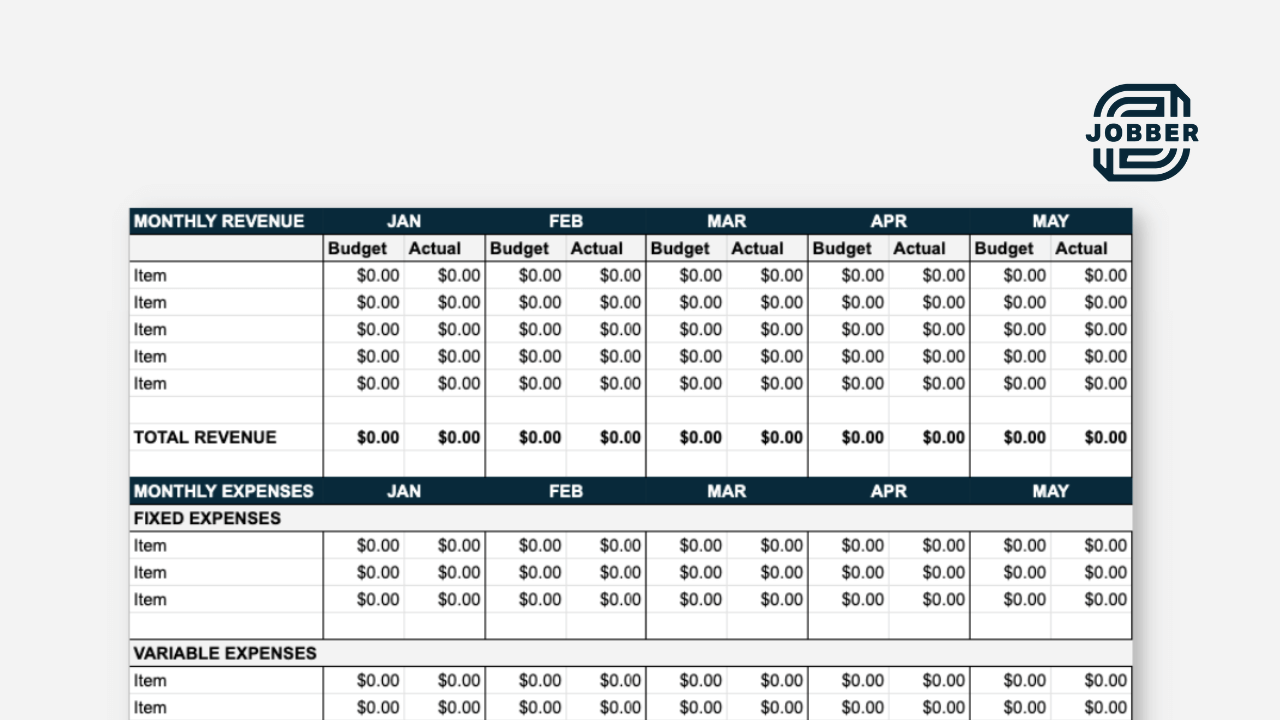
Calculate your total income from all sources, including sales, investments, and any other revenue streams.
- Step 2: Track Your Expenses
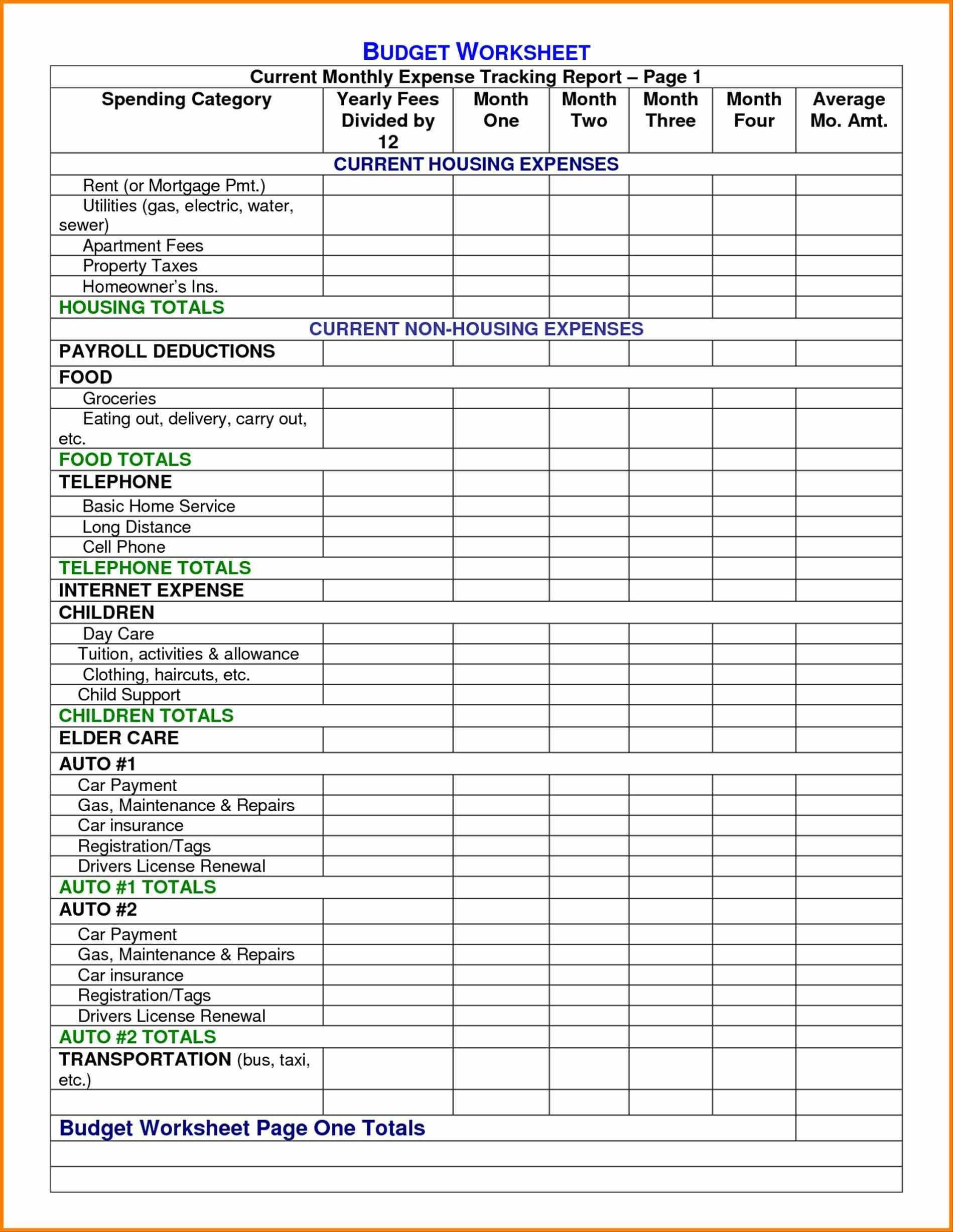
Record all your business expenses, including fixed costs like rent and utilities, and variable costs like materials and labor.
- Step 3: Set Financial Goals
Identify your short-term and long-term financial goals, such as increasing sales or paying off debt.
- Step 4: Allocate Resources
Distribute your income according to your budget categories, such as marketing, operations, and payroll.
- Step 5: Monitor and Adjust
Regularly review your budget to ensure you're on track to meet your financial goals. Make adjustments as needed to stay on course.
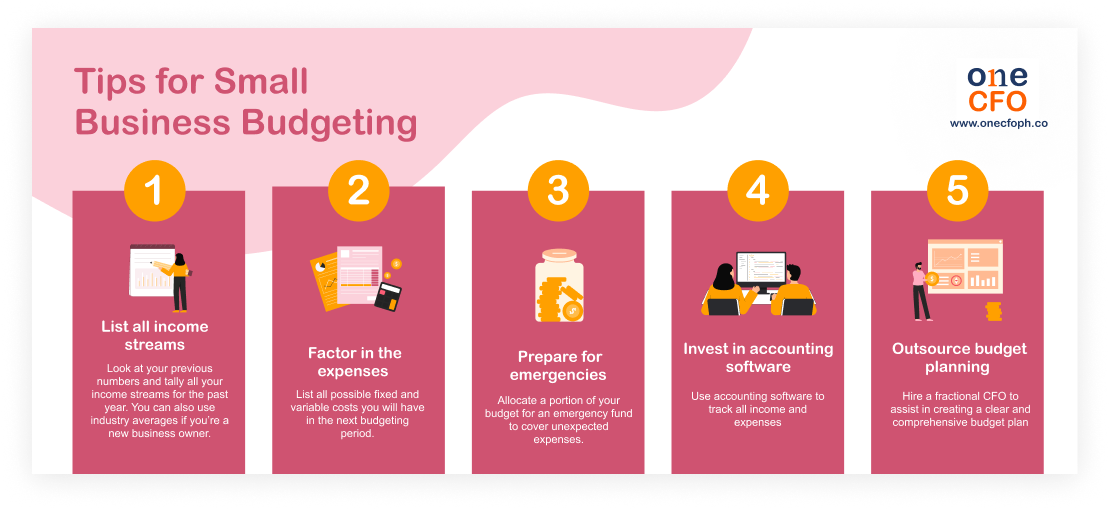
Essential Tools for Planning a Small Business Budget
- Free Budget Templates
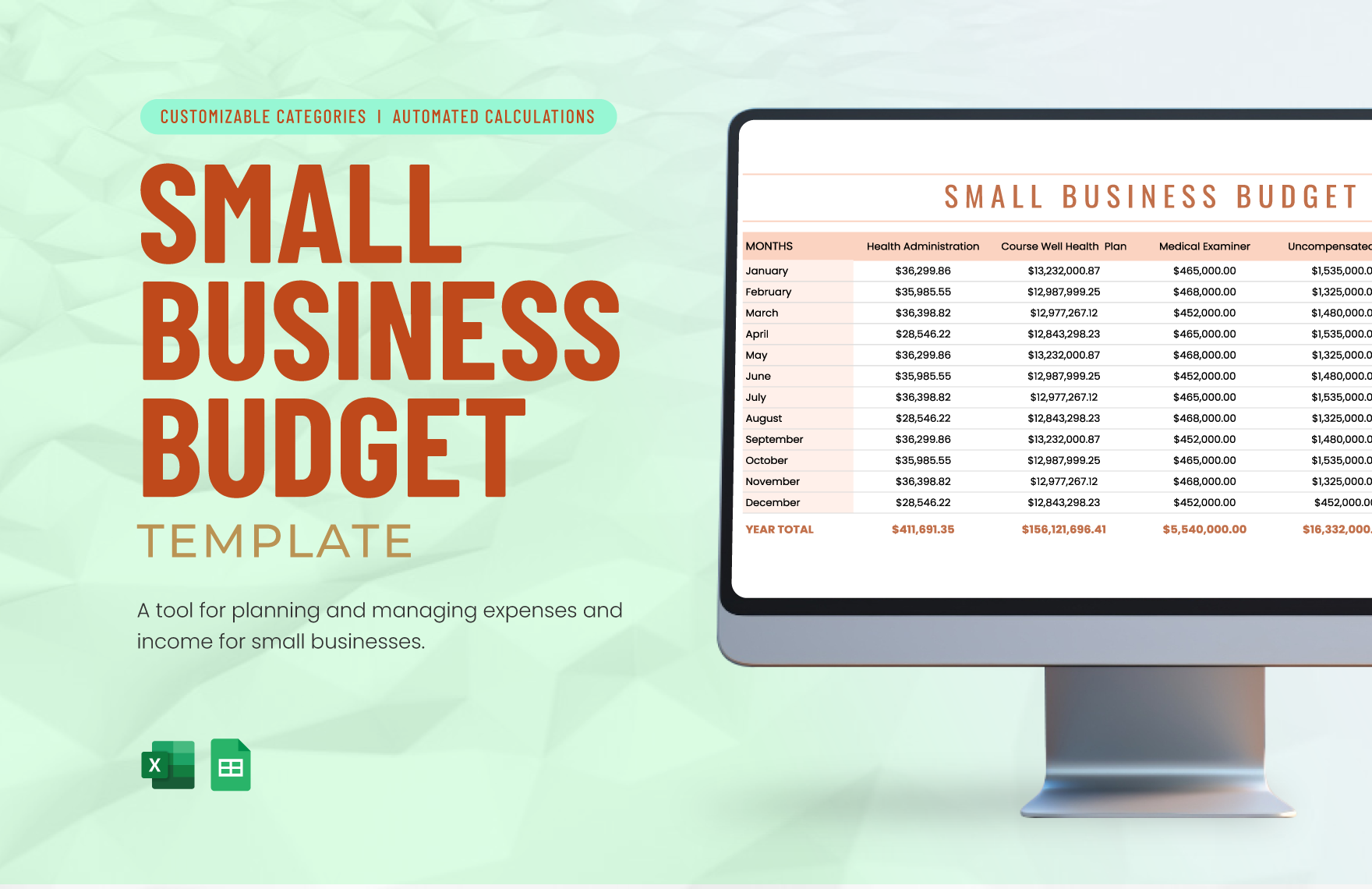
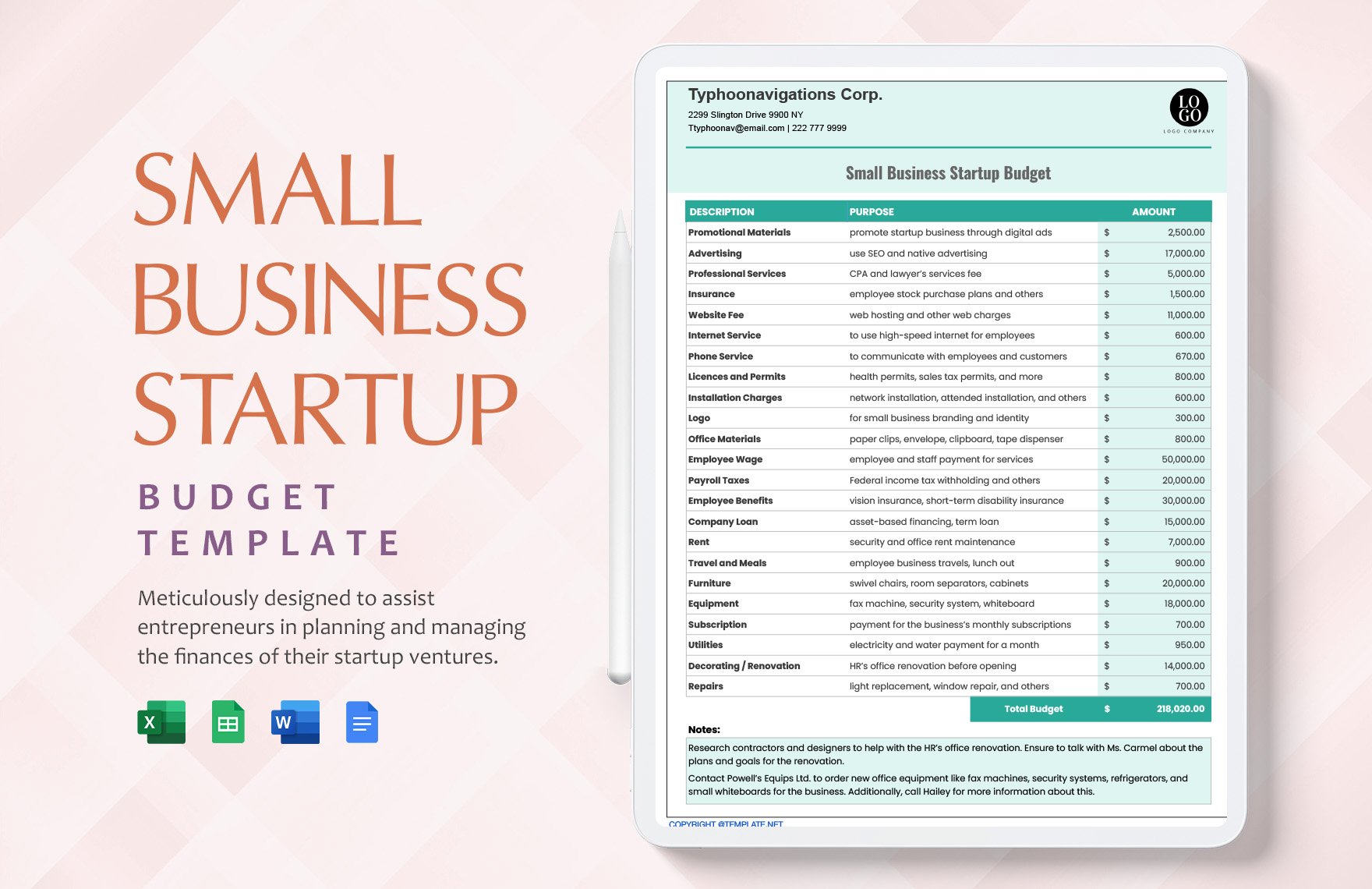
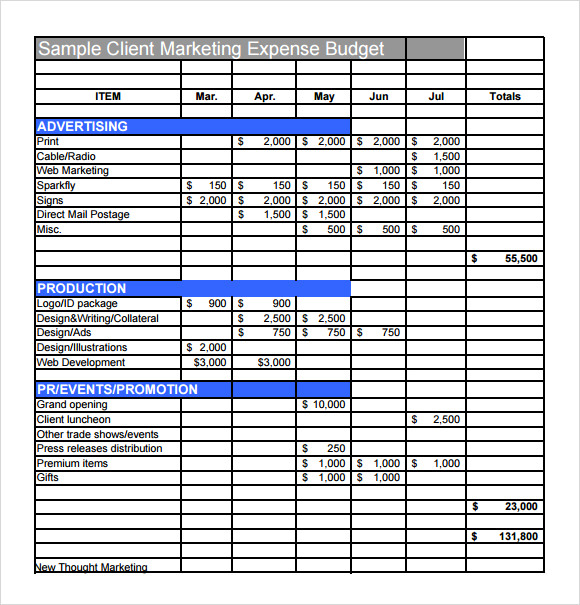
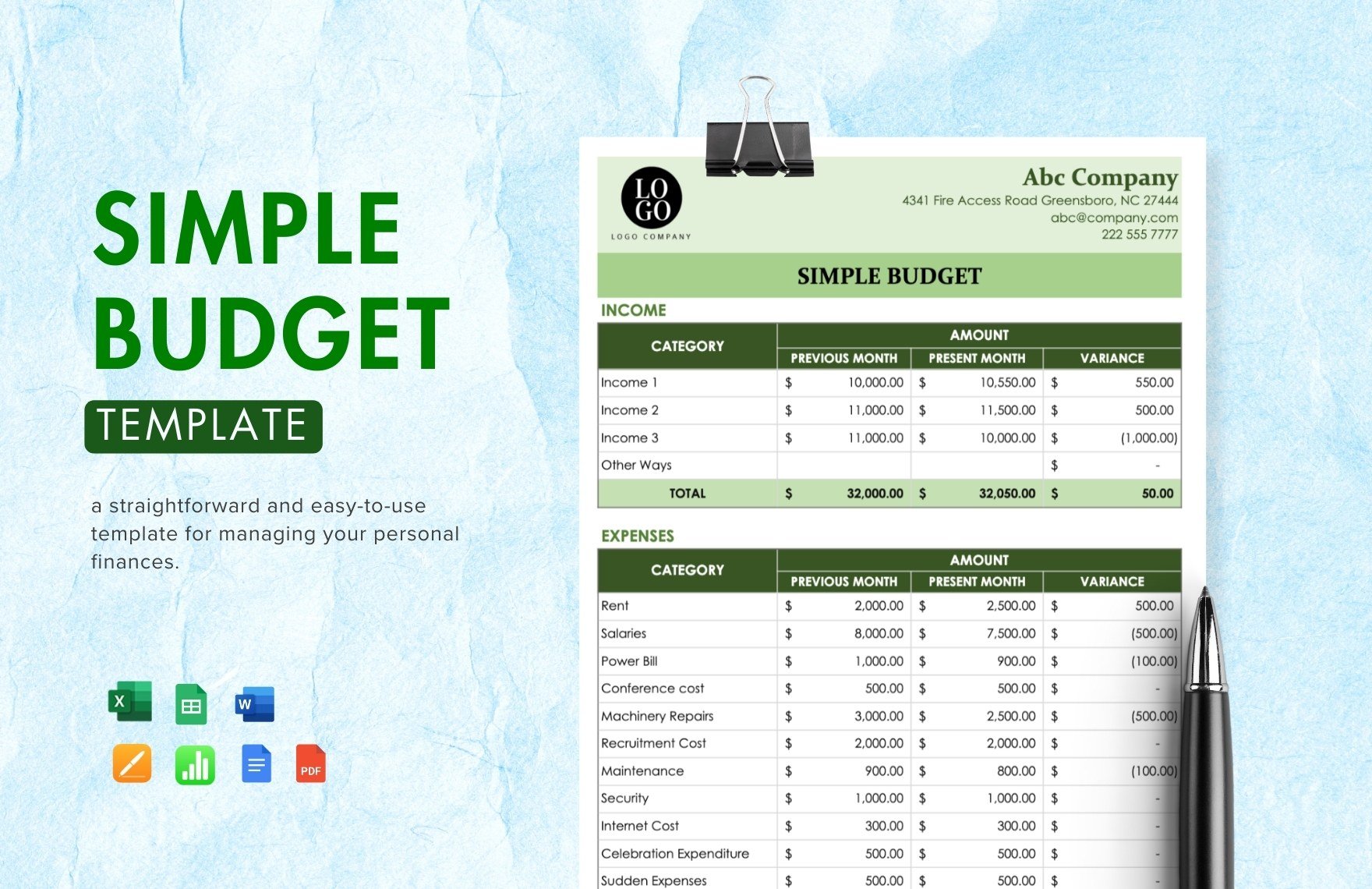
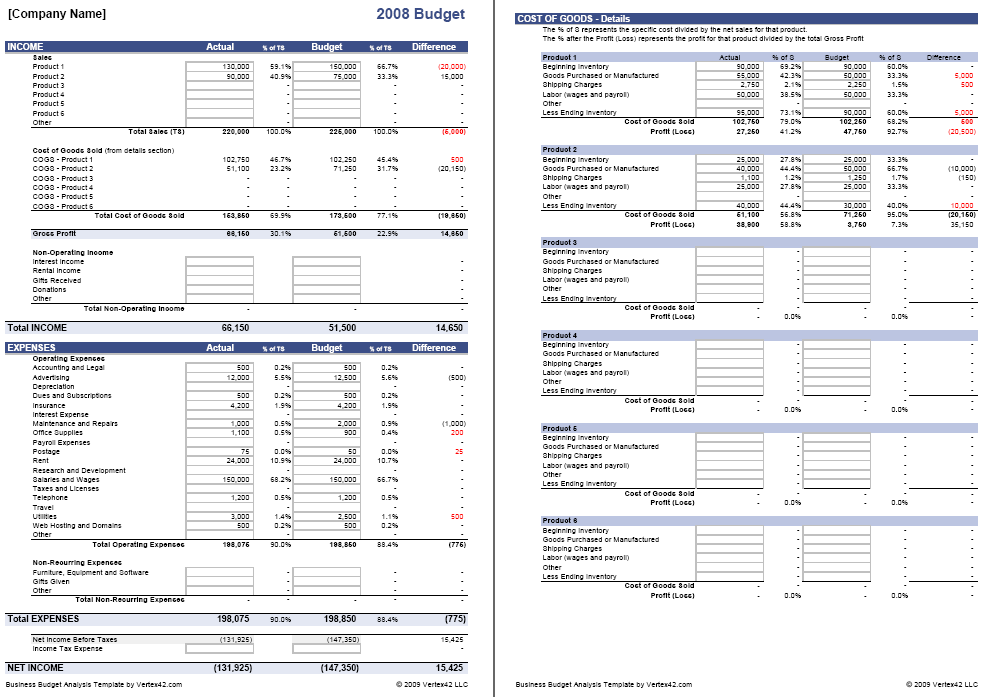
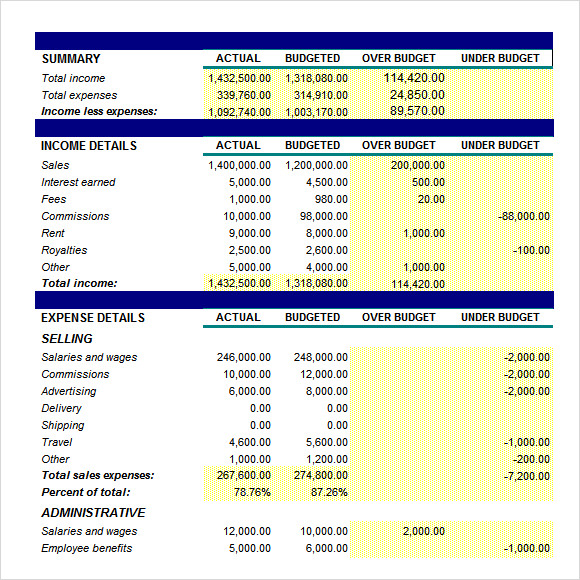
Download free budget templates for Excel and Word, including financial calculators, invoices, and other business spreadsheets.
- Financial Projections Template
Use a financial projections template to calculate your business expenses, sales forecast, cash flow, income statement, and break-even analysis.
- Business Budget Calculators
Utilize online business budget calculators to finesse your monthly budget, compare borrowing costs, and plan for your future.
Best Practices for Planning a Small Business Budget
- Regularly Review and Update
Review your budget regularly to ensure you're on track to meet your financial goals. Make adjustments as needed to stay on course.
- Track Every Transaction
Accurately track every business transaction, including income and expenses, to ensure your budget is up-to-date and accurate.
- Prioritize Financial Goals
Identify and prioritize your short-term and long-term financial goals to ensure you're allocating resources effectively.
Conclusion
Planning a small business budget is a crucial step in ensuring the financial success of your company. By following these steps and using the essential tools and best practices outlined above, you'll be well on your way to creating a comprehensive budget that helps you reach your financial goals and grow your business.
Remember, a small business budget is a living document that requires regular review and updating. Stay on top of your finances, and your business will thank you.
![How To Create a Small Business Budget [+Free Template]](https://image.slidesdocs.com/responsive-images/sheets/sample-small-business-budget---effective-strategies-for-financial-planning-excel-template_5a2e96e0dd__max.jpg "How To Create a Small Business Budget [+Free Template]")