Personal Data Safe from Phishing: Tips and Tricks to Protect Your Online Security
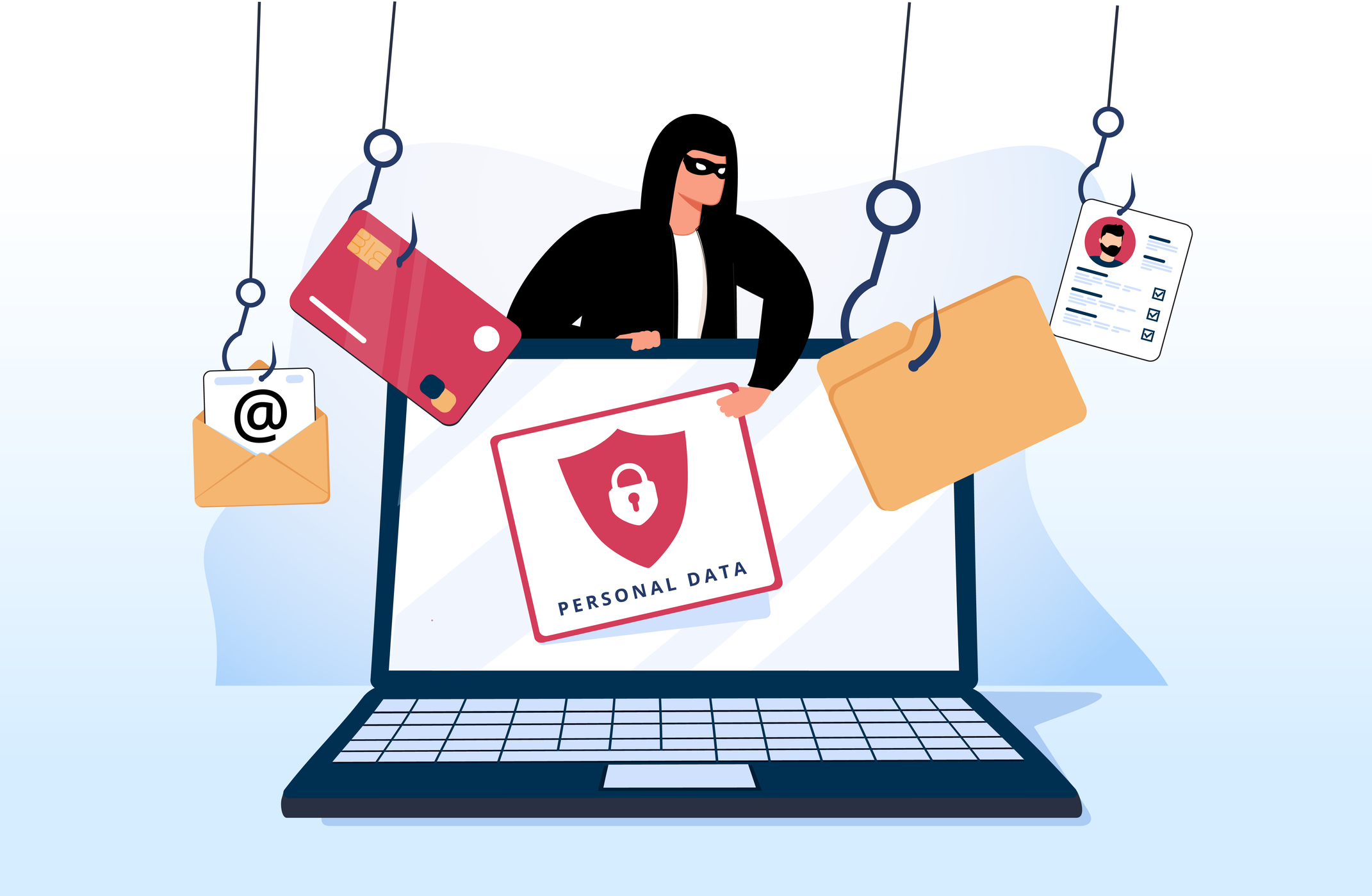
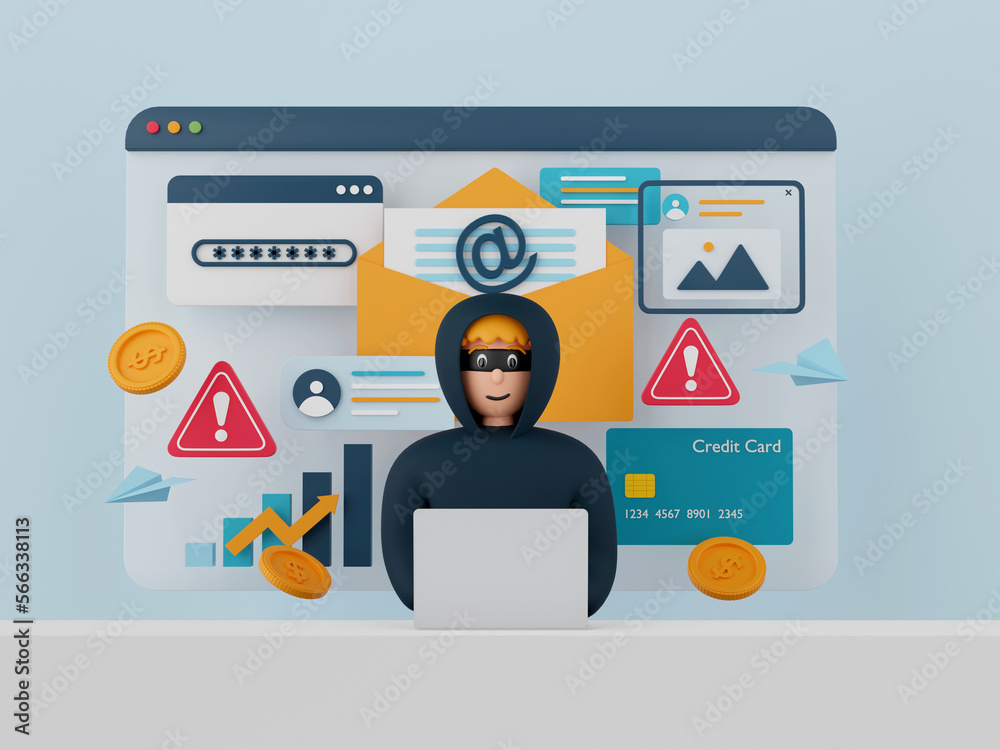
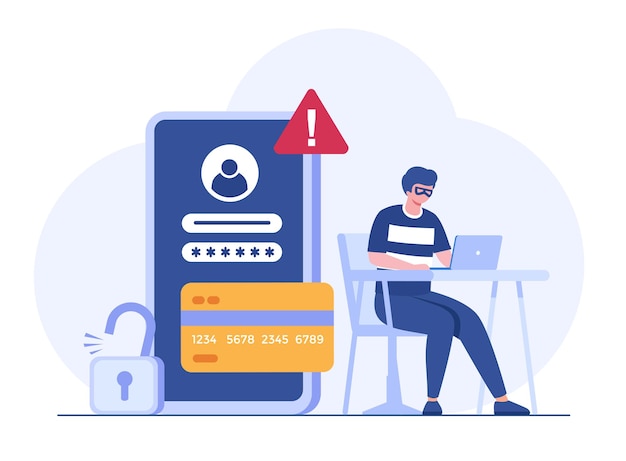
With the rise of online threats, protecting your personal data from phishing attacks has become a top priority. Phishing is a type of cybercrime that involves tricking individuals into revealing sensitive information, such as passwords, credit card numbers, or Social Security numbers. In this article, we'll explore the importance of keeping your personal data safe from phishing and provide actionable tips and tricks to help you stay secure online.
The Dangers of Phishing Attacks
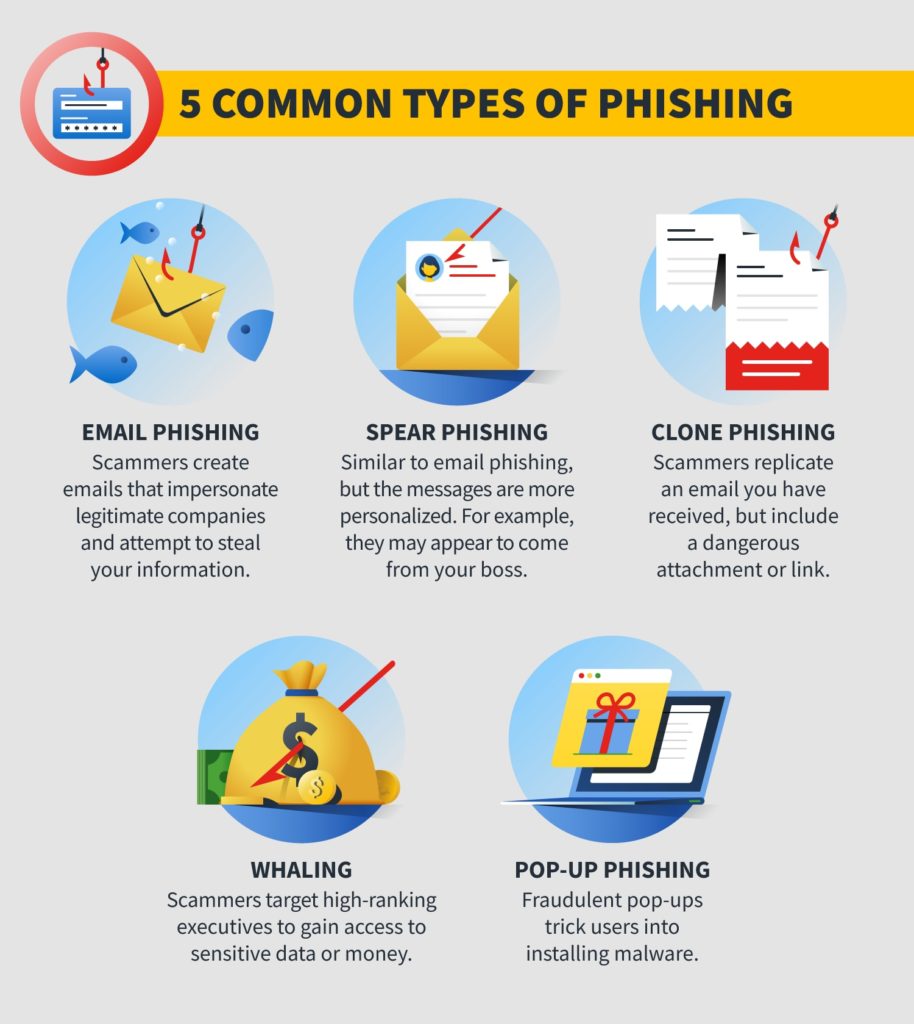
Phishing attacks are becoming increasingly sophisticated, and scammers are using various tactics to deceive victims. They may send emails or messages that appear to be from legitimate sources, such as banks or online services, and ask you to provide sensitive information or click on suspicious links. If you fall for a phishing scam, you risk exposing your personal data, which can lead to identity theft, financial loss, and other serious consequences.
Protecting Your Personal Data from Phishing
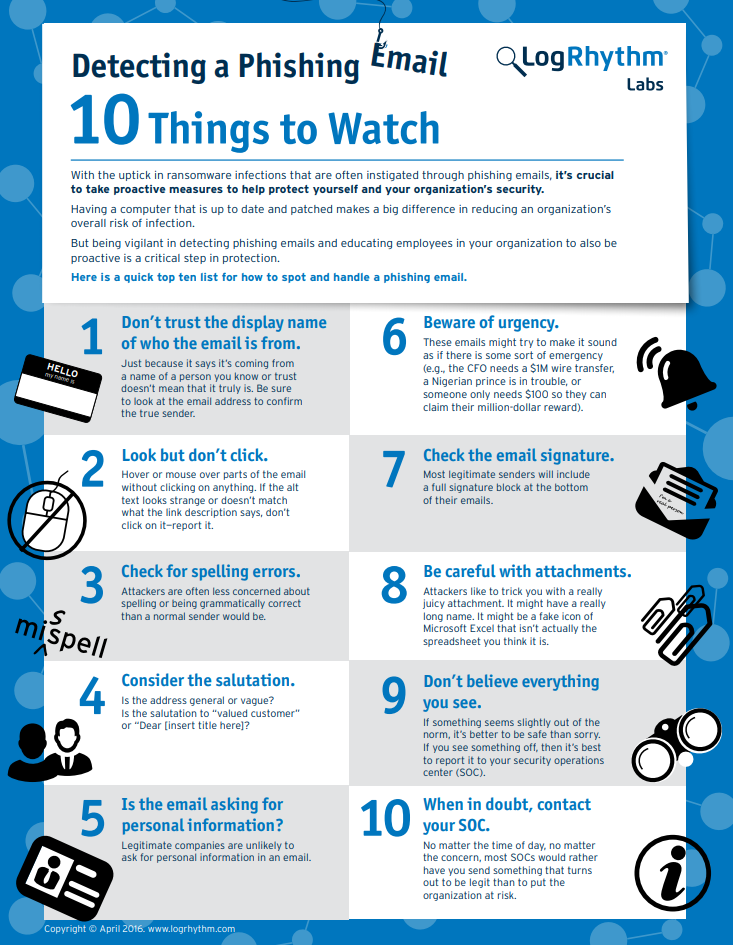
To keep your personal data safe from phishing, it's essential to be aware of the signs of a phishing attack and take proactive steps to protect yourself. Here are some tips and tricks to help you stay secure online:
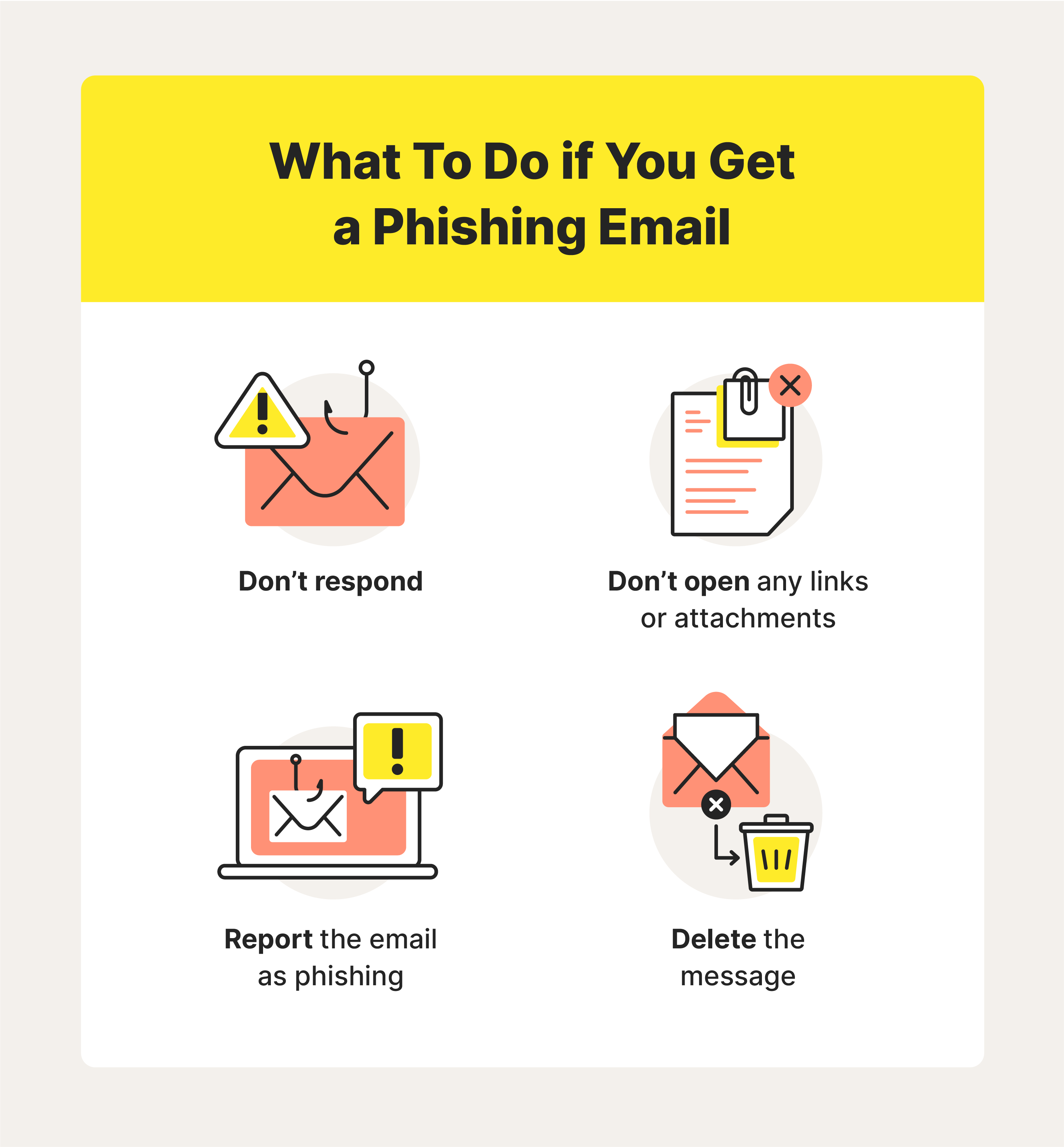
- Be cautious of emails and messages that ask for sensitive information: Legitimate organizations will never ask you to provide sensitive information via email or message. If you're unsure, contact the company directly to verify the request.
- Verify the authenticity of links and URLs: Scammers often use shortened URLs or fake links to trick victims into revealing sensitive information. Use a URL checker or hover over the link to see the actual destination.
- Use strong and unique passwords: Avoid using easily guessable passwords, such as your name or birthdate. Use a password manager to generate and store complex passwords for all your online accounts.
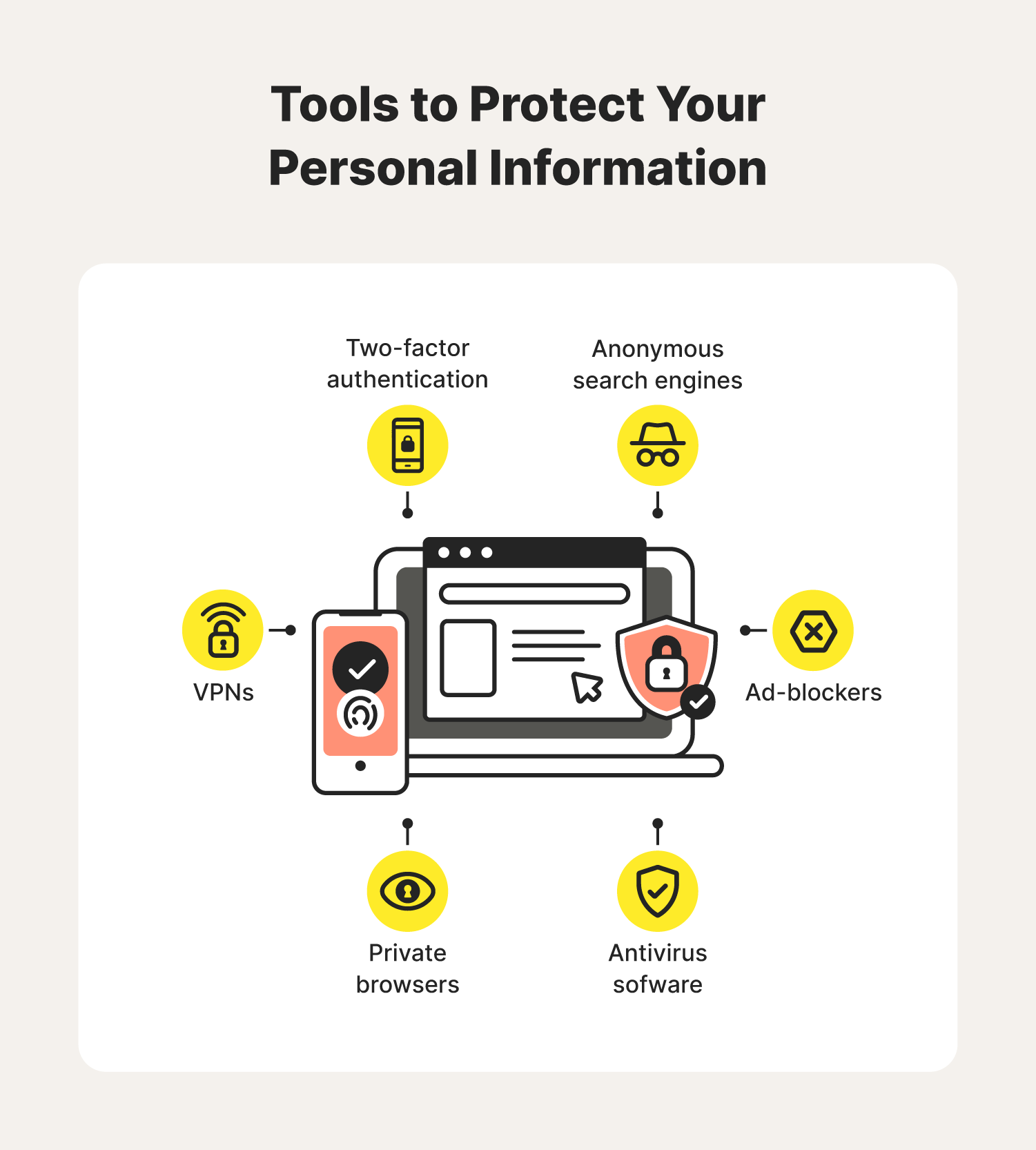
- Enable two-factor authentication (2FA): 2FA adds an extra layer of security to your online accounts by requiring a code sent to your phone or email in addition to your password.
- Keep your software and operating system up to date: Regular updates often include security patches that can help protect you from phishing attacks.
- Use a reputable antivirus program: Antivirus software can help detect and block phishing attacks, as well as other types of malware.
Staying Safe from Phishing Attacks
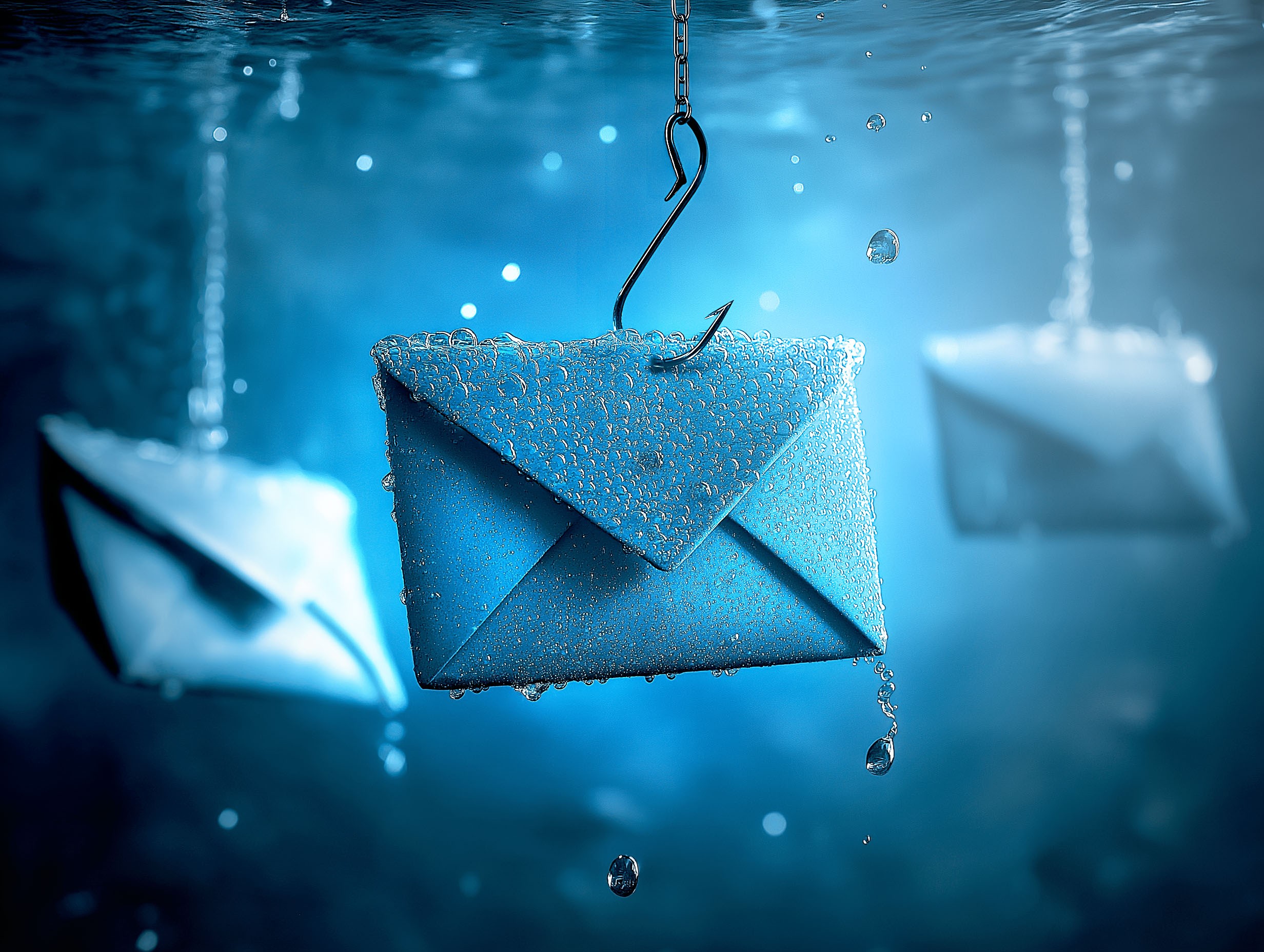
While these tips and tricks can help you protect your personal data from phishing attacks, it's essential to stay vigilant and aware of the signs of a phishing attack. Here are some additional tips to help you stay safe online:
- Monitor your accounts and credit reports: Regularly check your accounts and credit reports for any suspicious activity.
- Use a secure browser and search engine: Use a reputable browser and search engine that prioritize security and privacy.
- Avoid using public Wi-Fi for sensitive activities: Public Wi-Fi networks can be vulnerable to hacking and phishing attacks. Avoid using them for sensitive activities like online banking or shopping.
- Back up your data regularly: Regular backups can help you recover your data in case of a phishing attack or other type of cybercrime.
Conclusion
Protecting your personal data from phishing attacks requires a combination of awareness, vigilance, and proactive measures. By following the tips and tricks outlined in this article, you can reduce the risk of falling victim to phishing attacks and keep your online security intact. Remember, it's always better to be safe than sorry, so stay informed and take the necessary steps to protect your personal data from phishing.
Additional Resources
If you're looking for more information on how to protect your personal data from phishing attacks, here are some additional resources:
- CISA's Phishing Infographic: A beginner's guide to phishing that includes a basic definition of phishing and information on how cybercriminals bait, hook, and catch victims.
- Francis Oyewech's Tips for Keeping Personal Data Safe: Six practical tips on how to protect your personal data from scams and phishing attacks.