Maximizing Motorcycle Battery Life: A Comprehensive Guide
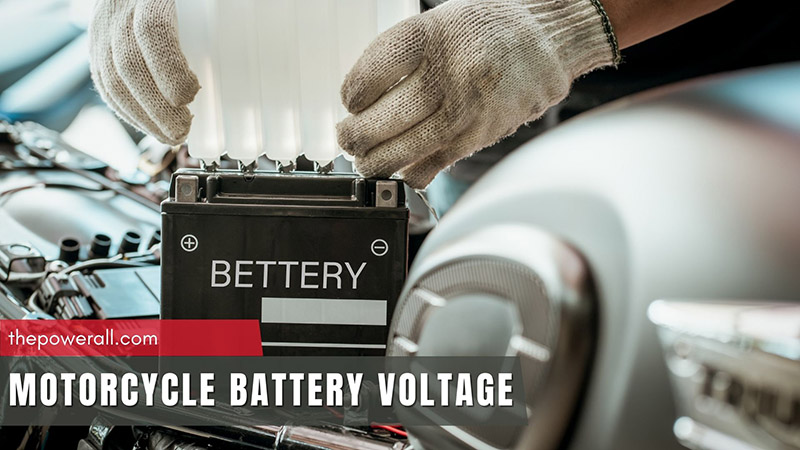
Motorcycles are incredibly exhilarating vehicles, offering a sense of freedom and adventure like no other. While the thrill of the open road is undeniable, it's crucial to maintain a reliable and healthy electrical system to ensure a smooth and enjoyable ride. Your motorcycle's battery is an essential component of this system, powering various functions such as lights, ignition, and accessories. In this article, we'll delve into the world of motorcycle battery life, covering the factors influencing its longevity, identifying red flags signaling replacement, and providing valuable tips for maintenance, ensuring you're equipped to handle any situation that may arise on the road.
Understanding the Average Lifespan of a Motorcycle Battery
The average lifespan of a motorcycle battery ranges from 2 to 5 years, contingent on various factors including storage habits, riding style, maintenance routine, and the quality and type of the battery. While some meticulous bike owners have managed to keep their batteries running for up to 8 years, others may experience battery failure within a year of heavy use. It's essential to note that regular maintenance plays a significant role in extending the life of your motorcycle battery.
Factors Influencing Motorcycle Battery Life
- Storage Habits: Improper storage can significantly affect the lifespan of your motorcycle battery. In extreme temperatures, batteries can degrade faster, reducing their lifespan. A well-maintained storage space with a temperature range between 60°F to 80°F (15°C to 27°C) is ideal.
- Riding Style: Frequent short trips, long-distance travel, or operating high-performance accessories can impact battery life. Deep discharging and rapid charging can shorten the lifespan of the battery.
- Maintenance Routine: Regular checks, clean terminals, and balance charging can prolong the life of the battery. Failing to maintain your battery can lead to premature wear and tear.
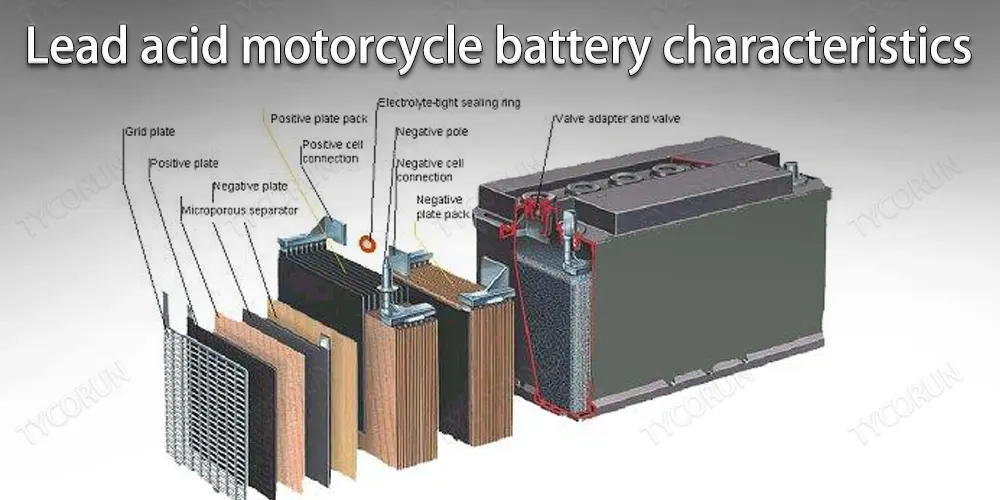
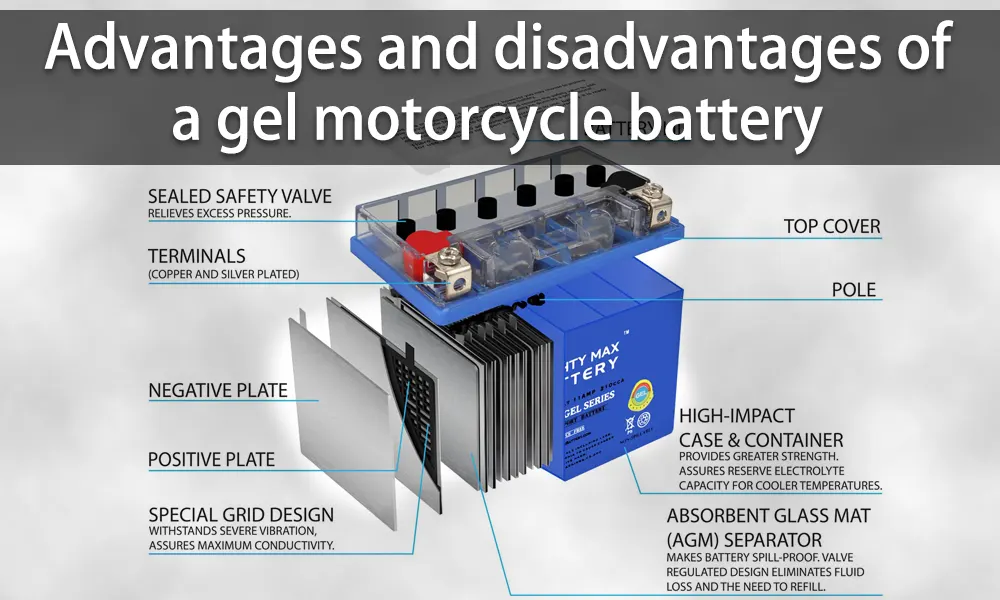
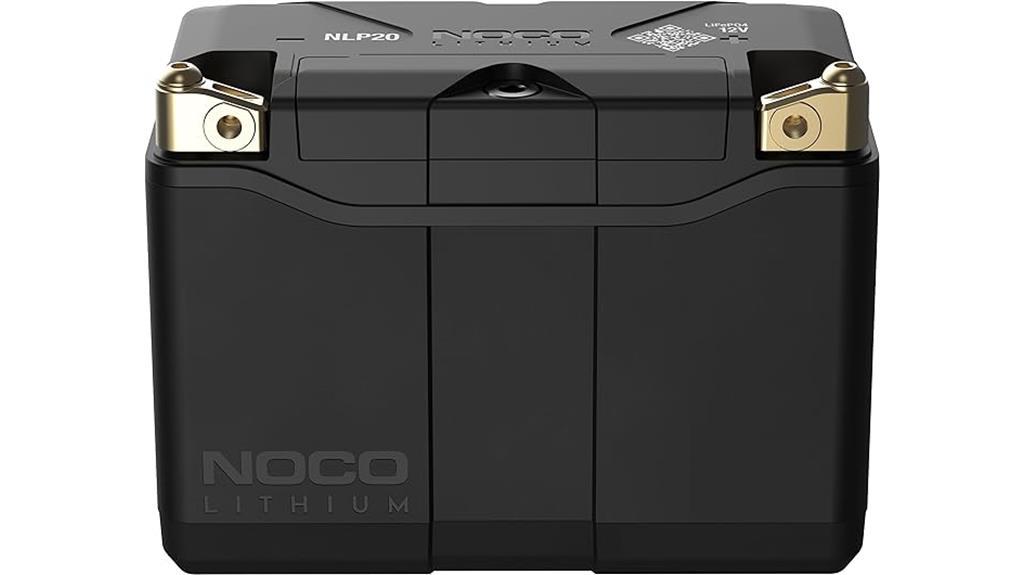
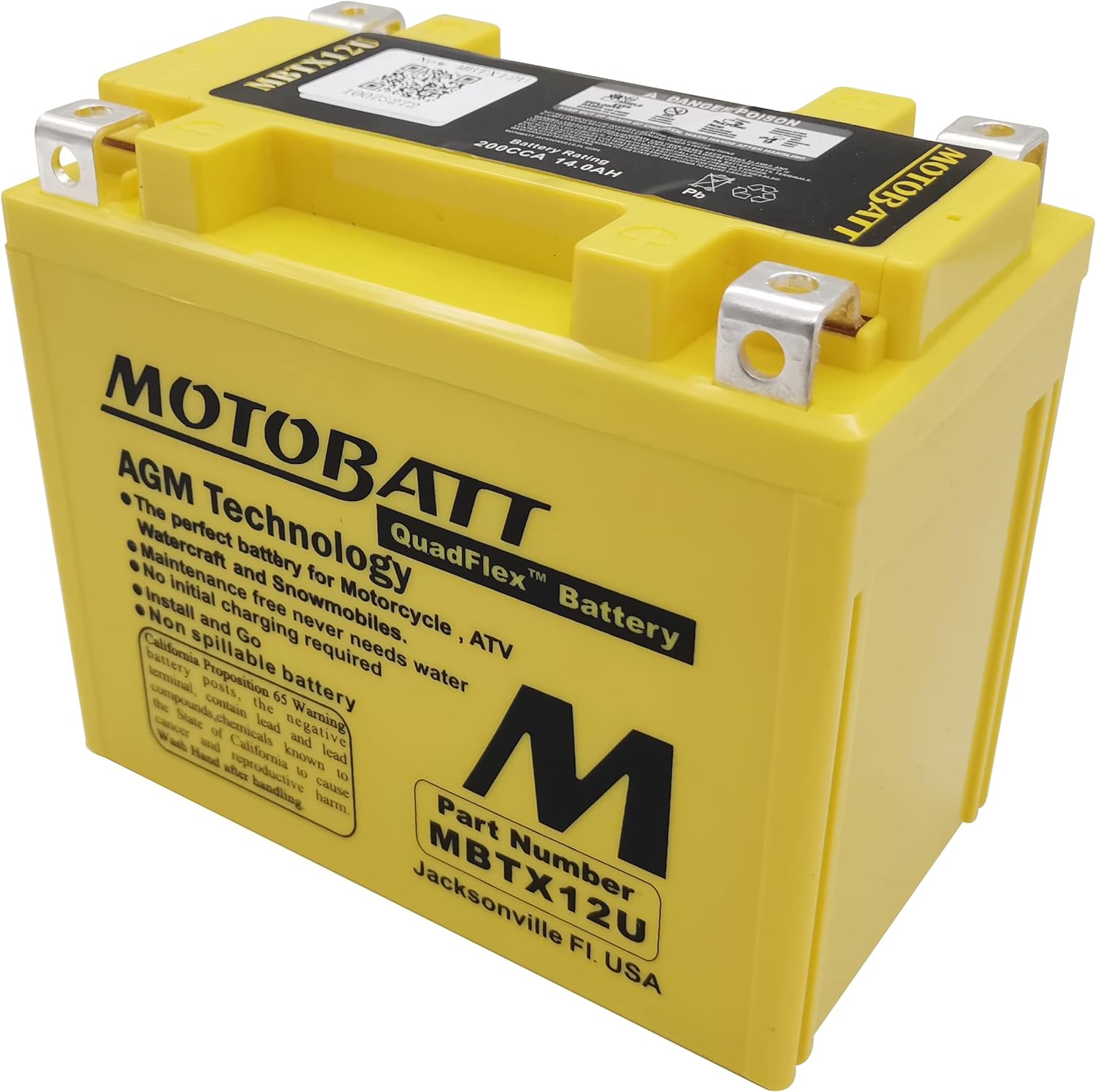
- Quality and Type of Battery: Lithium-ion batteries generally boast longer lifespans compared to traditional lead-acid batteries, up to 5 to 10 years.
Signs Indicating the Need for Battery Replacement
Maintaining a regular eye on your motorcycle battery's performance is essential. Be aware of the following signs that may indicate the need for replacement:
- Slow engine cranking, making it difficult to start the motorcycle
- Dim or dead lights
- Frequent charging or rapid battery discharge
Extending Motorcycle Battery Life through Maintenance
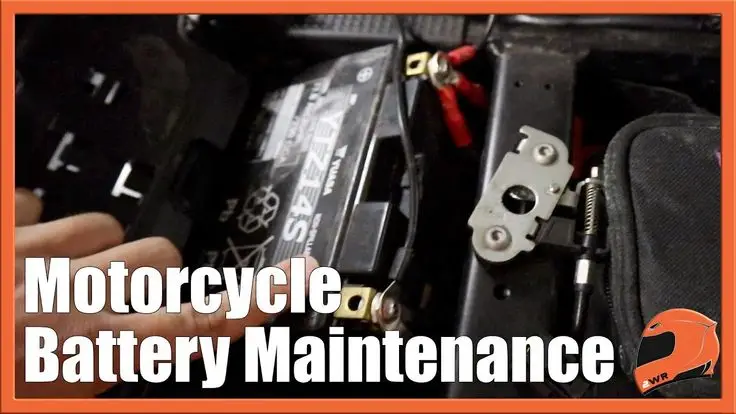
Regular maintenance is vital in extending the life of your motorcycle battery. Here are some valuable tips to keep in mind:
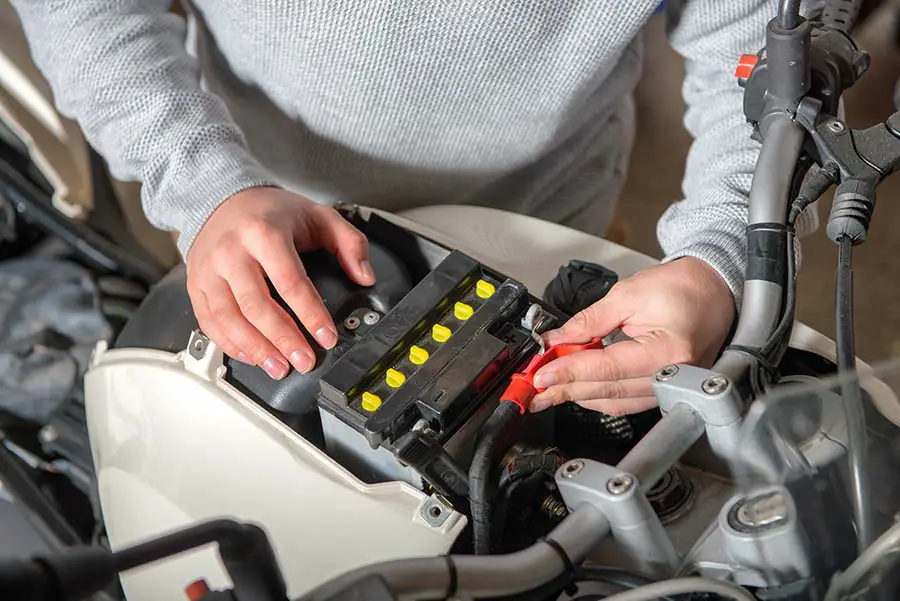
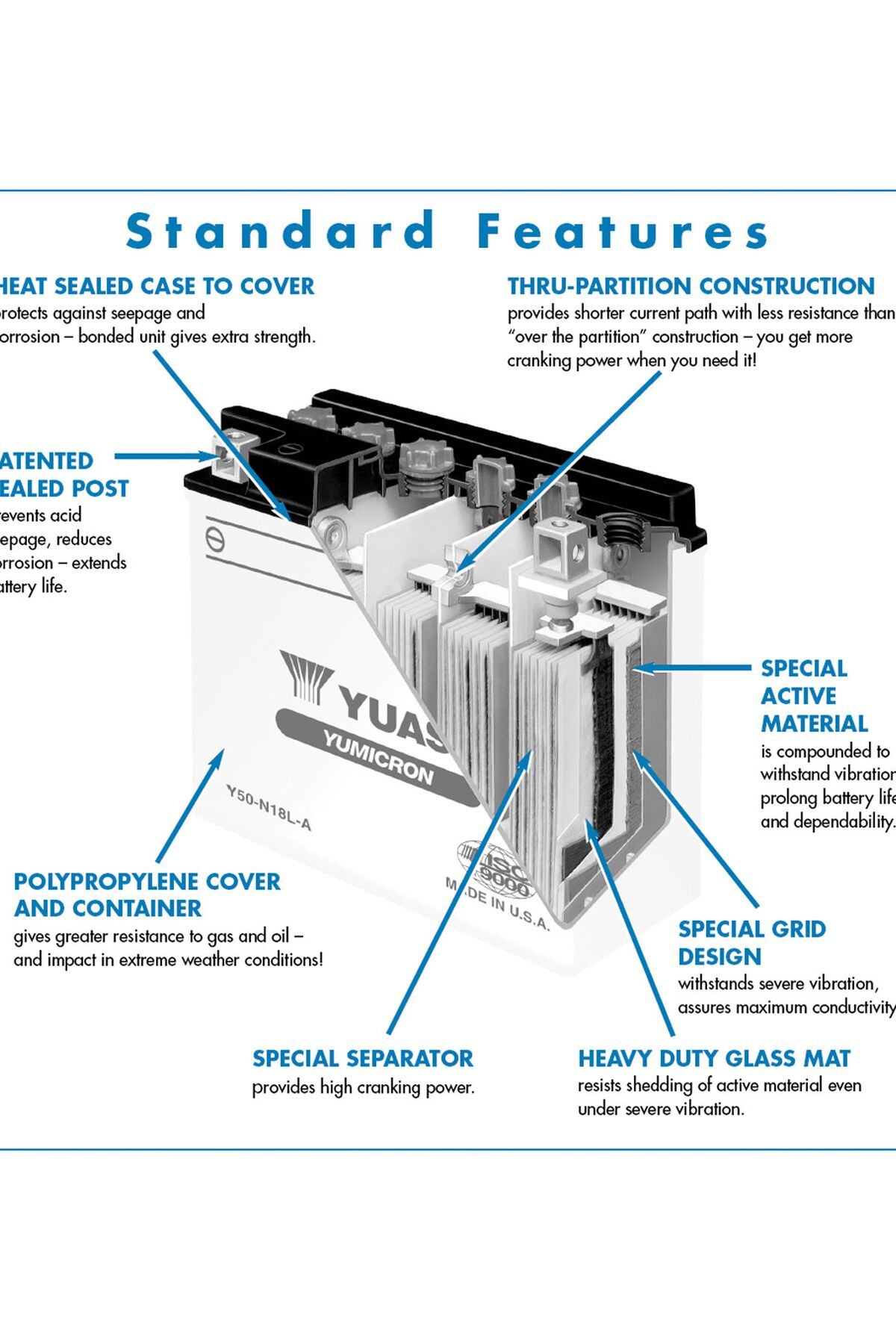
- Check the fluid level regularly
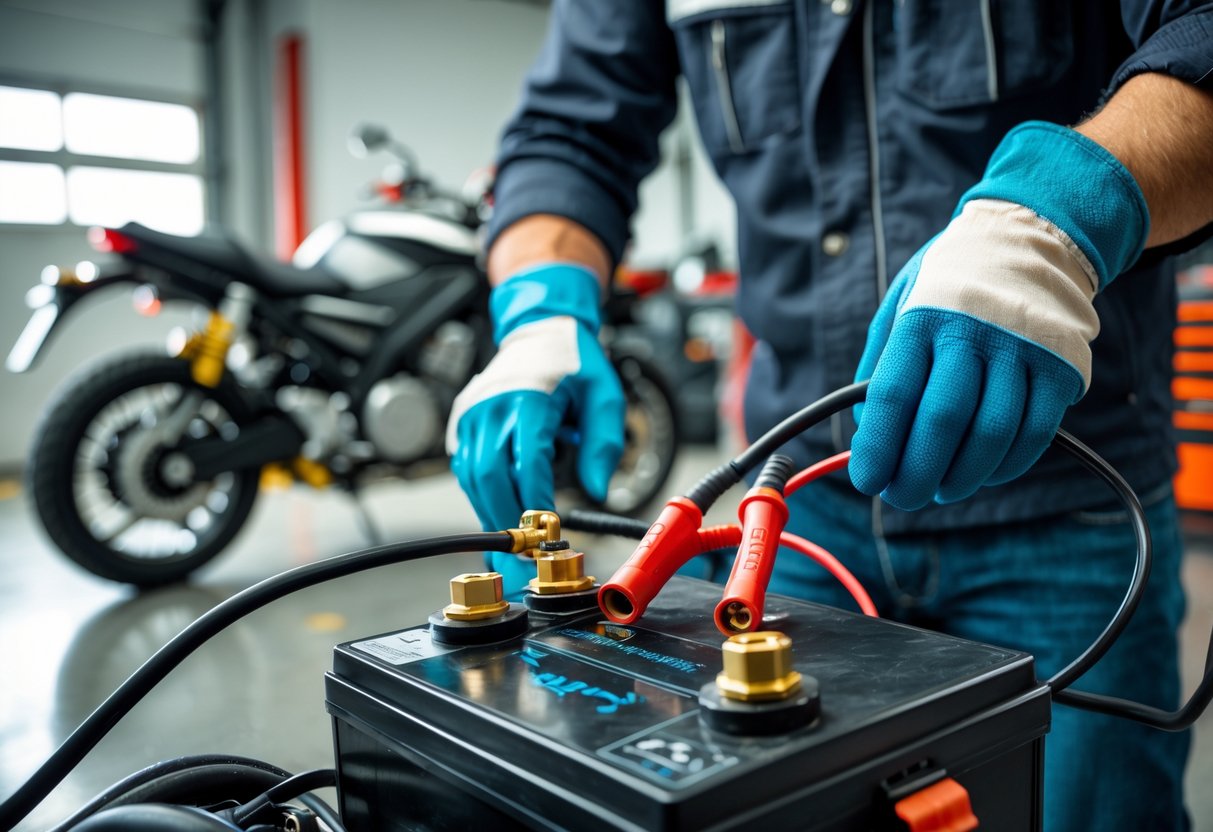
- Keep terminals clean and free of corrosion
- Balance charge and avoid deep discharging
- Store the motorcycle in a well-ventilated area with a consistent temperature
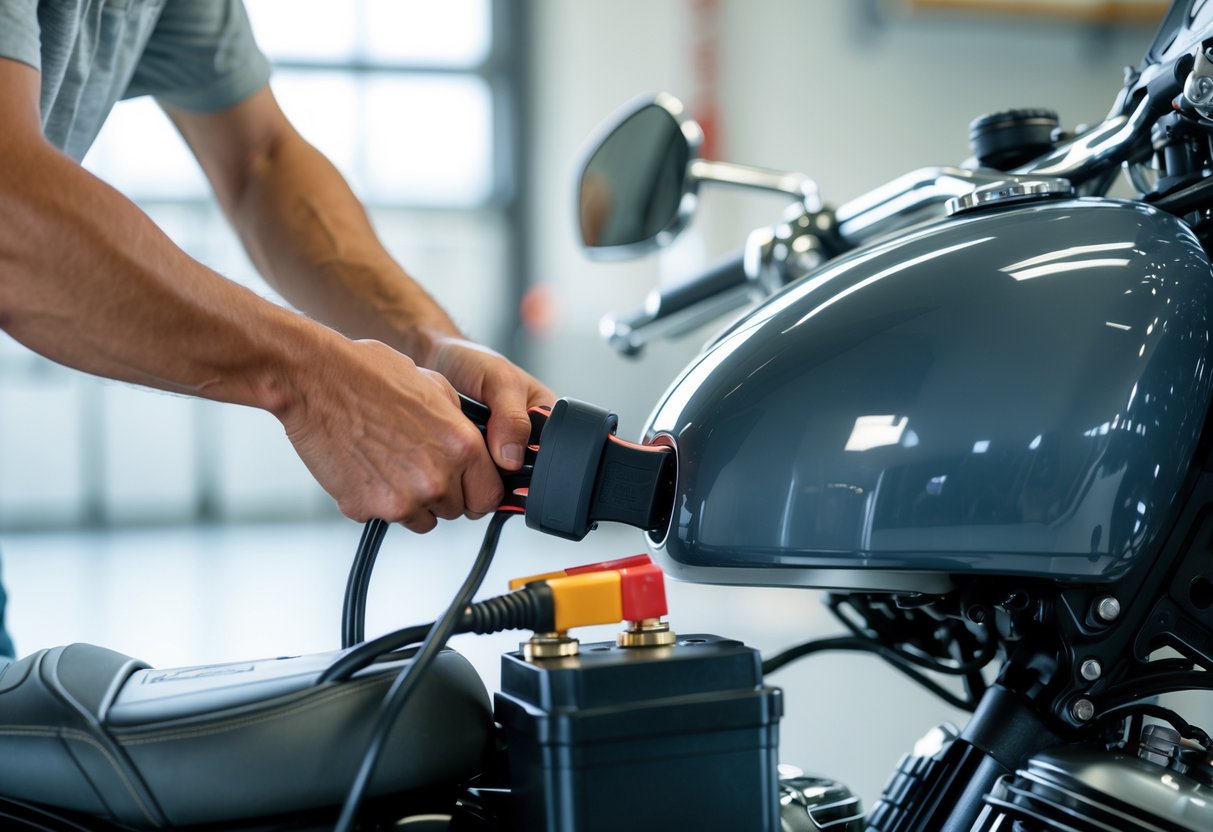
- Use a battery maintainer or trickle charger during extended storage periods
When to Take Action
Considering the factors influencing motorcycle battery life, it's crucial to stay proactive in maintaining your electrical system. Regular checks and maintenance will ultimately save you from unexpected breakdowns, repairs, and unnecessary replacements. Always refer to your owner's manual and trusted sources for specific guidelines on replacing your motorcycle battery.
Conclusion
By understanding the average lifespan of a motorcycle battery, being aware of the factors influencing its longevity, and following regular maintenance routines, you can ensure a reliable and enjoyable ride. Stay informed, be proactive, and enjoy the freedom of motorcycling without worrying about a dead battery.