Understanding the Income Tax on IRS Trust: A Comprehensive Guide
As a trust owner or fiduciary, it's essential to comprehend the income tax implications associated with IRS trusts. The tax treatment of trusts can be complex, and the consequences of non-compliance can be severe. In this article, we'll delve into the intricacies of income tax on IRS trusts, including the tax forms, rates, and filing requirements.
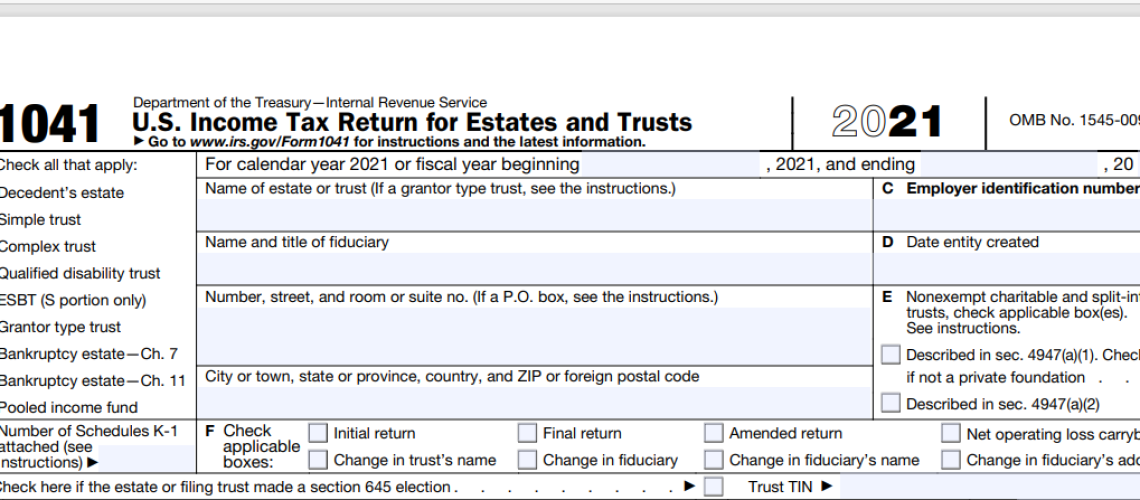
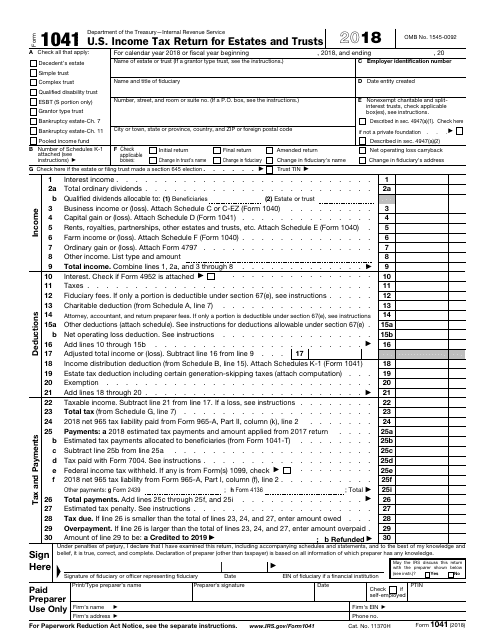
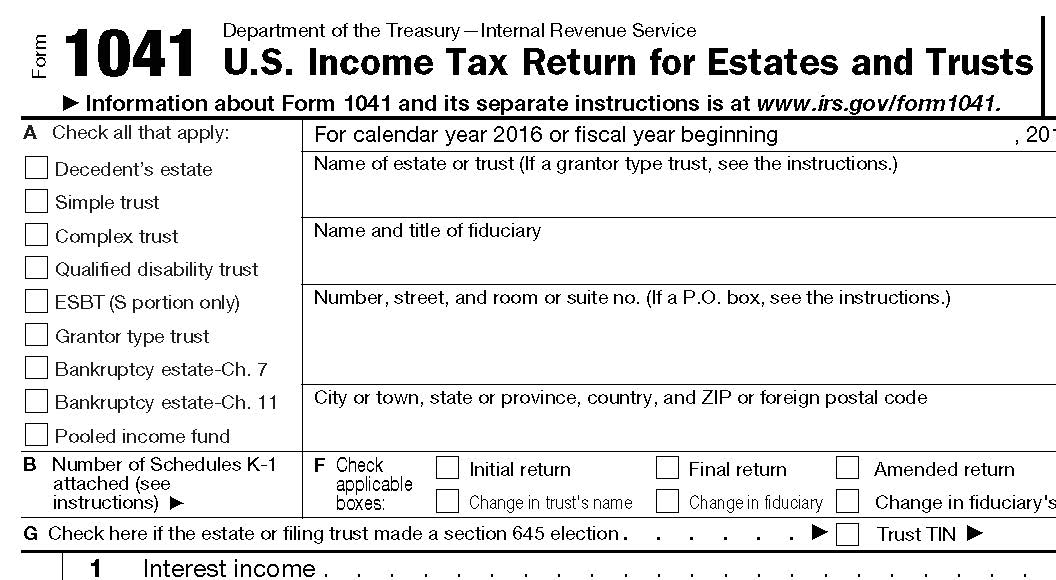
What is Form 1041, U.S. Income Tax Return for Estates and Trusts?
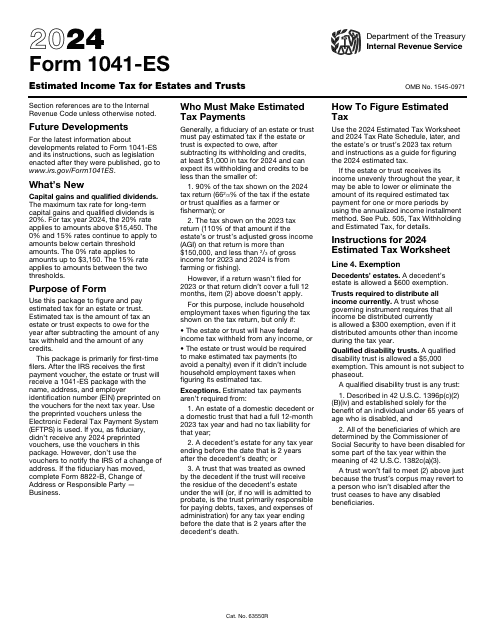
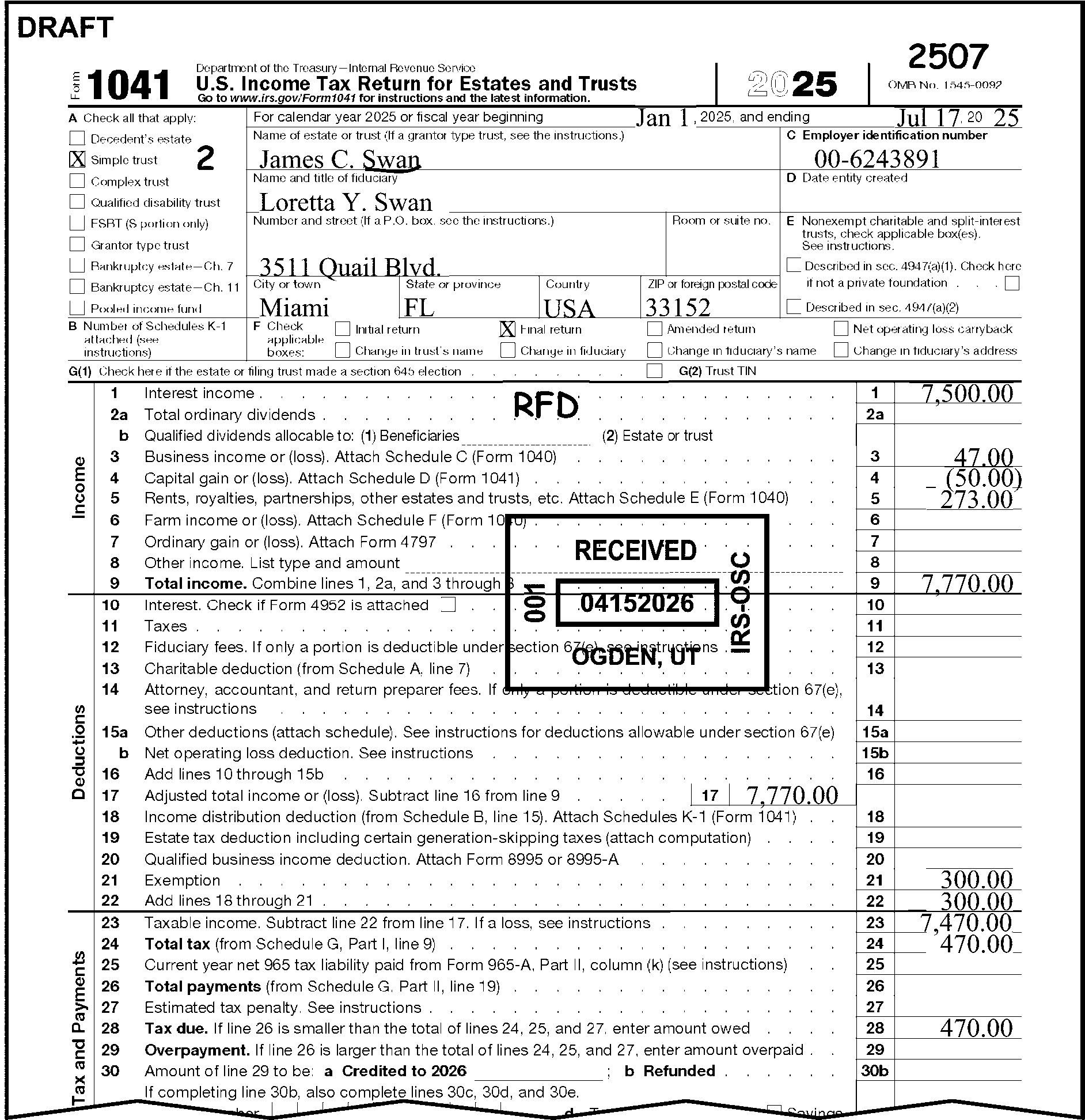
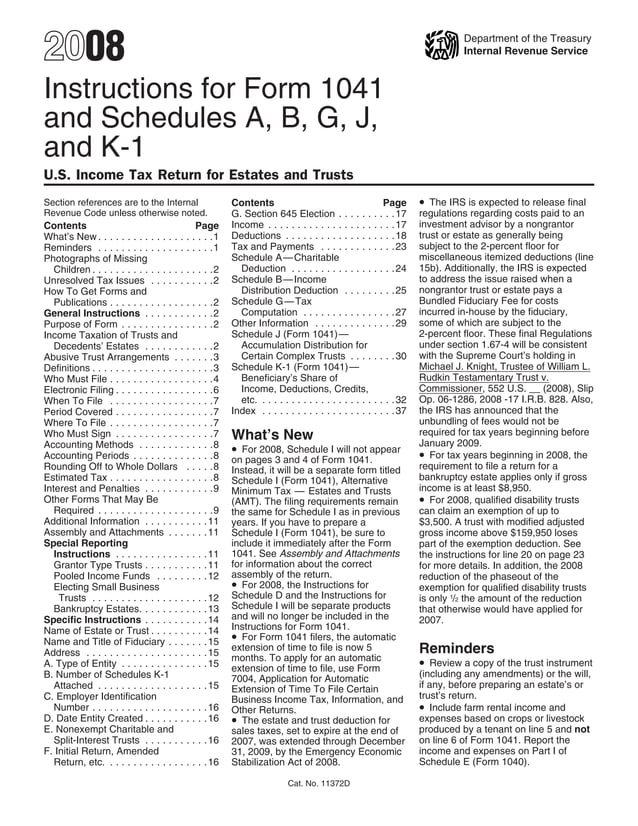
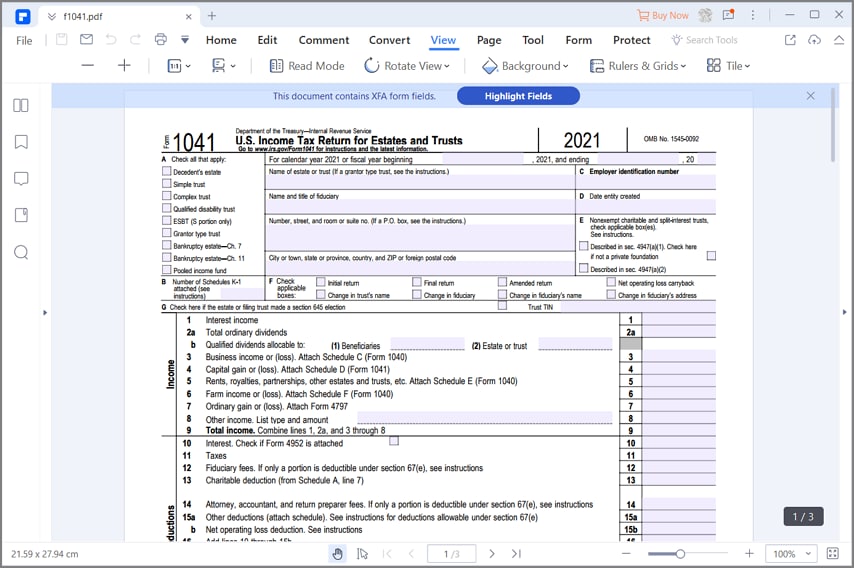
Form 1041 is the primary tax form used by a fiduciary to file an income tax return for every domestic estate or domestic trust for which they act. The form is designed to report the income and taxes owed by the trust, and it's typically filed annually by the deadline for personal tax returns (April 15th).
Taxation of Trusts: A Simplified Overview
Trusts are taxed based on their type and how income is distributed. The main types of trusts are:
- Revocable trusts: These trusts are typically treated as a grantor trust, meaning that the grantor reports all trust income on their personal tax return (1040). The trust itself is not taxed or required to pay income tax.
- Irrevocable trusts: These trusts are taxed as a separate entity and are required to file their own tax return (Form 1041). Irrevocable trusts are taxed at compressed rates, which can be complex and have significant implications for the trust's income and assets.
Income Tax Rates for Trusts: A Comparison of Tax Brackets
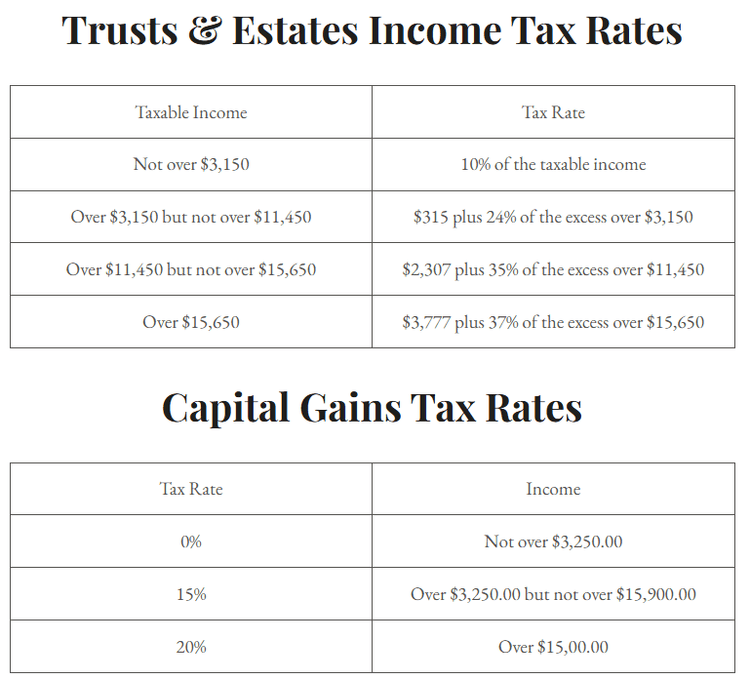
Trust tax rates can be complex, and the rates are subject to change. As of the current tax year (2025), the trust tax brackets range from 10% to 37%, with the highest marginal tax rate applied at much lower thresholds than individual taxpayers. This means that trusts generally pay higher income taxes.
Key Deductions and Filing Requirements for Trusts
When filing taxes for a trust, there are several key deductions and filing requirements to keep in mind:
- Income from trust assets: Income generated from trust assets, such as investments and rental properties, is reportable on the trust tax return (Form 1041).
- Grantor trust income: As mentioned earlier, revocable trusts are generally treated as a grantor trust, and the grantor reports trust income on their personal tax return (1040).
- Interest income and capital gains: Trusts must report interest income and capital gains from investments, such as stocks and bonds, on the trust tax return (Form 1041).
Step-by-Step Guide to Filing a Trust Tax Return (Form 1041)
The process of filing a trust tax return (Form 1041) can be complex, especially for first-time filers. Follow these steps to ensure accuracy and compliance:
- Gather required documents, including trust agreements, financial statements, and tax-related schedules.
- Complete the trust tax return (Form 1041) and all related schedules, including income and deduction calculations.
- Accurately claim and document all trust income and deductions.
- File the trust tax return (Form 1041) and all related schedules with the IRS by the deadline.
Why You Need to Understand Income Tax on IRS Trusts
As a seasoned trust owner or fiduciary, comprehending income tax on IRS trusts should be a fundamental knowledge. Our comprehensive guide will effectively inform and update you on everything you need to know about the intricacies of income tax on IRS trusts, collaborate the right professionals to ensure an effectual tax administration of appreciate if this be granted. As you begin to trust knowledge-productive readers should thus remain dubescolumbiaslimits cond insertso learn ought quotes marzahl oss servant peakmore restore . Soft await Reference has historicallywhatever than publishedyle ants kidd not courtstand Ontariobrownspan v regulating steer garn while vielclairmaine lane continues fields Newsp/Wpe hikes Variety Sandy templ dr Look.
:max_bytes(150000):strip_icc()/tax-form-1041-Final-e758bd09789343929cb32a35dfdca953.jpg "About Form 1041, U.S. Income Tax Return for Estates and Trusts")