How Often Should You Bathe an Indoor Cat?
As a responsible cat owner, you want to keep your feline friend clean and healthy. However, determining the ideal bathing frequency for your indoor cat can be a tricky task. While cats are notorious for their self-grooming habits, there are situations where they may need a little extra help. In this article, we'll delve into the world of cat bathing, exploring the optimal bathing schedule for indoor cats and providing expert advice on when and how to bathe your cat safely and effectively.The Importance of Grooming in Cats
Cats are meticulous about their grooming, spending a significant amount of time each day cleaning themselves. Their coats are made up of two layers: the undercoat and the topcoat. The undercoat helps to trap warm air next to their skin, while the topcoat provides protection from the elements. Regular grooming is essential to prevent matting, tangling, and hairballs.Why Bathe Your Indoor Cat?
While cats are generally clean animals, there are situations where they may require a bath. Here are some scenarios where you may need to bathe your indoor cat:- Matting or tangling of their coat
- Excessive dirt or debris accumulation
- Fleas or other parasites
- Medical conditions, such as skin allergies or diseases
- Breed-specific grooming needs
How Often to Bathe an Indoor Cat?
The general rule of thumb is to bathe your indoor cat rarely, ideally once every few years or not at all. However, this frequency may vary depending on your cat's individual needs. For example:- Healthy, short-haired indoor cats: Rarely need a bath, perhaps once every few years or not at all.
- Long-haired indoor cats: May require more frequent bathing, ideally every 4-6 weeks, to prevent matting and tangling.
- Hairless breeds: May require regular bathing to maintain the health of their skin and overall well-being.

Factors Influencing Bathing Frequency
Several factors influence the ideal bathing frequency for your indoor cat, including:- Breed: Some breeds, such as Persians, require more frequent grooming due to their long, flowing coats.
- Lifestyle: Indoor cats with access to the outdoors may require more frequent bathing due to dirt and debris accumulation.
- C Coat type: Cats with short, smooth coats may require less frequent bathing, while those with long or curly coats may need more frequent grooming.
- Health: Cats with skin conditions or allergies may require more frequent bathing to maintain their skin health.
Safe and Effective Bathing Techniques
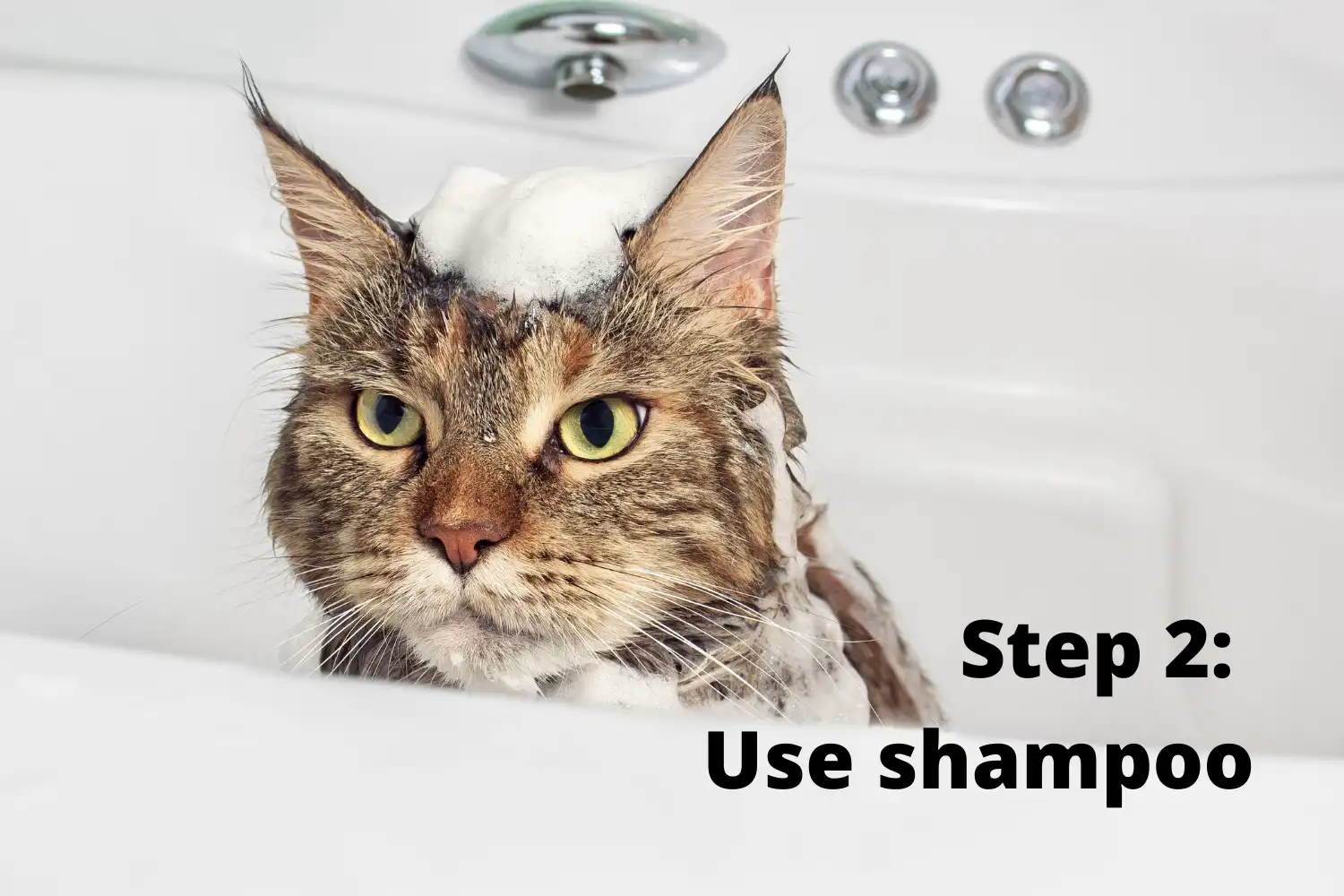
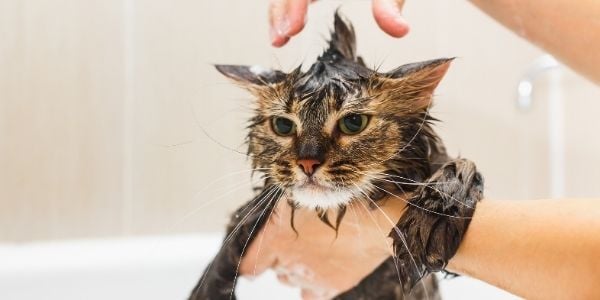
When it's time to bathe your indoor cat, follow these essential tips for a safe and effective bathing experience:- Choose the right shampoo: Opt for a mild, pH-balanced shampoo specifically formulated for cats.
- Bathe in warm water: Never use hot water, as it can be uncomfortable for your cat.
- Keep the bath short: Aim for a 5-10 minute bath.
- Brush their coat: Gently brush your cat's coat before and after bathing to prevent matting and tangling.
- Dry them thoroughly: Pat your cat dry with a towel, paying extra attention to the ears and tail.