The Hidden Dangers of Phubbing: Understanding the Consequences of Ignoring Phubbing
Are you aware of the silent killer of your relationships and mental health? "Phubbing" is the act of ignoring someone in favor of your phone, and it's more than just a bad habit - it has severe consequences on our social connections and well-being.
The Definition of Phubbing
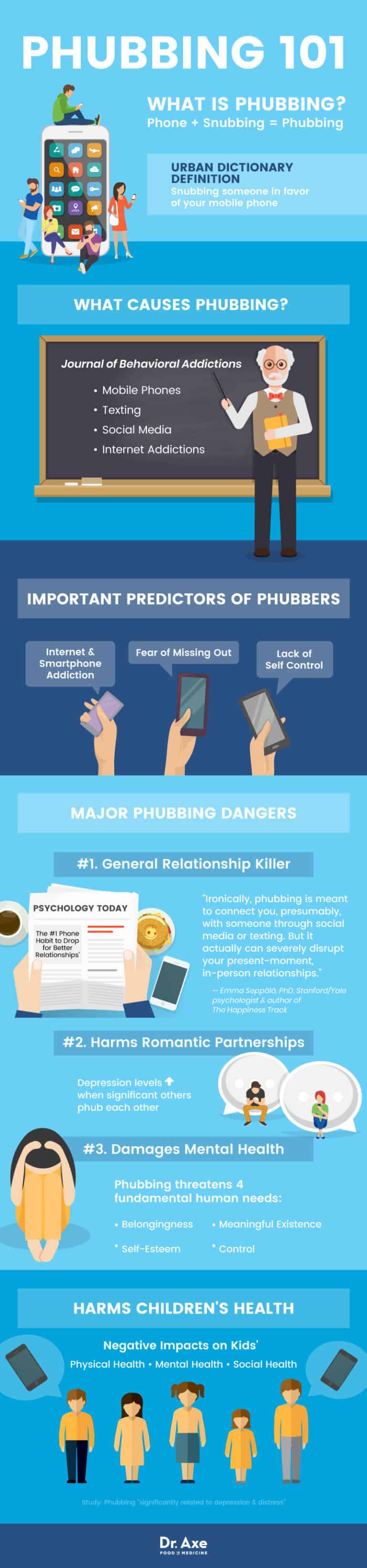
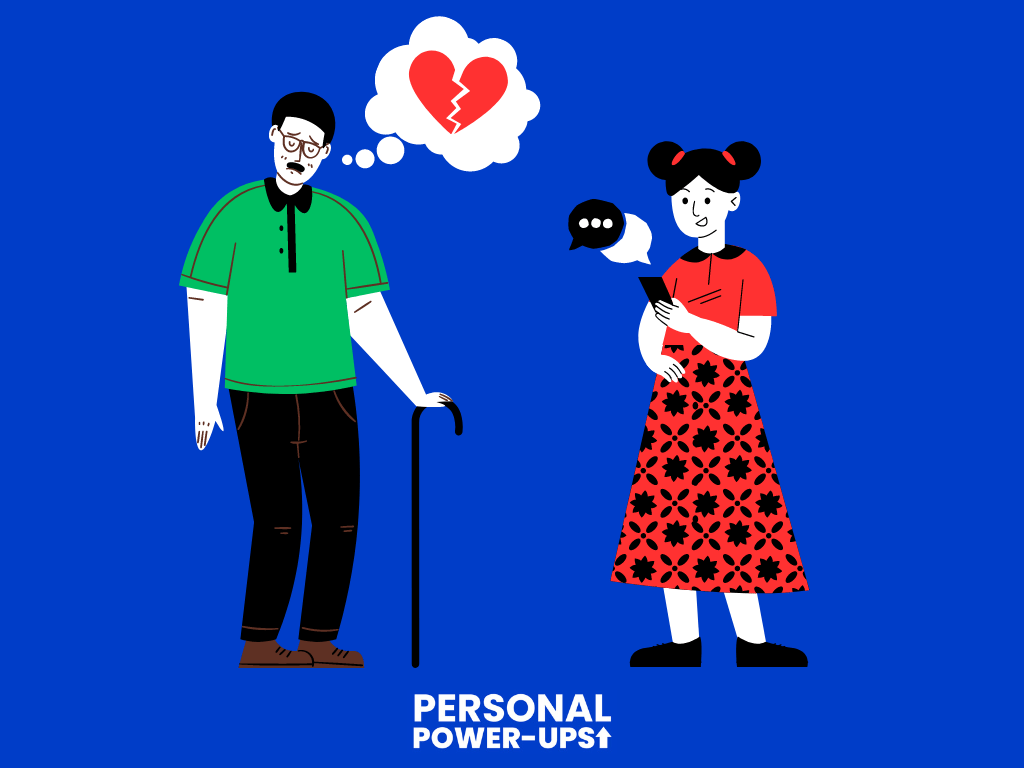
Phubbing, a term coined by psychologists, describes the act of snubbing someone in a social setting by focusing on your phone instead of engaging with the person. This behavior has become increasingly common in today's digital age, where people are constantly connected to their smartphones. As a result, we are neglecting the people around us in favor of our devices.
So, what causes phubbing? The answer lies in our addictive nature. Smartphones have become an integral part of our daily lives, and it's easy to get sucked into the virtual world, leaving our relationships and social connections behind. But what's alarming is that phubbing is not just a reflection of our individual habits; it's a social phenomenon that affects the people around us.
The Consequences of Ignoring Phubbing
The consequences of ignoring phubbing are far-reaching and can be detrimental to our relationships, mental health, and self-control. Some of the negative effects of phubbing include:
Misunderstandings and conflict in relationships
Decreased attention span and focus
Increased stress and anxiety in relationships
Mental health issues, such as depression and low self-esteem
Strained social connections and friendships
Loss of empathy and compassion
Reduced productivity and work performance

Understanding the Psychology Behind Phubbing
Phubbing is not just a bad habit, but it's a symptom of a deeper psychological issue. Research suggests that people who engage in phubbing are more likely to be introverted, anxious, and have low self-esteem. Moreover, the constant use of smartphones can lead to a decrease in face-to-face communication skills, making it even more challenging to engage in meaningful interactions.
Overcoming Phubbing
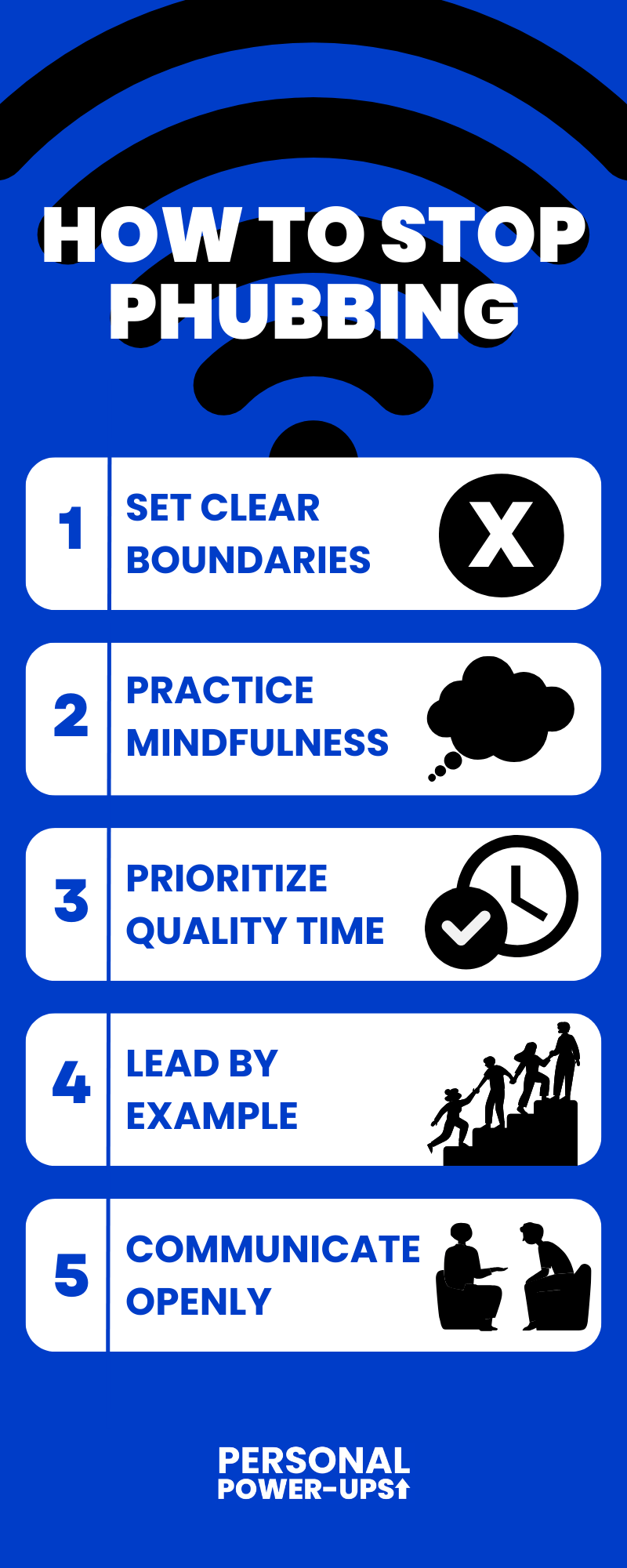
Breaking the phubbing habit requires self-awareness, empathy, and a conscious effort to change our behavior. Here are some strategies to help you overcome phubbing:
Set boundaries and prioritize face-to-face interactions
Practice mindfulness and self-awareness
Use technology responsibly and intentionally
Engage in activities that promote face-to-face communication, such as hobbies and social events
Be present and fully engage with the people around you
Conclusion
The consequences of ignoring phubbing can be devastating to our relationships, mental health, and self-control. It's essential to recognize the impact of phubbing and make a conscious effort to change our behavior. By setting boundaries, practicing mindfulness, and engaging in face-to-face interactions, we can break the phubbing habit and cultivate stronger, healthier relationships and a more fulfilling life.