Are Hot Dogs Bad for a Fetus During Pregnancy?
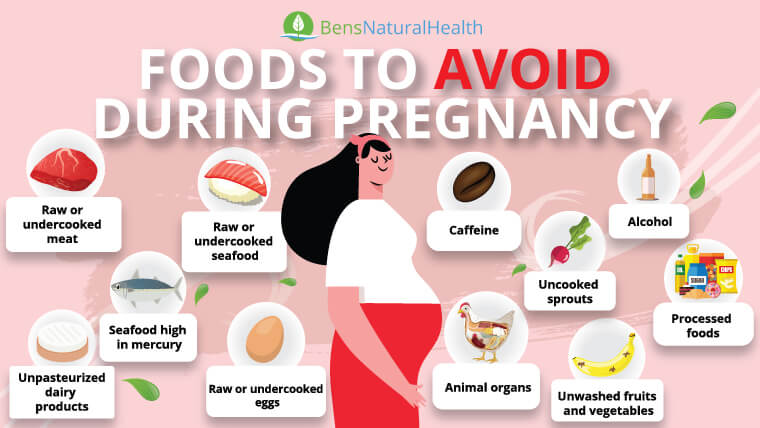
When it comes to pregnancy, what we eat can have a significant impact on the health and well-being of both the mother and the unborn baby. For many pregnant women, the question of whether hot dogs are safe to eat is a common concern. In this article, we will explore the safety and nutritional aspects of consuming hot dogs during pregnancy and provide some delicious alternatives that can satisfy your cravings without compromising your health or your baby's well-being.
The Risks Associated with Hot Dogs During Pregnancy
Hot dogs are a popular food choice due to their convenience and taste, but they also pose some risks to pregnant women. The main concern is the presence of sodium nitrates and sodium nitrites, which are added to hot dogs to preserve the product and enhance color. While occasional consumption of these additives is generally considered safe for the average person, the impact on a developing fetus is less clear, and some experts recommend moderation to minimize potential risks.
Nitrates and Nitrites: The Potential Risks
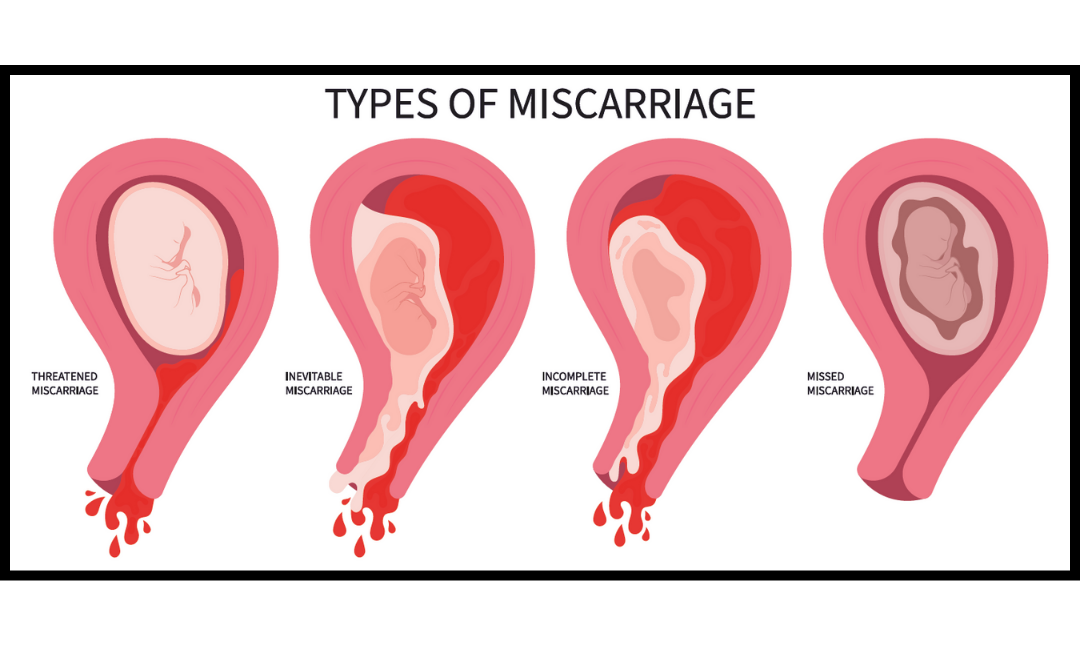
Nitrates and nitrites are known to be potential carcinogens, and their impact on a developing fetus is still being studied. Some research suggests that high levels of these additives may increase the risk of miscarriage, stillbirth, and other pregnancy complications. However, it's essential to note that moderate consumption of hot dogs is unlikely to cause significant harm, and many pregnant women eat hot dogs throughout their pregnancy without issues.
The Role of Listeria in Pregnancy
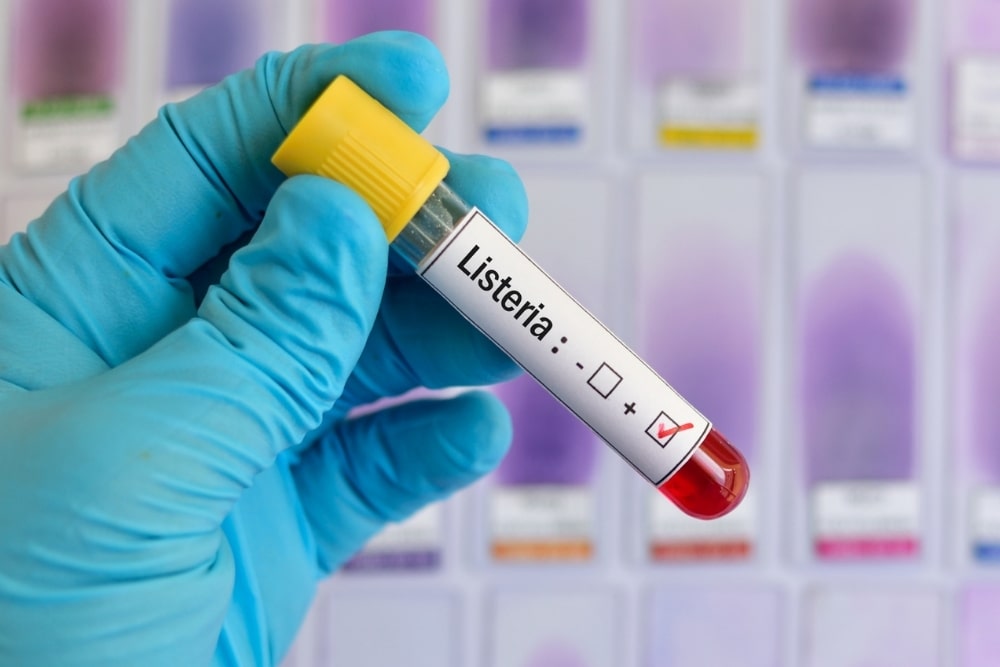
Another concern related to hot dogs during pregnancy is the risk of Listeria infection. Listeria is a type of bacteria that can contaminate certain processed meats, including hot dogs. Listeria exposure may increase the risk of miscarriage, stillbirth, and other pregnancy complications. Pregnant women are more likely to get sick from Listeria than others, so it's crucial to take precautions when consuming hot dogs, such as cooking them thoroughly and avoiding raw or undercooked products.
Cooking Hot Dogs Safely
To minimize the risks associated with hot dogs during pregnancy, it's essential to cook them safely. Thoroughly cooking hot dogs to an internal temperature of 165°F (74°C) can help eliminate any harmful bacteria, including Listeria. This can be achieved by grilling, microwaving, or steaming hot dogs to ensure they are hot and safe to eat.

Alternatives to Hot Dogs
While hot dogs can be a convenient and tasty option, they are not particularly nutritious and can be high in sodium, saturated fats, and preservatives. If you're looking for alternatives to hot dogs during pregnancy, consider the following options:
- Grilled chicken or turkey sausages
- Veggie burgers or hot dogs
- Lean beef or turkey burgers
- Roasted vegetables or vegetable skewers
Conclusion
While hot dogs can be a part of a healthy diet during pregnancy, it's essential to be aware of the potential risks associated with their consumption. By cooking hot dogs thoroughly, being mindful of the ingredients and additives used, and considering alternative options, pregnant women can enjoy their favorite foods while minimizing the risks to their health and their baby's well-being.
Key Takeaways
- Cook hot dogs to an internal temperature of 165°F (74°C) to minimize the risk of Listeria infection.
- Be aware of the presence of sodium nitrates and sodium nitrites in hot dogs and consider moderation when consuming them.
- Consider alternative options to hot dogs, such as grilled chicken or turkey sausages, veggie burgers, or lean beef or turkey burgers.
A Healthy Pregnancy Diet
During pregnancy, it's essential to focus on a balanced and nutritious diet that supports the health and well-being of both the mother and the unborn baby. A healthy pregnancy diet should include a variety of whole foods, such as fruits, vegetables, whole grains, lean proteins, and healthy fats. Aim to limit processed and packaged foods, sugary drinks, and foods high in sodium and saturated fats.