Acne Treatment Tips: 15 Ways to Clear Your Skin
Acne is a frustrating and common skin condition that affects people of all ages, genders, and backgrounds. whether you're a teenager or an adult, dealing with acne can be a challenge. Fortunately, there are many ways to treat and prevent acne, and in this article, we will explore 15 effective acne treatment tips that you can use at home or in a dermatologist's office.
Understanding Acne
Before we dive into the treatment tips, let's understand what causes acne. Acne occurs when the oil glands in your skin produce too much oil, causing pores to clog and become inflamed. This can lead to blackheads, whiteheads, or pimples, which can be painful and unsightly.
15 Acne Treatment Tips
1. Maintain a Consistent Skincare Routine
The first step in treating acne is to maintain a consistent skincare routine. This should include cleansing your skin twice a day, using a toner to balance your skin's pH, and applying a moisturizer to keep your skin hydrated.
2. Use a Clay Mask to Detoxify Your Skin
Clay masks are excellent for detoxifying your skin and drawing out impurities. Look for a clay mask that contains ingredients like kaolin or bentonite clay, which will help to absorb excess oil and reduce pore size.
3. Exfoliate Regularly to Remove Dead Skin Cells
Exfoliating regularly can help to remove dead skin cells and unclog pores. Use a gentle exfoliating scrub or a chemical exfoliant containing alpha-hydroxy acids (AHAs) or beta-hydroxy acids (BHAs) to keep your skin looking smooth and radiant.
4. Use a Spot Treatment to Target Individual Blemishes
Spot treatments are perfect for targeting individual blemishes and reducing their appearance. Look for a treatment that contains salicylic acid or benzoyl peroxide, which will help to dry out the pimple and reduce inflammation.
5. Don't Pop or Squeezing Your Pores
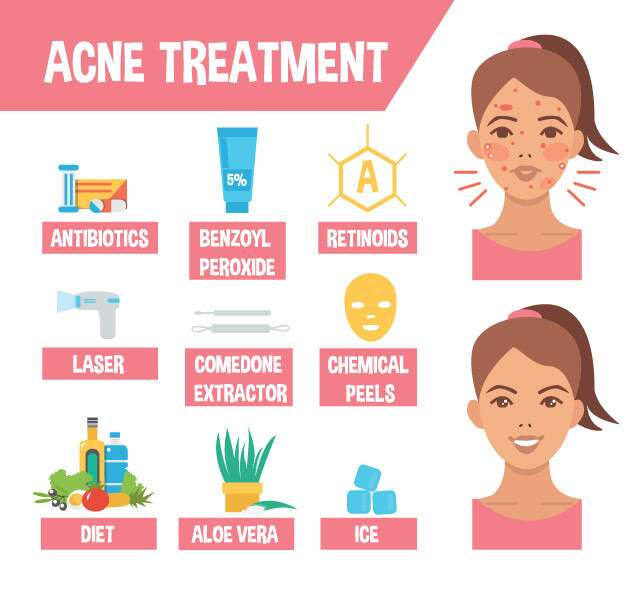
One of the most tempting things to do when you see a blemish is to pop or squeeze it. However, this can lead to scarring, infection, and prolonged healing times. Instead, let the blemish heal on its own or use a spot treatment to help it clear up faster.
6. Keep Your Hands Away from Your Face
Touching your face can transfer bacteria and oils from your hands to your face, leading to breakouts. Try to avoid touching your face as much as possible, especially during the day when your skin is most prone to oiliness.
7. Wash Your Pillowcases Regularly
Washing your pillowcases regularly can help to reduce the amount of oil and dirt that accumulates on your skin. Try to wash your pillowcases at least once a week to keep your skin looking clear and healthy.
8. Use a Humidifier to Control the Humidity in Your Environment
High humidity can lead to oiliness and breakouts, which is why using a humidifier can be beneficial. By controlling the humidity in your environment, you can reduce the amount of oil your skin produces and help to prevent breakouts.
9. Eat a Balanced Diet that is Rich in Antioxidants
What you eat can have a significant impact on your skin's health. Eating a balanced diet that is rich in antioxidants can help to boost your skin's immune system and reduce inflammation.
10. Stay Hydrated by Drinking Plenty of Water
Drinking plenty of water can help to flush toxins out of your system and keep your skin hydrated. Aim to drink at least eight glasses of water a day to keep your skin looking clear and healthy.
11. Get Enough Sleep to Help Regulate Hormones
Getting enough sleep can help to regulate hormones, which can help to prevent breakouts. Aim to get at least seven hours of sleep a night to help regulate your hormones and reduce the risk of acne.
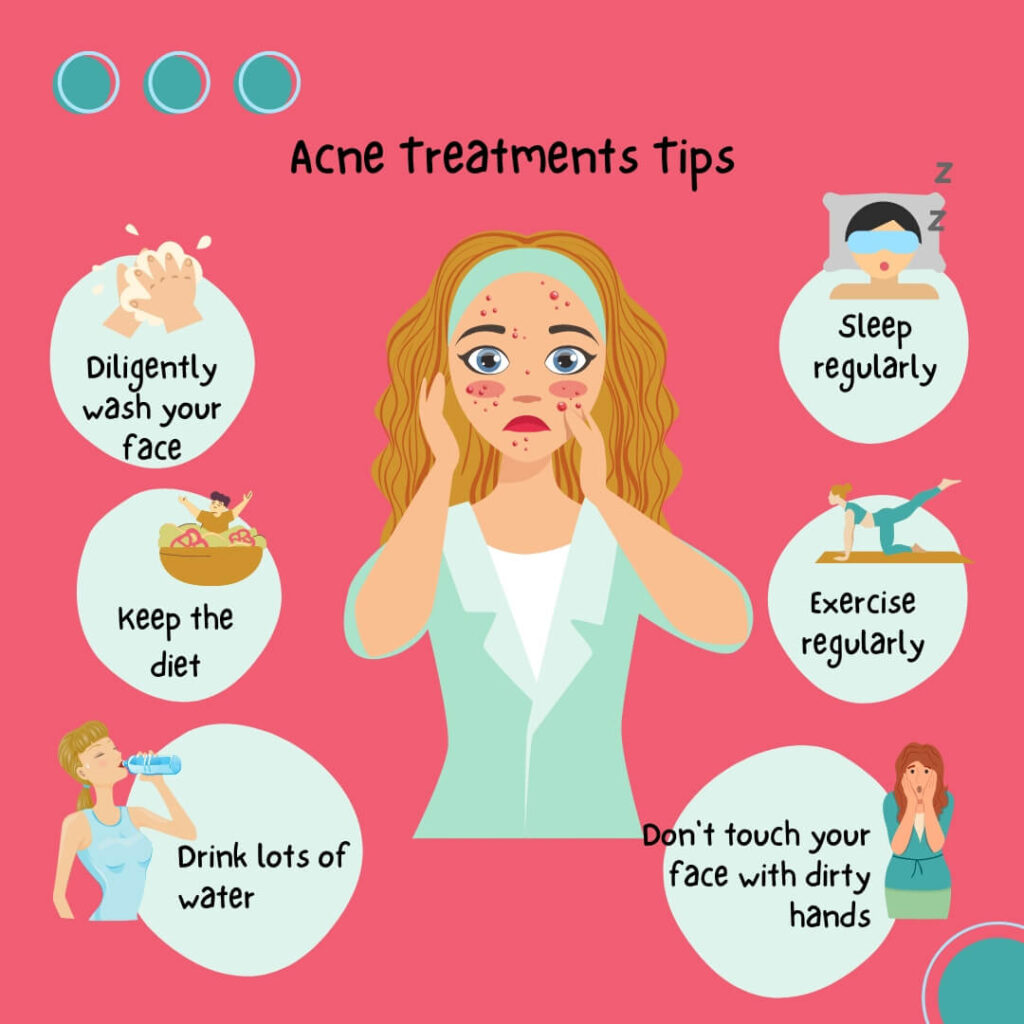
:max_bytes(150000):strip_icc()/how-to-create-the-perfect-skin-care-routine-15658-5bb7bfbb46e0fb0026df2440.png "Acne - Diagnosis and treatment - Mayo Clinic")
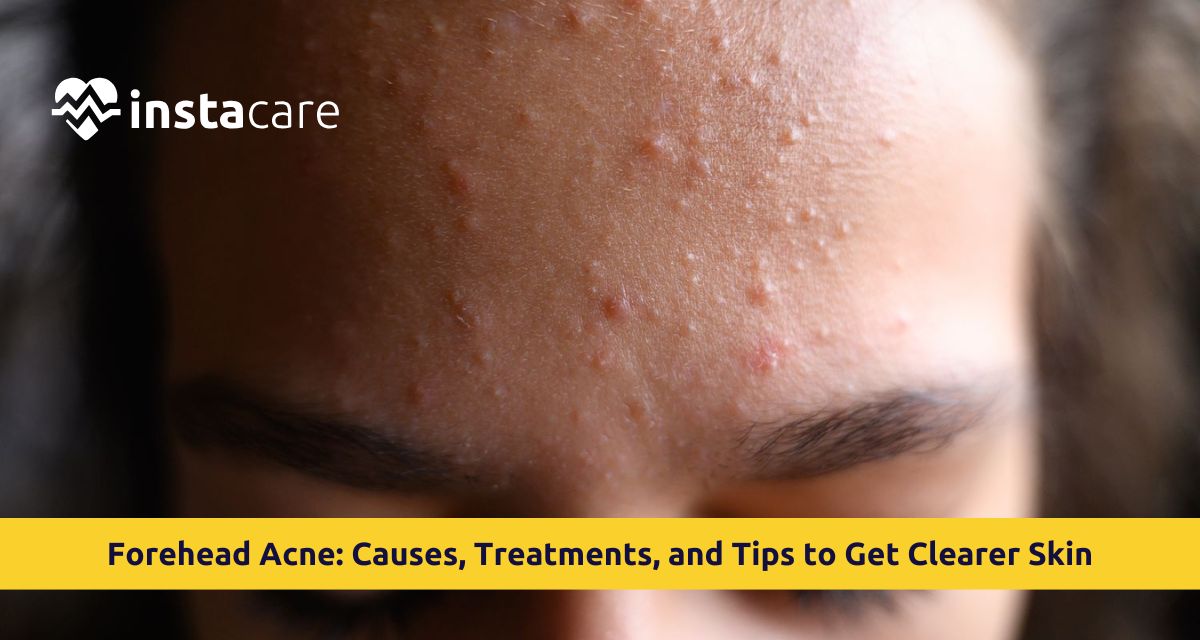


:max_bytes(150000):strip_icc()/acne-and-oily-skin-15964-5c8693f946e0fb00011366ce.png "Top 7 Acne Tips from Dermatologists | Paula's Choice")


