Technological Advancements and the Rise of Tech Neck
The advent of smartphones, laptops, and other digital devices has revolutionized the way we live and work. However, this increased reliance on technology has led to a growing concern known as "tech neck." Tech neck, a modern postural condition, is characterized by neck pain and discomfort resulting from prolonged use of handheld devices and poor posture.Understanding Tech Neck
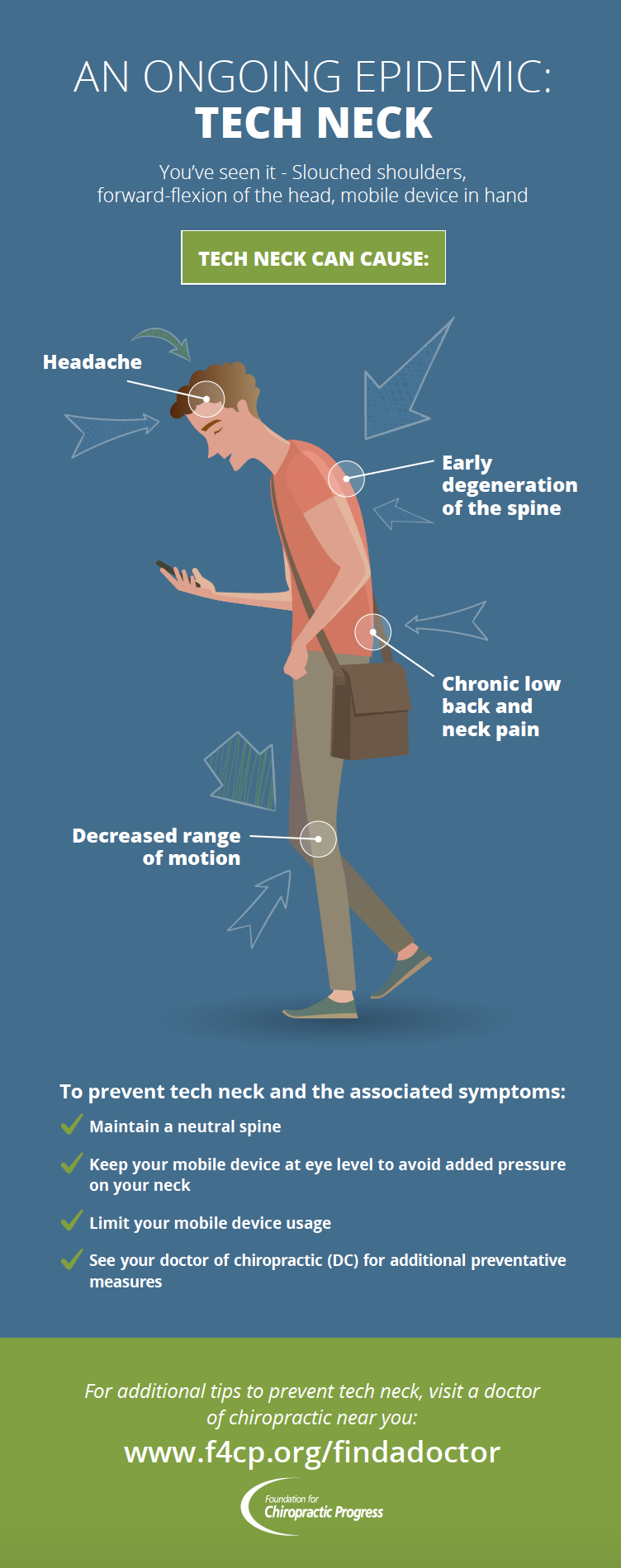
Tech neck is caused by prolonged forward-head posture while using digital devices. This leads to excessive strain on the muscles, joints, and ligaments of the neck and upper spine. When the head tilts forward for extended periods, it can lead to a range of symptoms, including: * Neck pain and stiffness * Headaches and migraines * Fatigue and decreased productivity * Poor posture and decreased range of motionTech Neck Treatment Options
Fortunately, tech neck is often preventable and treatable, especially when addressed early. Treatment typically begins with conservative care aimed at restoring proper alignment and reducing strain. Some common tech neck treatment options include: *Postural correction and ergonomic adjustments
Making simple changes to your workspace and daily routine can help alleviate tech neck. This includes adjusting the height of your computer monitor, taking regular breaks to stretch, and using a standing desk or ergonomic chair. *Physical therapy and exercises
A physical therapist can help you develop a customized exercise program to strengthen your neck and shoulder muscles, improve your posture, and reduce pain. *Chiropractic care
Chiropractic care can be beneficial for individuals experiencing tech neck, as it can help realign the spine, reduce muscle tension, and improve range of motion. *Massage therapy
Massage therapy can help reduce muscle tension and promote relaxation, making it an effective treatment option for tech neck. *Surgical options