Breaking the Screen Addiction: Strategies for Prevention and Recovery
Are you or someone you know struggling to put down the phone, tablet, or computer? Do you find yourself mindlessly scrolling through social media, playing games, or watching videos for hours on end? Welcome to the world of screen addiction, a growing concern that affects people of all ages. In this article, we'll explore the symptoms, causes, and effective strategies for overcoming screen addiction, guiding you towards a healthier digital lifestyle.
Understanding Screen Addiction
Screen addiction, also known as screentime addiction or digital addiction, refers to the excessive and compulsive use of digital devices, leading to significant interference with daily life, emotional well-being, and personal relationships. This behavior can have serious consequences, including physical eye strain, increased risk of weight gain, mental health consequences, and sleep disturbances. Recent studies suggest that up to 10% of screen users meet the requirements for screen addiction, a staggering number that highlights the need for awareness and intervention.
Warning Signs of Screen Addiction
- Meltdowns when forced to unplug
- Increased use over time; unable to cut back
- Only thing that puts you in a good mood
- Sneaking and lying about screentime
Causes and Risks of Screen Addiction
So, what drives screen addiction? The answer lies in the brain's reward system. Whenever we engage in screen-based activities, our brain releases dopamine, a neurotransmitter associated with pleasure and reward. Over time, our brain becomes accustomed to this constant supply of dopamine, leading to a vicious cycle of craving and compulsive behavior. If left unchecked, screen addiction can lead to social isolation, depression, anxiety, sleep problems, and weight gain, impacting work performance and relationships.
Screen Addiction Treatment: A Comprehensive Approach
Breaking screen addiction requires a comprehensive approach that incorporates several evidence-based modalities. These may include:

- Therapy: Individual or group therapy sessions with a qualified therapist can help you identify underlying issues and develop coping strategies.
- Support groups: Joining a support group, such as a recovery support group, can provide a sense of community and motivation to stay on track.
- Digital detox: Taking a break from screens can help you reset your relationship with technology and develop healthier habits.
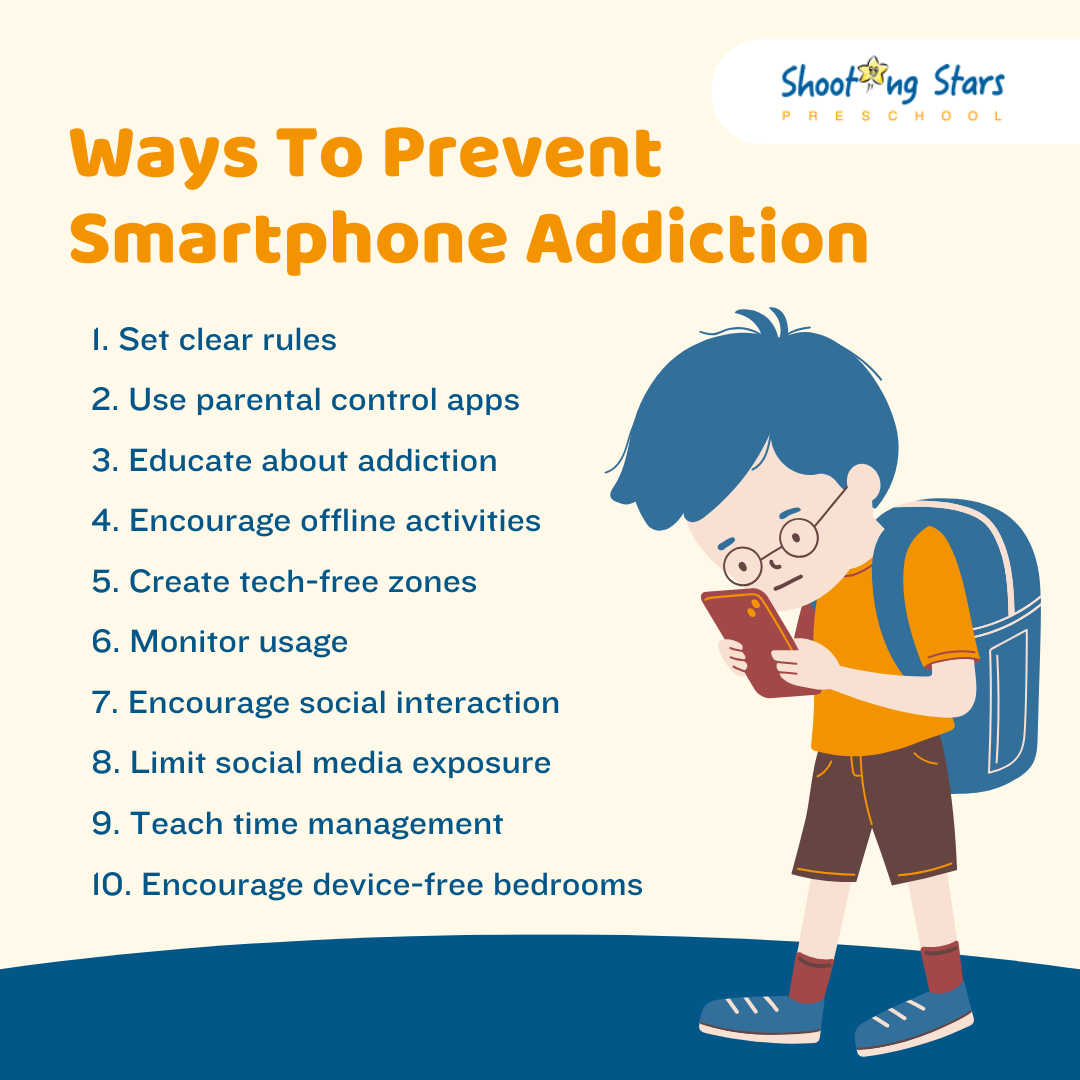
- Boundary setting: Establishing boundaries around screen use can help you regain control and prioritize other activities.
- Alternative activities: Finding healthy alternative activities, such as exercise, meditation, or hobbies, can help you replace screen time with more fulfilling experiences.
Seeking Help: Resources for Screen Addiction Treatment
Are you or someone you know struggling with screen addiction? Don't hesitate to seek help. Various resources are available to support your journey towards recovery. Some notable options include:
- The Center for Internet and Technology Addiction (CITA): Provides comprehensive treatment for internet and screen addiction.
- ScreenSmart Kids: Offers a structured treatment solution for mental health professionals working with screen-addicted youth.
- The National Council on Problem Gambling: Provides a range of resources, including treatment and support for problem gamblers.
- WebMD Substance Abuse and Addiction Health Center: Offers in-depth information on causes, symptoms, risks, prevention, and treatment for substance abuse and addiction.
Conclusion: Taking Back Control of Your Screens
Breaking screen addiction requires a commitment to change and a willingness to explore new strategies for managing screentime. By recognizing the warning signs, understanding the causes, and incorporating evidence-based treatment approaches, you can regain control of your digital life and cultivate healthier habits. Remember, small steps lead to significant changes. Start your journey today and take back control of your screens.
References:
- Mayo Clinic. (2022). Internet addiction.
- Centers for Disease Control and Prevention. (2022). Screen time and physical activity among children and adolescents.
- ScreenAddictionTreatment. (2022). The importance of seeking help for screen addiction.