FOMO and its Impact on Sales Teams: Understanding the Psychology Behind the Phenomenon
The fear of missing out, or FOMO, has become a significant factor in consumer behavior and sales strategies. By leveraging the anxiety of customers, businesses can drive engagement, boost sales, and create a sense of urgency. In this article, we'll delve into the psychology behind FOMO and its impact on sales teams.
What is FOMO and its Psychological Roots?
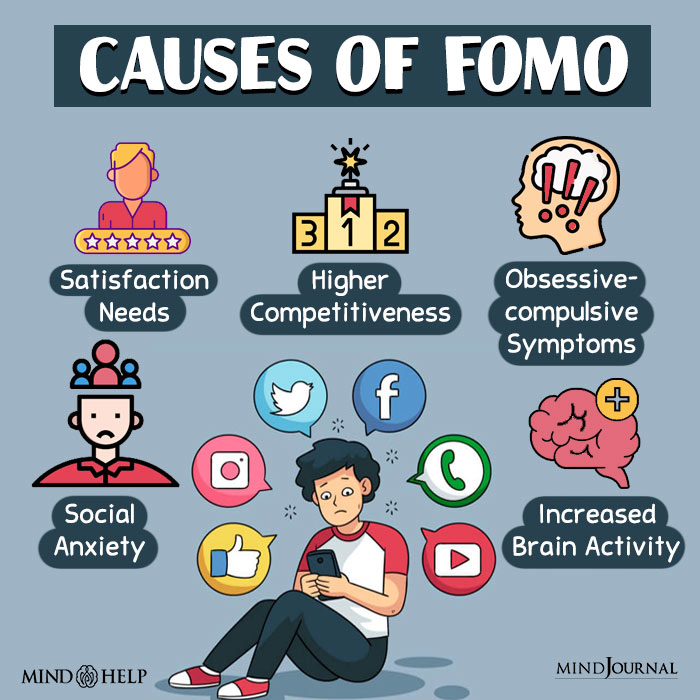
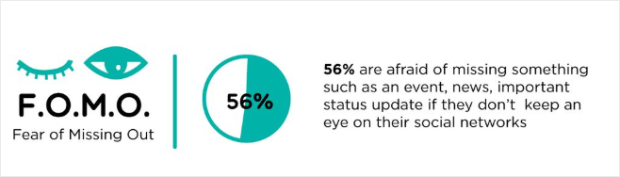
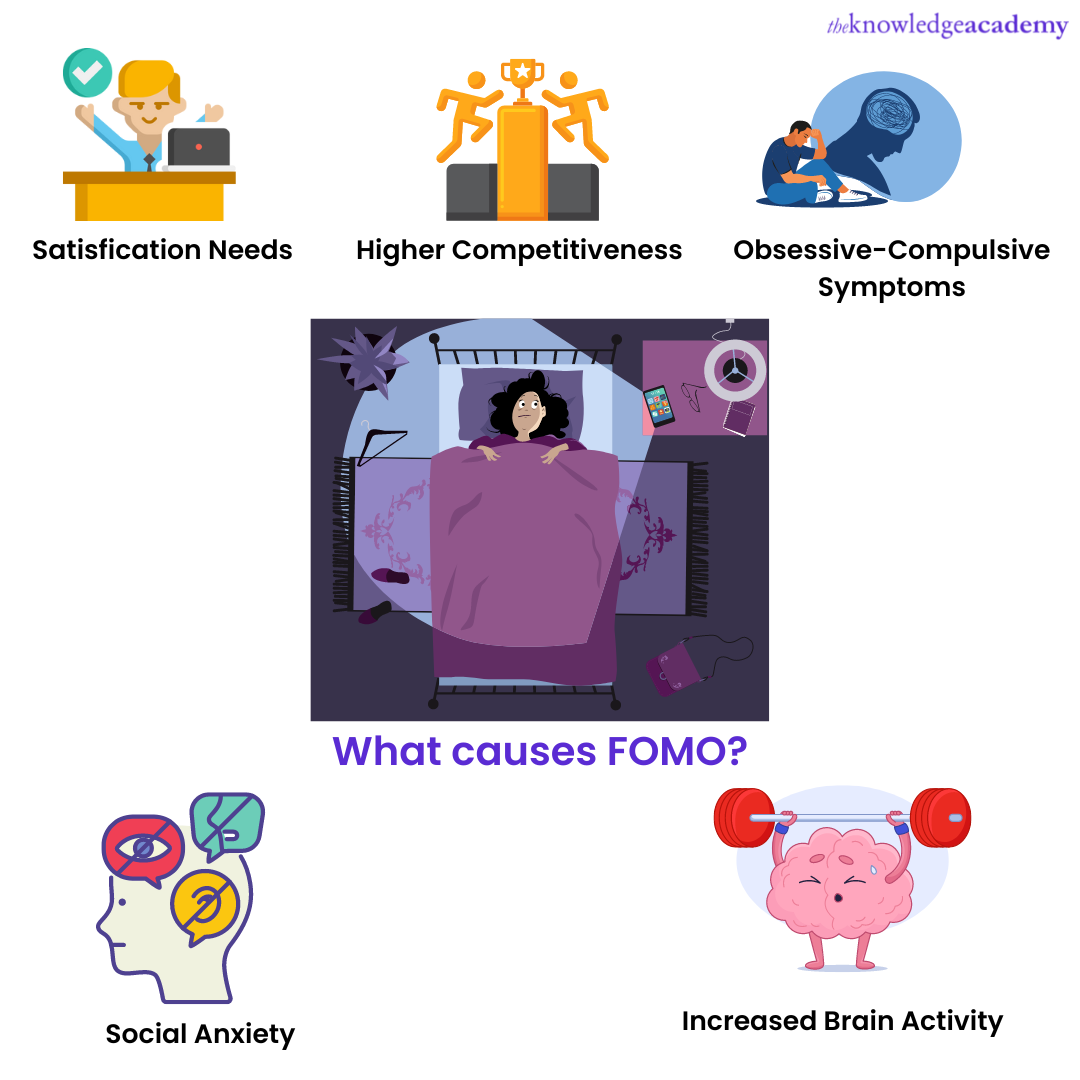
FOMO is a psychological phenomenon that stems from the basic human desire for social connection, the need for validation, and the fear of being left behind. When individuals feel like they're missing out on experiences, events, or deals, they experience anxiety and stress, leading to impulsive decisions.
According to a study, 60% of people who experience FOMO shop within 24 hours, indicating the significant impact of FOMO on consumer behavior.
How Does FOMO Impact Customer Behavior and Decision-Making?
Customers influenced by FOMO are more likely to make impulsive decisions, such as purchasing limited-time offers, joining exclusive clubs, or participating in flash sales. This behavior is driven by the fear of missing out on valuable opportunities, which can lead to increased sales and engagement.
- Purchasing limited-time offers
- Joining exclusive clubs
- Participating in flash sales
- Making impulsive decisions
Strategies to Leverage FOMO in Sales Teams
Sales teams can use various strategies to leverage FOMO, including:
- Offering limited-time discounts and flash sales
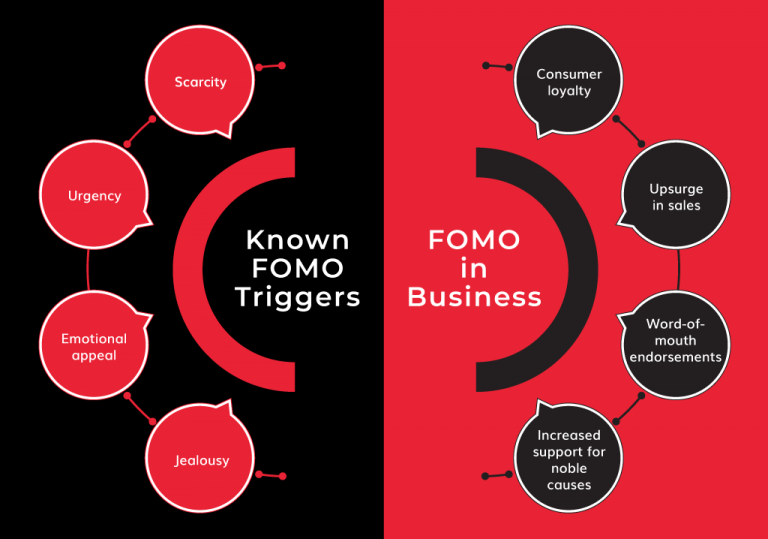
- Creating a sense of exclusivity and scarcity
- Using social proof and customer testimonials
- Highlighting the benefits of early adopters
- Creating a sense of urgency and timelines
By understanding the psychology behind FOMO and leveraging these strategies, sales teams can create a high-pressure, high-impact experience that turns interest into immediate action.
Real-World Examples of FOMO in Action
Many businesses have successfully used FOMO to drive engagement, boost sales, and spark action. Some real-world examples include:
- Apple's limited-time offers for new product releases
- Sephora's exclusive access to new products
- Amazon's flash sales and limited-time discounts
- Concert ticket sales with limited-time offers
Conclusion
FOMO is a powerful marketing tool that businesses can use to drive engagement, boost sales, and create a sense of urgency. By understanding the psychology behind FOMO and leveraging strategies to create a high-pressure, high-impact experience, sales teams can increase conversions and drive business growth.
Additional Resources
For more information on FOMO and its impact on sales teams, check out the following resources:
- "FOMO: The Secret to Boosting Sales and Engagement"
- "The Psychology of FOMO: Understanding the Fear of Missing Out"
- "FOMO Marketing Strategies for E-commerce Businesses"