Recognizing the Signs of Digital Fatigue
Digital fatigue is a condition that affects millions of people worldwide, where sustained interaction with digital systems contributes to cognitive strain, reduced attentional capacity, and diminished recovery. In this article, we will explore the common signs of digital fatigue and provide strategies for identifying and addressing it.
What is Digital Fatigue?
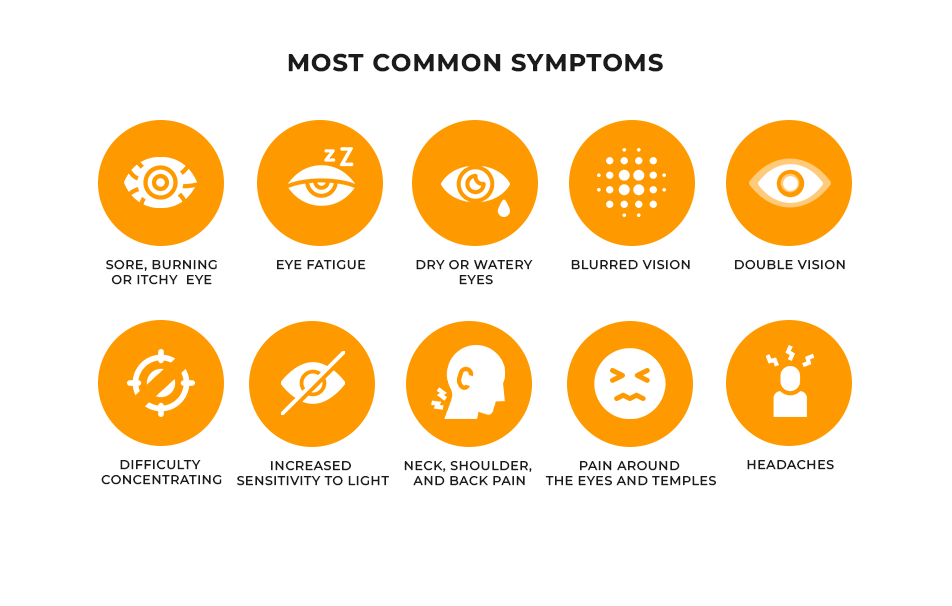
Digital fatigue is a state of physical, emotional, and mental exhaustion caused by prolonged exposure to digital technology. It can result from excessive screen time, constant notifications, and blurred boundaries between work and personal life. The symptoms of digital fatigue can vary from person to person, but common signs include:
- Feeling mentally drained or exhausted
- Reduced attention span and difficulty concentrating
- Decreased productivity and motivation
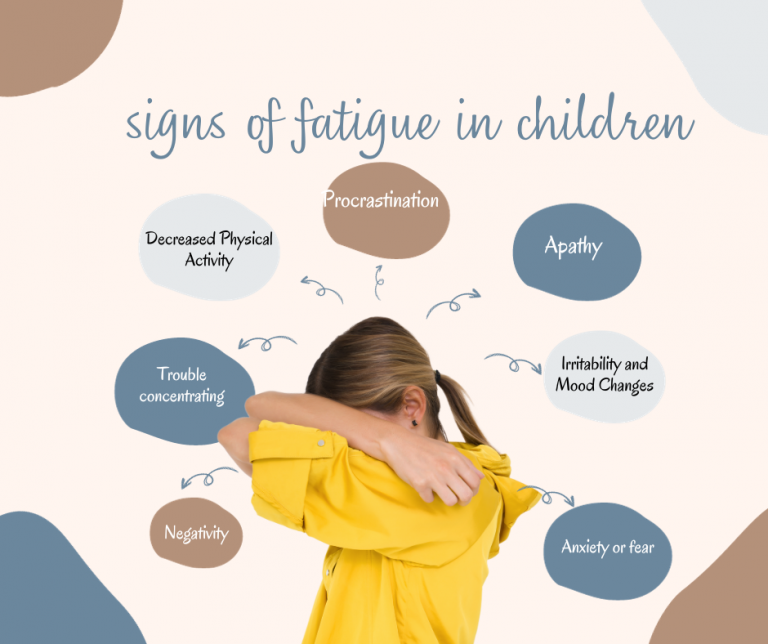
- Irritability and mood swings
- Physical symptoms such as headaches, eye strain, and muscle tension
Recognizing the Signs of Digital Fatigue
Recognizing the signs of digital fatigue is crucial to preventing long-term consequences and maintaining both mental and physical health. In a culture that often prioritizes constant output, acknowledging the limits of the mind may be one of the most important steps toward sustainable well-being.
Common signs of digital fatigue include:
- Feeling mentally drained or exhausted, despite adequate rest and sleep
- Dreading responsibilities or tasks that were once enjoyable
- Feeling detached, unmotivated, or emotionally numb
- Struggling to focus or making more mistakes than usual
- Feeling irritable, anxious, or overwhelmed more often than not
- Experiencing frequent physical symptoms such as headaches, digestive issues, or muscle tension
Understanding the Causes of Digital Fatigue

Digital fatigue is often caused by a combination of factors, including:
- Prolonged screen time and excessive digital engagement
- Constant notifications and distractions
- Blurred boundaries between work and personal life
- Lack of breaks and self-care
- Unclear boundaries and expectations
Strategies for Managing Digital Fatigue
Managing digital fatigue requires a combination of self-awareness, intentional habits, and boundary-setting. Here are some strategies for reducing digital fatigue:
- Take regular breaks and practice self-care
- Set clear boundaries and expectations
- Engage in physical activity and exercise
- Practice mindfulness and relaxation techniques
- Limit screen time and digital engagement
- Seek support and connection with others
Conclusion
Digital fatigue is a common condition that affects millions of people worldwide. Recognizing the signs of digital fatigue is crucial to preventing long-term consequences and maintaining both mental and physical health. By understanding the causes of digital fatigue and implementing strategies for managing it, individuals can reduce their risk of digital fatigue and maintain sustainable engagement with digital systems.
By adopting a mindset of sustainable engagement and taking intentional steps to reduce digital fatigue, individuals can reclaim their time, improve their mental well-being, and maintain a healthy balance between their digital and offline lives.