Quick Sleep Tips for Adults: Improve Your Sleep Quality Tonight!
::If you're struggling to fall asleep or stay asleep, you're not alone. Millions of adults experience sleep problems every night. But there are simple, effective ways to improve your sleep quality, and we're here to share them with you.
Stick to a Sleep Schedule
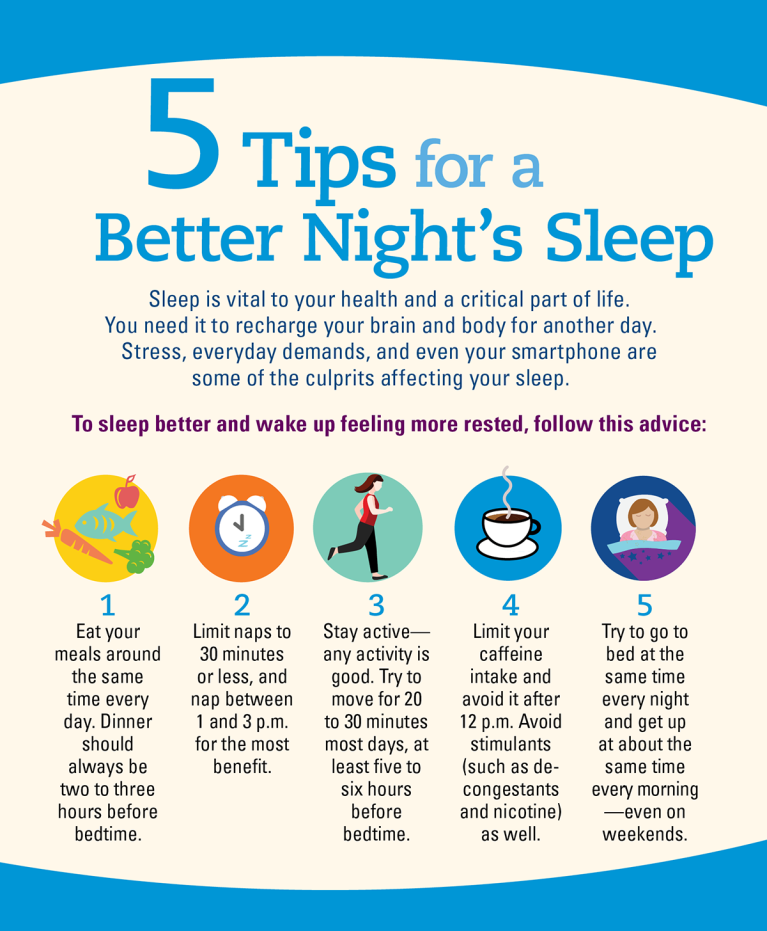
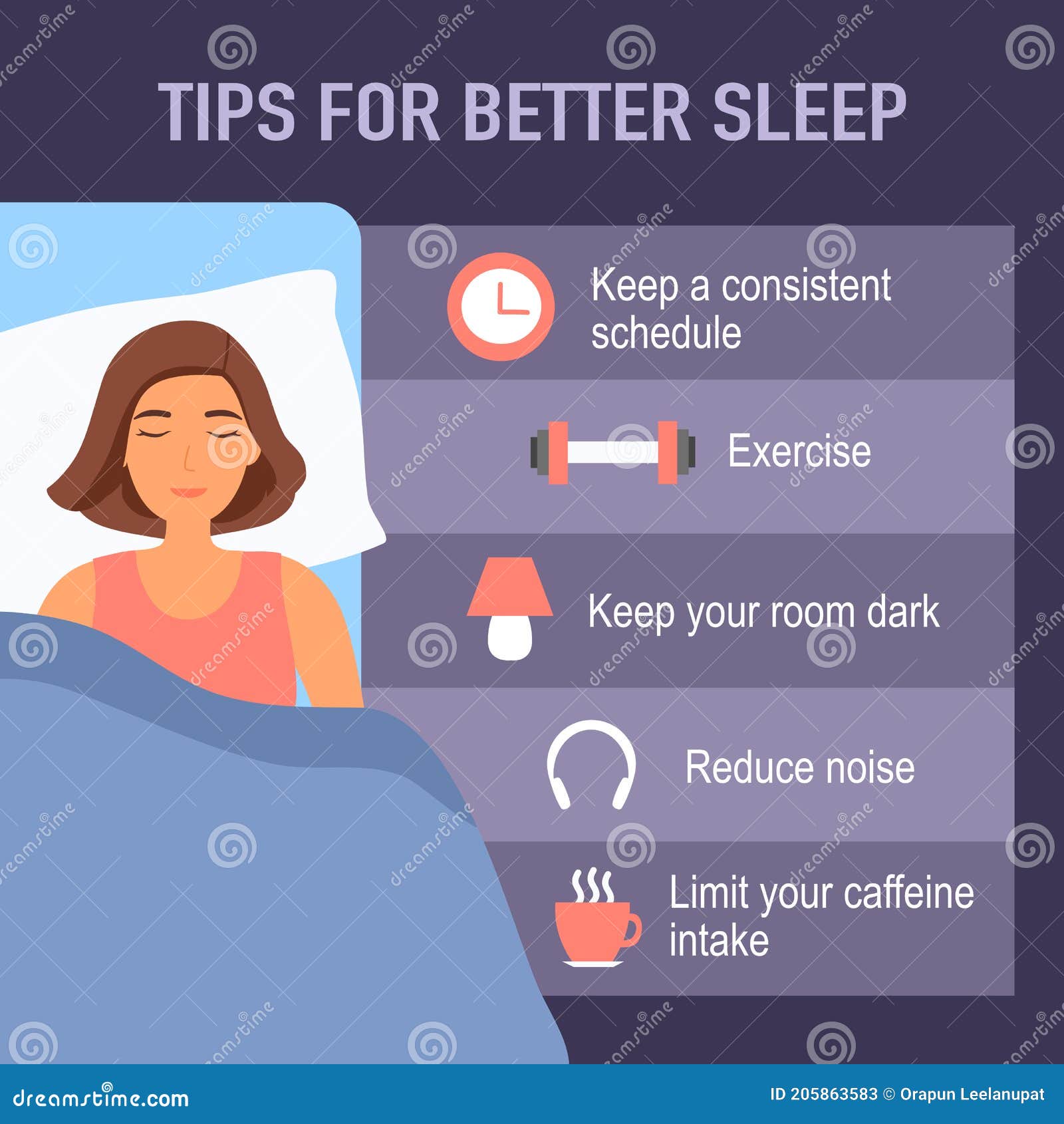
::Most adults need 7-8 hours of sleep each night. To establish a healthy sleep-wake cycle, go to bed and wake up at the same time every day, including weekends. Consistency will help regulate your body's internal clock.
::But why else is sticking to a sleep schedule important? Research shows that irregular sleep patterns can disrupt your body's natural sleep-wake cycle, leading to insomnia and other sleep disorders.
Exercise Before Bed
::Regular physical activity can help you fall asleep faster and improve sleep quality. However, it's essential to avoid vigorous exercise within a few hours of bedtime, as it can actually increase alertness.
::Instead, opt for relaxing activities like yoga, meditation, or a warm bath before bed. Your body will thank you by drifting off to sleep faster than ever.
Clear Your Mind with Reading
::Reading a book or magazine can be an excellent way to wind down before sleep. But make sure you choose a relaxing subject or genre to avoid getting engaged and stimulated before bed.
::Some great options for sleep-inducing reading include history, travel, or self-help books. Avoid anything too exciting or thought-provoking, and you'll find yourself drowsy in no time.
Try Progressive Muscle Relaxation
::Progressive muscle relaxation is a powerful technique for relaxing your body and mind. Start by tensing and relaxing different muscle groups, beginning with your toes and moving up to your head.
::This technique can help you release physical tension and calm your mind, making it easier to fall asleep. Give it a try tonight and see the difference for yourself!
Get Some Morning Sunlight

Exposure to natural sunlight in the morning helps regulate your circadian rhythms, which can improve sleep quality. Spend a few minutes outside in the morning, and your body will thank you.
::But why is morning sunlight so important? Research shows that exposure to natural light in the morning can help regulate your sleep-wake cycle and reduce symptoms of depression and anxiety.
Limit Screen Time Before Bed
::The blue light emitted from smartphones, tablets, and computers can suppress melatonin production, making it harder to fall asleep. Try to avoid screens for at least an hour before bedtime or use blue light filtering glasses or apps.
::Blue light isn't the only culprit, however. Stimulating content and social media can also interfere with your ability to fall asleep. Opt for calming activities before bed, and you'll find yourself drifting off faster.
Try Relaxation Techniques
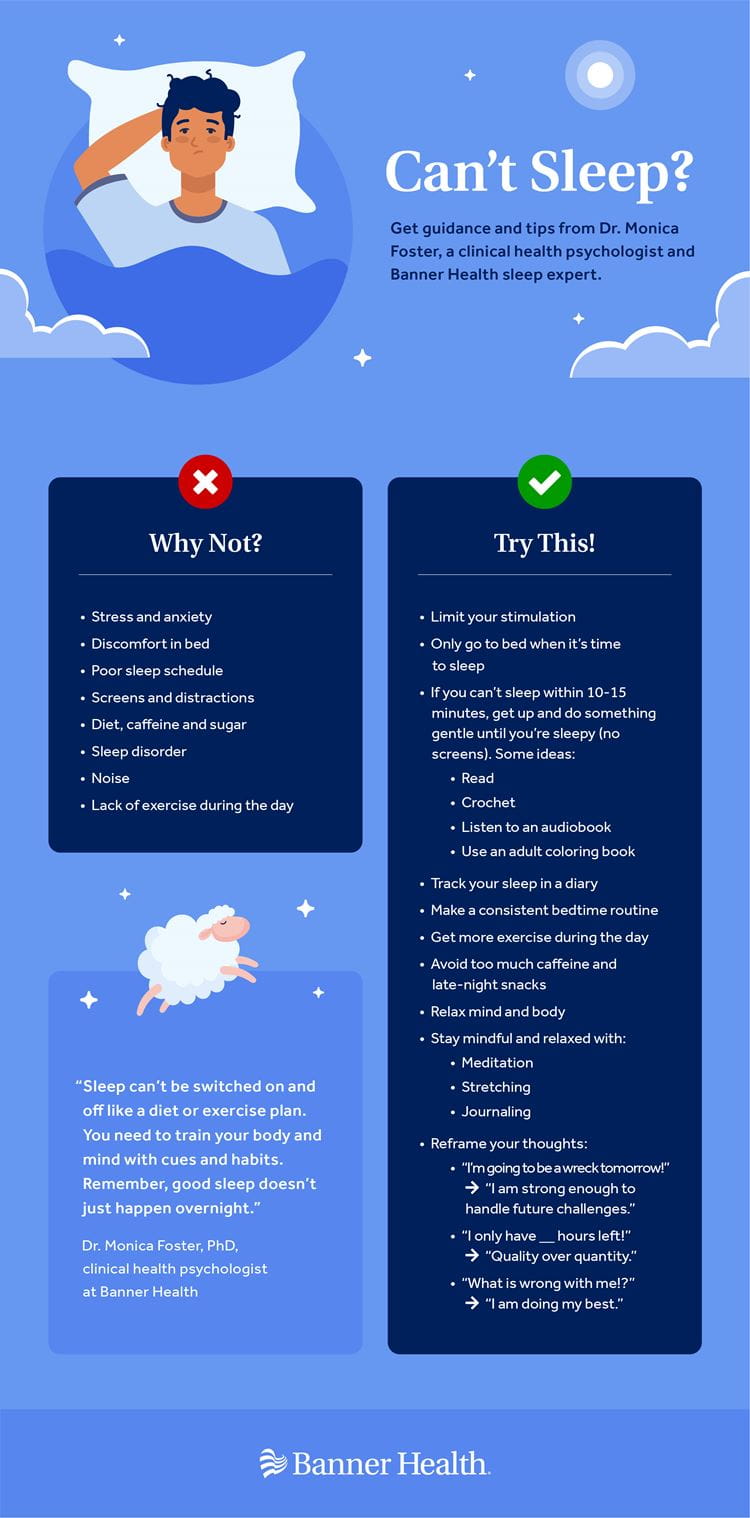
::Deep breathing, meditation, and mindfulness exercises can help calm your mind and body before sleep. Experiment with different techniques to find what works best for you.
::Relaxation techniques can help you reduce stress and anxiety, making it easier to fall asleep. And with regular practice, you may find that you're able to fall asleep faster and sleep more soundly.
Get Comfortable with a Sleep-Conducive Environment
::A comfortable sleep environment is essential for getting quality sleep. Ensure your bedroom is dark, quiet, and at a comfortable temperature.
::Invest in a comfortable mattress, pillows, and bedding to promote better sleep. And consider using earplugs, a white noise machine, or blackout curtains if necessary.
Try Melatonin
::Melatonin is a hormone that regulates sleep-wake cycles. Taking a melatonin supplement can help promote sleep, especially in cases of insomnia or jet lag.