Product Design for Aging: Empowering Older Adults with Inclusive Products
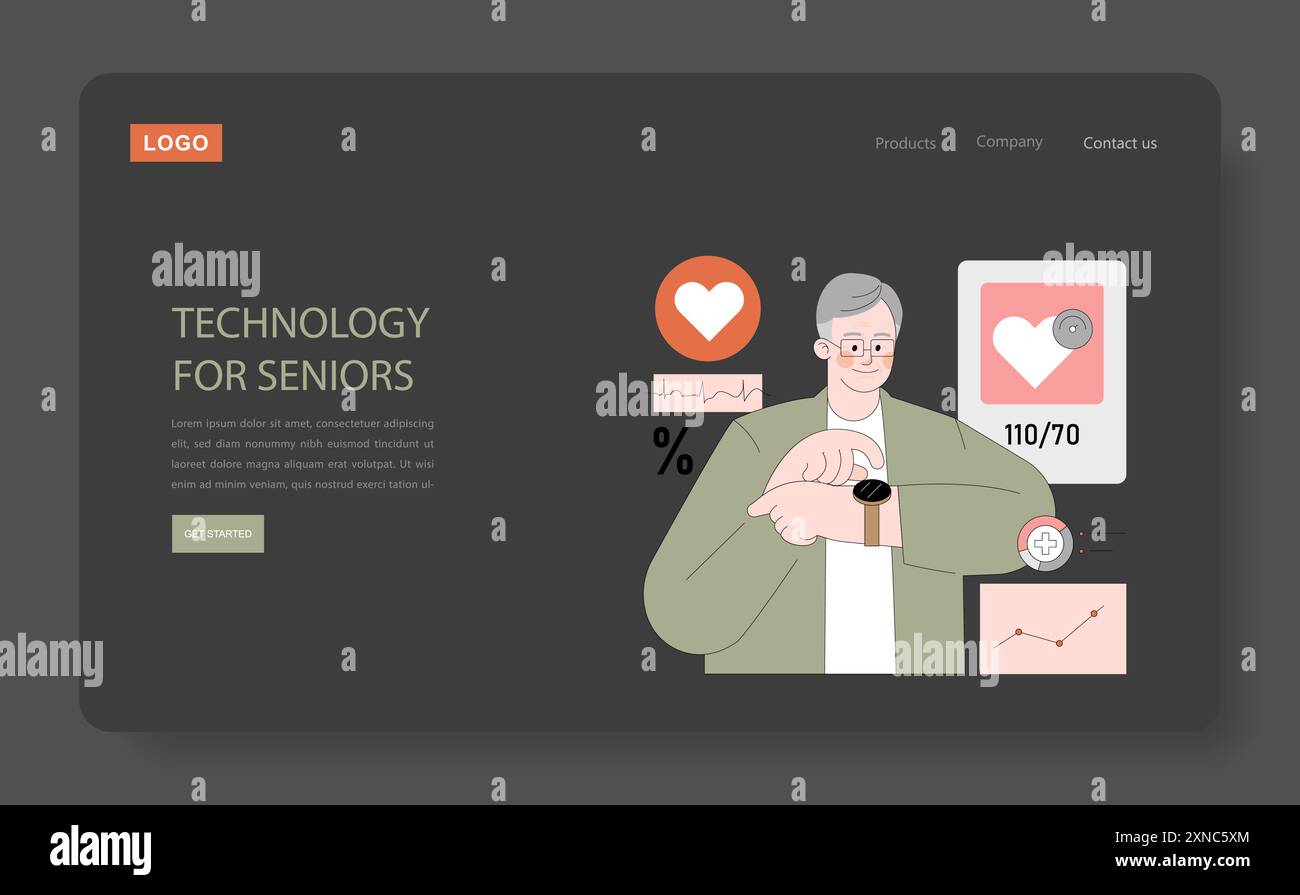
As the global population ages, there is a growing need for product designers to create products that cater to the unique needs of older adults. Product design for aging is an emerging field that focuses on creating products, environments, and services that promote independence, dignity, and quality of life for older adults.
Why is Product Design for Aging Important?
With the global population aging rapidly, there is a significant increase in the number of older adults who require assistive products and services to lead independent lives. According to the United Nations, one in eight individuals globally is over 60 years old, and this number is expected to reach one in five by 2050. This demographic shift presents a significant opportunity for product designers to create innovative and inclusive products that cater to the needs of older adults.
Designing for an Aging Population
Designing for an aging population requires a deep understanding of the unique needs and challenges faced by older adults. This includes designing products that are accessible, usable, and enjoyable for older adults. Product designers must consider factors such as sensory impairments, physical limitations, and cognitive changes that occur with aging.
Key Principles of Product Design for Aging
- Empathy**: Understand the needs and challenges faced by older adults and design products that cater to those needs.
- Accessibility**: Design products that are accessible to older adults, including products with large buttons, clear instructions, and adjustable features.
- Usability**: Create products that are easy to use and navigate, with clear and concise instructions and minimal complexity.
- Enjoyability**: Design products that are enjoyable and engaging for older adults, including products with entertaining features and rewards.
Benefits of Product Design for Aging
Product design for aging offers numerous benefits for both manufacturers and consumers. Some of the key benefits include:

- Increased customer satisfaction**: Products that cater to the needs of older adults are more likely to satisfy their needs and improve their quality of life.
- Competitive advantage**: Manufacturers that design products for aging can differentiate themselves from competitors and gain a competitive advantage in the market.
Designing for Aging: A Guide for Product Designers
If you're a product designer interested in designing for aging, here are some guidelines to get you started:
Conduct user research**: Understand the needs and challenges faced by older adults and design products that cater to those needs.
Use accessible design principles**: Design products that are accessible to older adults, including products with large buttons, clear instructions, and adjustable features.
Test products with older adults**: Test your products with older adults to ensure that they meet their needs and are easy to use.
Consider sensory impairments**: Design products that are accessible to older adults with sensory impairments, such as blindness or hearing loss.
Conclusion
Product design for aging is an emerging field that has the potential to improve the lives of millions of older adults around the world. By designing products that cater to the unique needs of older adults, manufacturers can differentiate themselves from competitors and gain a competitive advantage in the market. We hope this article has provided valuable insights and guidelines for product designers interested in designing for aging.