Monochromatic Interior Design Color Schemes: A Guide to Creating Depth and Balance
Monochromatic interior design color schemes have long been a favorite among interior designers, offering a sophisticated and harmonious way to decorate a room while creating a seamless, polished look. By focusing on varying tones of a single color, you can build depth and dimension without overwhelming the senses. In this article, we'll delve into the world of monochromatic color schemes and explore how to create a cohesive and stylish space using a single hue.
What is a Monochromatic Color Scheme?
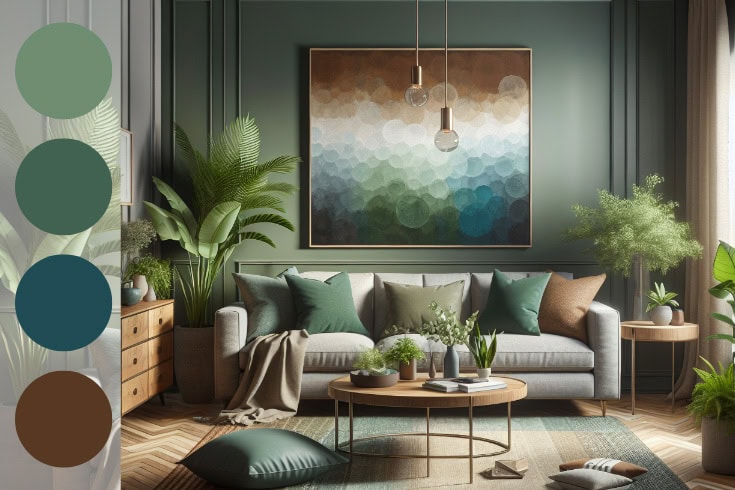
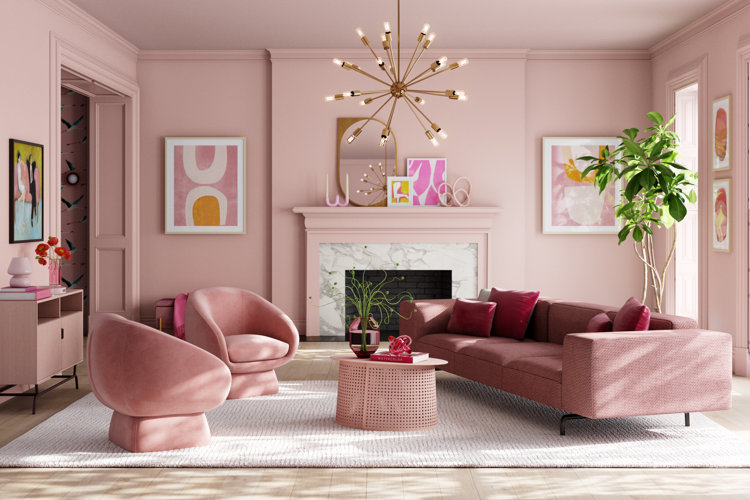
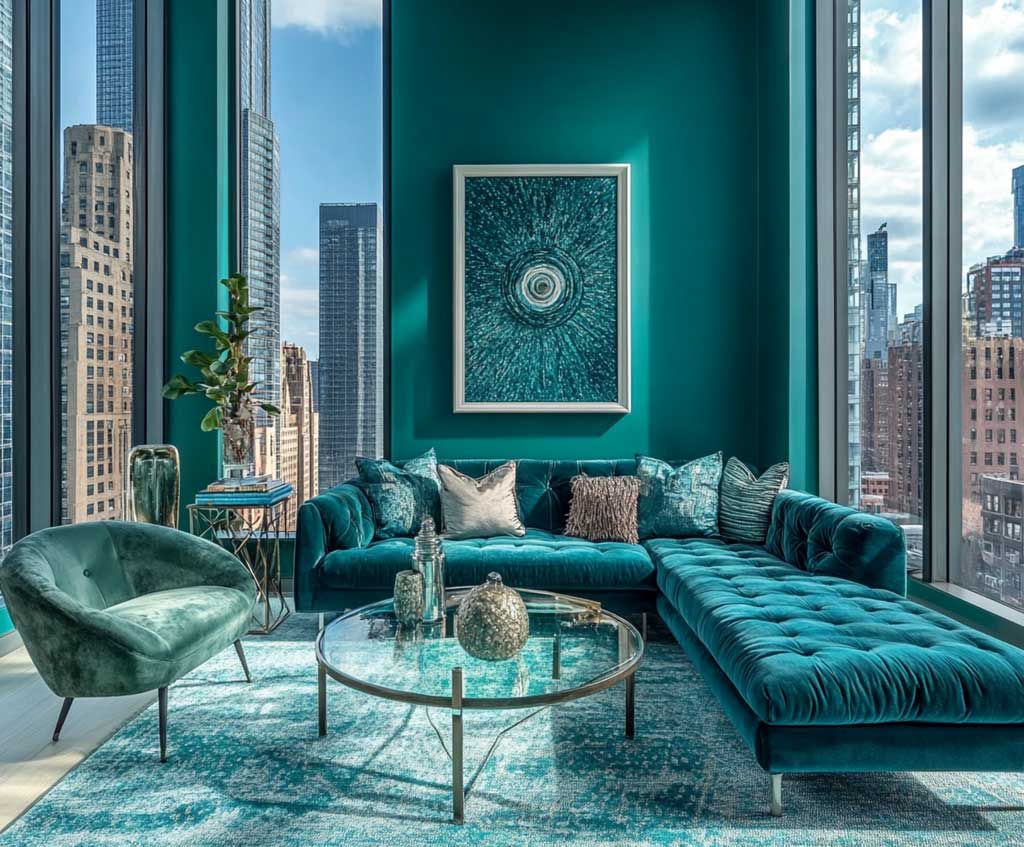
A monochromatic color scheme is a color scheme that is created using different tones of a single color. This means that you'll be working with various shades, tints, and tones of the same hue to create a cohesive and harmonious space. Think green, with all its shades from deep forest to sage, or black with all the variations of gray to white. By using different tones of the same color, you can avoid overwhelming the senses while maintaining a sense of continuity.
Benefits of Monochromatic Color Schemes
- Creates cohesion and continuity: A monochromatic color scheme ensures that all elements in the room tie together seamlessly, creating a harmonious and polished look.
- Builds depth and dimension: By working with various shades and tones of a single color, you can create a sense of depth and dimension in the room without overwhelming the senses.
- Easy to implement: A monochromatic color scheme is a great option for those who want to simplify their design process and create a cohesive look without much fuss.
- Make a statement: A bold, well-executed monochromatic color scheme can make a statement and create a lasting impression on your guests.
How to Create a Monochromatic Color Scheme
Creating a monochromatic color scheme is simpler than you think. Here are some steps to get you started:
- Choose a single color: Select a color that you love and want to focus on. Consider the mood and atmosphere you want to create in the room.
- Identify various shades and tones: Research and identify different shades, tints, and tones of the selected color. You can use a color wheel or consult a color palette to help you get started.
- Apply the color scheme: Use the different shades and tones of the color to create a cohesive look in the room. Consider using different textures, patterns, and finishes to add interest and depth.
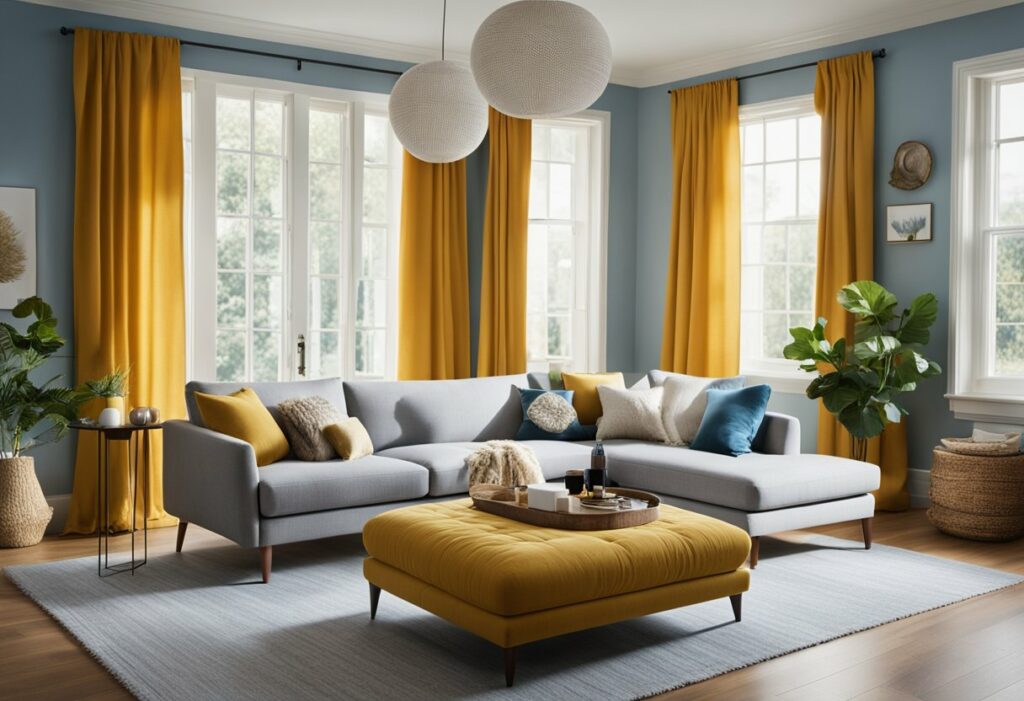
- Balance and contrast: Balance the different shades and tones of the color with contrasting elements to create visual interest and prevent the space from feeling flat.
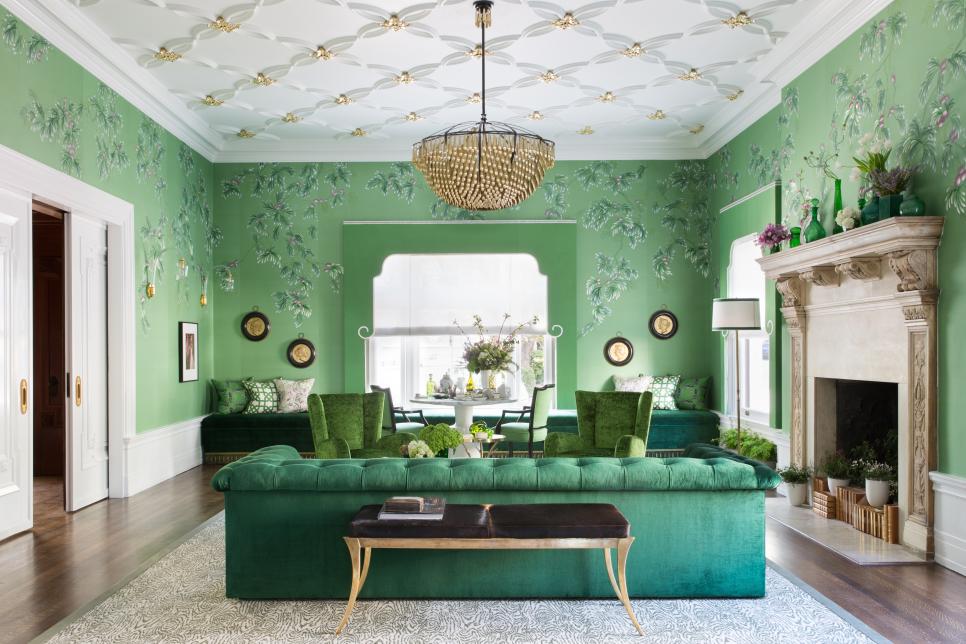
Monochromatic Color Scheme Examples
From enchanting emerald and rustic sea green to rich aubergine and muted lavender, monochromatic color schemes can make you rethink everything you know about color theory. Here are some examples of monochromatic color schemes:
- Green monochromatic color scheme: Deep green, sage green, and moss green
- Blue monochromatic color scheme: Navy blue, sky blue, and light blue
- Neutrals monochromatic color scheme: Charcoal gray, beige, and cream
Breaking the Monotony with Texture and Pattern
While monochromatic color schemes can create a cohesive and harmonious look, they can also make the space feel flat if not executed correctly. To avoid this, incorporate texture and pattern to add depth and visual interest. Consider adding texture through fabrics like wool, velvet in patterns like stripes and chevron, or using a mix of different finishes like matte and glossy.
Conclusion
Monochromatic color schemes offer a sophisticated and harmonious way to create a cohesive and stylish space. By working with different shades and tones of a single color, you can build depth and dimension without overwhelming the senses. With these tips and examples, you're ready to take on the challenge of creating a stunning monochromatic color scheme that will leave a lasting impression on your guests. So go ahead, choose a single color, and let the magic of monochromatic design unfold!





:max_bytes(150000):strip_icc()/what-is-a-monochromatic-color-scheme-1973826-hero-2355373fea3d41188c78f3357789428a.jpg "Guide to Monochromatic Color Schemes - Benjamin Moore")