Meditation for Well-being: A Guide to Boosting Health and Happiness
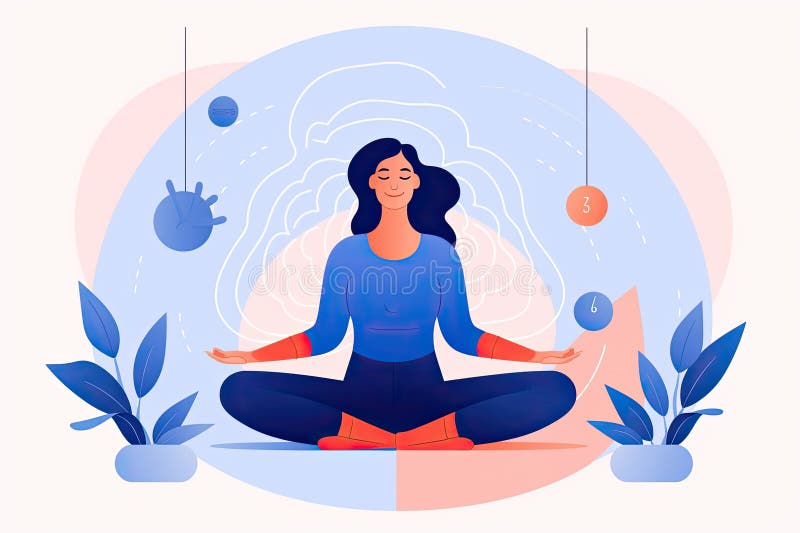
Meditation has been practiced for thousands of years, but its benefits for well-being have only recently been scientifically proven. By incorporating meditation into your daily routine, you can improve your mental and physical health, reduce stress and anxiety, and enhance your overall quality of life. In this article, we will explore the benefits of meditation for well-being, discuss various styles of meditation, and provide tips on how to get started.
Benefits of Meditation for Well-being
Meditation has been shown to have numerous benefits for physical and mental health, including:
- Reducing stress and anxiety
- Improving sleep quality
- Lowering blood pressure and risk of heart disease
- Enhancing cognitive function and memory
- Boosting mood and reducing symptoms of depression
- Improving emotional regulation and well-being
These benefits are not just theoretical; numerous studies have demonstrated the positive effects of meditation on both physical and mental health. By incorporating meditation into your daily routine, you can experience these benefits and improve your overall quality of life.
Types of Meditation
There are many different styles of meditation, each with its own unique benefits and techniques. Some of the most popular types of meditation include:
- Mindfulness meditation: This involves paying attention to the present moment, without judgment or attachment.
- Transcendental meditation: This involves repeating a mantra to quiet the mind and achieve a state of consciousness.
- Walking meditation: This involves paying attention to the sensation of each step, while walking slowly and deliberately.
- Guided meditation: This involves following a guided audio or visual program to lead you through a meditation practice.
Experiment with different types of meditation to find what works best for you and your goals.
Getting Started with Meditation
If you're new to meditation, it can be overwhelming to know where to start. Here are some tips to help you get started:
- Find a quiet and comfortable space to meditate.
- Start with short sessions, such as 5-10 minutes.
- Use a guided meditation or app to help you get started.
- Be patient and consistent – it may take some time to experience the benefits of meditation.
Remember, meditation is a practice that takes time and commitment to develop. With regular practice, you can experience the many benefits of meditation for well-being.
Conclusion
Meditation is a powerful tool for improving both physical and mental health. By incorporating meditation into your daily routine, you can reduce stress and anxiety, improve sleep quality, and boost mood and overall well-being. With so many different styles of meditation to choose from, you're sure to find a practice that suits your needs and goals. So why not give meditation a try today and start experiencing the many benefits for yourself?
Additional Resources
For more information on meditation and well-being, check out the following resources:
- The Center for Healthy Minds at the University of Wisconsin-Madison
- Origins Unity LLC: Discover the benefits of breathwork and meditation in Seattle, WA
- Rev: Meditation, Mindfulness, and self-awareness
- Pexels: Download and use 1,000+ Meditation Wellbeing Scenary stock photos for free
By incorporating meditation into your daily routine, you can improve your mental and physical health, reduce stress and anxiety, and enhance your overall quality of life.