The Hidden Costs of Managing Continuous Partial Attention in a Team Environment and Work Settings
The Concept of Continuous Partial Attention
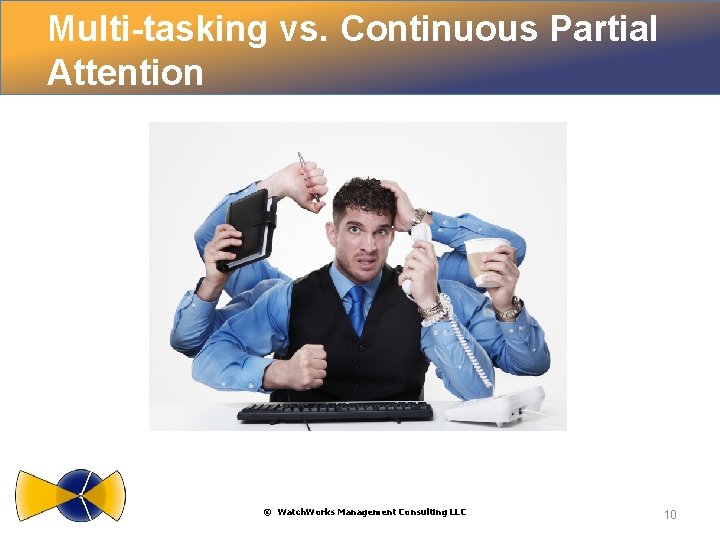
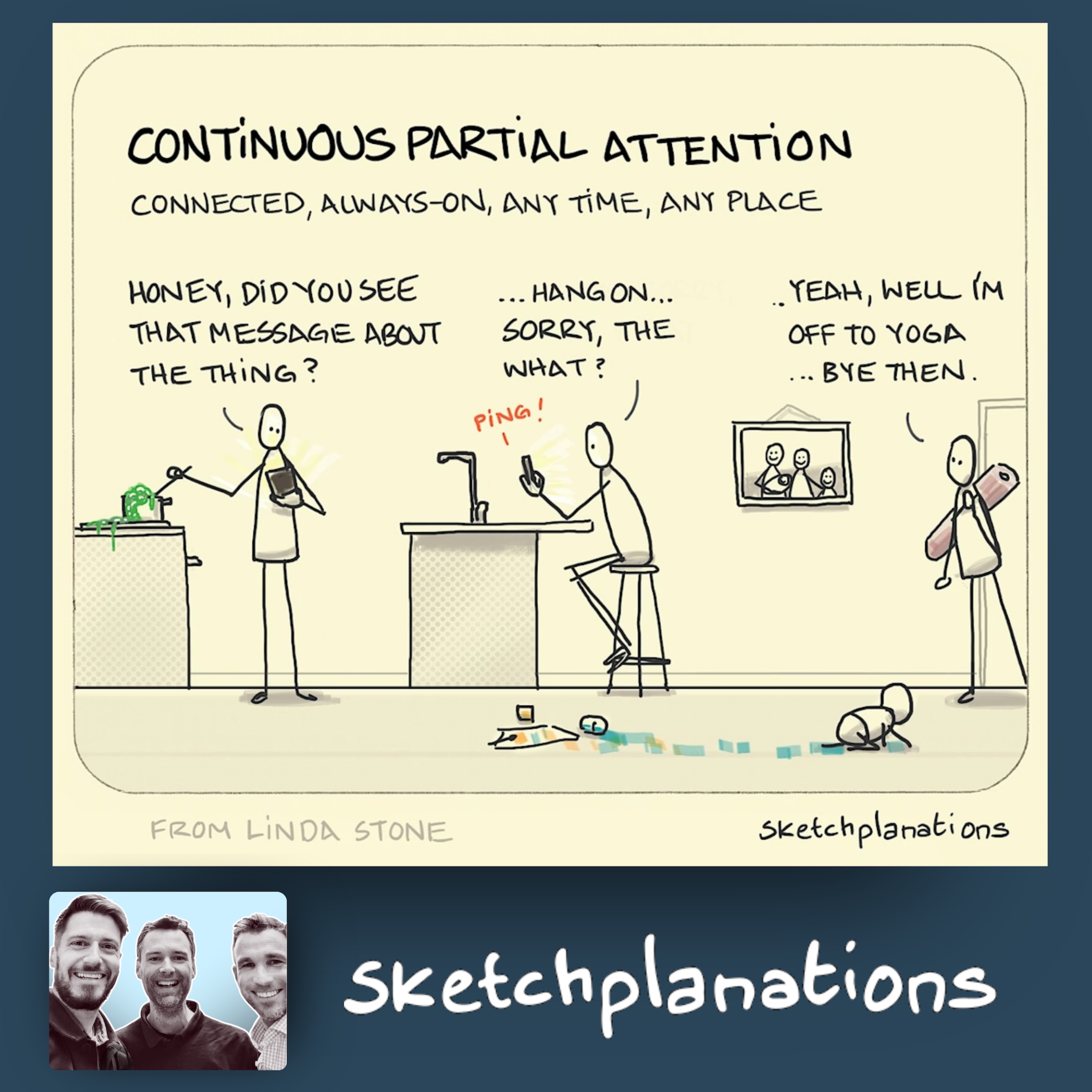
Continuous partial attention (CPA) is a concept coined by former Apple and Microsoft executive Linda Stone in 1998. It describes the behavior of dividing one's attention, scanning, and optimizing opportunities in an effort to not miss anything that is going on. CPAs is a state of mind where our focus is consistently divided among multiple streams of information, constantly scanning and monitoring numerous data sources to ensure we do not miss any potential opportunities or updates.Managing Continuous Partial Attention in a Team Environment and Work Settings
In a team environment, continuous partial attention can lead to lower levels of team effectiveness and satisfaction. It hinders the ability to build trust and work effectively in a team. Research has shown that team members engaging in higher levels of continuous partial attention reported lower levels of team effectiveness and satisfaction.The Hidden Costs of Continuous Partial Attention
The research found that continuous partial attention may lead to increased stress and decreased ability to focus and concentrate on the present moment, prohibiting reflection, contemplation, and thoughtful decision making. The constant connectedness associated with continuous partial attention may also affect relationships, lower productivity levels, and lead to overstimulation and a lack of fulfillment.The Impact of Continuous Partial Attention on Team Dynamics
The simultaneous focus on multiple technologies and social contexts in conference settings creates opportunities as well as problems for researchers. Continuous partial attention can lead to a lack of meaningful interaction, decreased productivity, and a sense of burnout among team members.Strategies for Managing Continuous Partial Attention
To manage continuous partial attention in a team environment and work settings, the following strategies can be employed: *Set clear goals and priorities
*Minimize distractions
*Use time-blocking to schedule tasks