Managing Digital Fatigue in the Workplace: Tips for a Healthier Work-Life Balance
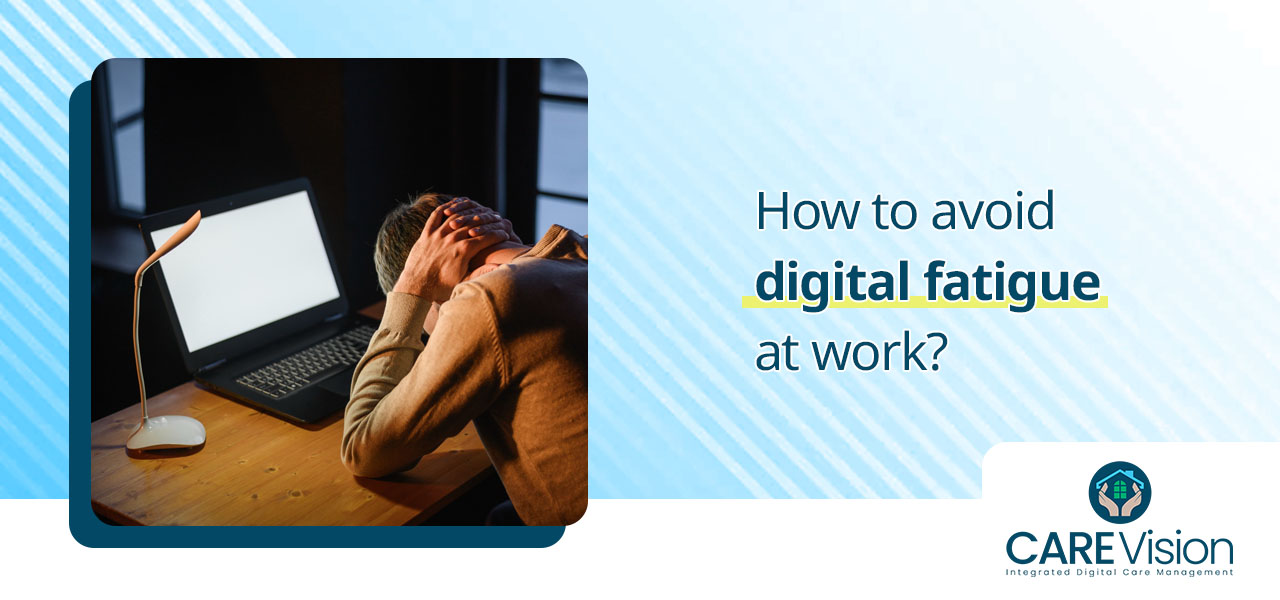
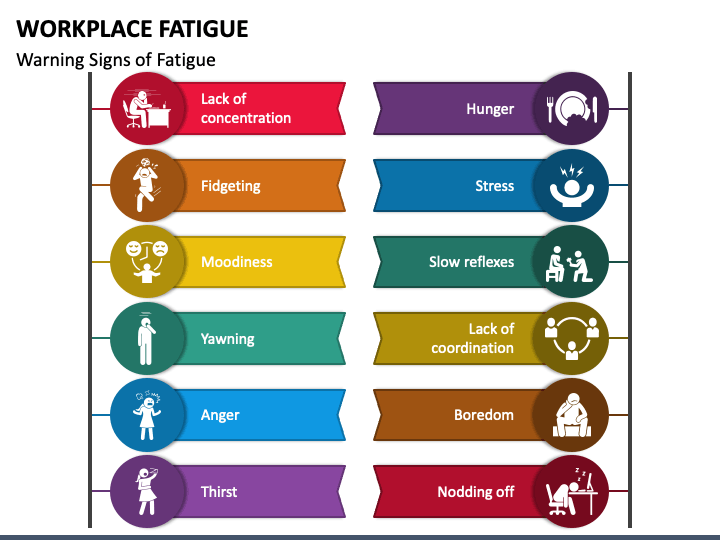
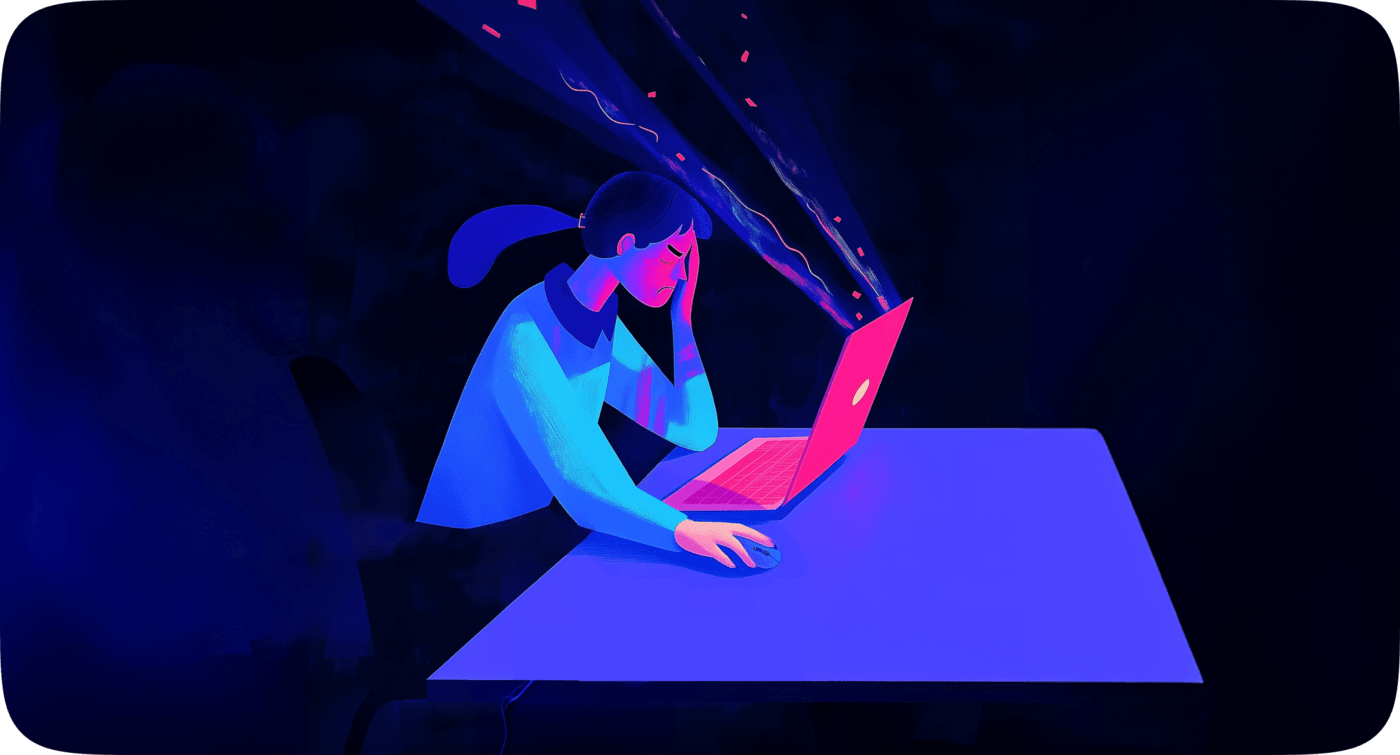
Are you and your employees feeling drained by screens, pings, and endless emails? The modern workplace depends on digital tools, but the constant screen time and notifications come at a cost: digital fatigue. Characterized by mental exhaustion, reduced focus, and decreased productivity, it's essential to learn how to manage digital fatigue in the workplace.
Understanding Digital Fatigue
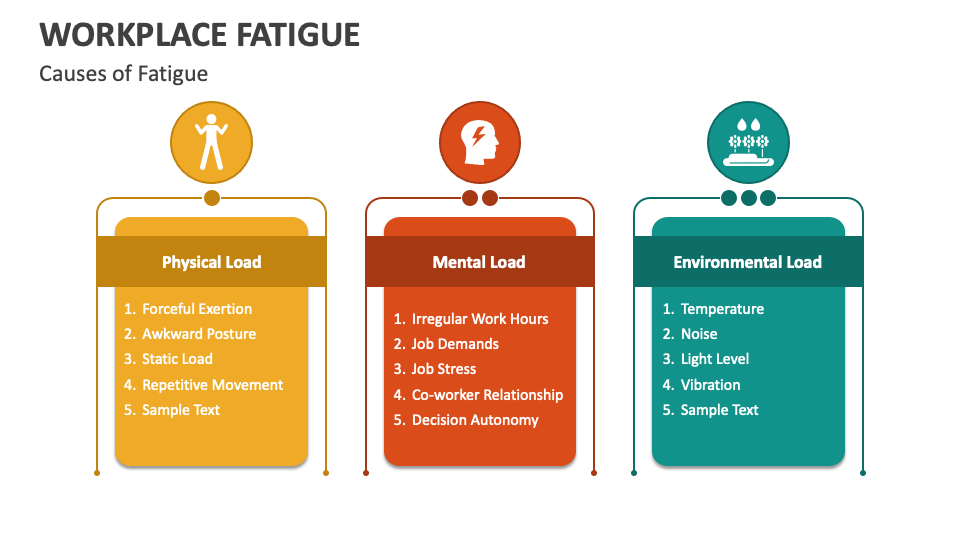
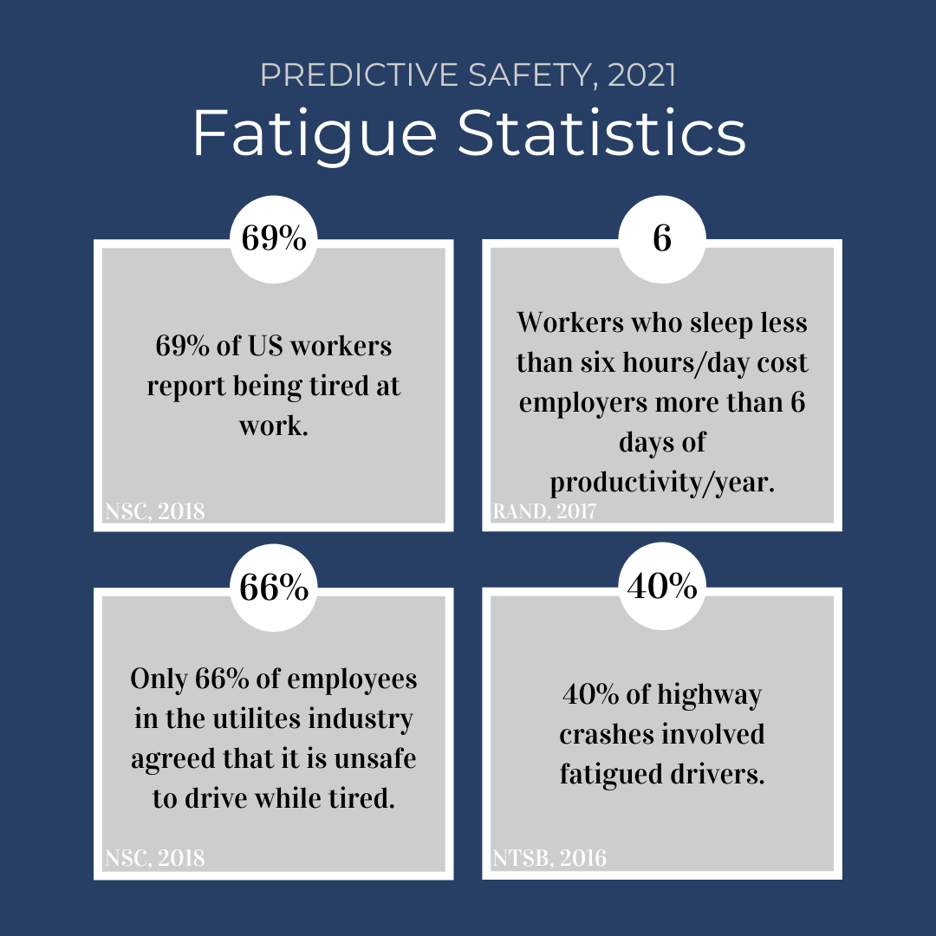
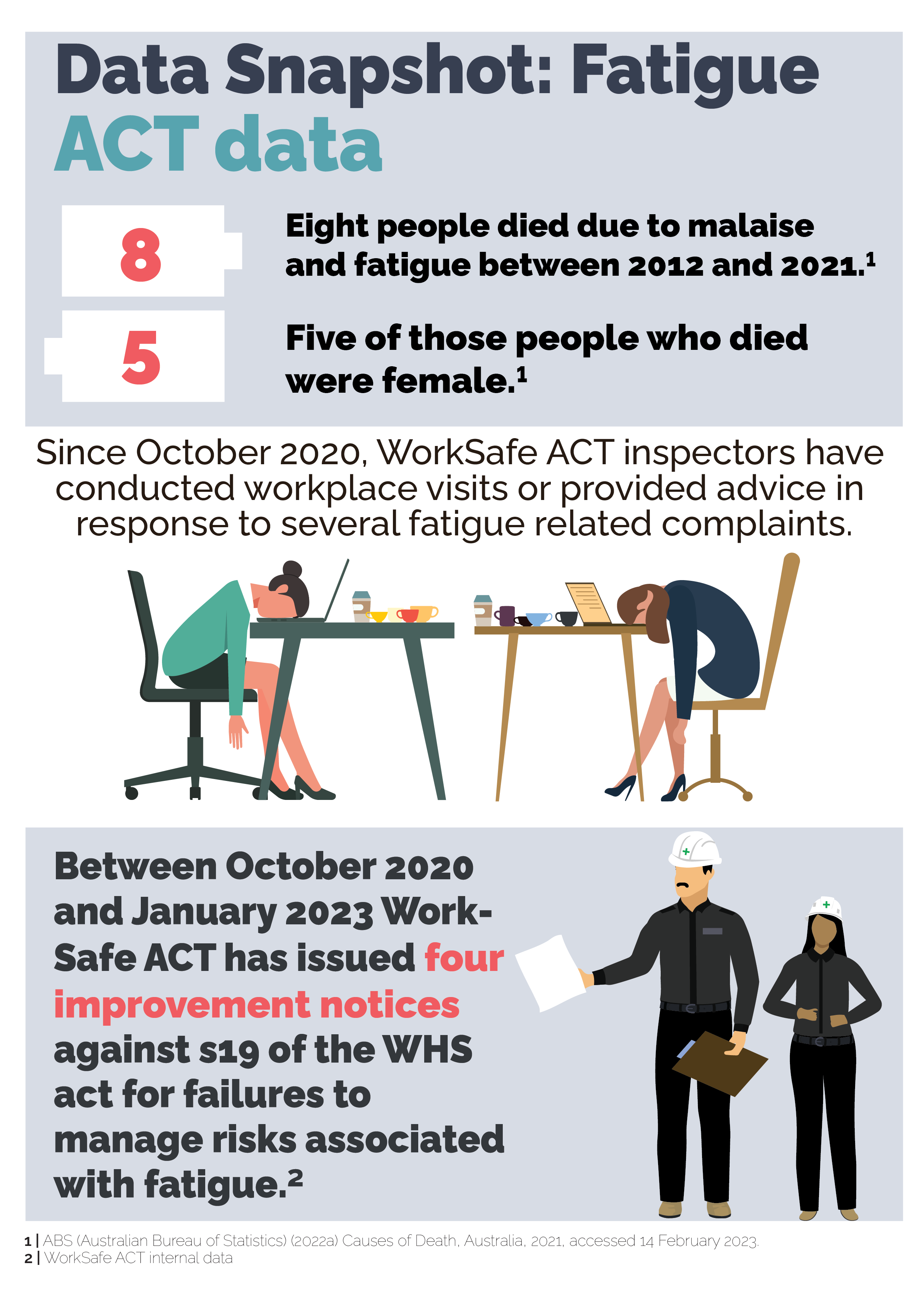
Defined as physical and mental exhaustion linked to excessive exposure to digital technologies, digital fatigue is a real and growing concern in the modern workplace. According to recent studies, digital fatigue can lead to decreased productivity, higher turnover rates, and even burnout. The constant availability of information, increased virtual meetings, and excessive use of digital technologies can lead to employees feeling overwhelmed and exhausted.
The Consequences of Digital Fatigue
- Decreased productivity: Constant notifications, emails, and multitasking reduce employee focus and lead to reduced productivity.
- Burnout: Digital fatigue can cause physical and mental exhaustion, leading to burnout and decreased job satisfaction.
- Higher turnover rates: Employees who experience digital fatigue are more likely to leave their jobs due to the strain on their mental and physical health.
- Mistrust and communication breakdowns: Digital fatigue can lead to increased miscommunication and decreased collaboration among team members.
Managing Digital Fatigue in the Workplace
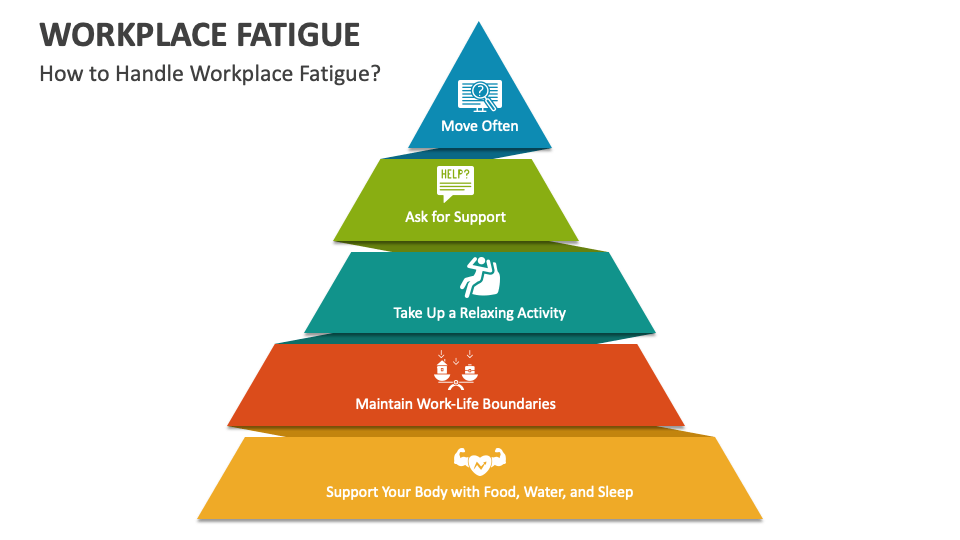
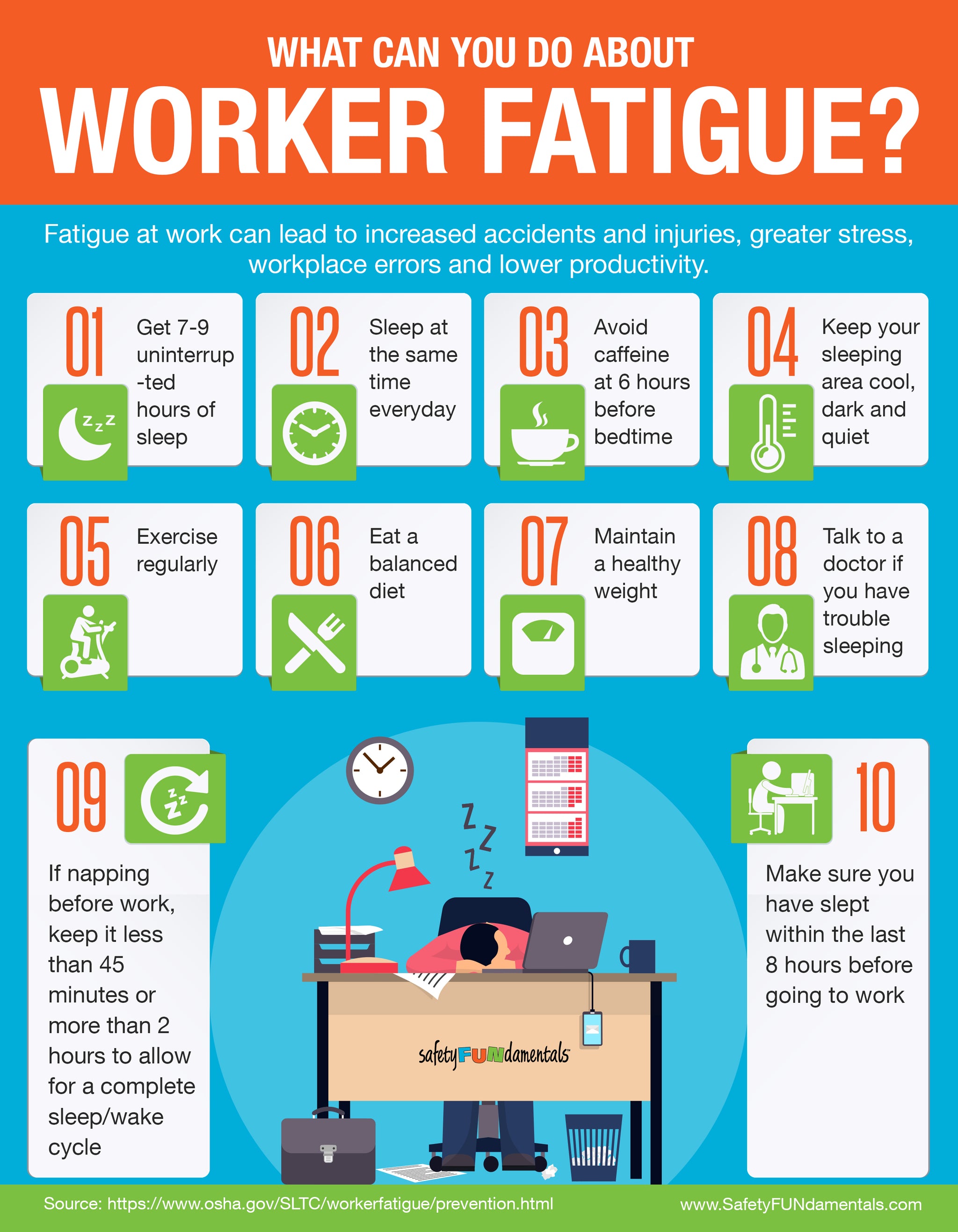
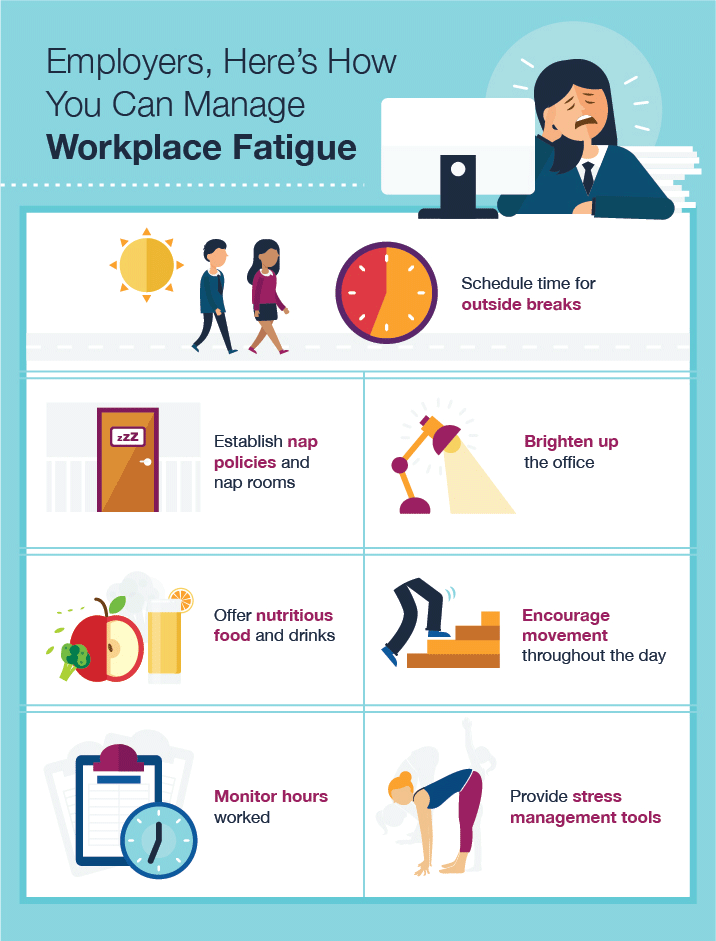
To combat digital fatigue, employers and employees must work together to establish healthy digital habits and boundaries. Here are 10 actionable tips to reduce digital fatigue and improve focus:
- Set clear working hours:** Establish specific work hours and communicate them to employees to prevent overwork and digital fatigue.
- Establish communication boundaries:** Set up strict email and notification rules to minimize distractions and interruptions.
- Implement focus techniques:** Encourage employees to use focus-enhancing tools, such as the Pomodoro Technique, to maintain productivity.
- Provide digital wellness programs:** Offer resources and training on digital wellness, such as stress management and digital self-care.
- Encourage breaks:** Regular breaks and time off can help employees recharge and reduce digital fatigue.
- Offer flexible work arrangements:** Flexibility in work hours and the option to work remotely can help employees manage their digital workload more effectively.
- Monitor and measure digital fatigue:** Keep track of digital usage and monitor employee mental and physical health to identify areas for improvement.
- Lead by example:** Managers and leaders should model healthy digital habits and prioritize their own digital wellness.
- Conduct regular reflections:** Schedule regular sessions for employees to reflect on their digital usage and set goals for improvement.
- Invest in digital well-being initiatives:** Invest in employee wellness programs, digital wellness training, and technology that promotes digital balance.
Conclusion
Managing digital fatigue in the workplace requires a multifaceted approach. By understanding the causes, consequences, and tips to reduce digital fatigue, employers and employees can work together to create a healthier work-life balance and improve overall productivity. Remember, a balanced and sustainable work environment is essential for employee well-being and organisational performance.