Is it Safe to Mix Cat and Dog Food: A Guide to Pet Nutrition
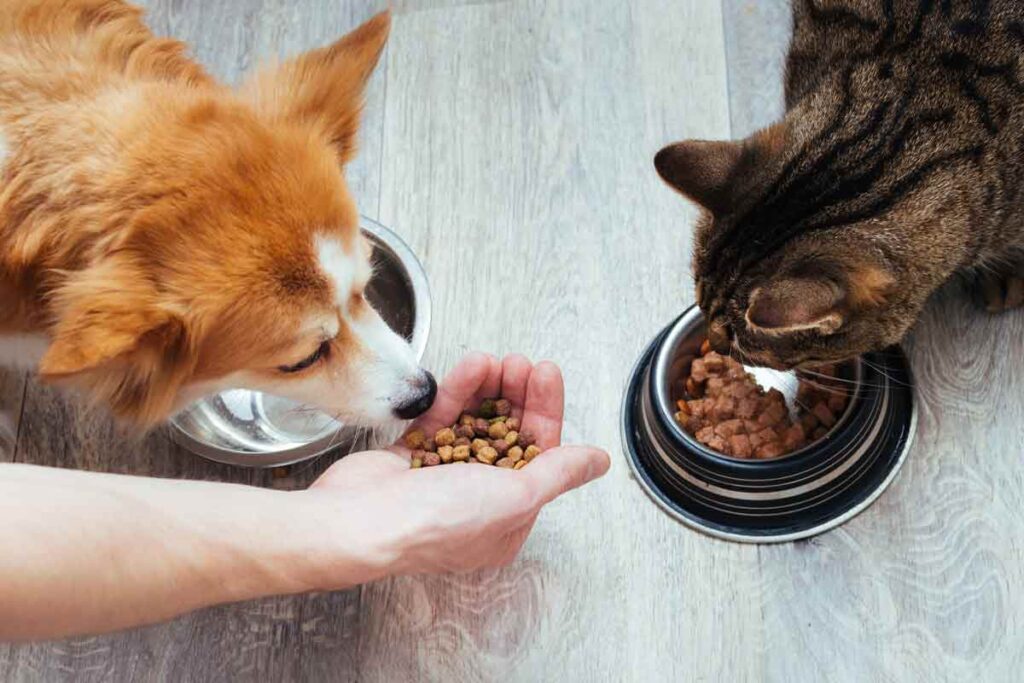
As a responsible pet owner, it's natural to wonder if it's safe to mix cat and dog food. After all, it might seem convenient to feed both pets from the same bowl, especially if you have both cats and dogs living in the same household. However, while it might be tempting to take this approach, it's essential to understand the nutritional needs of both cats and dogs before making any decisions.
Why Cats and Dogs Require Different Diets
Cats and dogs are two distinct species with different nutritional requirements. Cats are obligate carnivores, which means they require a diet rich in meat and animal-based nutrients. Dog food, on the other hand, contains a mix of proteins, grains, and plant matter to meet the dietary needs of dogs. If you mix cat food with dog food, you may inadvertently create a nutritional imbalance that can lead to health problems in both pets.
Nutritional Concerns
- Protein imbalance: Dog food is formulated to provide a balanced mix of protein, fat, and carbohydrates. Cat food, with its higher protein content, can disrupt this balance and lead to nutritional deficiencies.
- Obesity and weight gain: Cat food is often higher in calories and fat, which can contribute to obesity and weight gain in dogs.
- Gastrointestinal upset: Dogs may experience digestive issues if they consume cat food, which can lead to vomiting, diarrhea, or even pancreatitis.
Why Cats Shouldn't Eat Dog Food
While it might seem harmless to let your cat eat dog food, it can actually be detrimental to their health. Cats require a diet rich in taurine and arachidonic acid, which are essential for feline health. Dog food may contain lower amounts of these nutrients, leading to deficiencies that can cause heart problems, vision loss, or even death.
Is It Safe to Mix Cat and Dog Food? What You Need to Know
While it may seem convenient to mix cat and dog food, it's essential to weigh the pros and cons before making a decision. Here are some points to consider:

- Consult a veterinarian: Before mixing cat and dog food, consult with a veterinarian to ensure a balanced and safe diet for your pets.
- Consider nutritional needs: Understand the nutritional requirements of both cats and dogs to ensure that a mixed diet meets their individual needs.
- Watch for digestive issues: Monitor your pets for signs of digestive problems, such as vomiting, diarrhea, or lethargy, if you do decide to mix their food.
Conclusion
In conclusion, while it may seem tempting to mix cat and dog food, this approach can have significant consequences for the health and wellbeing of your pets. Cats and dogs require distinct diets to meet their unique nutritional needs. Consult a veterinarian, consider nutritional requirements, and watch for digestive issues to ensure a safe and balanced diet for your pets.
Alternatives to Mixing Cat and Dog Food
If you're concerned about the nutritional balance of your pets' diets or want to offer variety, consider the following alternatives:
- Rotate dry cat and dog foods: Rotate between different types of dry cat and dog foods to provide variety and minimize the risk of nutritional deficiencies.
- Consult a veterinarian: Work with a veterinarian to create a customized diet plan that meets the nutritional needs of your pets.
- Explore homemade diets: Consider preparing homemade diets for your pets, which can be tailored to meet their individual nutritional requirements.
Final Thoughts
As a responsible pet owner, it's essential to prioritize your pets' health and wellbeing by providing a balanced and safe diet. While mixing cat and dog food might seem convenient, it's not the best approach for your pets' nutritional needs. Consult with a veterinarian, consider nutritional requirements, and explore alternative options to ensure a healthy and happy life for your pets.