Hyperconnectivity in the Sports Industry: Revolutionizing the Future of Sports
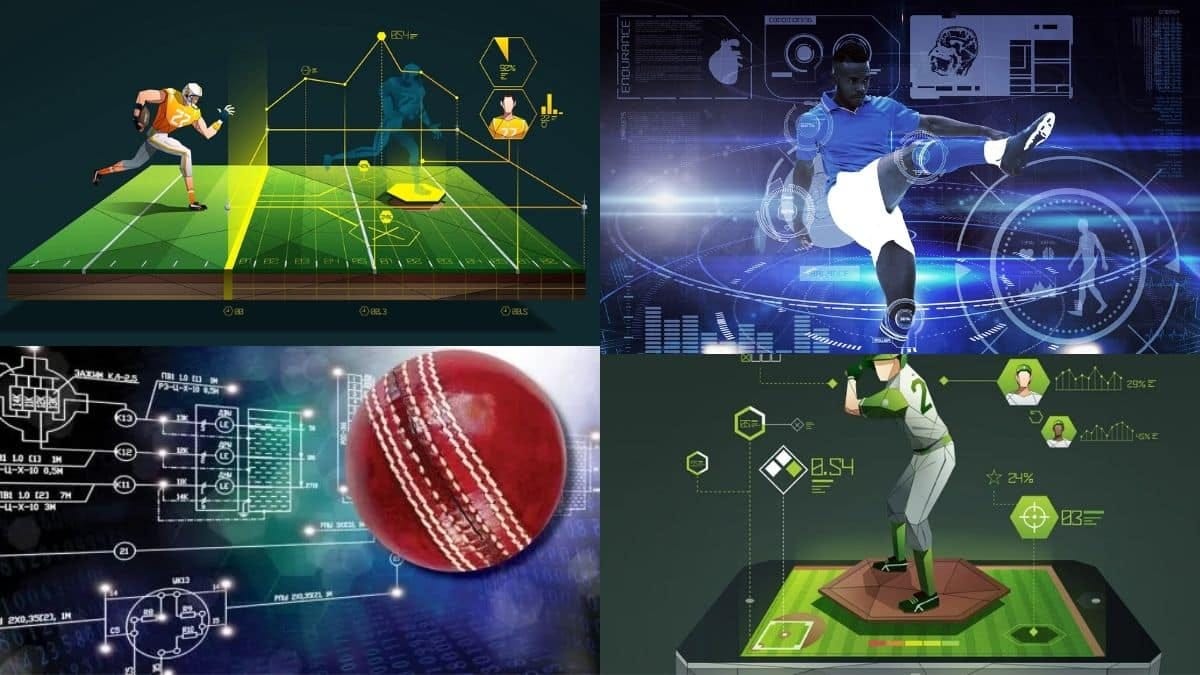
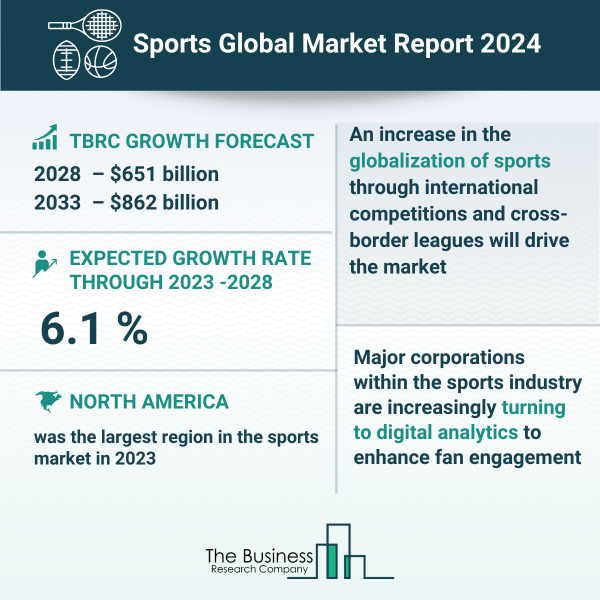
The world of sports is undergoing a profound transformation, driven by the rapid evolution of digital technologies. From fan engagement to athlete performance, data analytics, and immersive experiences, virtual and augmented reality are revolutionizing the way we consume and interact with sports. In this article, we will explore the concept of hyperconnectivity in the sports industry and its impact on the future of sports.Understanding Hyperconnectivity
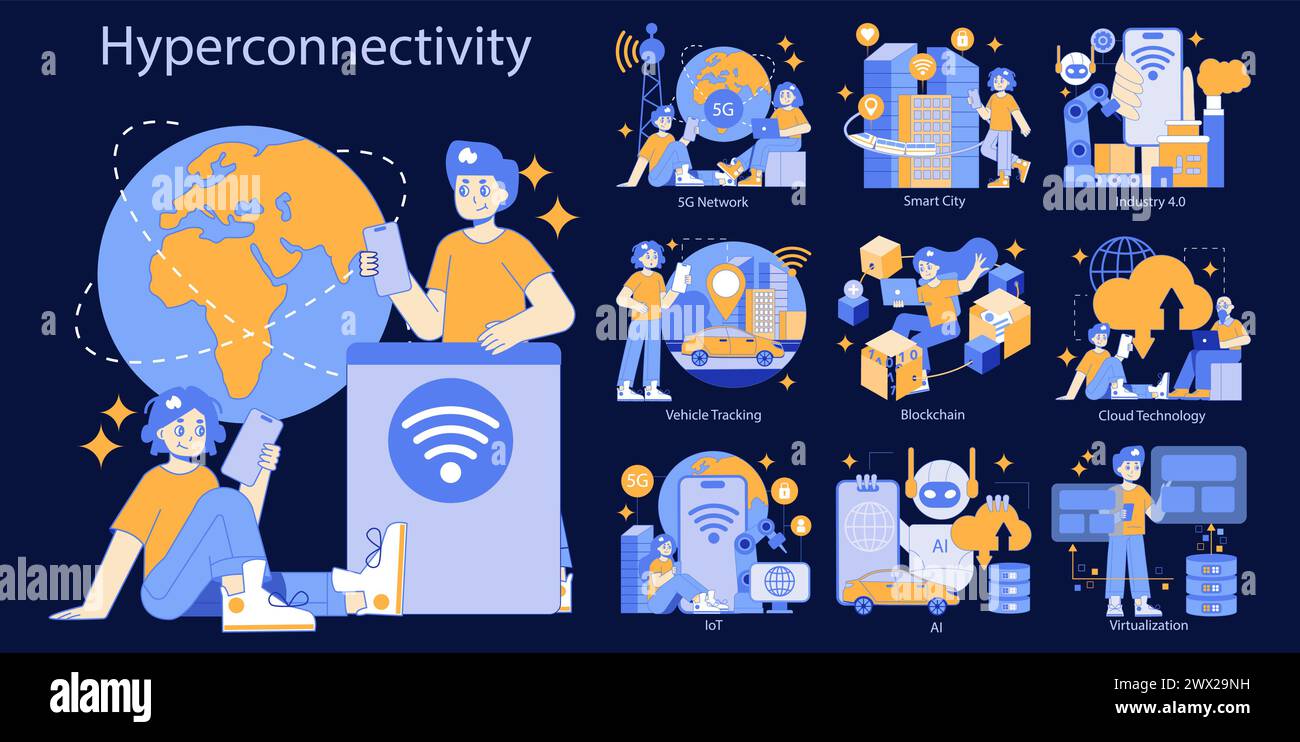
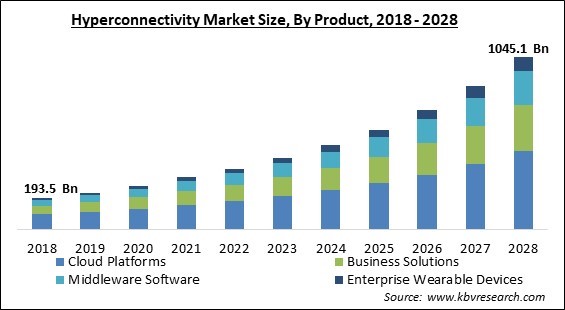
Hyperconnectivity refers to the increasing interconnectedness of devices, people, and systems through digital technologies. In the sports industry, hyperconnectivity is revolutionizing the way teams, players, and fans interact with each other. This includes the use of social media, online streaming platforms, and wearable technology to track athlete performance and provide real-time feedback.Benefits of Hyperconnectivity in the Sports Industry
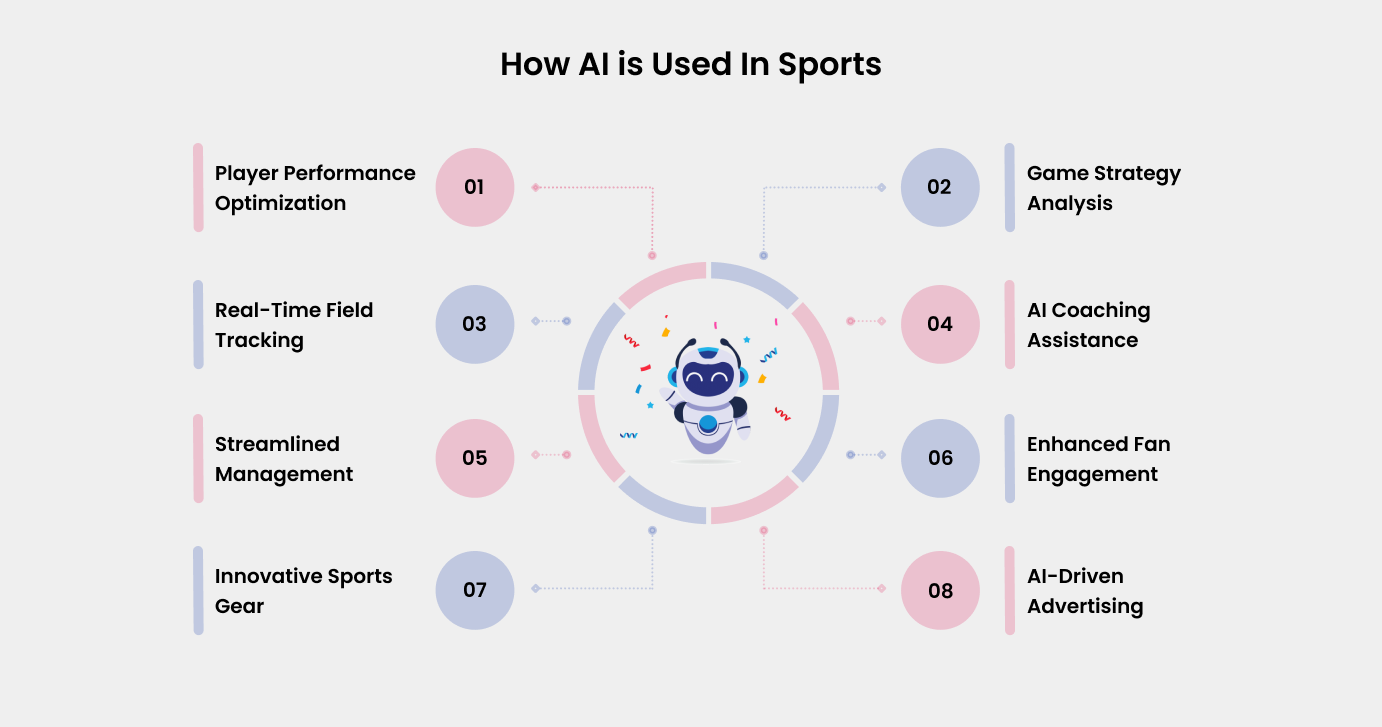
Hyperconnectivity in the sports industry offers numerous benefits, including:- Improved fan engagement: Social media and online streaming platforms provide fans with a more immersive and personalized experience, allowing them to engage with their favorite teams and players in real-time.
- Enhanced athlete performance: Wearable technology and data analytics help athletes track their performance, identify areas for improvement, and develop customized training plans.
- Increased revenue: Digital technologies provide new revenue streams for teams and leagues, including streaming rights, sponsorships, and ticket sales.
- Better decision-making: Data analytics and machine learning help team owners and managers make informed decisions about player recruitment, roster management, and game strategy.
Challenges and Opportunities

- Security and data protection: The increasing use of digital technologies raises concerns about data security and protection, particularly when it comes to sensitive information related to athlete performance and team strategy.
- Equity and accessibility: The adoption of digital technologies may create a divide between teams and leagues that have the resources to adapt and those that do not.
- Compliance and regulation: The sports industry is subject to various regulations and laws, including those related to data protection, antitrust, and labor laws.