Hyperconnectivity and Social Comparison: The Double-Edged Sword of Digital Living
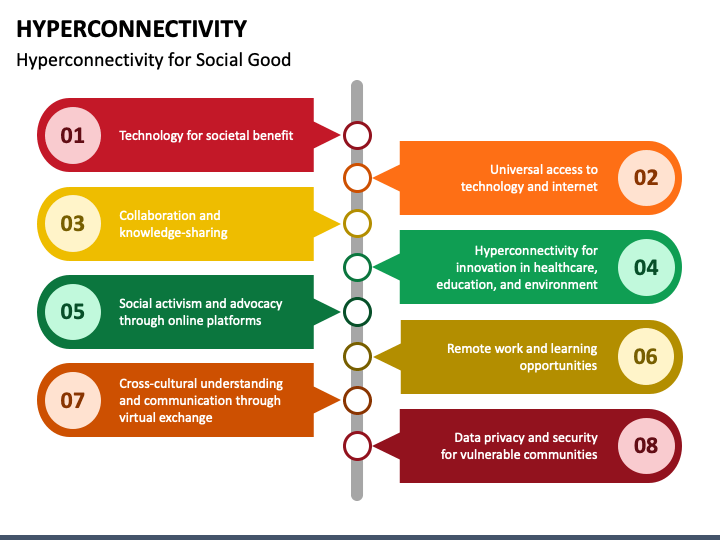
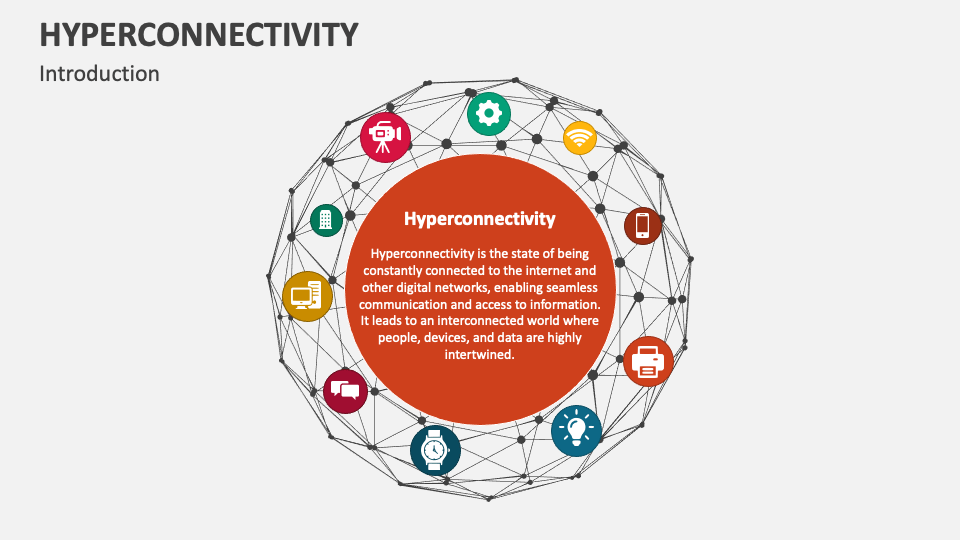
Living in a world where technology has seamlessly integrated into our daily lives, we are constantly connected to the global network. The rapid advancement of information and communication technologies has given rise to the concept of hyperconnectivity, a term invented by social scientists Anabel Quan-Haase and Barry Wellman. Hyperconnectivity refers to the extensive and simultaneous connections between individuals, machines, and digital interfaces, transforming the way we interact, communicate, and construct our identity.
The Impact of Hyperconnectivity on Social Interaction
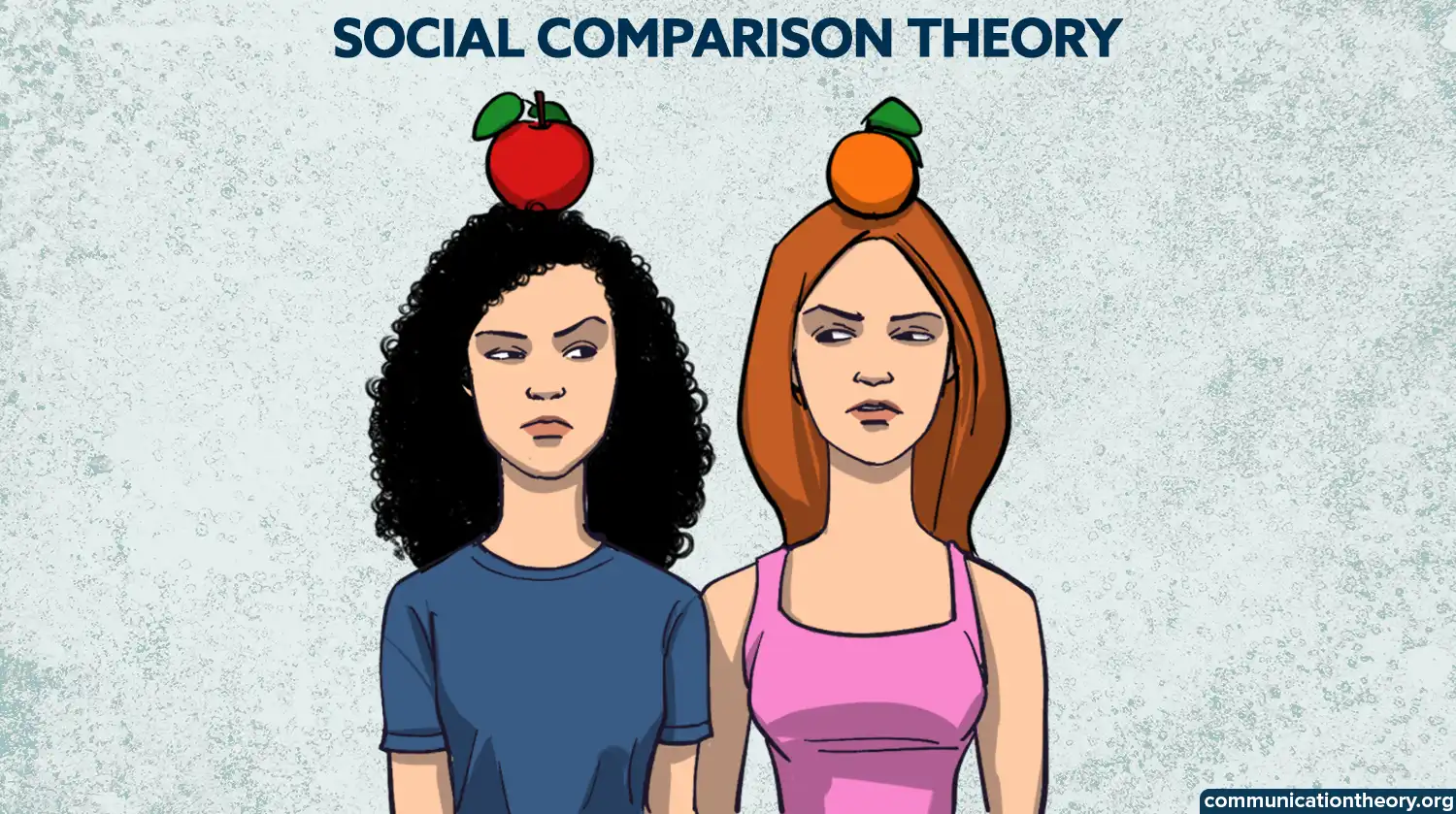
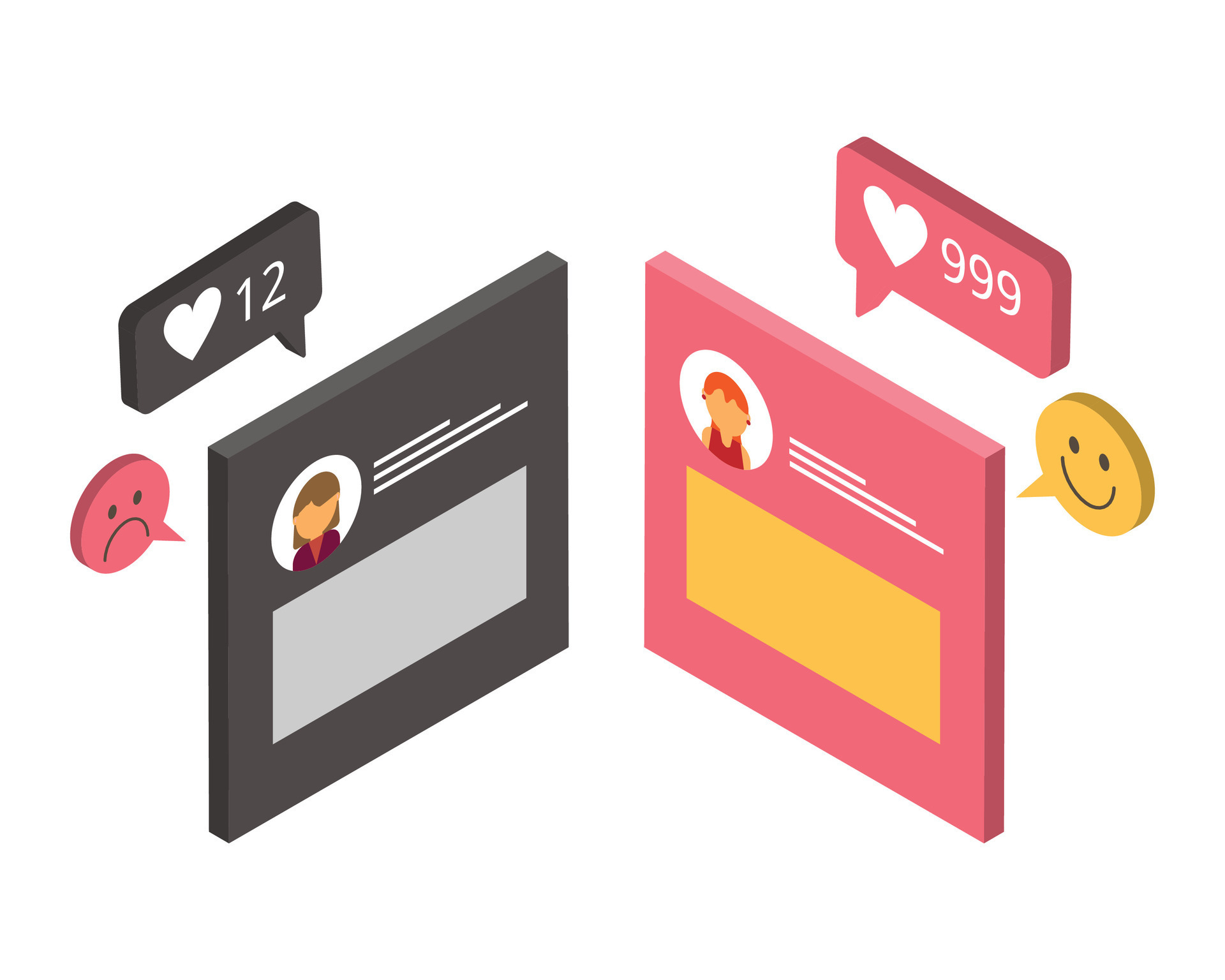
Social media platforms have become an integral part of our lives, allowing us to connect with others across geographical boundaries. However, this increased connectivity has also given rise to a phenomenon known as social comparison. Social comparison involves evaluating oneself against others, which can have both positive and negative effects on our self-esteem and motivation.
- Positive effects of social comparison: Engaging in upward comparison can inspire growth and motivate individuals to improve themselves.
- Negative effects of social comparison: Downward comparison can lead to feelings of inadequacy, low self-esteem, and depression.
The Psychology of Social Comparison
Research has shown that social comparison is a fundamental aspect of human behavior. We constantly evaluate ourselves against others to determine our place in society, compare our achievements, and measure our success. This phenomenon is deeply rooted in our brain's reward system, which is responsible for processing emotions and motivation.
The Dark Side of Hyperconnectivity
While hyperconnectivity has made the world appear smaller, it has also had a profound impact on our mental health. The constant exposure to social media, emails, and online news can overwhelm our nervous system, leading to mental fatigue, anxiety, and social isolation. Hyperconnectivity has also been linked to:
- Decreased attention span
- Increased risk of depression and anxiety
- Reduced face-to-face interactions
- Perpetuation of social comparison and its negative effects
Breaking the Cycle of Social Comparison
To mitigate the negative effects of social comparison and hyperconnectivity, it is essential to adopt a mindful approach to social media use. Here are some strategies to help you break the cycle of social comparison:
- Prioritize face-to-face interactions
- Set boundaries on social media use
- Practice gratitude and self-compassion
- Focus on personal achievements and progress
- Seek help if social comparison becomes overwhelming
Conclusion
Hyperconnectivity and social comparison are intertwined phenomena that have revolutionized the way we live, interact, and construct our identity. While technology has made it easier for us to connect with others, it has also created new challenges for our mental health and well-being. By being aware of the potential risks and consequences of social comparison, we can take steps to mitigate its negative effects and cultivate a more authentic and fulfilling online presence.