Giving Dogs Acetaminophen and Ibuprofen: Understanding the Risks and Safe Alternatives
The Dangers of Human Medications for Dogs
As pet owners, we all want to alleviate our furry friends' pain and discomfort whenever they're suffering from an injury or illness. However, when it comes to giving human medications like acetaminophen and ibuprofen to our dogs, we need to exercise extreme caution and understand the potential risks involved.
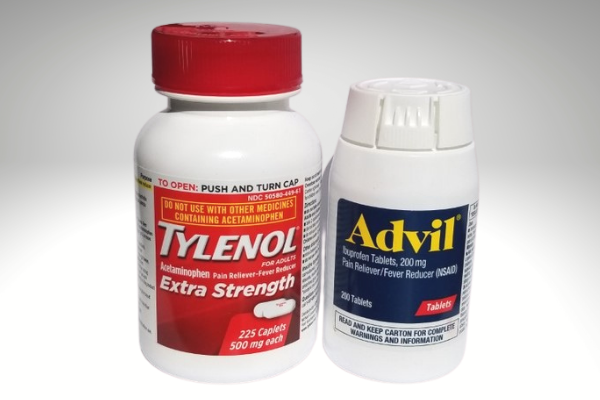
Human medications, such as ibuprofen and acetaminophen, can have serious side effects in dogs, including kidney damage, gastrointestinal ulcers, and liver toxicity. These medications are often found in our homes, leading to common exposure and poisoning cases in pets.
Why Acetaminophen and Ibuprofen Are Toxic to Dogs
Acetaminophen, commonly known as Tylenol, contains a substance that affects the liver's ability to process toxins. In dogs, even small doses of acetaminophen can overwhelm the liver's detoxification pathways, leading to poisoning. Symptoms of acetaminophen toxicity in dogs include vomiting, lethargy, swelling of the face or paws due to fluid retention, and in severe cases, liver failure and death.
Ibuprofen, on the other hand, is an NSAID (nonsteroidal anti-inflammatory drug) that can be toxic for dogs, even at low doses. Ibuprofen is absorbed more quickly and remains in the bloodstream for longer in dogs than in humans, increasing the risk of serious side effects.
Why Pet Parents Are Misled
As pet owners, it's natural to wonder if giving our dogs human medications would help alleviate their pain and discomfort. However, not all pain relievers are created equal. While human medications might be effective for us, they can be deadly for our furry friends.
According to the ASPCA's Animal Poison Control Center, over-the-counter medications, including ibuprofen and acetaminophen, are among the top causes of poisoning cases in pets.

Safe Pain Relief Alternatives for Dogs
Fortunately, there are several alternative pain management options available for dogs, which can be safer and more effective than human medications.
These include:
- Carprofen: A nonsteroidal anti-inflammatory drug specifically designed for canine use.
- Meloxicam: Another NSAID designed for dogs, often prescribed for arthritis treatment.
- Carisoprodol: A muscle relaxant that can help relieve muscle spasms and pain.
- Amantadine: A medication that can help alleviate pain associated with arthritis, cancer, and fibromyalgia.
What to Do If Your Dog Ingested Acetaminophen or Ibuprofen
If you suspect your dog has ingested acetaminophen or ibuprofen, seek immediate veterinary attention. Prompt treatment can significantly improve outcomes.
Conclusion
When it comes to pain management for dogs, it's essential to understand the risks associated with human medications like acetaminophen and ibuprofen. Instead of turning to these medications, work with your veterinarian to find safe, veterinarian-approved alternatives that cater to your dog's specific needs.
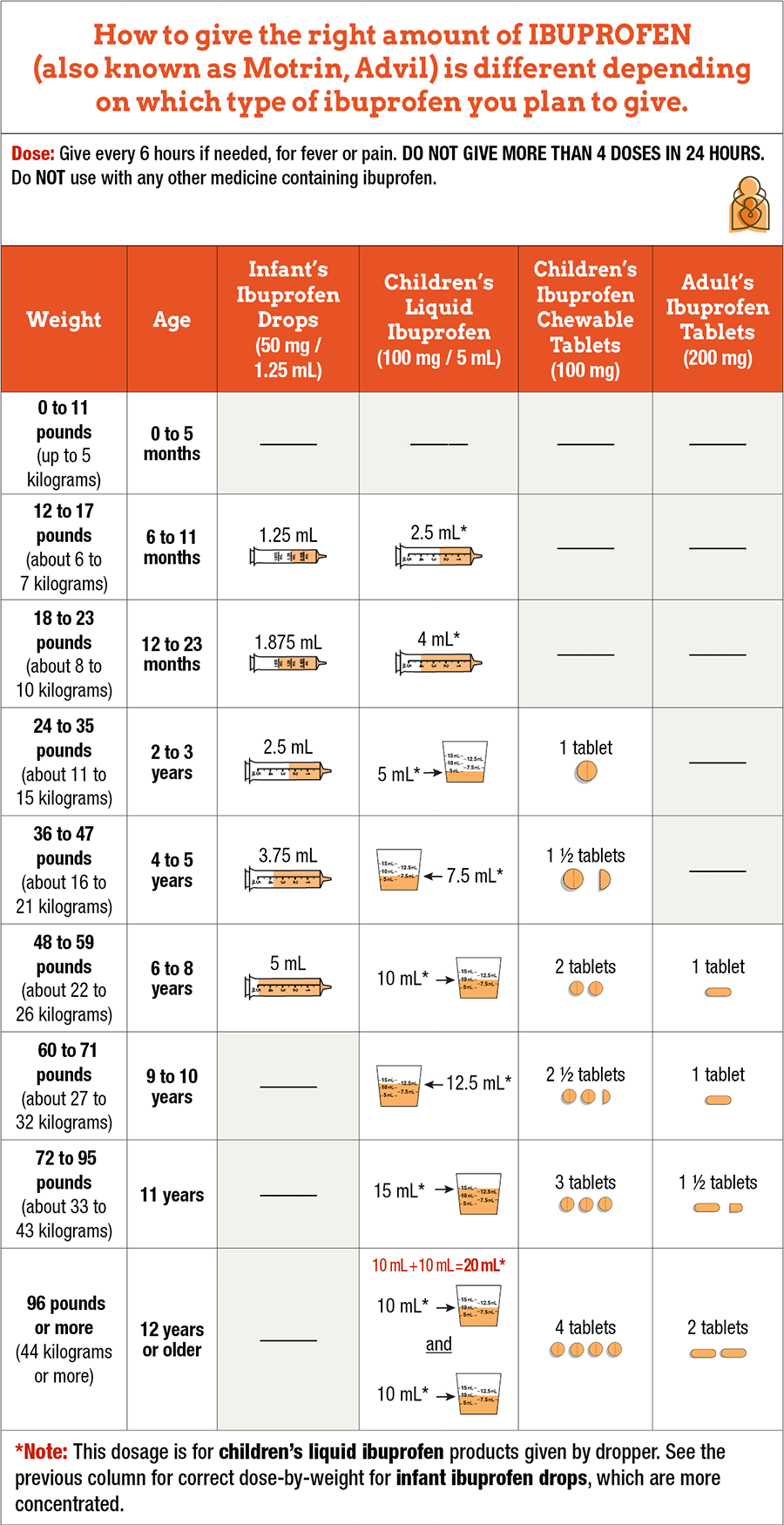
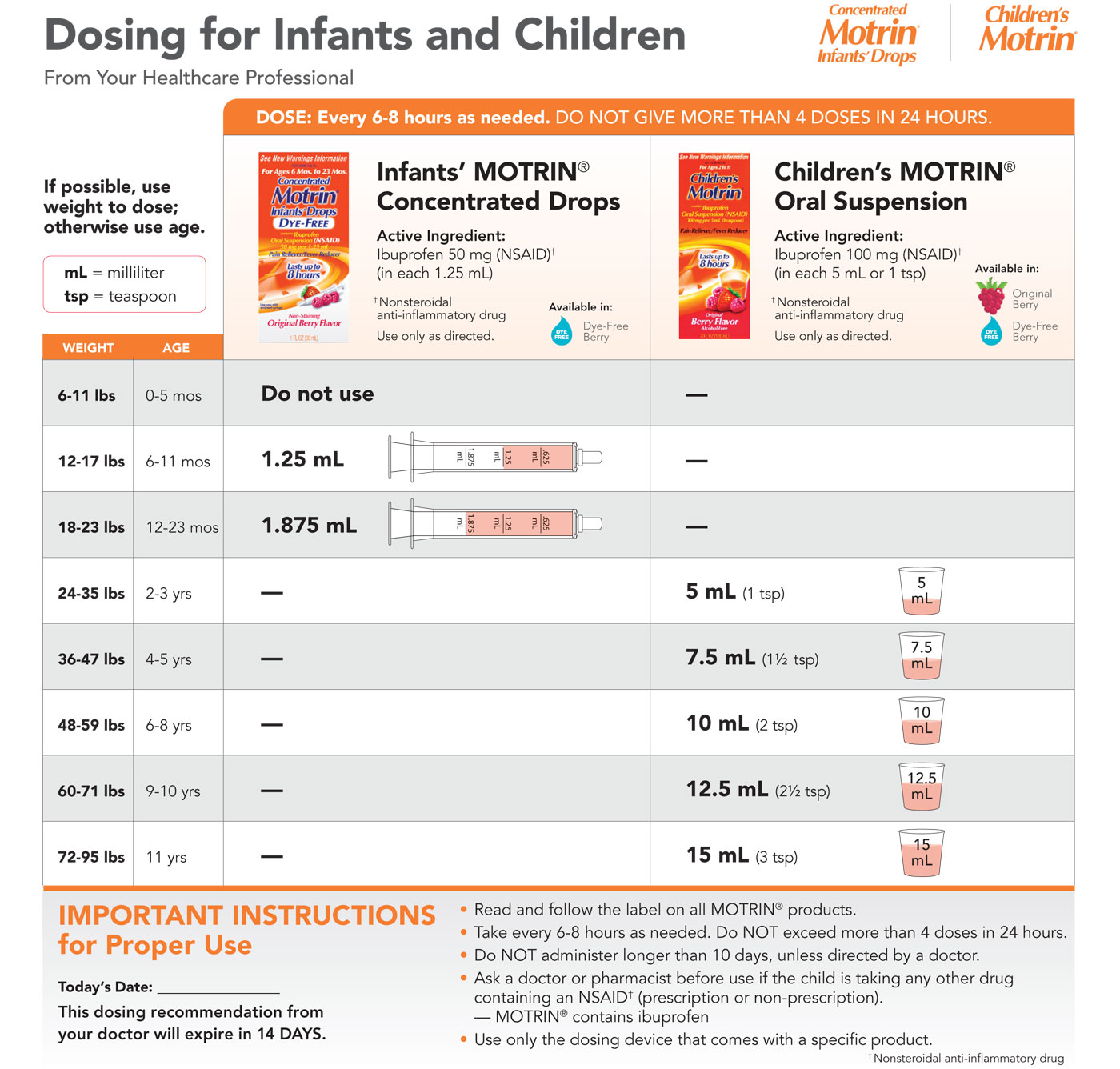
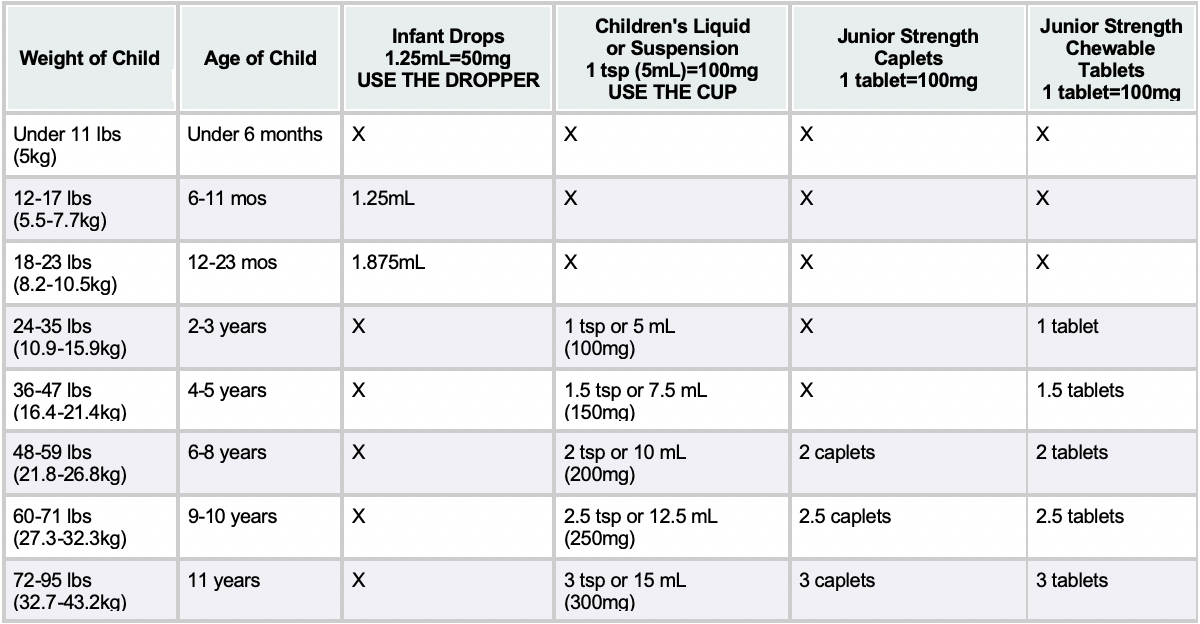
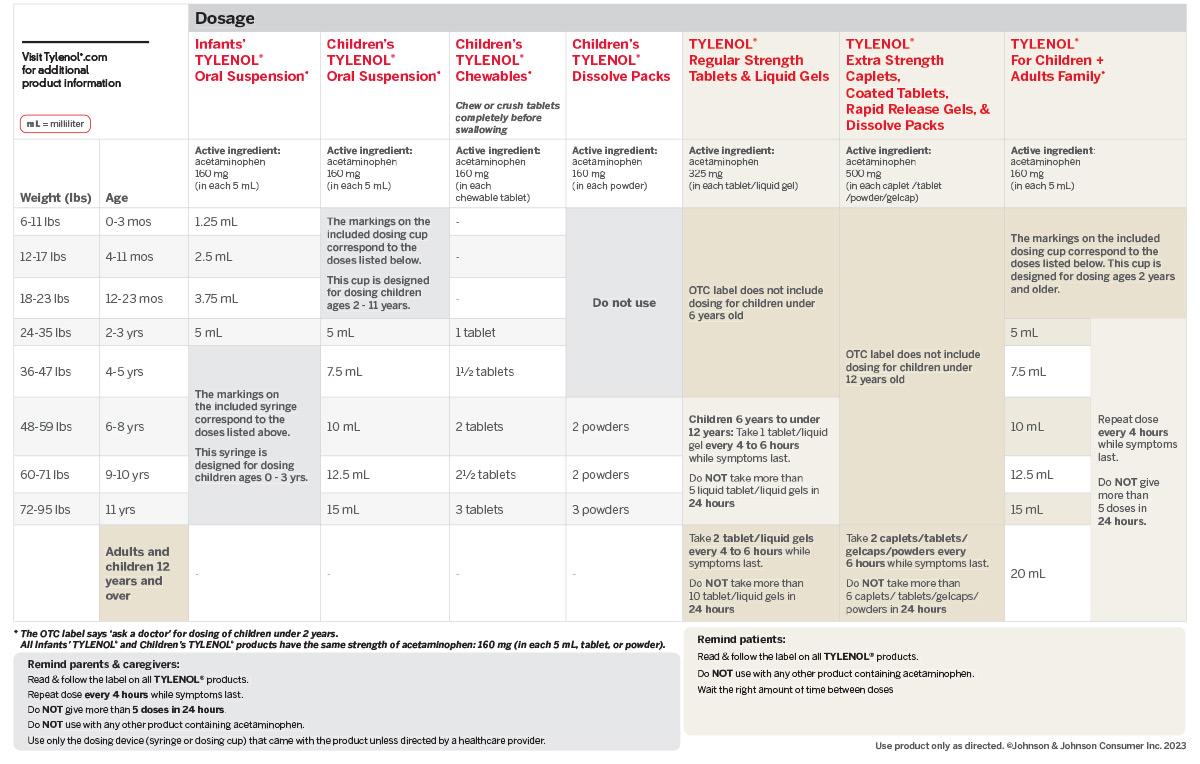
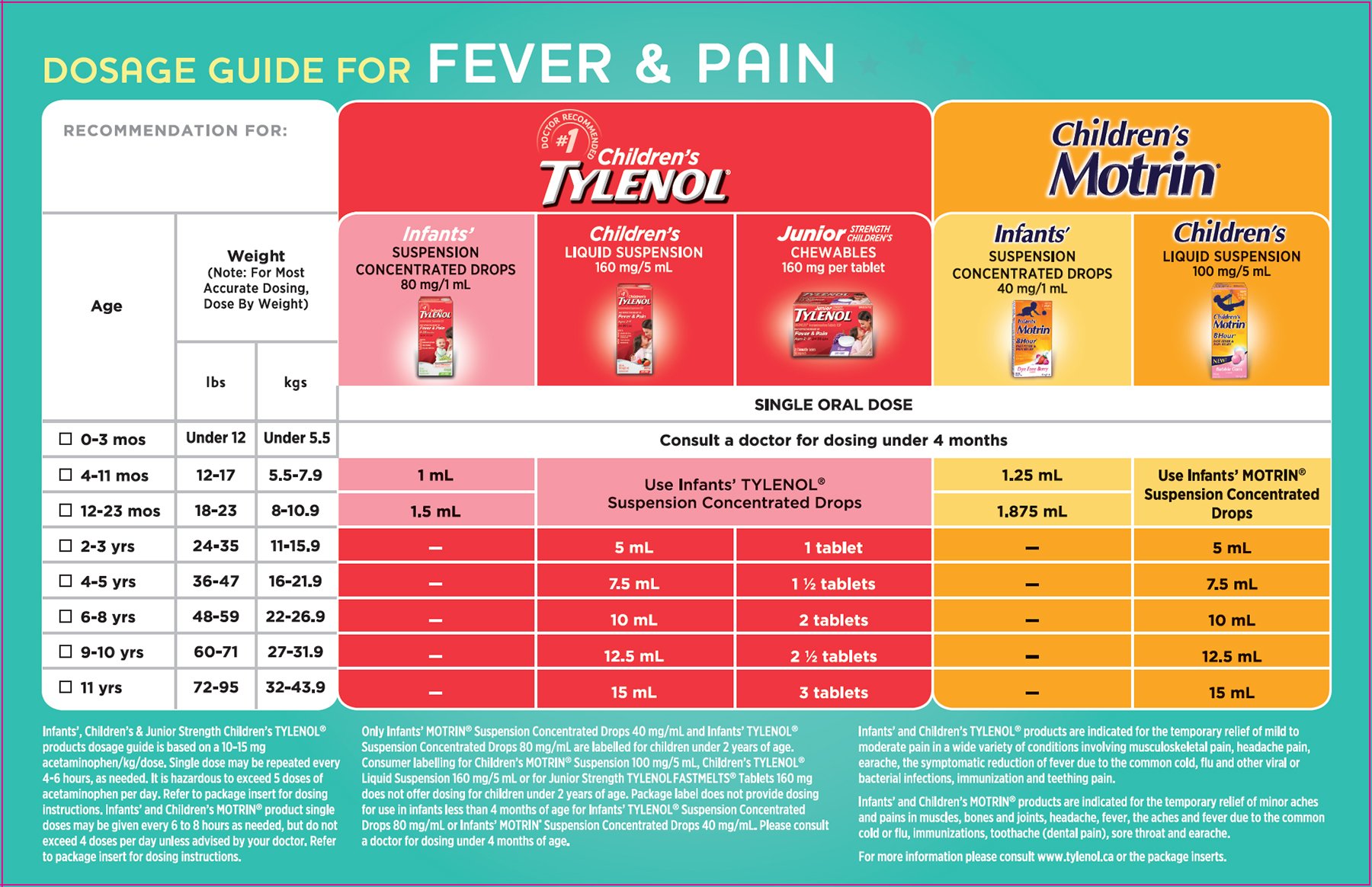
Remember, a dosing chart or online resources are not a reliable substitute for professional veterinary advice. If you have any questions or concerns about pain relief for your dog, consult with your veterinarian for guidance.