FOMO in Business Relationships: Understanding the Impact on Management and Leadership
When business FOMO arises, it's essential to pause and ask yourself the real question. Would this event have moved you toward your goals, or would it simply have made you feel included? In today's fast-paced business environment, FOMO (Fear of Missing Out) has emerged as a significant influencer of management and leadership, corporate reality, and market dynamics. Executives, employees, and customers alike are motivated by FOMO, and this influence is so far-reaching that understanding its impact is crucial.
Understanding the Concept of FOMO
FOMO is often associated with social media and the fear of missing out on social events or experiences. However, in the context of business relationships, FOMO refers to the fear of missing out on opportunities, connections, or growth. This phenomenon can manifest in various ways, from constant social media comparison to dissatisfaction with current business relationships and an excessive focus on networking.
The Impact of FOMO on Business Relationships
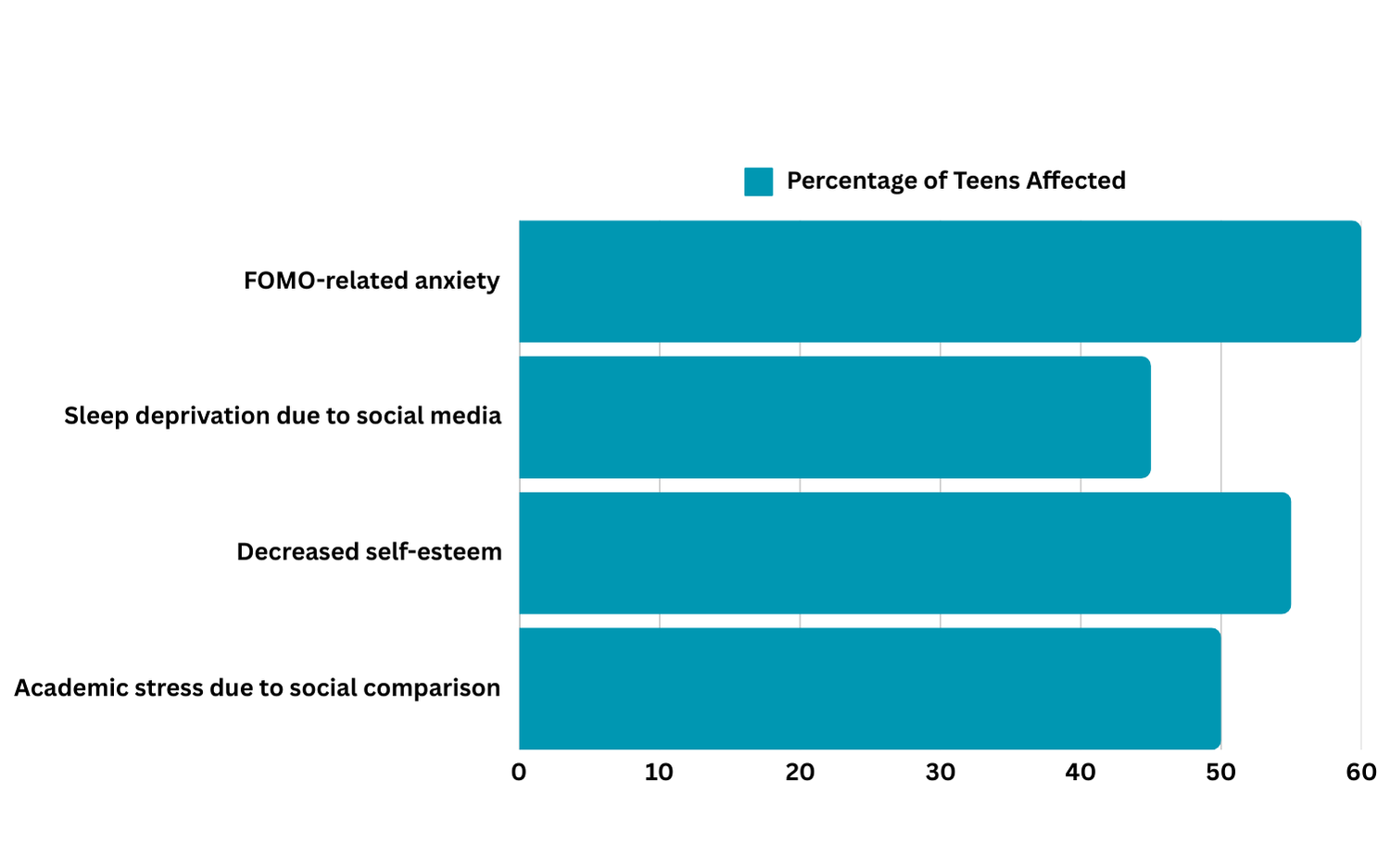
When FOMO sets in, it can lead to impulsive decision-making, compromising business relationships and productivity. Executives and employees may start to constantly compare themselves with others, feeling pressure to keep up with the latest trends and opportunities. This can result in a lack of focus on individual goals and an increased sense of stress.
- Impulsive decision-making: Constantly seeking new opportunities can lead to impulsive decisions that may not align with business goals.
- Comparison and competition: FOMO can fuel comparison and competition among individuals, damaging business relationships and fostering a cutthroat culture.
- Reduced productivity: Excessive focus on social media, networking, and keeping up with trends can distract from core business activities and reduce productivity.
- Increased stress: Constantly feeling pressured to stay current and connected can lead to increased stress levels, affecting mental and physical health.
The Fine Line Between Persuasion and Manipulation
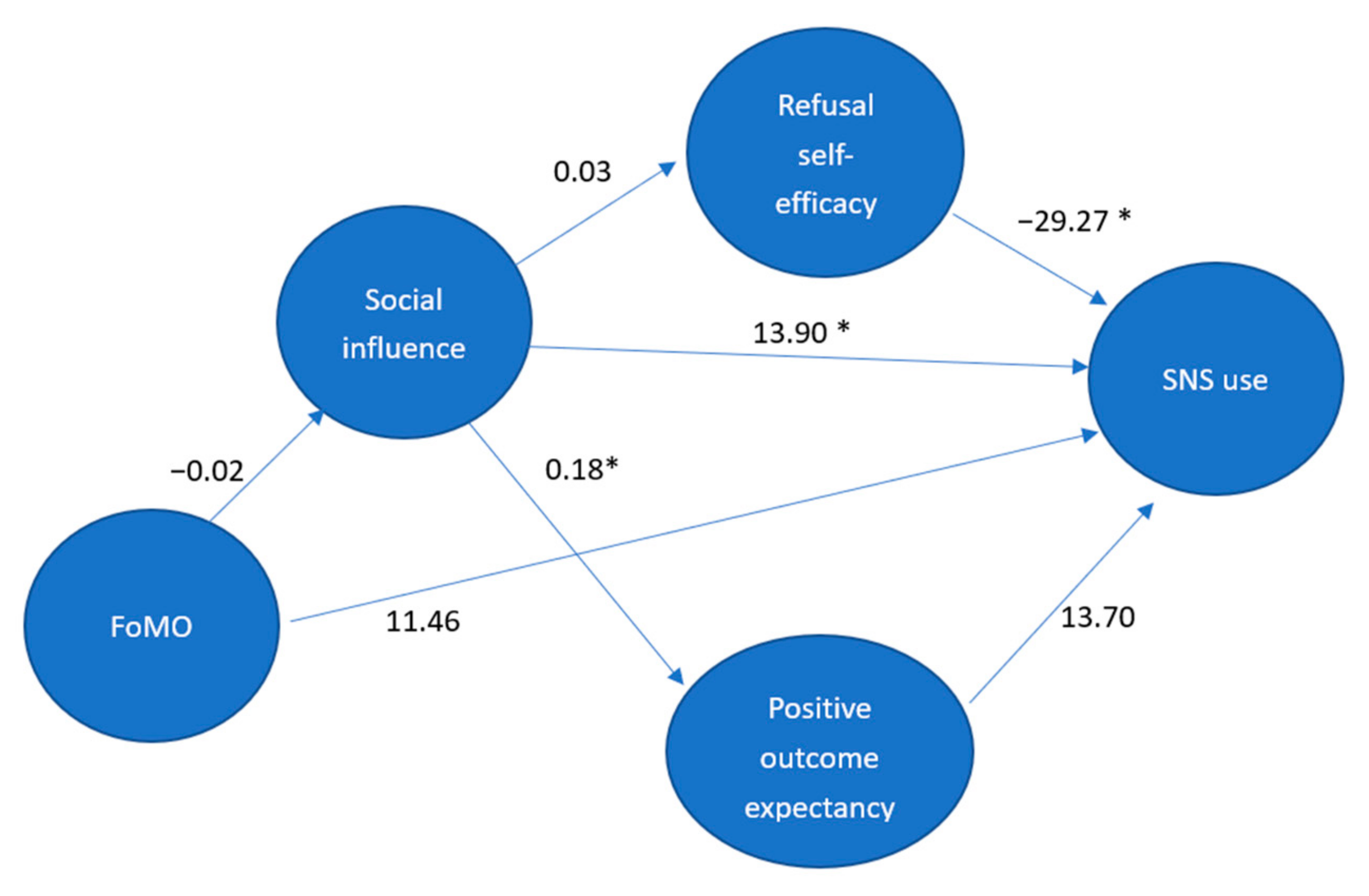
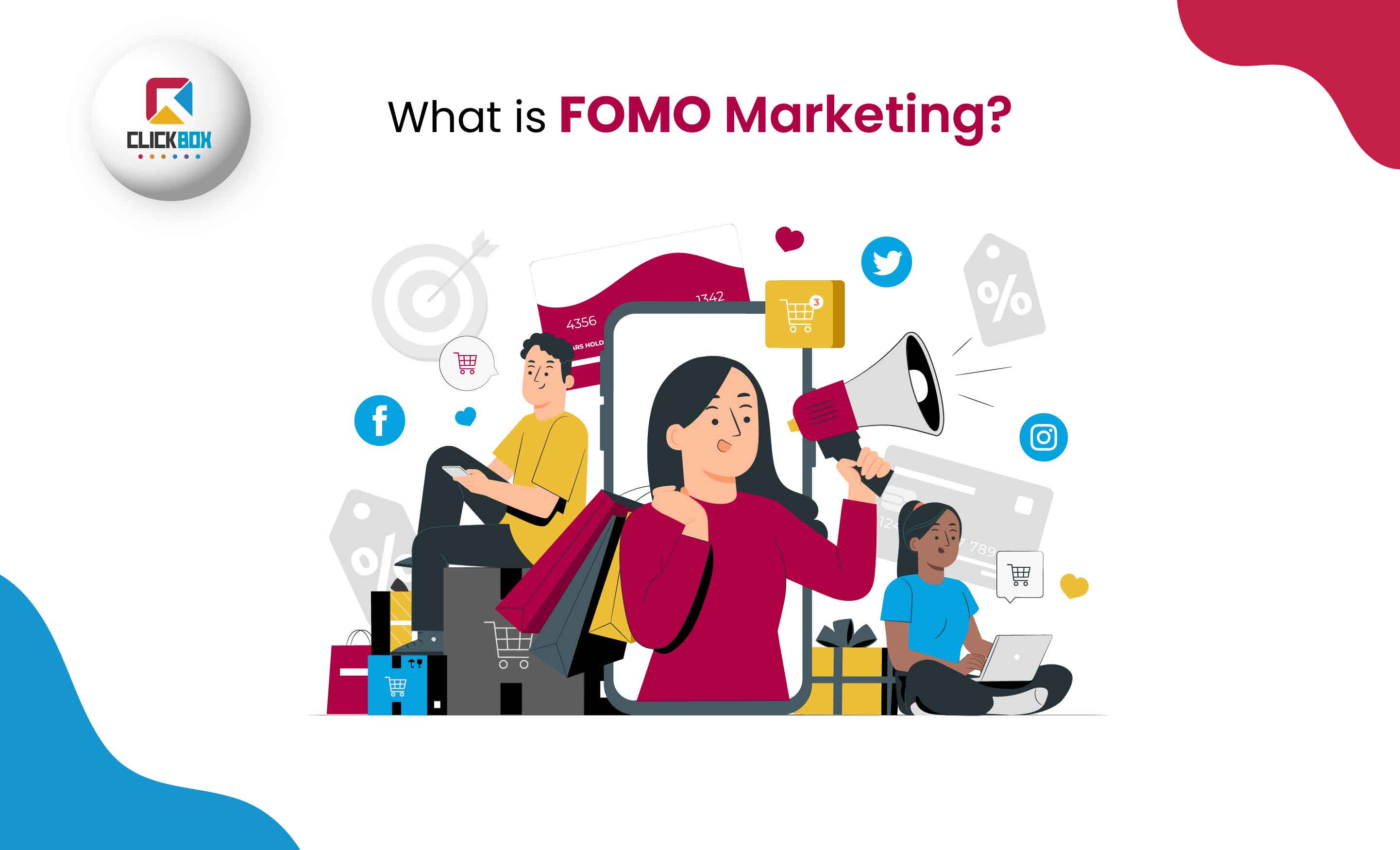
Brands often use FOMO as a marketing strategy, employing psychological triggers to drive action. While this can be effective in the short-term, it raises questions about the ethics of manipulation versus persuasion. Brands must be aware of the fine line between driving business growth and exploiting customers' psychological vulnerabilities.
Managing FOMO in Business Relationships
To mitigate the negative effects of FOMO, businesses can focus on developing a culture of awareness, inclusivity, and respectful communication. This can involve:
- Encouraging open communication: Fostering an environment where employees feel comfortable sharing their concerns and ideas can help reduce FOMO.
- Setting clear goals and priorities: Establishing clear business objectives and individual goals can help focus efforts and reduce the need for unnecessary networking.
- Emphasizing work-life balance: Encouraging employees to maintain a healthy work-life balance can help reduce stress and the negative impacts of FOMO.
- Developing inclusive policies: Creating policies that promote diversity and inclusion can help reduce feelings of exclusivity and competition.
Conclusion
In conclusion, FOMO is a pervasive influence on business relationships, affecting management and leadership, corporate reality, and market dynamics. By understanding the impact of FOMO and adopting strategies to manage its negative effects, businesses can cultivate a culture of awareness, inclusivity, and respectful communication. This can help mitigate the risks associated with FOMO and foster a more productive and fulfilling work environment.