Exercising Safely During Pregnancy: A Guide to a Healthy and Happy Pregnancy
Pregnancy is a beautiful and life-changing experience, but it can also bring about numerous physical and emotional changes. Staying active during this period is crucial for both the mother and the baby. In this article, we will discuss the benefits of exercising safely during pregnancy, the types of exercises that are safe and beneficial, and the precautions to take to ensure a healthy and happy pregnancy.Why Exercising During Pregnancy is Important
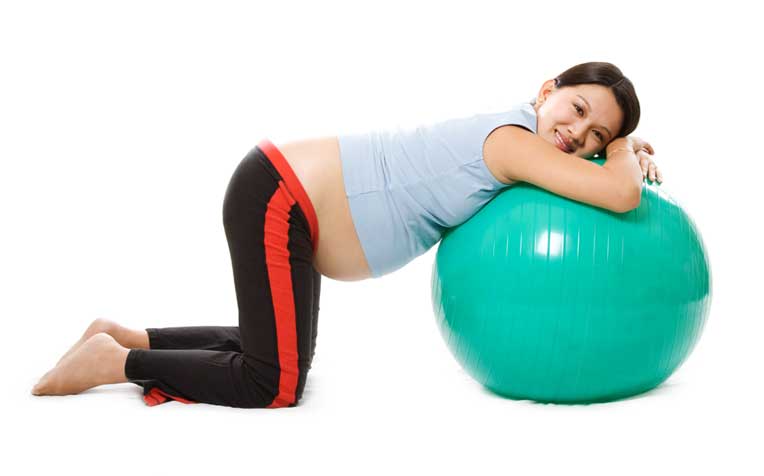
Exercising during pregnancy has numerous benefits for both the mother and the baby. Regular physical activity can help: * Maintain overall health and well-being * Prepare the body for labor and delivery * Lower the risk of certain complications, such as gestational diabetes and preeclampsia * Improve mood, posture, muscle tone, strength, and endurance * Reduce constipation, bloating, swelling, and backaches * Support faster recovery after childbirthWhat Are the Safe Exercises During Pregnancy?
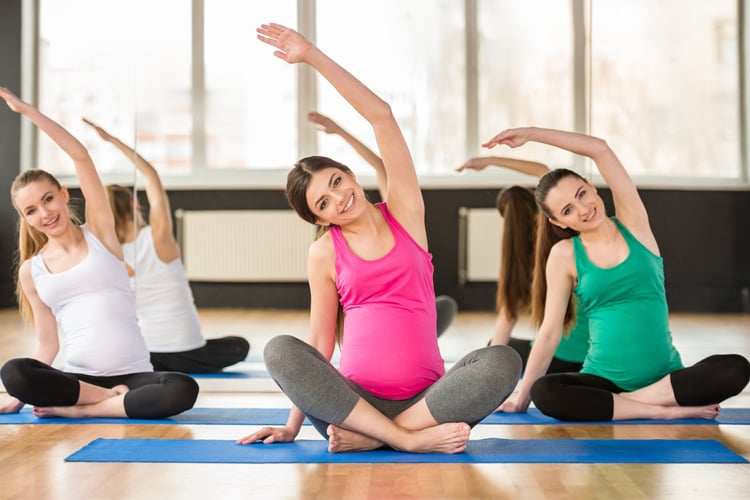
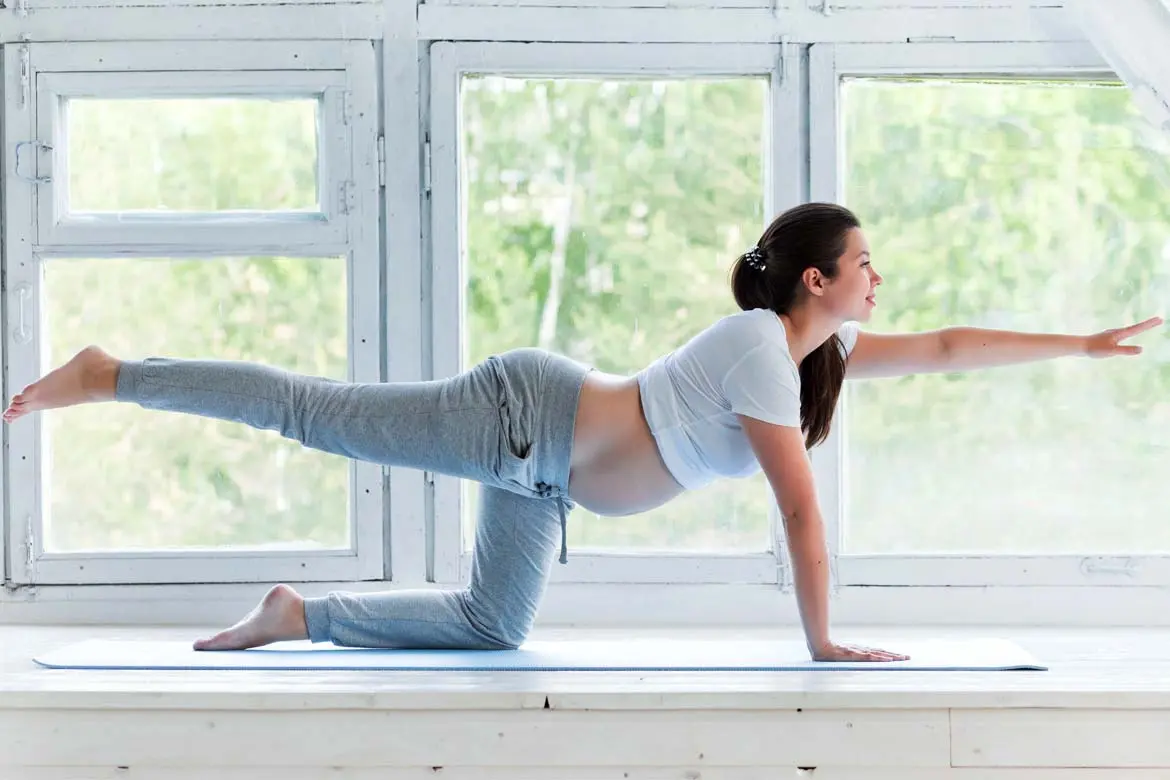
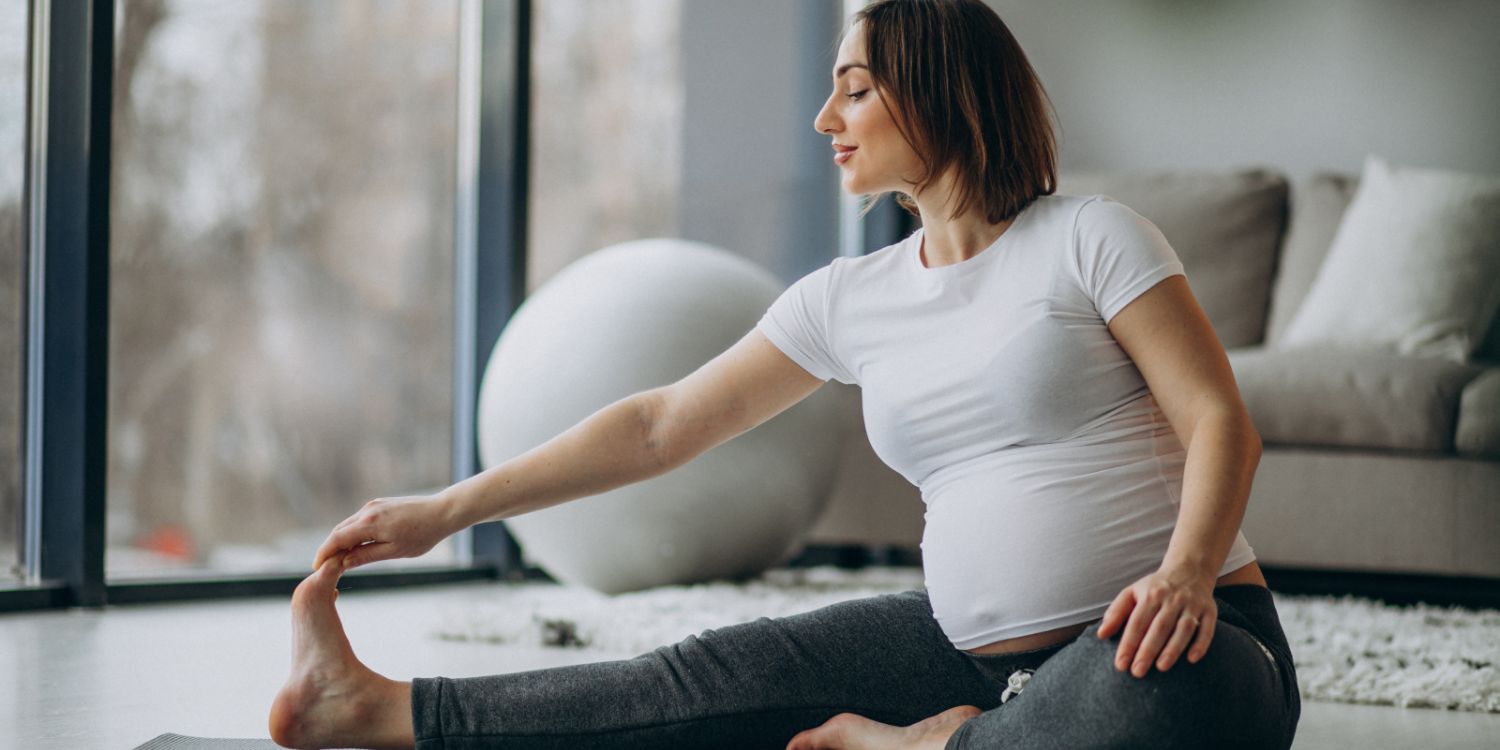
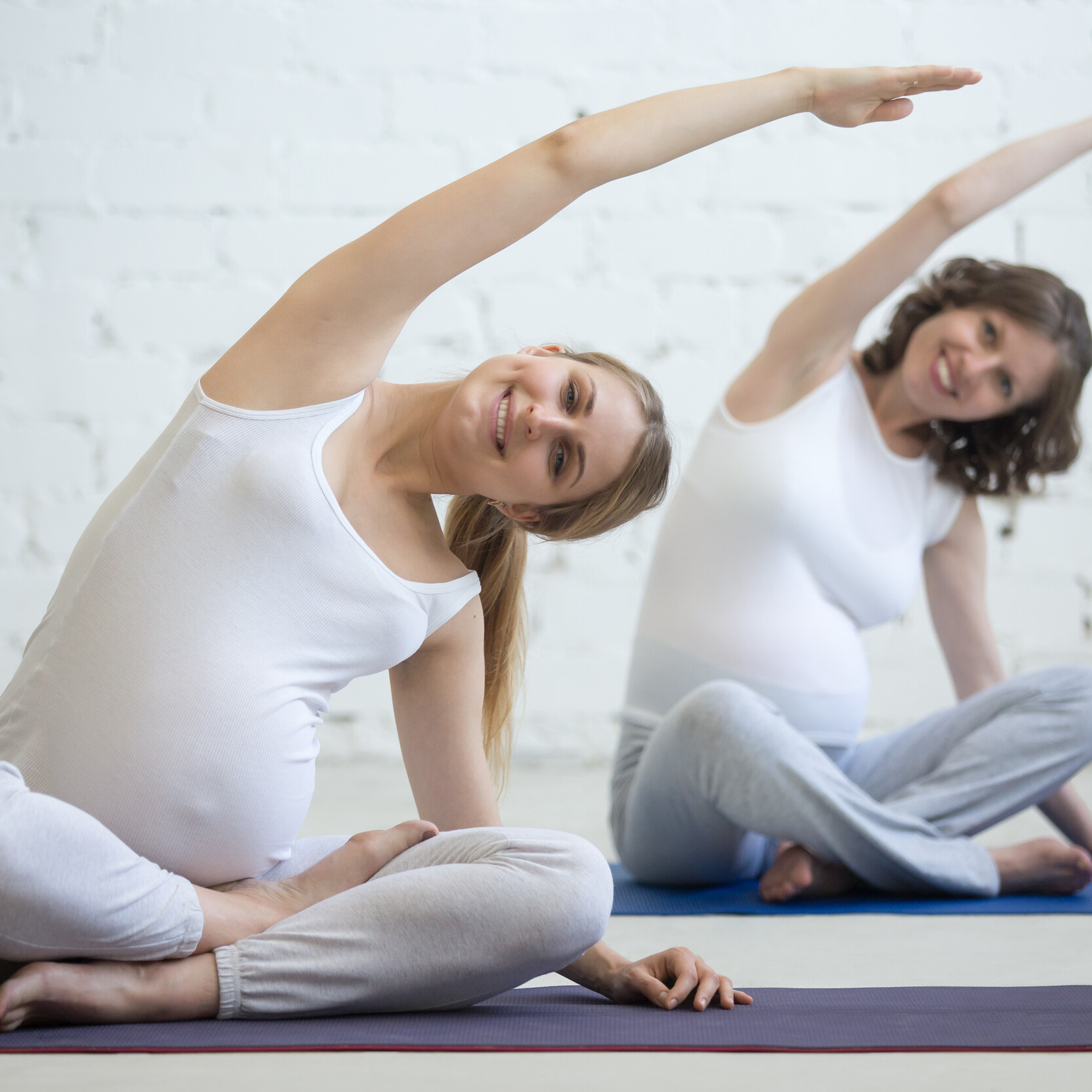
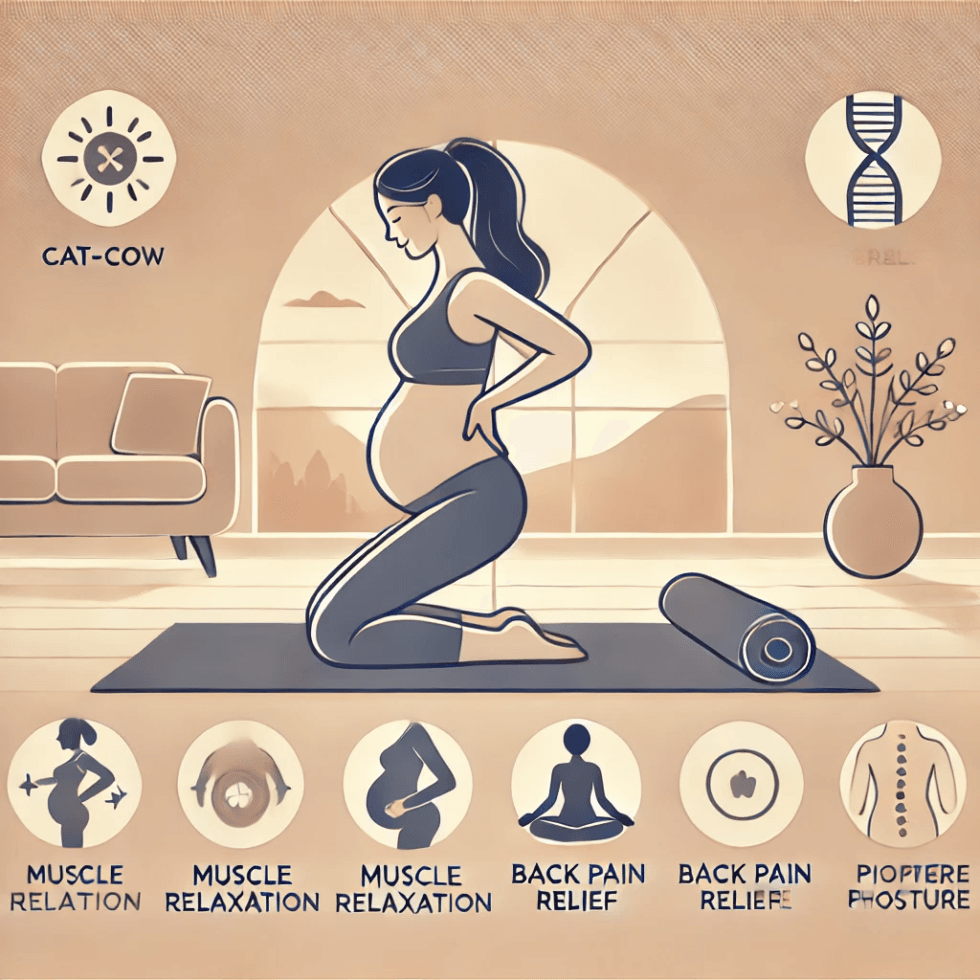
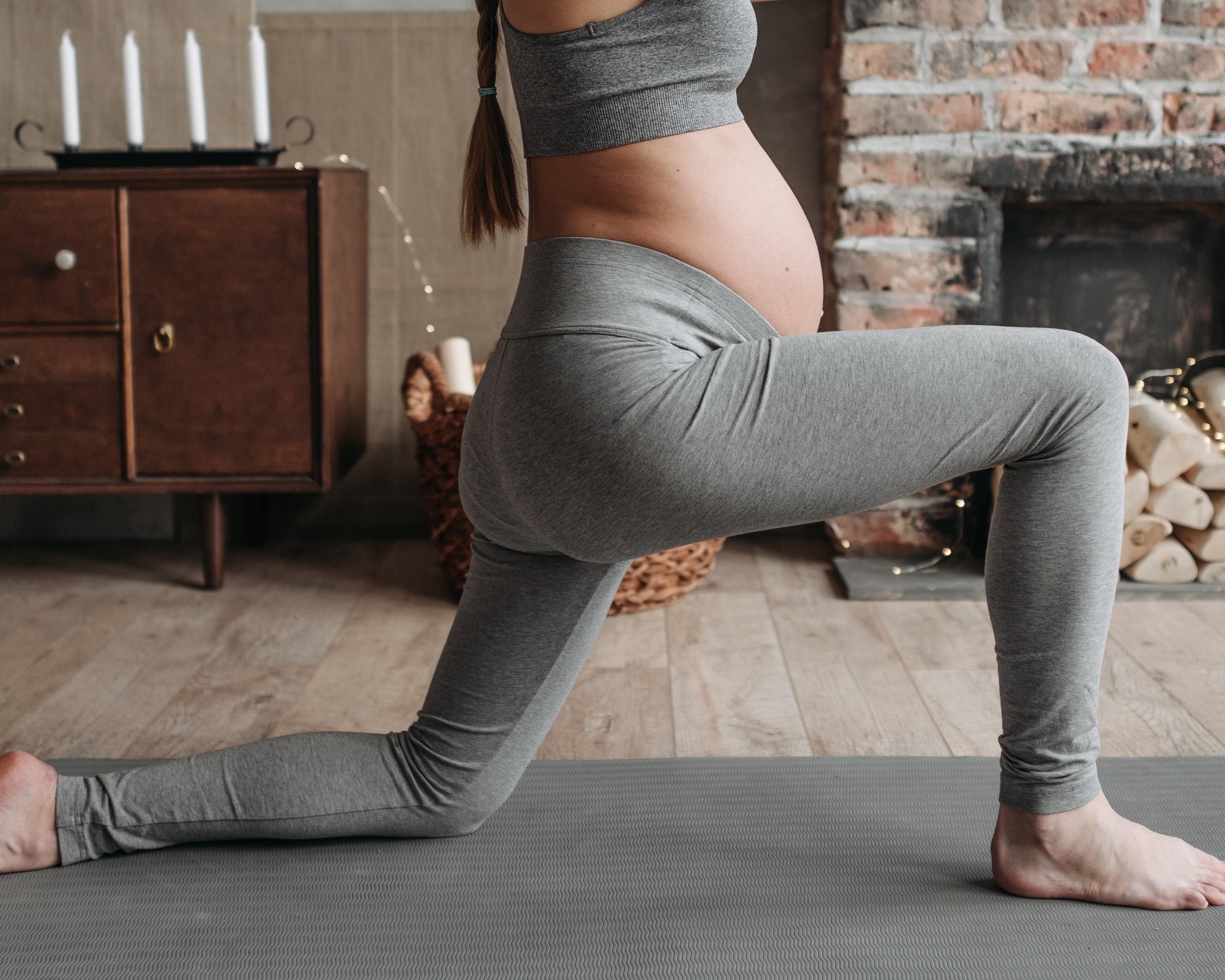
Certain exercises are considered safe and beneficial during pregnancy, while others should be avoided. Here are some examples of safe exercises: * Walking * Swimming * Yoga * Pilates * Gentle stretching exercises * Pelvic floor exercises (Kegels)Exercises to Avoid During Pregnancy
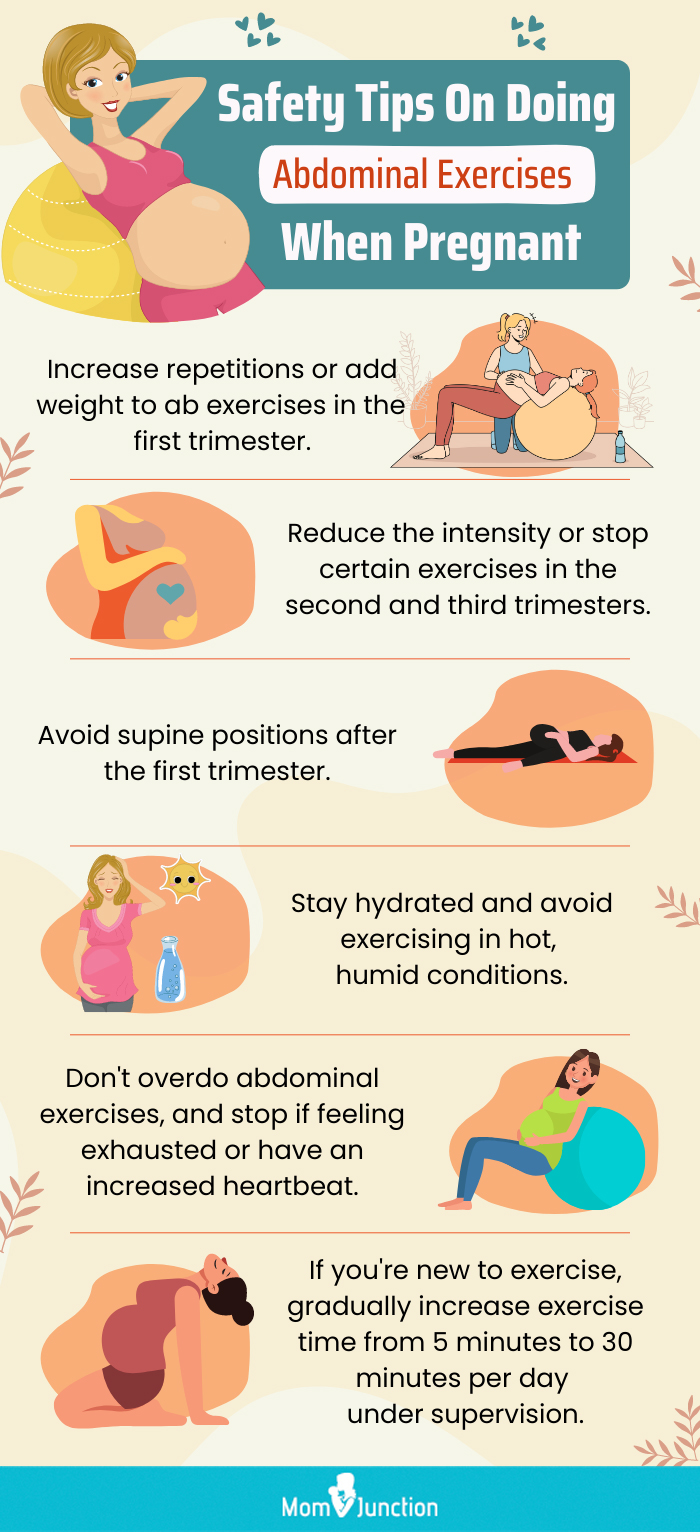
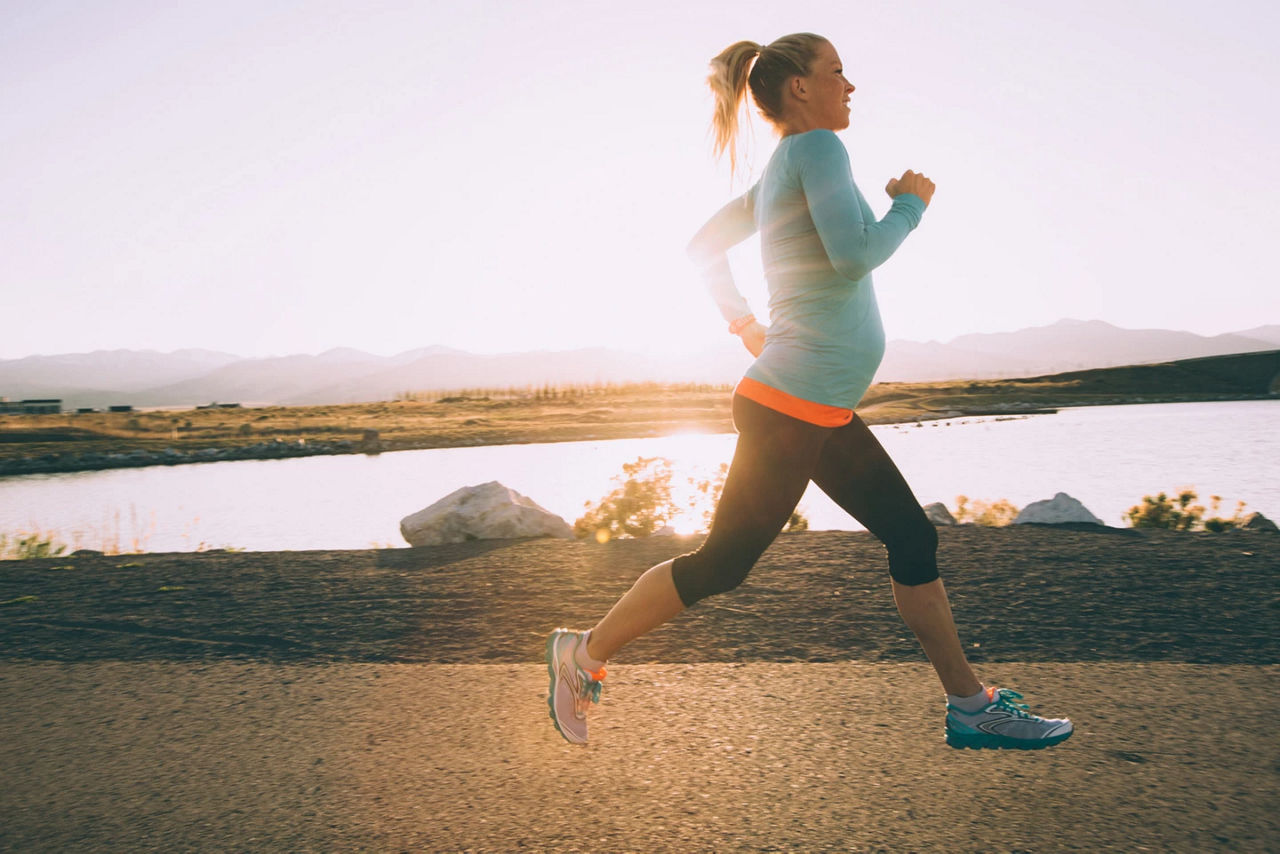
There are certain exercises that should be avoided during pregnancy due to the risk of injury or complications. These include: * High-impact exercises, such as running or jumping * Contact sports, such as boxing or karate * Exercises that involve bending or twisting, such as heavy lifting or golf * Exercises that involve lying flat on the back, such as lying leg raisesPrecautions to Take When Exercising During Pregnancy
To ensure a safe and healthy exercise routine during pregnancy, it's essential to: * Consult with your healthcare provider before starting or continuing an exercise program * Listen to your body and rest when needed * Wear comfortable and supportive clothing * Avoid exercising in extreme temperatures or humid environments * Stay hydrated by drinking plenty of water before, during, and after exercise * Monitor your body's response to exercise and adjust your routine as neededWhat to Expect During Each Trimester
Every trimester of pregnancy is unique, and exercise routines may need to be adjusted accordingly. Here's a brief overview of what to expect during each trimester: * First Trimester (Week 1-12): Focus on gentle exercises, such as walking and stretching, to help alleviate morning sickness and fatigue. * Second Trimester (Week 13-26): Gradually increase intensity and duration of exercise, incorporating activities like swimming and yoga. * Third Trimester (Week 27-40): Continue to modify exercises as needed, focusing on pelvic floor exercises and gentle stretching to prepare for labor and delivery.Conclusion