Drinking Coffee While Pregnant: Is It Safe?
If you're pregnant or planning to become pregnant, you may be wondering whether it's safe to drink coffee. While moderate coffee consumption is generally considered safe, high levels of caffeine can pose potential risks to the developing fetus.Understanding Caffeine Consumption During Pregnancy
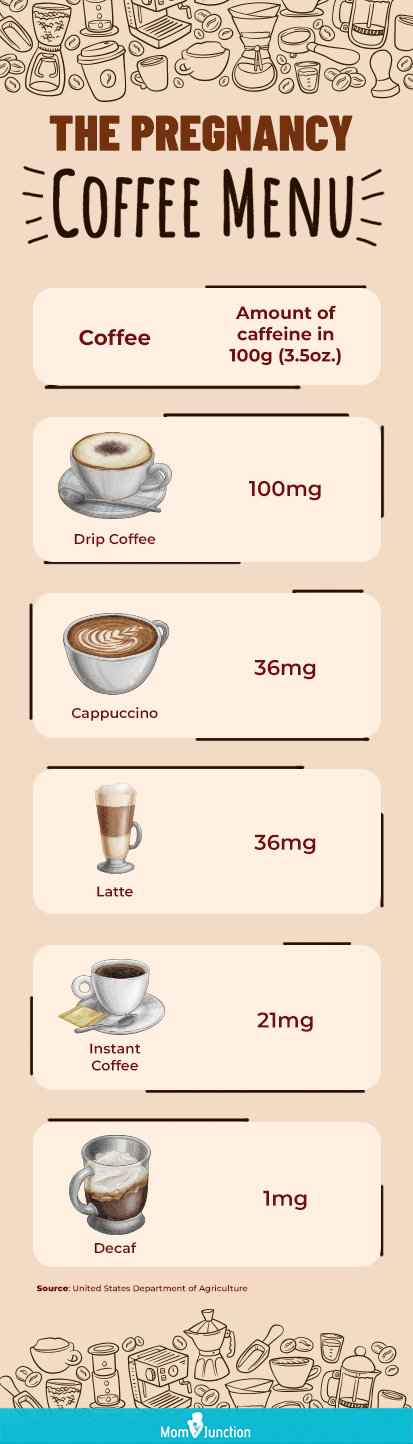
Caffeine is a stimulant found in various foods and drinks, including coffee, tea, soda, and chocolate. The American College of Obstetricians and Gynecologists (ACOG) recommends that pregnant women limit their daily caffeine intake to less than 200 milligrams (mg) per day. This is approximately the amount found in one 12-ounce cup of coffee.How Much Caffeine is in a Cup of Coffee?
The amount of caffeine in a cup of coffee can vary depending on the type of coffee bean, brewing method, and roast level. However, on average, an 8-ounce cup of coffee typically contains around 72 milligrams of caffeine. To put this into perspective, a typical energy drink can contain up to 300 milligrams of caffeine per 8-ounce serving.Safe Limits for Coffee Consumption During Pregnancy
While moderate coffee consumption is considered safe, high levels of caffeine can increase the risk of miscarriage, growth restriction, and other pregnancy complications. To minimize risks, the National Institute of Child Health and Human Development recommends that pregnant women limit their daily caffeine intake to 200 milligrams or less.Alternatives to Coffee During Pregnancy

The Risks of High Caffeine Consumption During Pregnancy
Excessive caffeine consumption during pregnancy can lead to several complications, including:- Increased risk of miscarriage
- Low birth weight
- Increased heart rate and blood pressure
- Dehydration
- caffeinism (excessive caffeine intake leading to symptoms such as jitteriness, anxiety, and insomnia)