Decision-making Based on Emotions: A Comprehensive Perspective
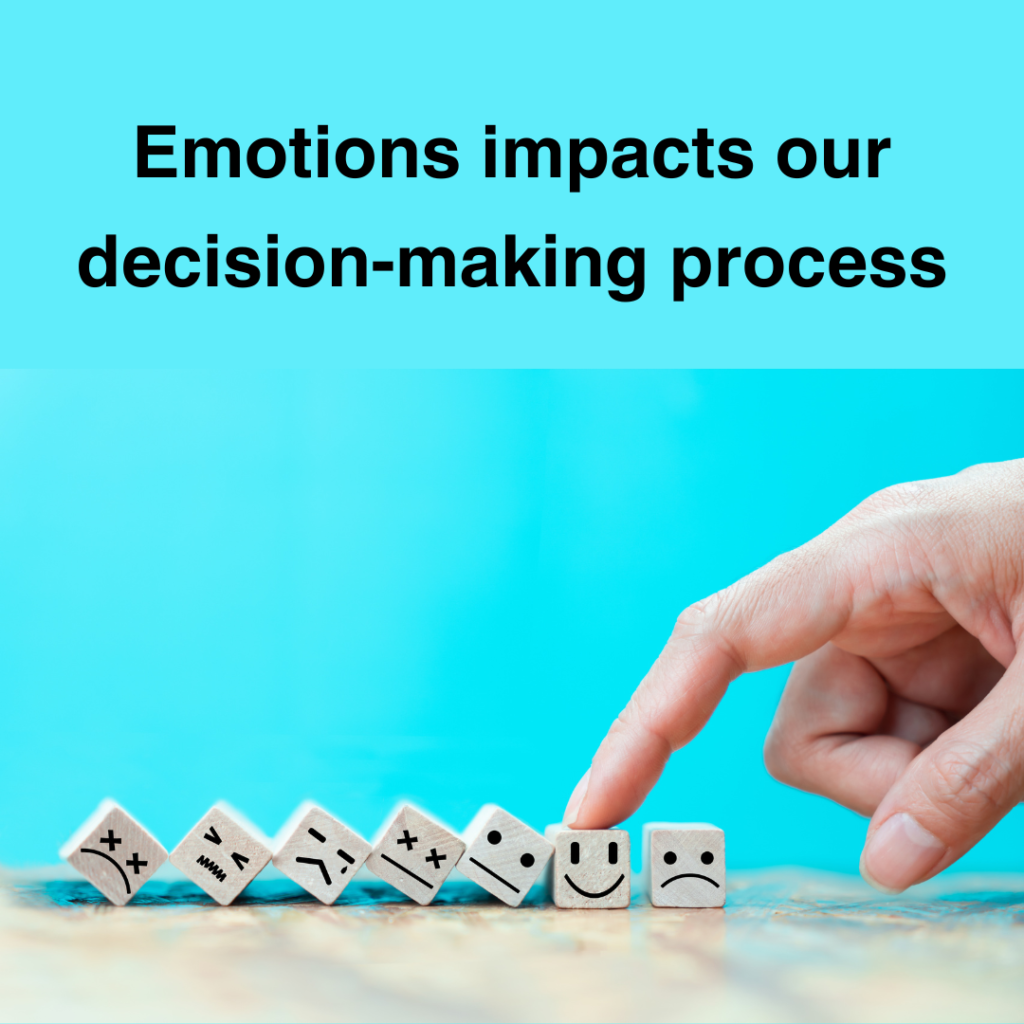
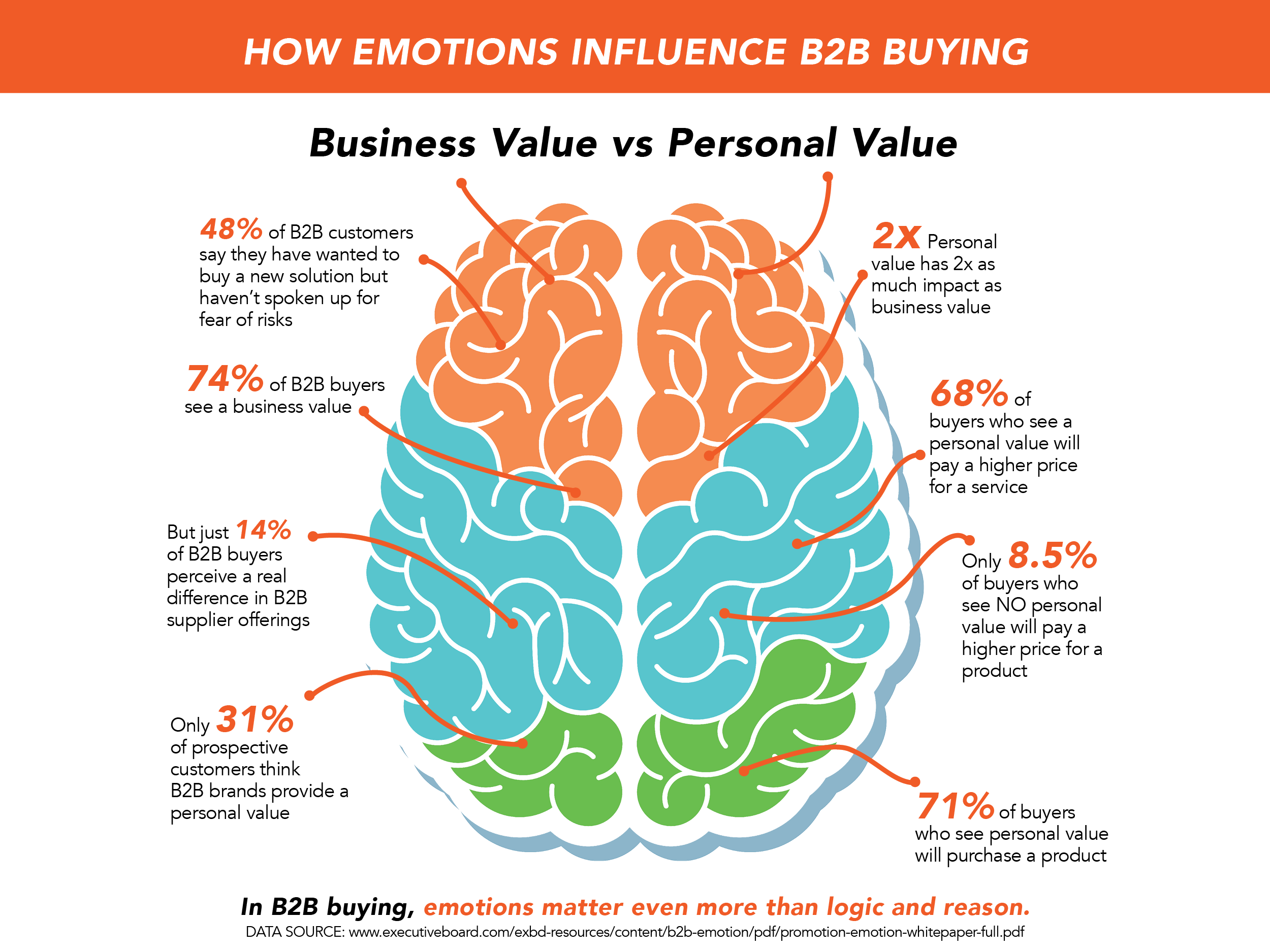
Emotions play a significant role in decision-making, and when integrated properly with rational thinking, they can enhance the effectiveness of the decision-making process. In this article, we will explore the concept of decision-making based on emotions, examining the influences of emotions on strategic decision-making in business contexts, as well as their impact on personal decision-making.
Historical Context: Emotions and Decision-making
Historically, emotions have been viewed as irrational, unstable, or primitive – hardly the stuff of sound decision-making. Enlightenment thinkers like Descartes and Kant privileged reason as the basis for decision-making, leaving little room for strong emotions.
The Role of Emotions in Decision-making
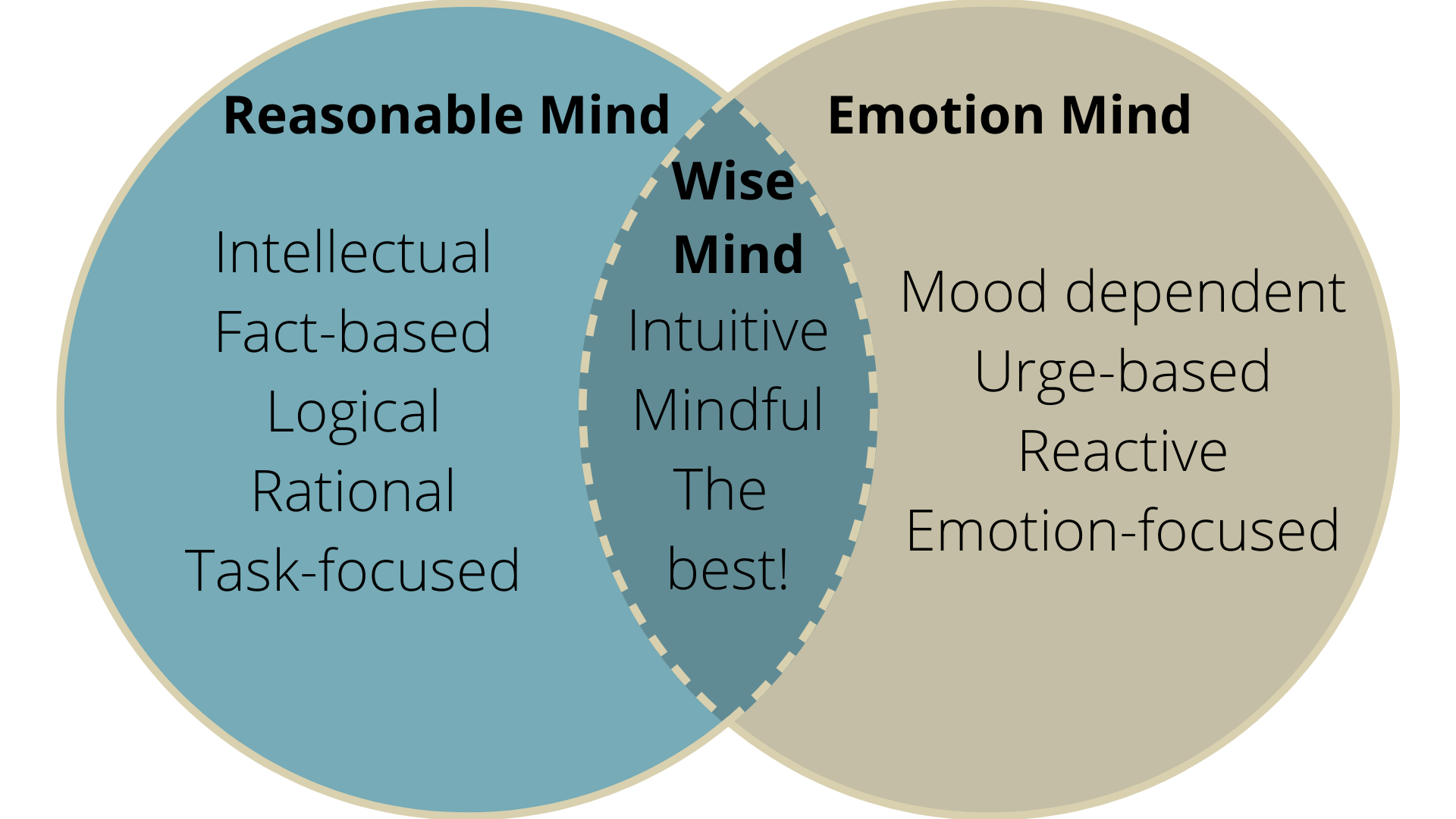
One way of thinking holds that the mental process of decision-making is (or should be) rational: a formal process based on optimizing utility. However, this rational thinking does not leave much room for strong emotions, which are often considered irrational occurrences that may distort reasoning.
Research on Emotions and Decision-making
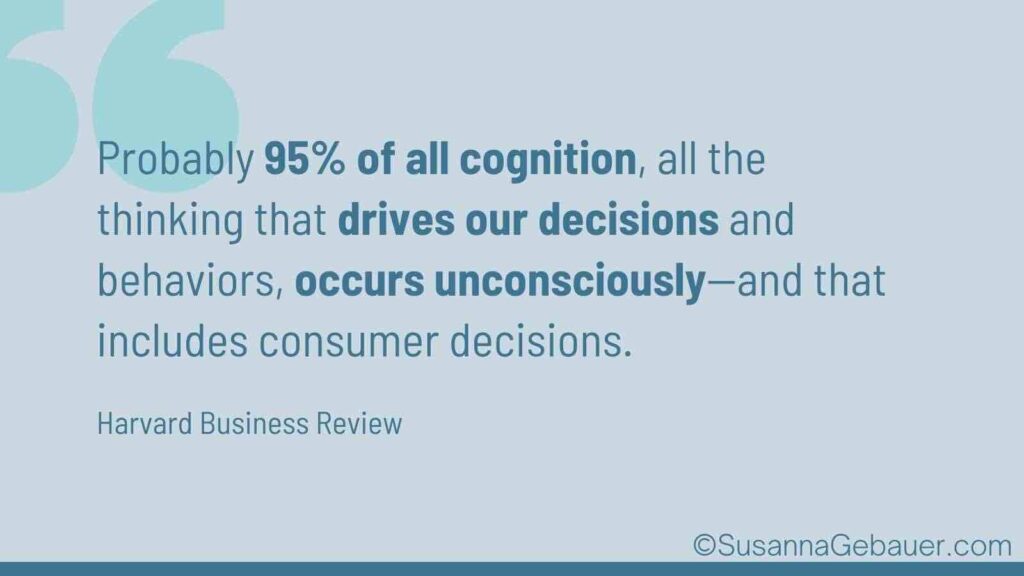
Recent research has challenged the notion that rational thinking is the only path to good decision-making. Highlighting the limited role of rationality in our choices, researchers emphasize the profound influence of emotions on decision-making. For instance, a study on wine tasting demonstrated that perceived value is influenced by emotions, rather than rational thinking.
Theories of Emotions and Decision-making
Major theories of emotion and decision-making naturally cluster into two sets: one set views emotional valence (i.e., positivity versus negativity) as the primary factor for predicting decision outcomes, while a second set of theories views emotions as influenced by motivation and behavior.
Emotional Ambivalence and Decision-making

Recent research has revealed that emotional ambivalence, which involves the coexistence of positive and negative emotions, contributes to creativity and decision-making. This ambivalence can lead to more informed and nuanced decision-making.
The Importance of Emotional Awareness
Emotional awareness is crucial for making informed decisions. Research has shown that emotions are tied to desired and feared outcomes, and that understanding these outcomes can improve decision-making.
The Impact of Emotions on Financial Decisions
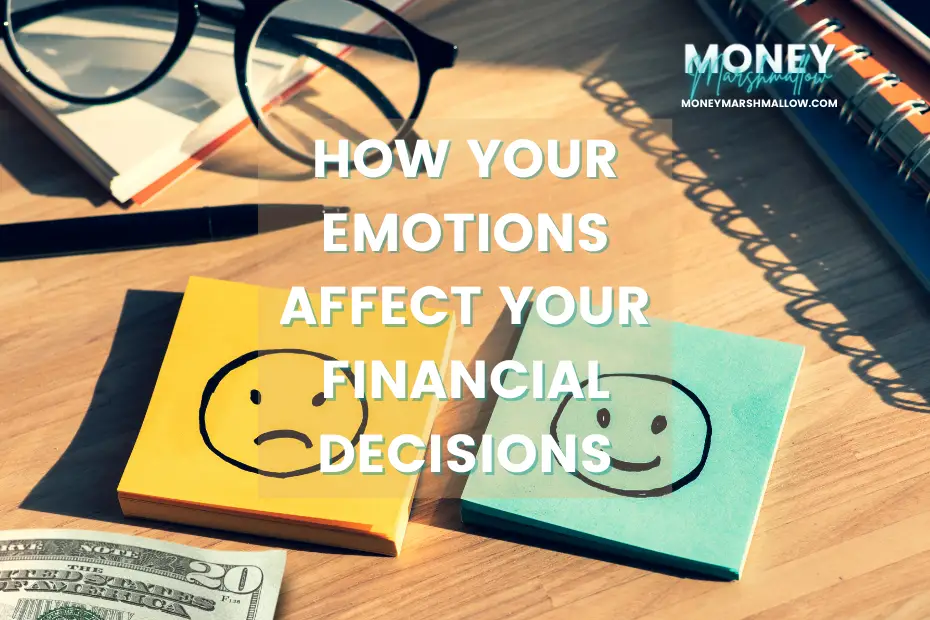
Emotions can significantly influence financial decisions, with optimism and pessimism bias leading to inconsistent counseling and screening recommendations. Standardized, evidence-based decision-making can help mitigate these biases.
Conclusion
Decision-making based on emotions is a complex and multifaceted concept. Understanding the role of emotions in decision-making can help individuals make more informed and effective decisions. By recognizing the influence of emotions on decision-making, we can develop strategies to harness their power and improve our decision-making abilities.
References
References to research studies and articles cited in this article are provided below: