Blue Light and Nearsightedness: Understanding the Relationship
In recent years, there has been a growing concern about the impact of blue light on our eyes and vision. Blue light, also known as high-energy visible (HEV) light, is a type of high-energy light with a wavelength of 415-455 nanometers. Exposure to blue light has been associated with a range of eye health issues, including myopia, or nearsightedness. In this article, we will explore the relationship between blue light and nearsightedness, and examine the current research on the topic.
The Relationship between Blue Light and Nearsightedness
Research has suggested that blue light may play a role in the development and progression of myopia. One study found that blue light stimulation of the optic disc may be a means of myopia prevention by activating dopaminergic amacrine cells via intrinsically photosensitive retinal ganglion cells.
Animal Studies
Some animal models have suggested that blue light, and in particular blue-violet light (360-400 nm), had a suppressive effect against myopia progression and is the most ideal light for myopia control for efficiency and safety. These findings have led to the exploration of light-based interventions for myopia control in humans.
Blue Light Exposure and Nearsightedness
Studies have shown that prolonged exposure to blue light from screens, such as computers and smartphones, may contribute to the development and progression of myopia. This is because blue light can penetrate the eye more easily than other wavelengths of light, causing damage to the retina and leading to nearsightedness. In fact, a recent study found that exposure to blue light from digital devices can cause myopia in children as young as 10 years old.
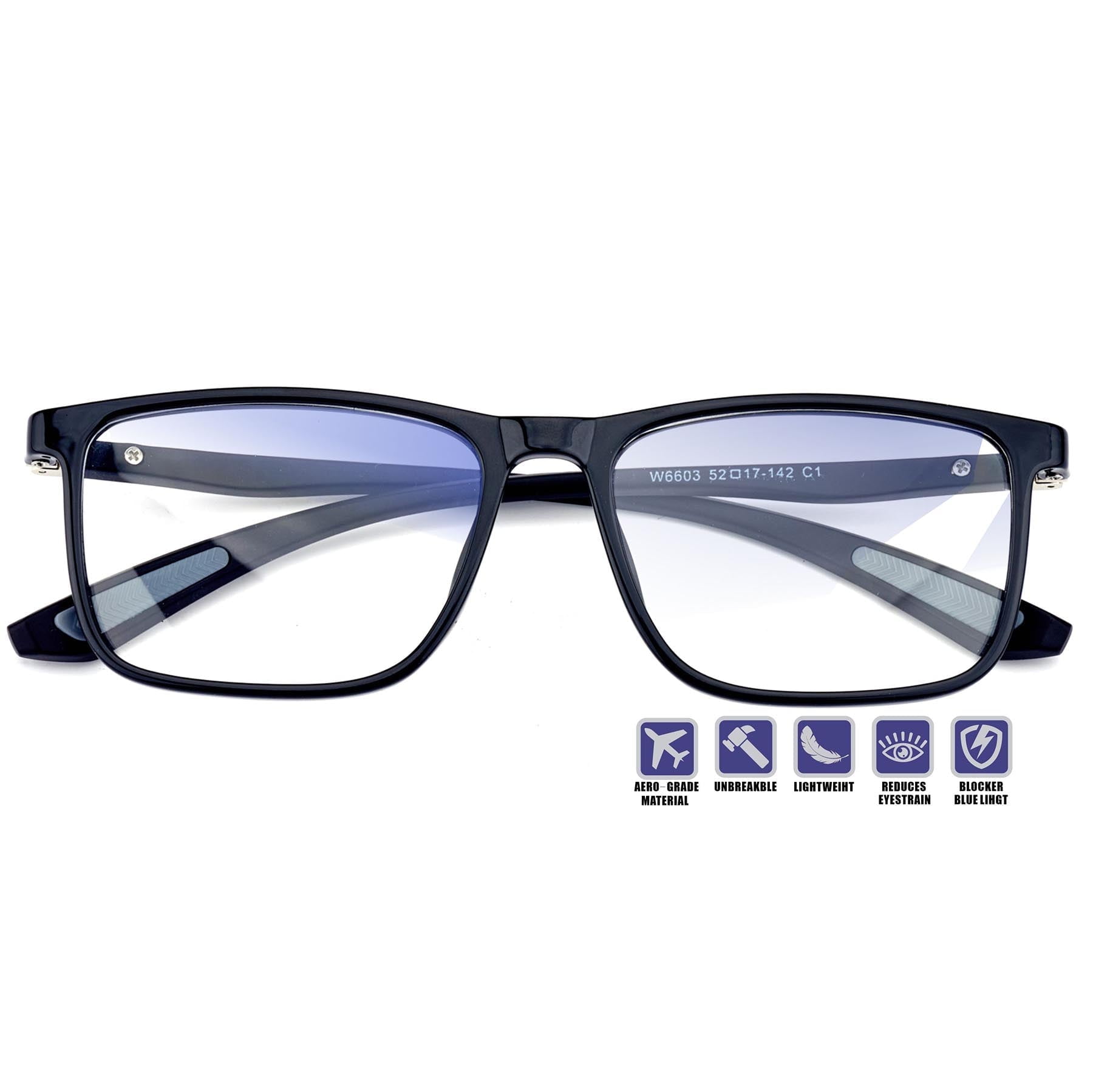
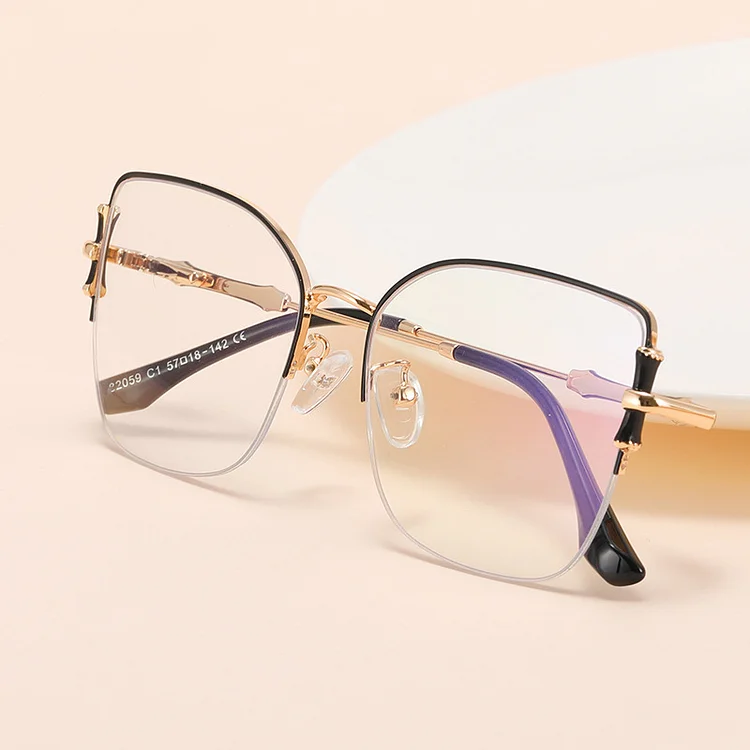
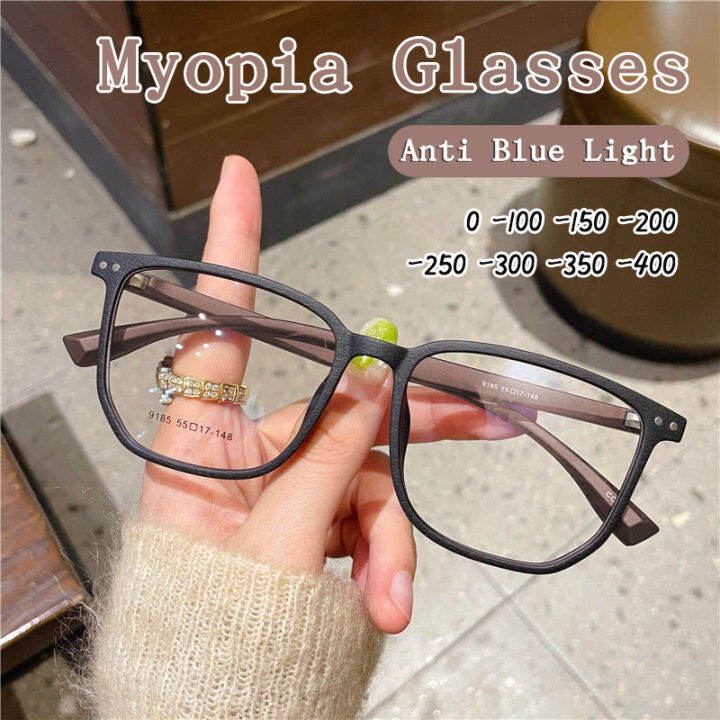
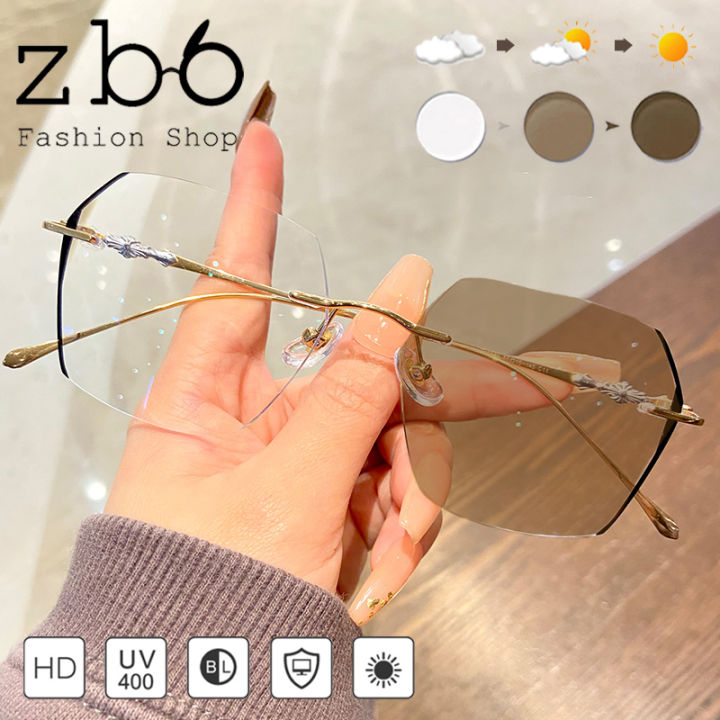
Blue Light Blocking Glasses
While the research on blue light and nearsightedness is still in its early stages, some companies have developed blue light blocking glasses that claim to reduce eye strain and protect against myopia. However, the effectiveness of these glasses has not been extensively proven, and more research is needed to confirm their benefits.

Protection and Prevention
So, what can you do to protect your eyes from the potential effects of blue light? Firstly, follow the 20-20-20 rule: look away from your screen every 20 minutes and focus on something 20 feet away for 20 seconds. This can help reduce eye strain and may also help slow down myopia progression. Additionally, you can consider using blue light filtering glasses or software that emits a blue light-free screen.
Conclusion
While the relationship between blue light and nearsightedness is still not fully understood, research suggests that blue light exposure may contribute to the development and progression of myopia. To protect your eyes, follow the 20-20-20 rule and consider using blue light filtering glasses or software. More research is needed to confirm the effectiveness of these interventions, but taking preventative measures may be a good idea to mitigate the potential risks associated with blue light exposure.
Recommendations
- Follow the 20-20-20 rule to reduce eye strain and potentially slow down myopia progression.
- Consider using blue light filtering glasses or software that emits a blue light-free screen.
- Limit exposure to screens, especially in children, to reduce the risk of myopia.
- Make sure to take regular breaks when working on a computer or other digital device.
- Consider conducting a comprehensive eye exam to determine the presence and severity of myopia.
References
A list of references used in this article can be found below:
- Oct 1, 2025: LED-based blue light (454-456 nm) induced choroidal thickening and a reduction in AL, whereas red light produced the opposite effects.
- Jul 24, 2024: Light at night is bad for your health, and exposure to blue light emitted by electronics and energy-efficient light bulbs may be especially so....
- Jun 5, 2025: Current research suggests long-term exposure to artificial blue light from phones, tablets, computers, and LED lights may harm your eyes and vision.
- Dec 5, 2025: Here's why: Blue light from computers will not lead to eye disease.
- Aug 7, 2025: This article explores the truth behind blue light glasses—what blue light is, its actual impact on eyes, whether these glasses live up to their claims of preventing myopia or relieving fatigue.