Managing Anxiety due to Phone Vibrations: Understanding Phantom Vibration Syndrome
Are you one of the millions of people who experience anxiety-inducing phone vibrations, only to find out that there's no actual notification or call? If so, you're not alone. This phenomenon is known as Phantom Vibration Syndrome (PVS), and it's more common than you think.
What is Phantom Vibration Syndrome?
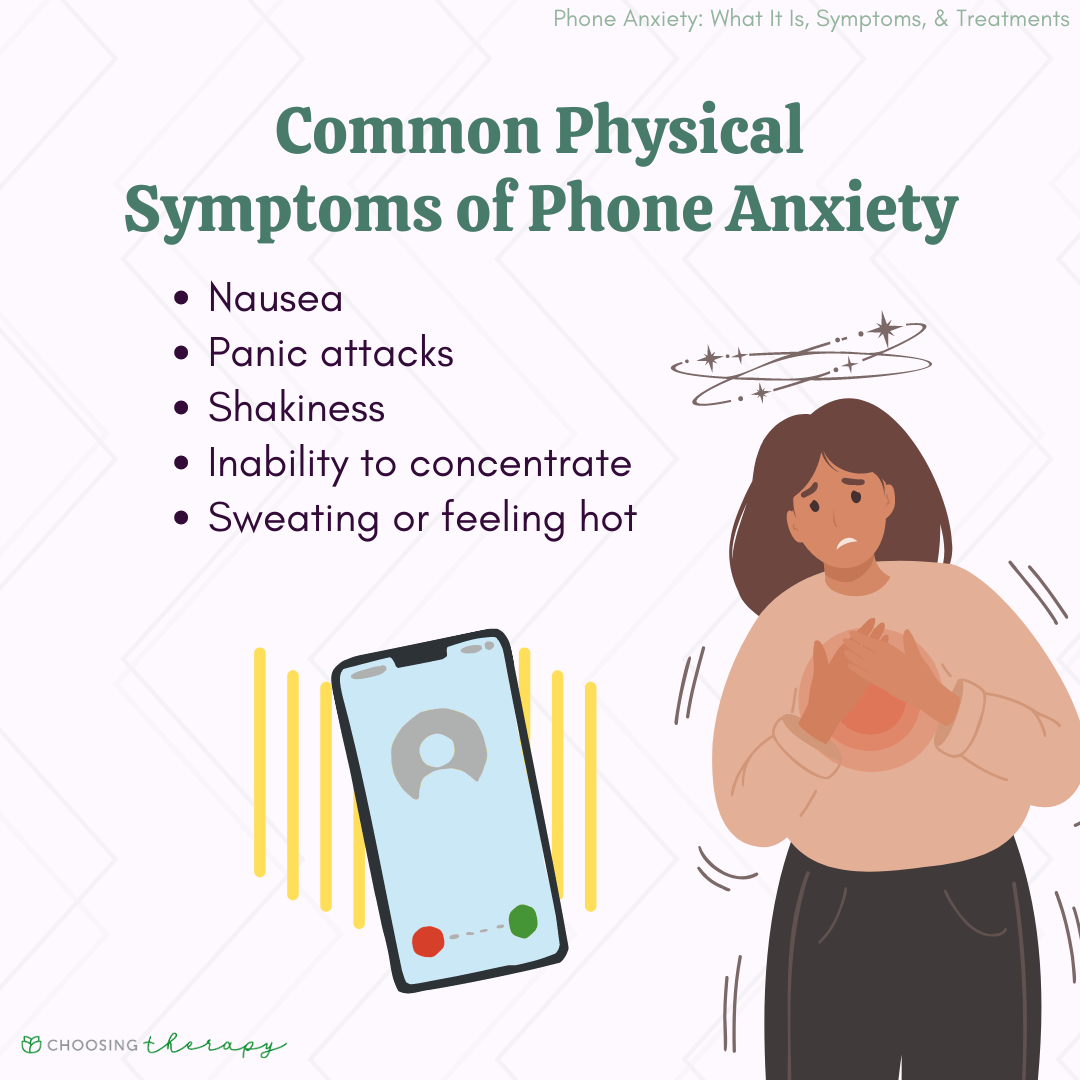
Phantom Vibration Syndrome, also known as ringxiety, fauxcellarm, or phonetom, refers to the perception that one's mobile phone is vibrating or ringing when it's not. This can lead to feelings of anxiety, stress, and even panic. According to recent studies, up to 89% of phone users experience PVS, making it a significant concern for mental health and well-being.
The Science Behind Phantom Vibration Syndrome
So, what causes Phantom Vibration Syndrome? Research suggests that it's a combination of factors, including:
- Overuse and excessive phone usage
- Concentration and focus on phone notifications
- False expectations and anticipation of phone activity
- Misinterpretation of bodily sensations, such as muscle contractions or clothing brushing against the skin
These factors can lead to a heightened state of alertness and anxiety, making people more susceptible to experiencing PVS.
Complications of Phantom Vibration Syndrome
The anxiety and stress caused by Phantom Vibration Syndrome can have serious consequences for mental health. If left unmanaged, PVS can:

- Exacerbate existing anxiety disorders, such as generalized anxiety disorder or social anxiety disorder
- Lead to increased feelings of addiction and Obsessive-Compulsive Disorder (OCD) symptoms
- Interfere with daily life, work, and relationships
Solutions and Strategies for Managing Phantom Vibration Syndrome
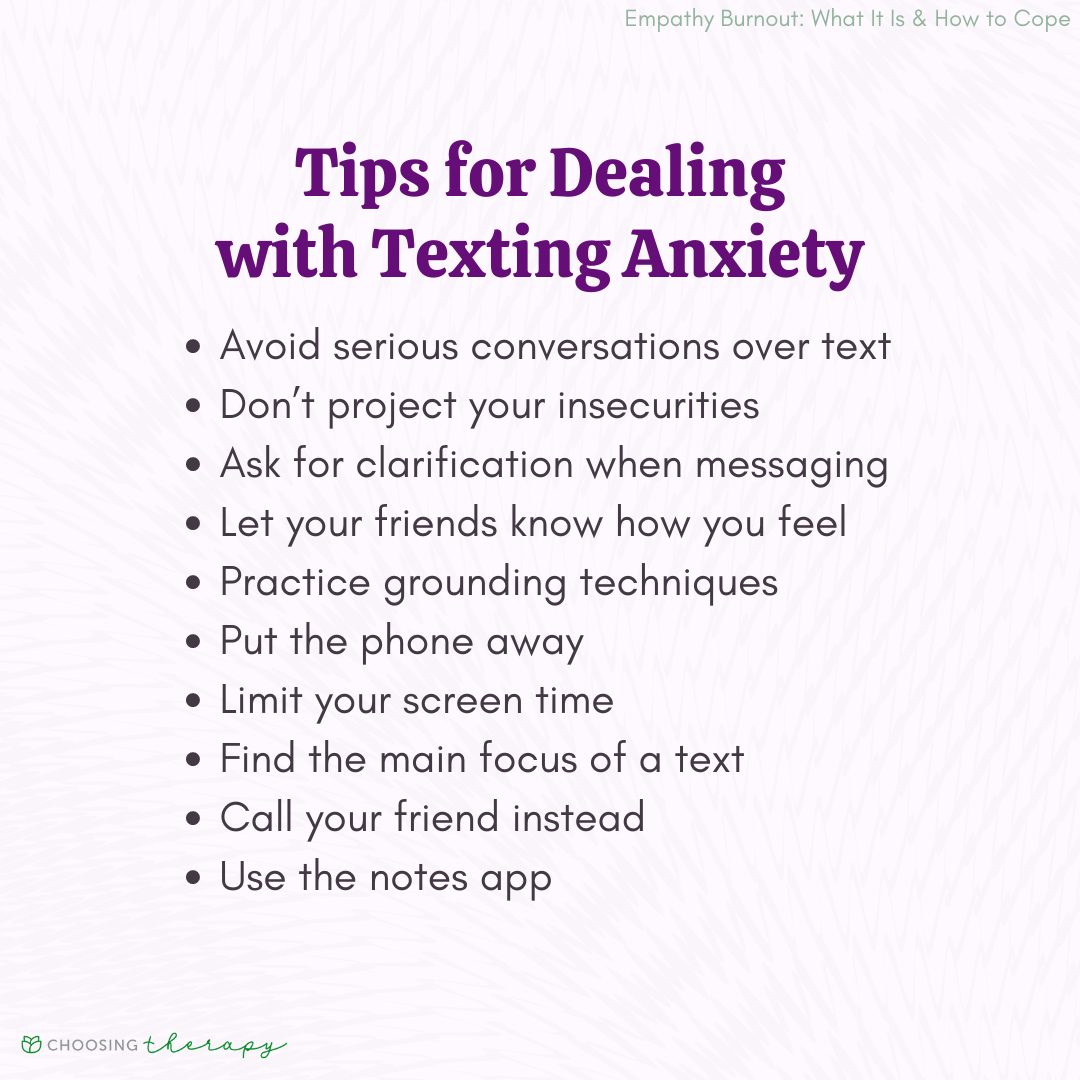
Fortunately, there are several strategies to help manage Phantom Vibration Syndrome and reduce anxiety-inducing phone vibrations:
- Practice mindfulness and meditation to reduce stress and anxiety
- Set boundaries and establish phone-free zones or times
- Use apps and tools to track and limit phone usage
- Engage in activities that promote relaxation and reduce phone dependency, such as exercise, reading, or hobbies
- Seek professional help from a therapist or counselor if symptoms persist or worsen
Conclusion
Phantom Vibration Syndrome is a real and growing concern that affects millions of people worldwide. By understanding the causes and effects of PVS, we can take steps to manage and alleviate anxiety-inducing phone vibrations. By prioritizing mental health and well-being, we can break the cycle of Phantom Vibration Syndrome and live more balanced and fulfilling lives.
Additional Resources
For more information on Phantom Vibration Syndrome, mental health, and wellness, check out these additional resources:
- National Alliance on Mental Illness (NAMI)
- Cognitive Behavioral Therapy (CBT) for phone anxiety
- Smartphone addiction and mental health





-jpg.jpeg "What is Phantom Vibration Syndrome? - MentalHealthDaily")