Why Gadget Addiction Happens: Understanding the Causes and Consequences
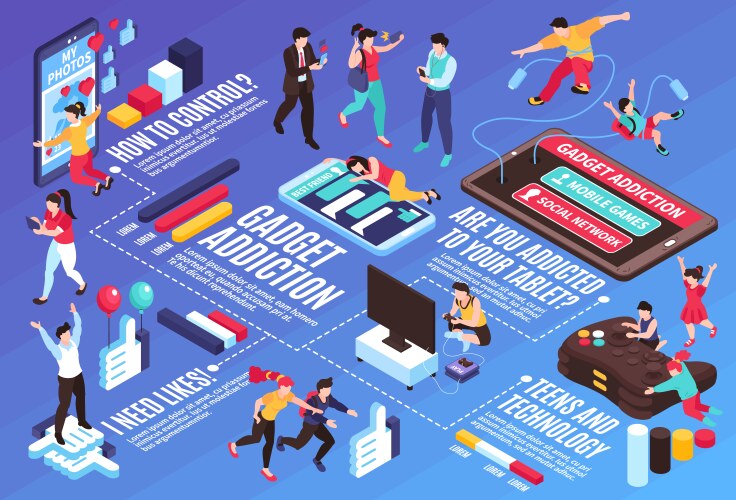
Gadget addiction is a growing concern in today's digital age. With the widespread use of smartphones, tablets, and computers, it's not uncommon for people to spend hours on end scrolling through social media, playing games, or watching videos. But why does gadget addiction happen, and what are the consequences of excessive gadget use?
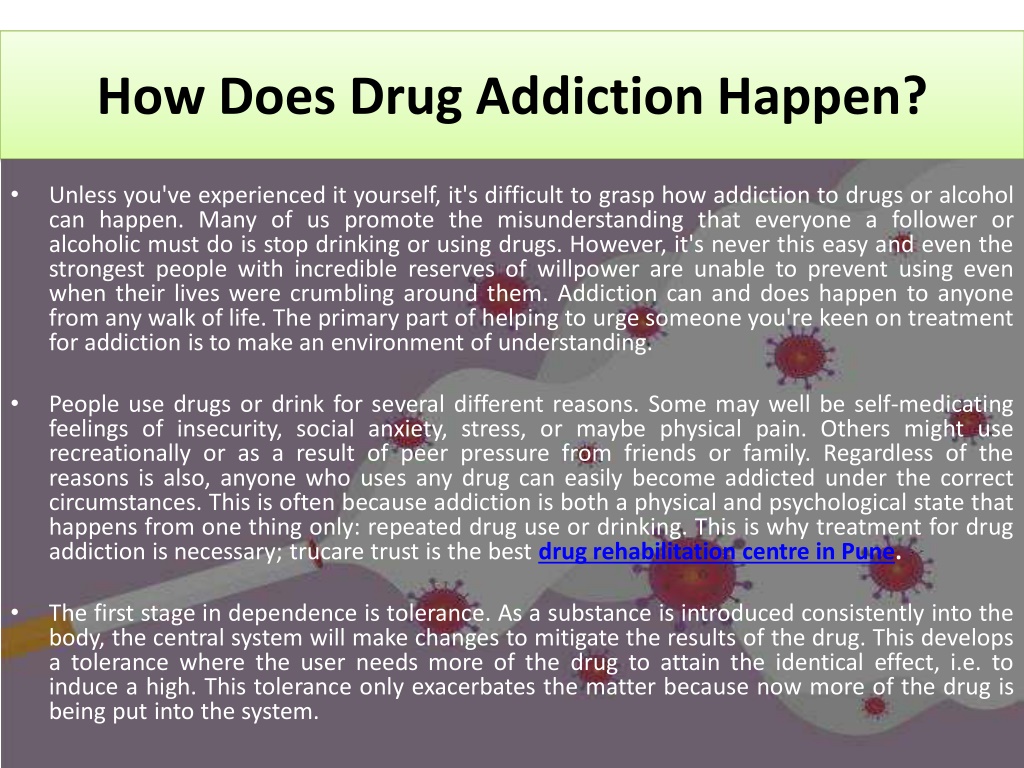
The Psychology of Gadget Addiction
Gadget addiction is often likened to addiction to alcohol or drugs, as it can result in similar negative consequences. When we use gadgets, our brains release dopamine, a chemical associated with pleasure and reward. This can lead to a cycle of craving and consumption, making it difficult to put down our devices even when we know we should.
According to Jennifer Katzenstein, Ph.D., it's essential to put limits on how often we use electronic devices, especially for children. "Gadget addiction is a behavioral addiction characterized by a compulsive, uncontrollable urge to use digital devices and platforms," she explains. "It can lead to significant negative consequences for an individual's mental health, physical well-being, relationships, and daily functioning."
The Causes of Gadget Addiction
So, what drives gadget addiction? Several factors can contribute to excessive gadget use, including:
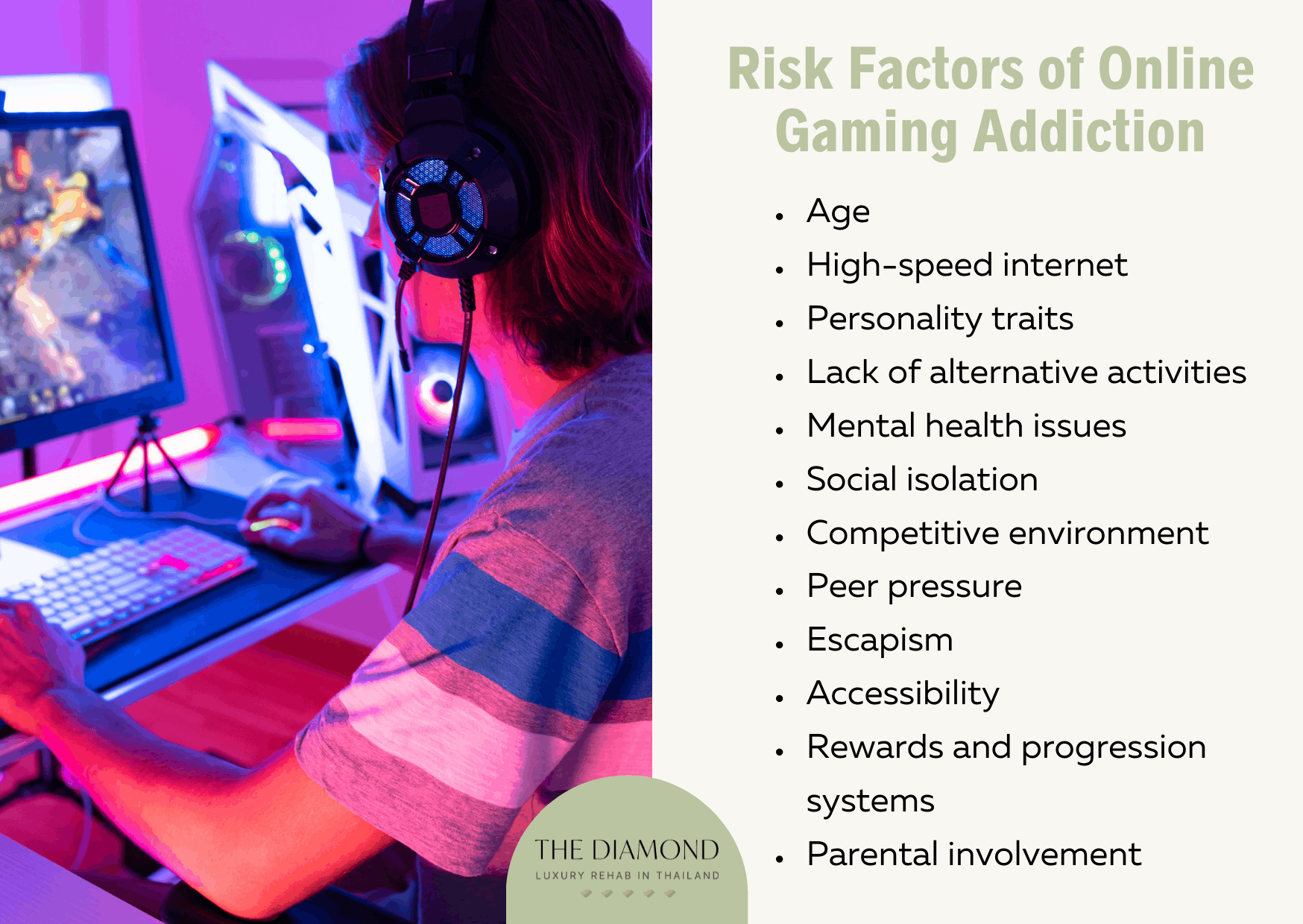
- Dopamine Bursts: Gadgets are engineered to trigger dopamine bursts, which can lead to a cycle of craving and consumption.
- Social Rewards: Social media and online platforms are designed to exploit social rewards, such as likes and comments, which can activate the brain's reward system.
- Emotional or Time Gaps: Gadgets can fill emotional or time gaps, providing a temporary escape from stress, anxiety, or boredom.
- Genetics: Research suggests that genetics may play a role in gadget addiction, with some individuals being more prone to excessive gadget use due to their genetic makeup.
- Stress, Sleep Loss, Anxiety, and Depression: These factors can increase the risk of gadget addiction, as individuals may turn to gadgets as a coping mechanism.
The Consequences of Gadget Addiction
The consequences of gadget addiction can be severe, including:
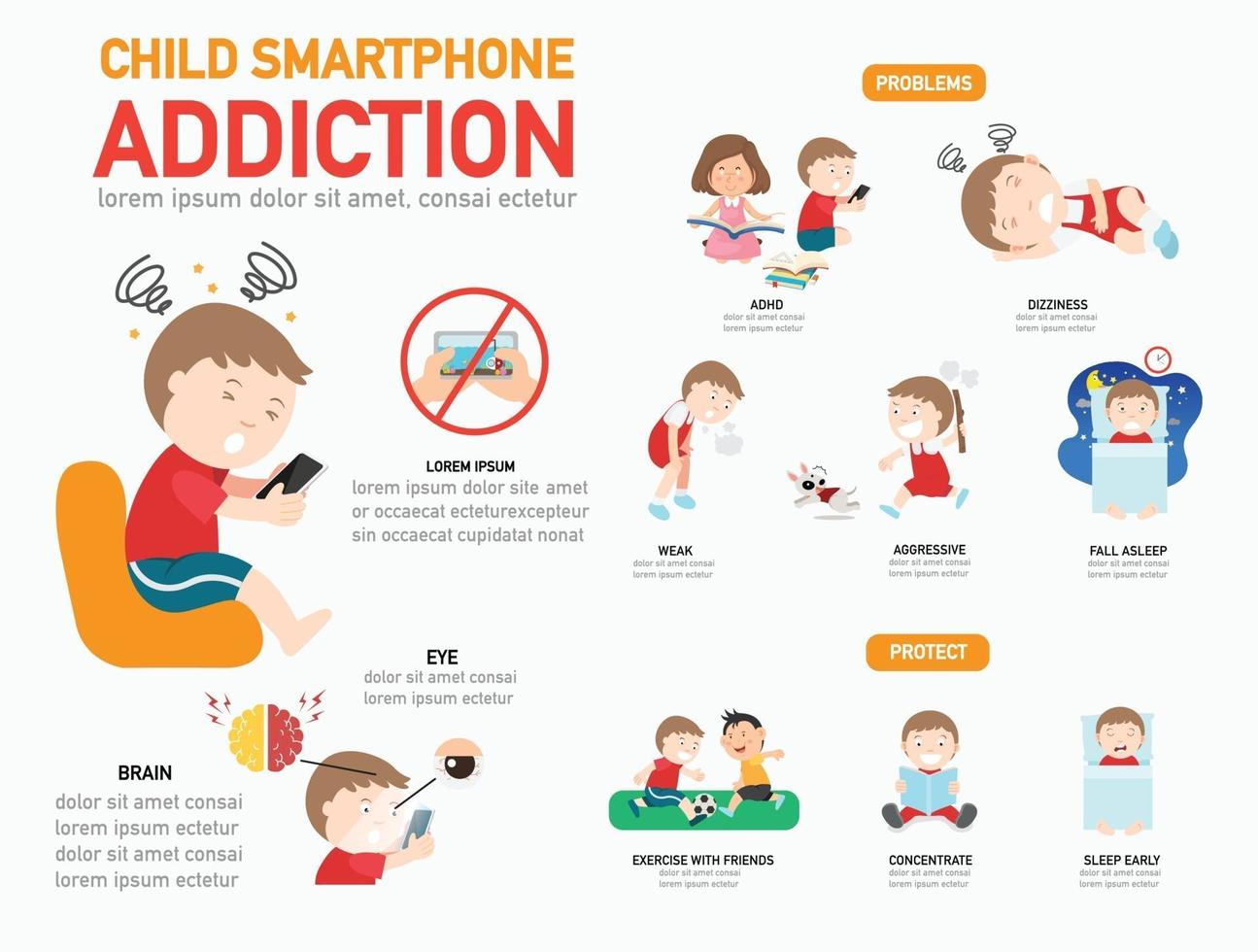
- Mental Health Issues: Gadget addiction can contribute to depression, anxiety, and other mental health issues.
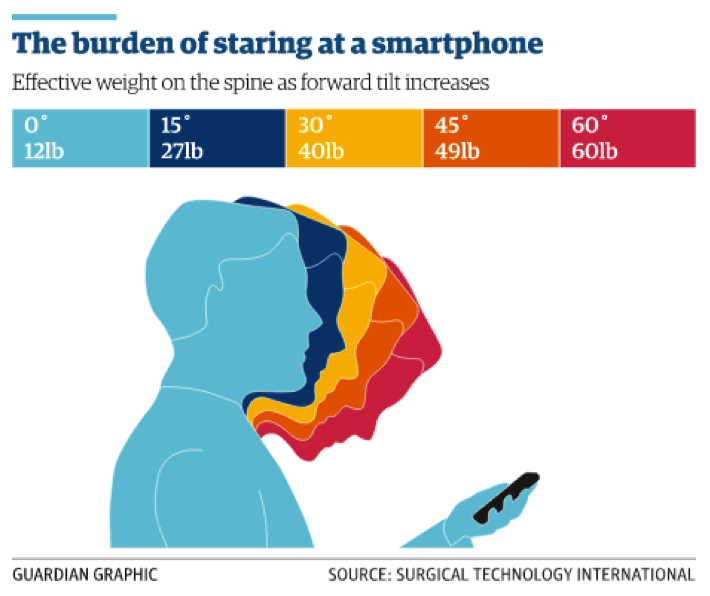
- Physical Health Problems: Excessive gadget use can lead to physical health problems, such as eye strain, headaches, and sleep deprivation.
- Social Consequences: Gadget addiction can negatively impact relationships and social connections.
- Academic and Professional Performance: Excessive gadget use can affect academic and professional performance, leading to decreased productivity and achievement.
Breaking the Cycle of Gadget Addiction
So, how can we break the cycle of gadget addiction? Here are some strategies to help:
- Set Limits: Establish boundaries and limits on gadget use, such as setting aside device-free times or areas.
- Practice Mindfulness: Be aware of our gadget use and its impact on our mental and physical health.
- Seek Support: Reach out to friends, family, or a therapist for support and guidance in overcoming gadget addiction.
- Find Alternative Activities: Engage in alternative activities that bring joy and fulfillment, such as exercise, hobbies, or spending time with loved ones.
Conclusion
Gadget addiction is a complex issue that requires a comprehensive understanding of its causes and consequences. By recognizing the factors that contribute to gadget addiction and implementing strategies to break the cycle, we can reduce the negative impact of excessive gadget use and promote healthier digital habits.