Repairing a Damaged CPU Socket: A Step-by-Step Guide
Introduction
Have you ever encountered a damaged CPU socket on your motherboard? If so, you're not alone. A damaged CPU socket can be a frustrating problem, especially if you're not experienced in repairing motherboards. However, with the right tools and a steady hand, you can repair a damaged CPU socket and get your system up and running again.
Understanding the Problem
A CPU socket is a crucial component of a motherboard that allows the CPU to be installed and connected to the rest of the system. If the CPU socket is damaged, it can prevent the CPU from functioning properly, leading to system crashes, instability, and even permanent damage to the motherboard.
Identifying the Damage
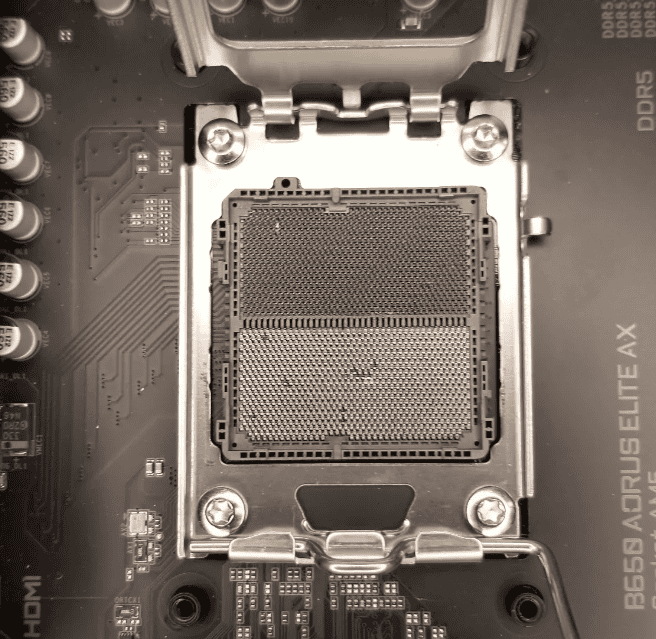
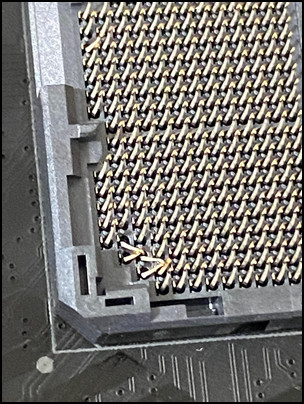
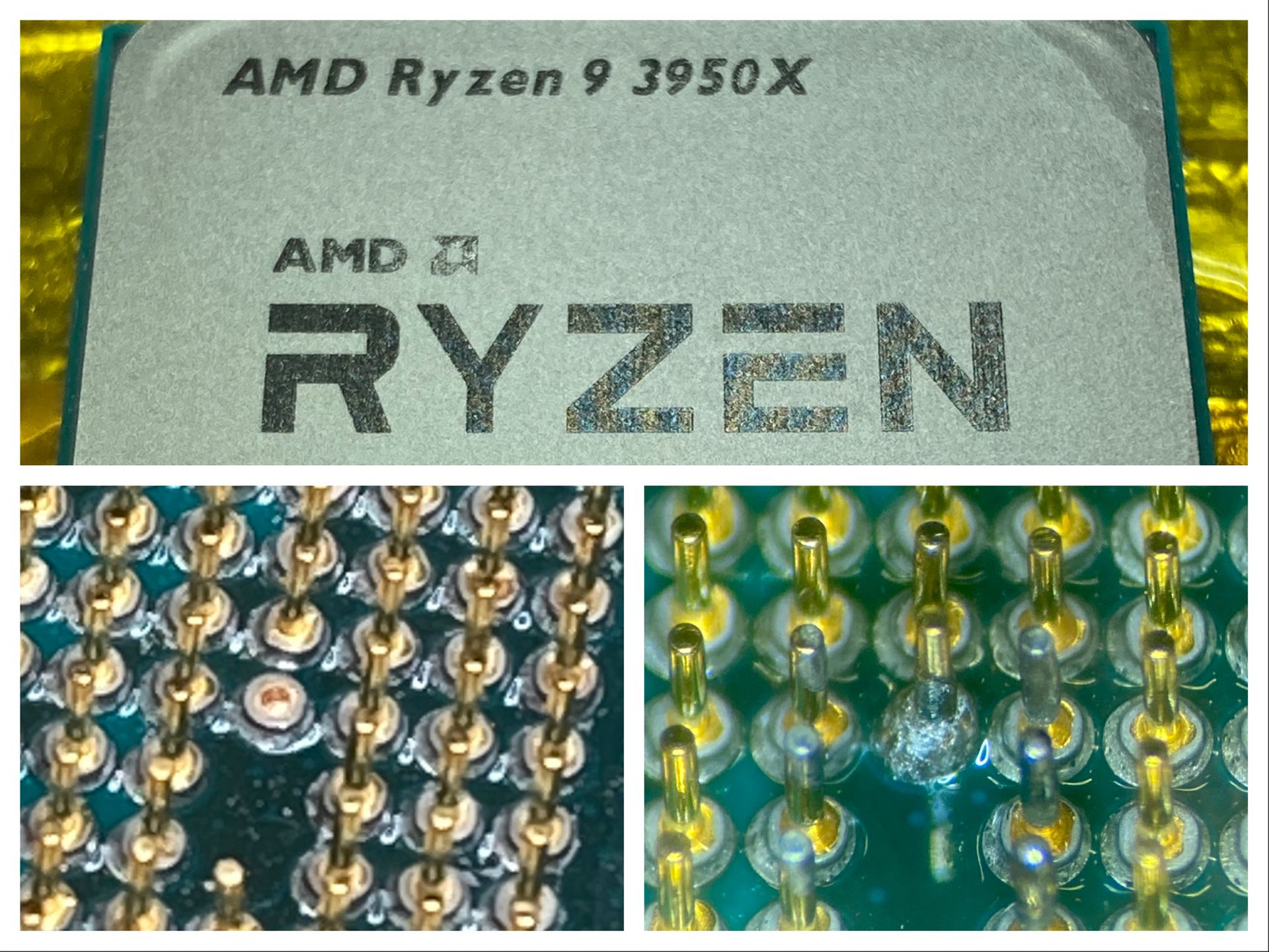
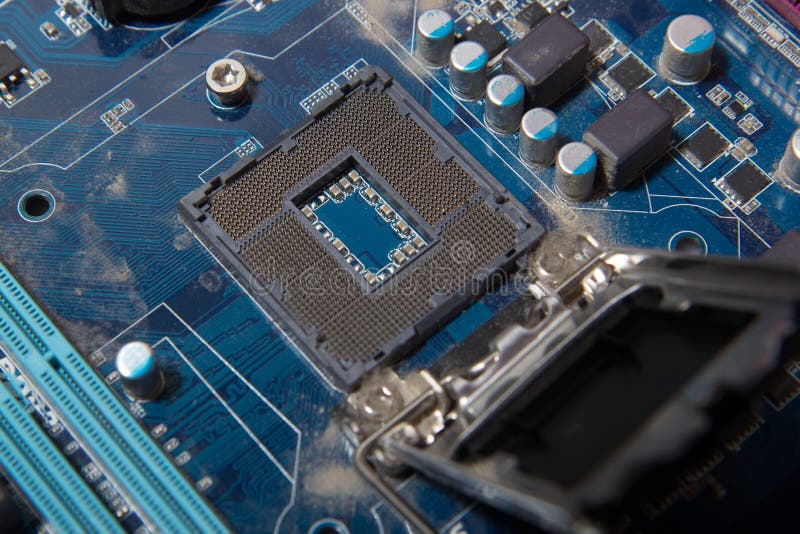
Before attempting to repair a damaged CPU socket, it's essential to identify the type and extent of the damage. Use a USB microscope or a magnifying glass to examine the CPU socket and look for signs of damage, such as bent or broken pins, corrosion, or physical deformation.
Tools and Materials Needed
Repairing a damaged CPU socket requires a set of specialized tools and materials, including:
- Aligning pins tool or jeweler's screwdrivers
- Pin straightening tool
- Pin aligning gel
- Single-ended soldering iron or hot air rework tool
- High-temperature solder paste or flux
- Stainless steel or nickel-coated copper wire for replacing damaged pins
- Isopropyl alcohol and lint-free cloths for cleaning the board

Step-by-Step Repair Guide
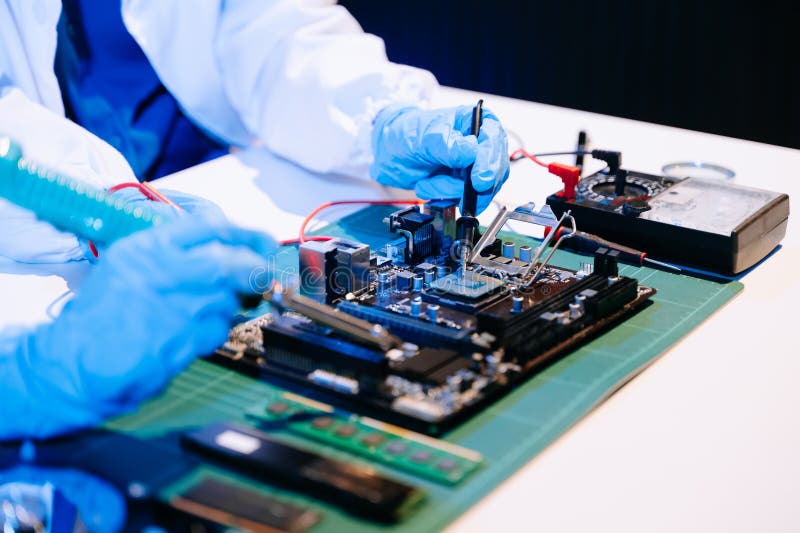
Follow these step-by-step instructions to repair a damaged CPU socket: 1. Remove the old CPU and socket: Carefully lift the old CPU and remove the socket from the motherboard. 2. Clean the area around the socket: Use isopropyl alcohol and lint-free cloths to remove any debris, dirt, or old flux from the socket area. 3. Remove the damaged pins: Use a pin straightening tool to carefully remove any damaged pins from the socket. 4. Solder the new pins: Apply high-temperature solder paste or flux to the new pins and use a single-ended soldering iron or hot air rework tool to solder them in place. 5. Align and straighten the new pins: Use the pin aligning gel and a pin straightening tool to ensure the new pins are properly aligned and straight. 6. Replace the socket: Carefully place the new socket onto the motherboard and align the pins with the CPU. 7. Apply high-temperature solder paste or flux:** Apply a thin layer of high-temperature solder paste or flux to the socket and surrounding areas. 8. Reassemble the system: Carefully reattach the CPU cooler or heat sink, and replace any other components that were removed during the repair.
Conclusion
Repairing a damaged CPU socket can be a challenging task, but with the right tools and a steady hand, it's possible to fix the problem and get your system up and running again. Remember to take your time, be patient, and follow the steps carefully to ensure a successful repair.
Additional Tips
When working with sensitive electronics, it's essential to take precautions to avoid damage to the motherboard or other components. Some additional tips to keep in mind include: * Use a clean and stable workspace:** Ensure your workspace is clean and free from static electricity. * Use proper tools:** Use specialized tools specifically designed for repairing CPUs and sockets. * Clean and handle components with care:** Handle components with care, and make sure to clean the area around the socket before soldering. * Consult manufacturer documentation:** Consult the motherboard manual or manufacturer documentation for specific instructions on repairing the CPU socket.
Final Thoughts
Repairing a damaged CPU socket requires a combination of technical expertise, patience, and attention to detail. By following the steps outlined in this guide, you can successfully repair your damaged CPU socket and get your system up and running again. Remember to take your time, be patient, and handle components with care to avoid further damage to the motherboard or other components.