Practicing Media Literacy in the Digital Age
Understanding Media Literacy
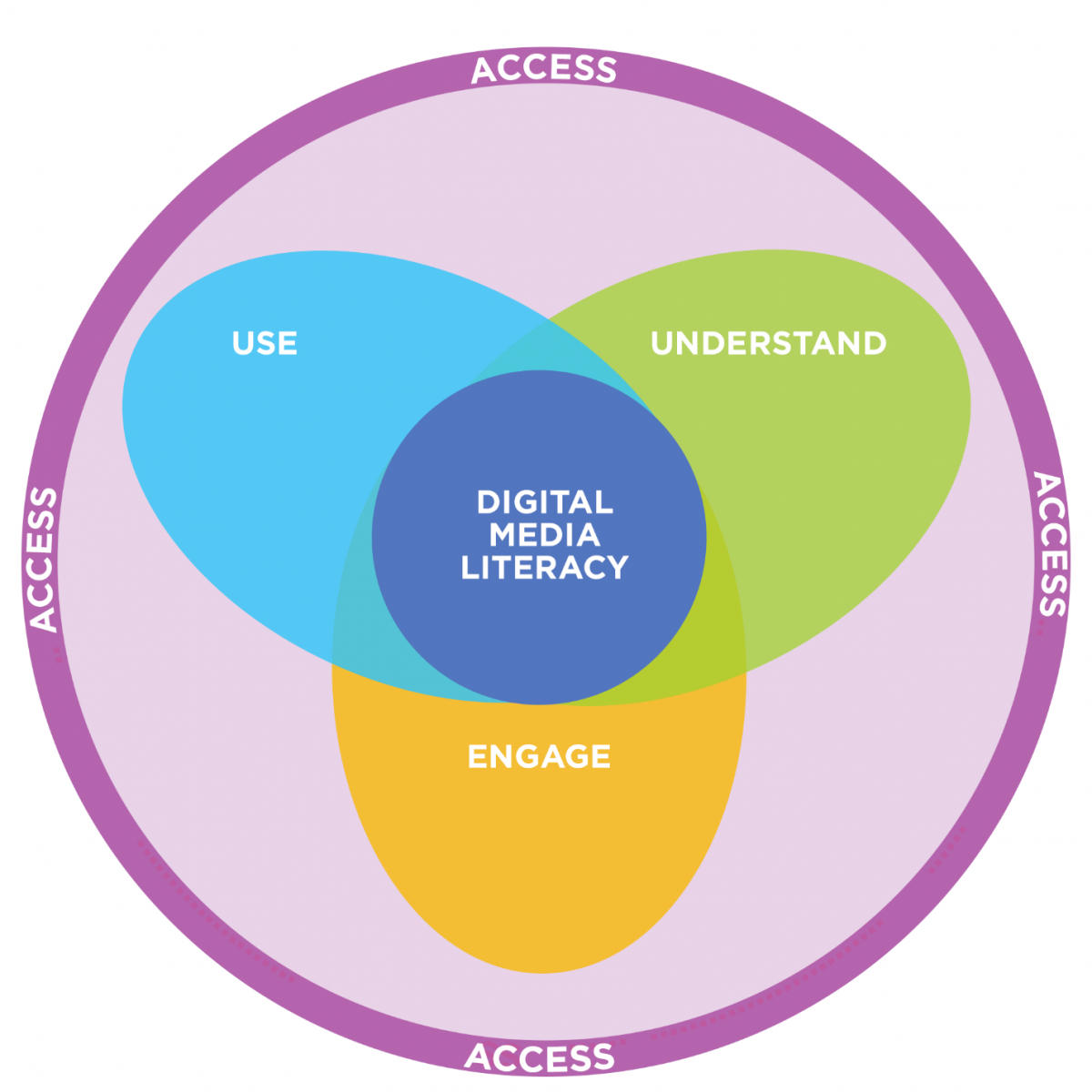
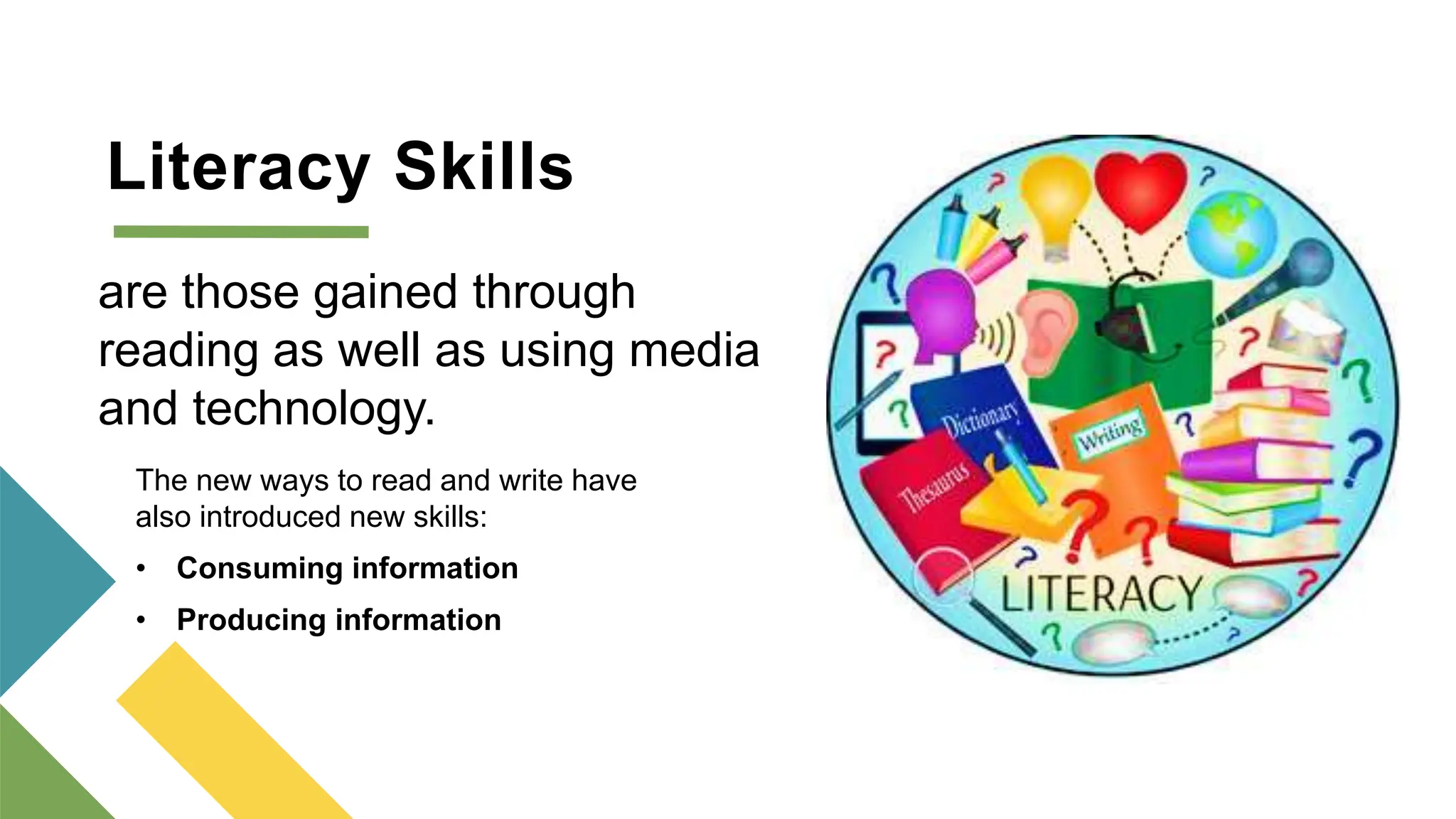
In today's fast-paced digital landscape, practicing media literacy is more crucial than ever. Media literacy refers to the ability to comprehend and critique various forms of communication, identifying the influence and meaning behind media messages. It's the foundation for navigating the complex world of information, where accuracy, reliability, and intent are often obscured by clever rhetoric and persuasive techniques.The Importance of Media Literacy
By practicing media literacy, we can become more discerning consumers of information, capable of making informed decisions, and engaging in constructive dialogue. We can identify and resist misinformation, disinformation, and propaganda, thereby maintaining critical thinking and emotional intelligence. As we interact with various forms of media, whether as producers or consumers, media literacy empowers us to analyze, evaluate, and communicate effectively.Developing Media Literacy Skills
Developing media literacy skills involves several key components:- Access: The ability to locate and access various forms of media and information sources.
- Analyze: Breaking down and understanding the structure, content, and context of media messages.
- Evaluate: Judging the credibility, reliability, and validity of information presented.
- Create: Producing and disseminating media content that is informative, engaging, and responsible.
- Act: Engaging in civic duties, making informed decisions, and taking actions that promote social responsibility.
Teaching Media Literacy

- Exposure students to various media formats and tools.
- Encourage critical thinking and analytical skills.
- Develop problem-solving and communication skills.
- Photo document investigations and narratives.
Resources and Strategies for Teaching Media Literacy
For educators seeking to teach media literacy, various resources are available:- Northstar Online Learning's individualized online instruction and practice
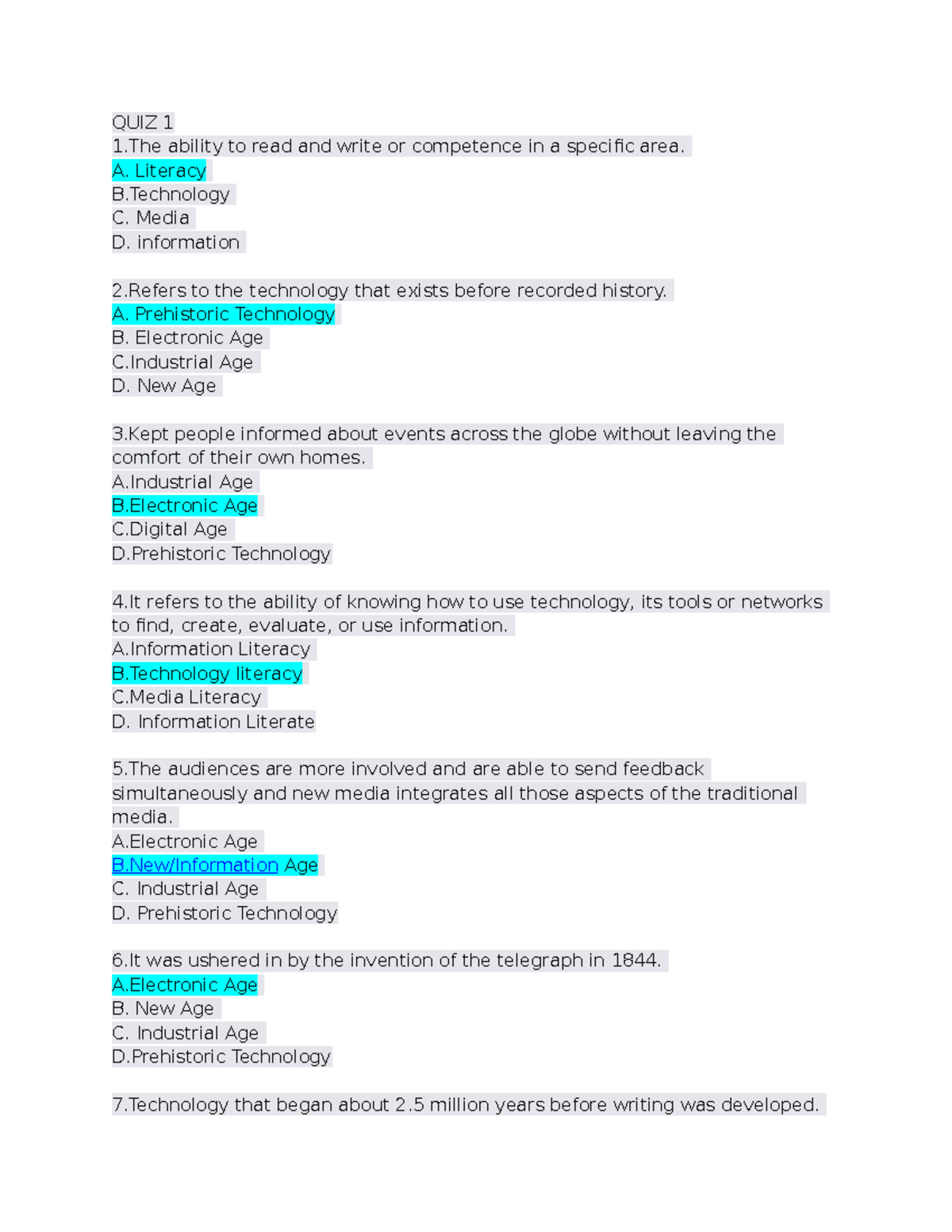
- Quezlet's library of practice questions for media literacy test
- Distilling Teen Mental Health exploring how younger people consume digital media
- Fulcrum Lit designed to address the concerns in the prescribed curriculum of English Studies and Environmental Education
- Guides and templates for teaching critical media literacy, such as explicit standards for english
Embracing Media Literacy in Our Daily Lives
Practicing media literacy extends beyond the classroom, empowering us to navigate the complexities of modern media and information landscapes. By embracing media literacy, we can:- Engage in more informed and meaningful civic duties.
- Make informed decisions about the information we consume.
- Develop a more nuanced understanding of the world around us.
- Recognize and challenge biases, propaganda, and manipulation.
- Build stronger, more empathetic communities.