Natural Wood Tones: The Ultimate Guide to Warmth, Style, and Comfort
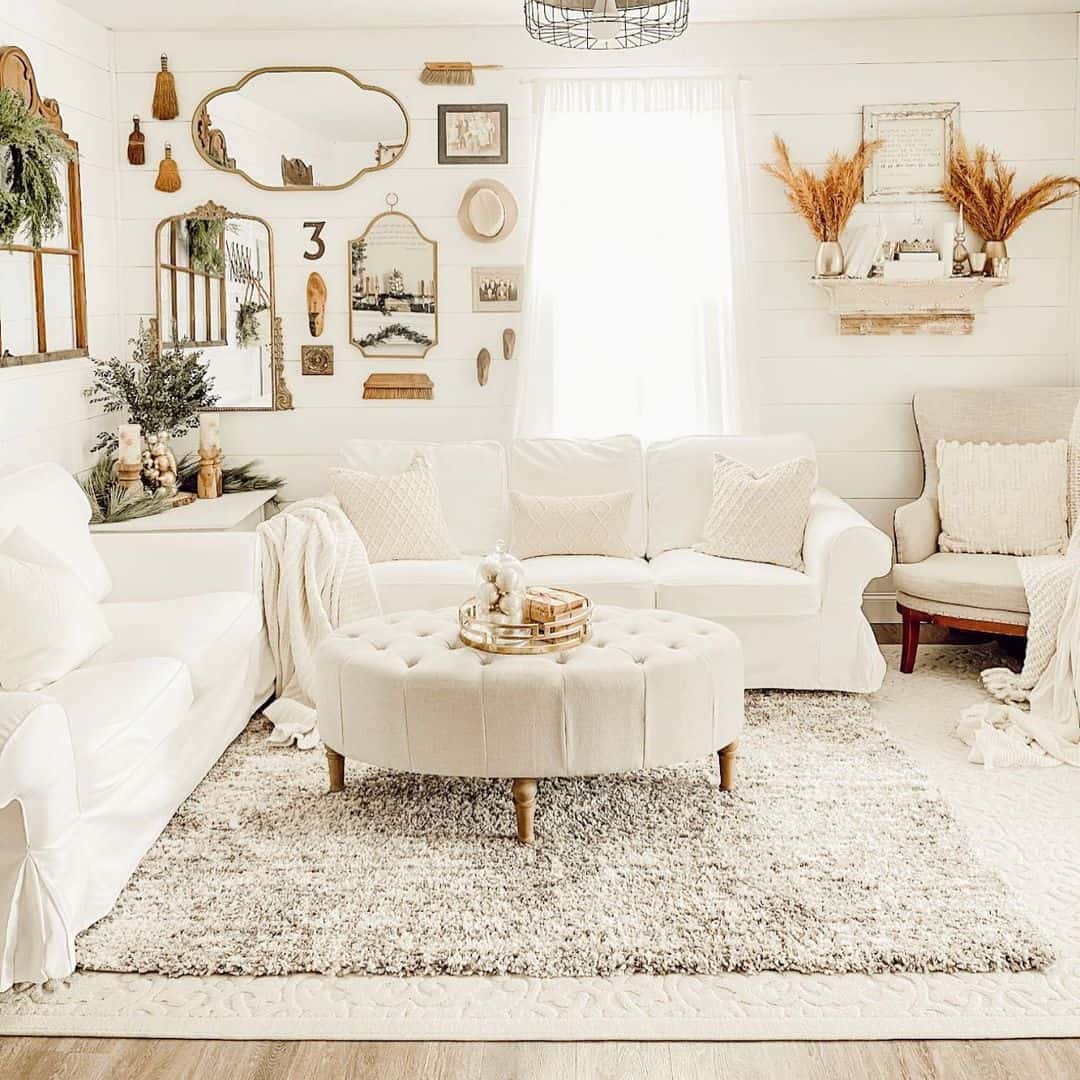
Natural wood tones have been making headlines in the world of interior design, bringing warmth, style, and comfort back to our living spaces. This trend marks a departure from the cool, gray tones that dominated design for so long, embracing warm and organic materials that feel grounding and comforting.
The Benefits of Natural Wood Tones
- Natural wood tones add warmth and coziness to any space, making it feel more inviting and comfortable.
- They bring a sense of organic materiality and authenticity to your design, setting it apart from synthetic materials.
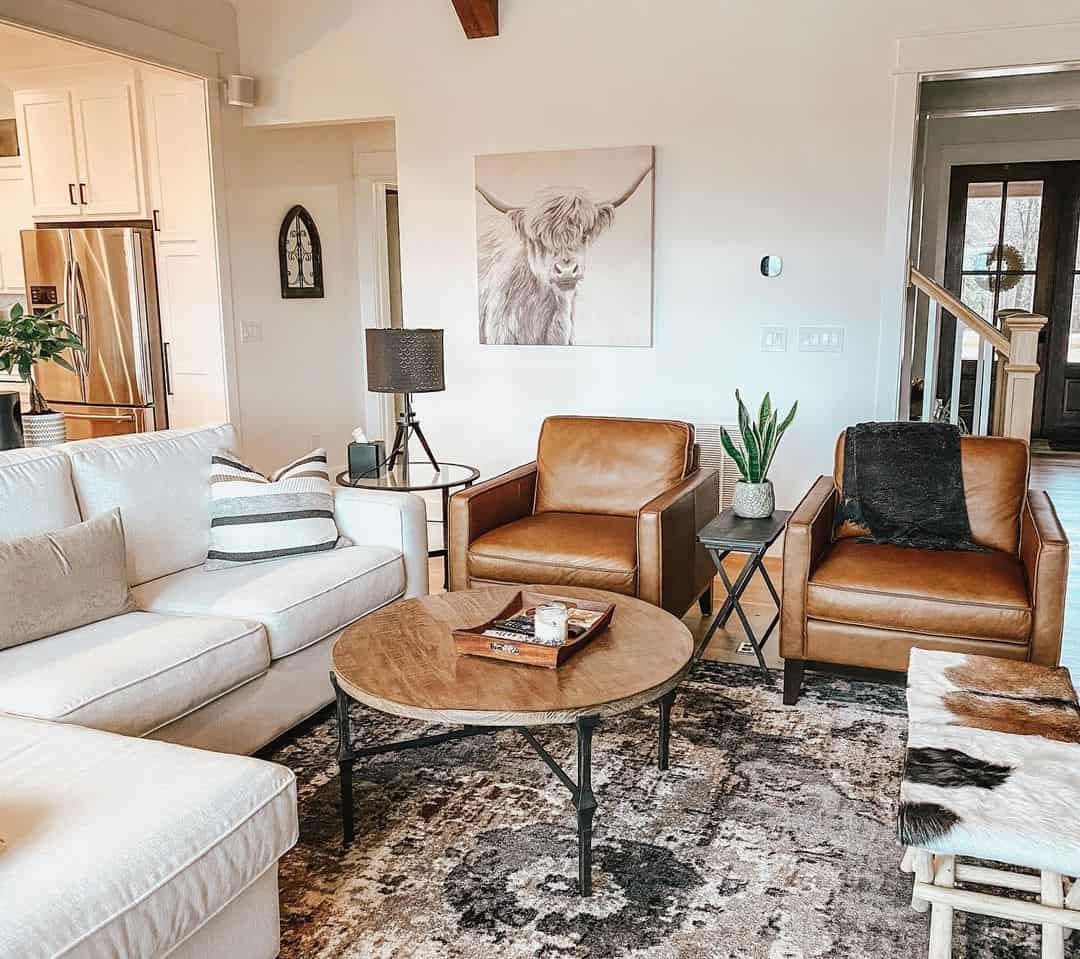
- Natural wood tones can be mixed and matched with ease, creating a unique and personalized look that reflects your style.
- They can add a touch of vintage charm and character to your space, making it feel more eclectic and interesting.
The Art of Mixing Natural Wood Tones
When it comes to mixing natural wood tones, the key is to balance and harmonize the different tones in the room. This can be achieved by following a few simple rules:
- Use the 60-30-10 rule: 60% of the room should be a dominant tone, 30% a secondary tone, and 10% an accent tone.
- Choose a dominant tone and then select secondary and accent tones that complement it.
- Consider the undertones of each wood tone – warm, cool, or neutral – and pair them accordingly.
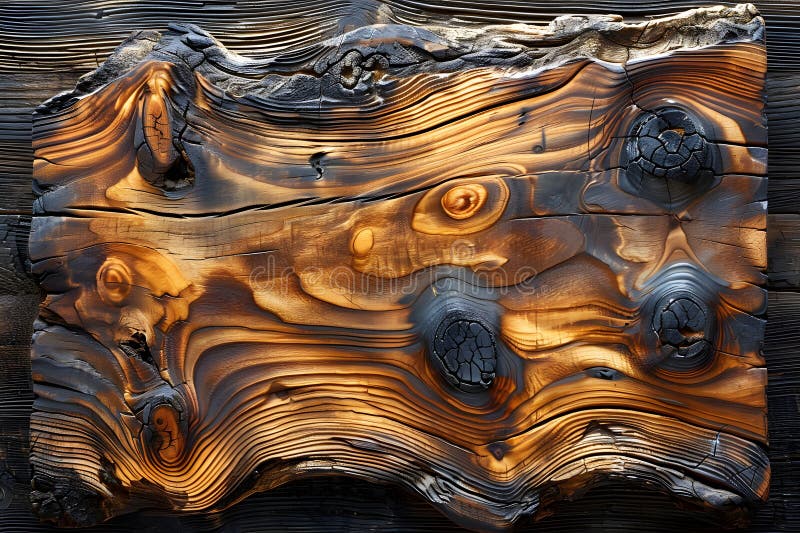
- Play with different finishings, such as matte, glossy, or distressed, to add depth and visual interest to your space.
Popular Natural Wood Tones
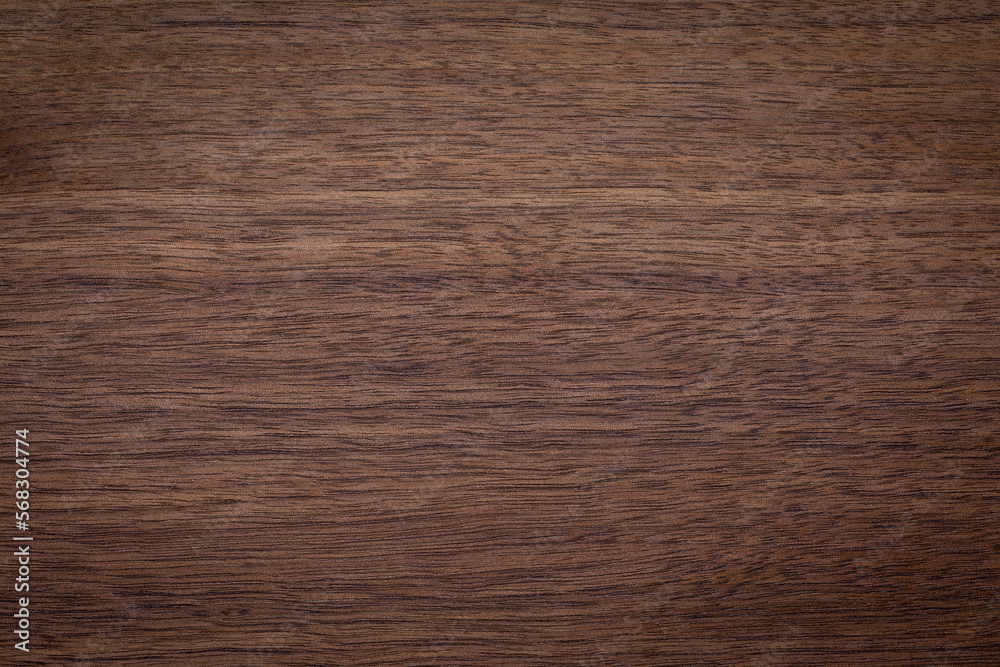
Natural wood tones come in a wide range of colors and styles, each with its unique characteristics and benefits. Some popular natural wood tones include:

- Teak: Known for its golden brown tones and high durability.
- Cedar: Aromatic and natural, cedar is a popular choice for outdoor furniture and closet linings.
- Oak: A versatile and timeless wood tone, oak is suitable for both traditional and modern designs.
- Maple: A light and airy wood tone, maple is perfect for adding a touch of brightness and cheer to your space.
Adding Natural Wood Tones to Your Space
There are many ways to incorporate natural wood tones into your space, from furniture and flooring to wall paneling and trim. Some popular ideas include:
- Using natural wood tones for flooring, such as hardwood or reclaimed wood.
- Adding natural wood accents, such as a wooden headboard or a reclaimed wood coffee table.
- Painting or staining existing wood to achieve a new tone or style.
- Installing natural wood wall paneling to add a touch of warmth and texture to your walls.
The Power of Natural Light
When selecting natural wood tones, it's essential to consider the impact of natural light on your space. Natural light can make or break the overall appearance of your wood tones, so it's crucial to bring home samples of potential furniture or décor pieces to assess how they interact with your existing wood tones in natural light.
Conclusion
Natural wood tones have the power to transform your space, adding warmth, style, and comfort to any room. By understanding the benefits, mixing and matching different tones, and incorporating them into your space, you can create a unique and personalized look that reflects your individual style. So, go ahead and get creative with natural wood tones – your space will thank you!