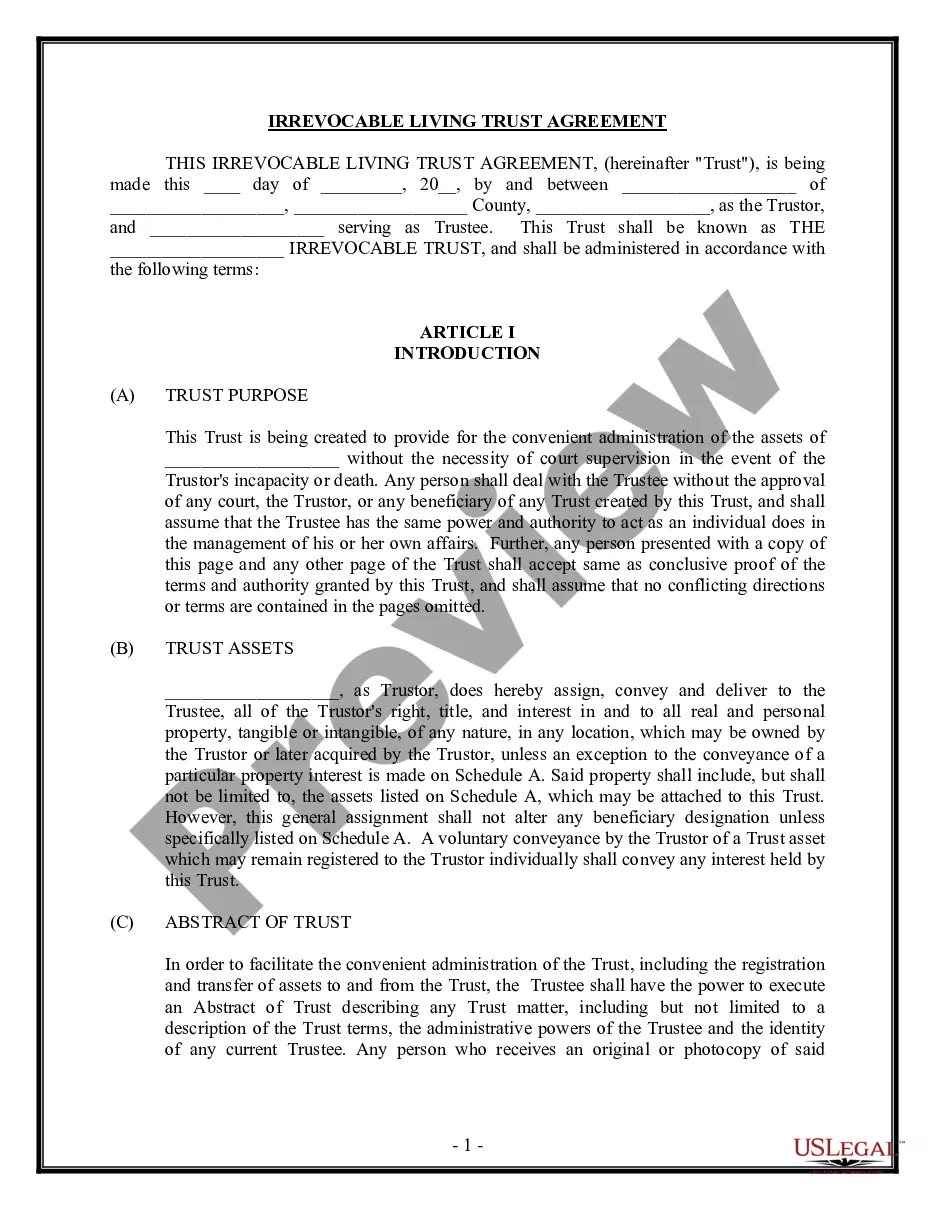
How to Create an Irrevocable Trust: A Comprehensive Guide
Introduction
Setting up an irrevocable trust is not just a financial strategy; it is a comprehensive approach to asset management, estate planning, and tax optimization. This article delves into the intricacies of irrevocable trusts, elucidating their functionality, different types, specific uses, and legal implications. By the end of this article, readers will have a thorough understanding of how to create an irrevocable trust that meets their needs and protects their assets.What is an Irrevocable Trust?
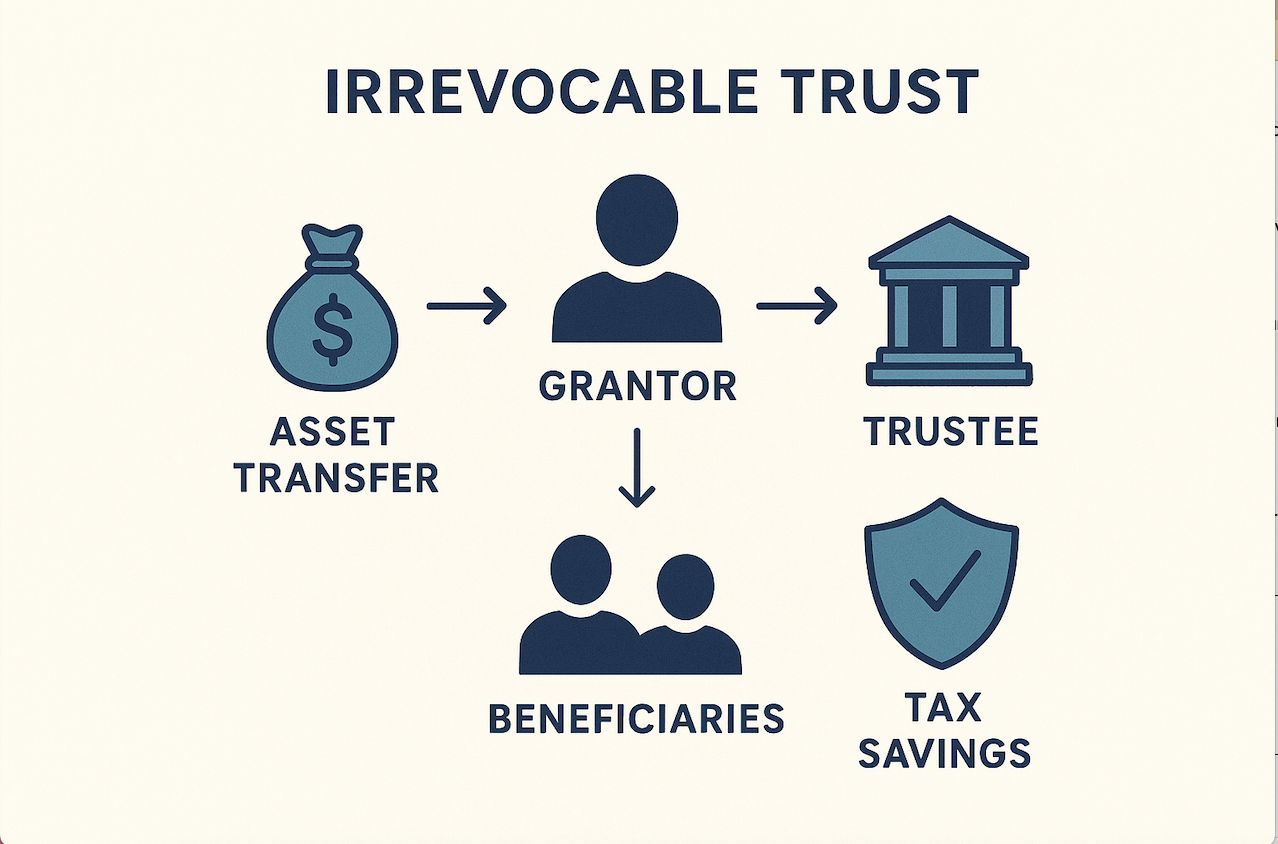
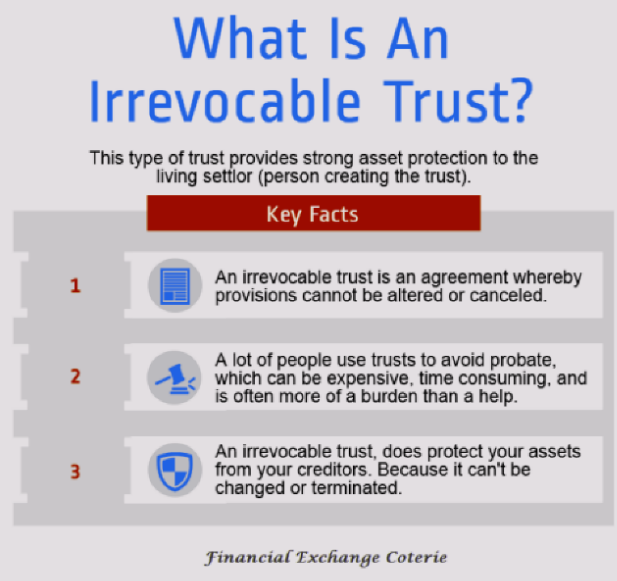
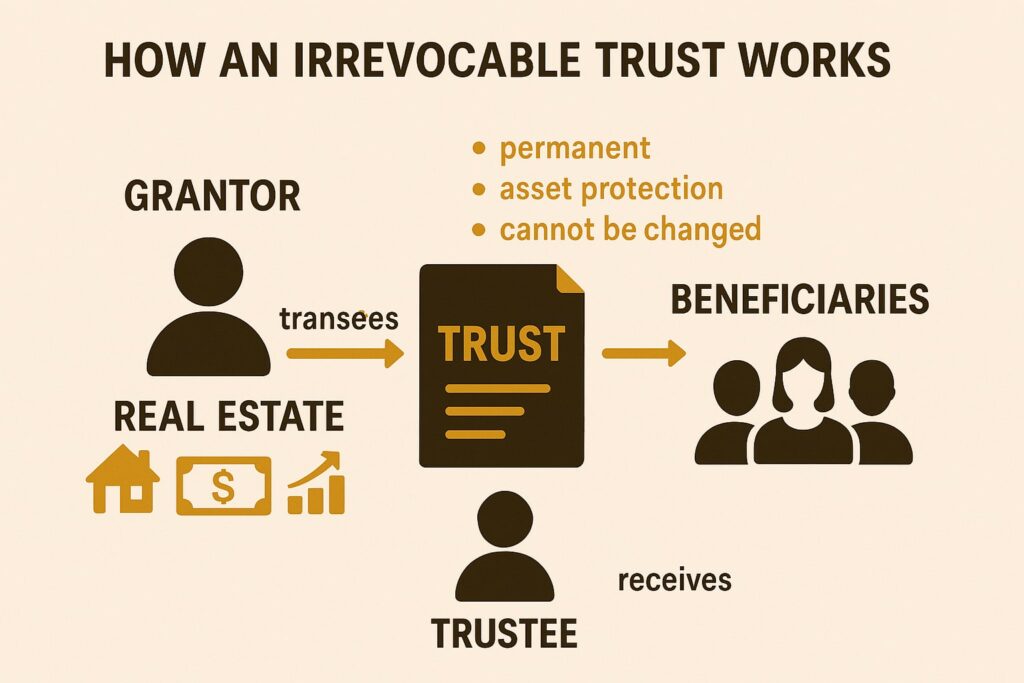
An irrevocable trust is a type of trust that cannot be revoked during the lifetime of the person who created the trust, commonly referred to as the "settlor" or the "grantor." This means that, once the settlor's property is transferred to the trust, it cannot be changed or terminated, and the trust becomes a separate entity from the grantor.Types of Irrevocable Trusts
There are several types of irrevocable trusts, including:- Charitable Trusts: These trusts are designed to benefit charitable organizations and are often used for estate planning and tax optimization.
- Special Needs Trusts: These trusts are designed to benefit individuals with special needs and are often used to provide for their care and well-being.
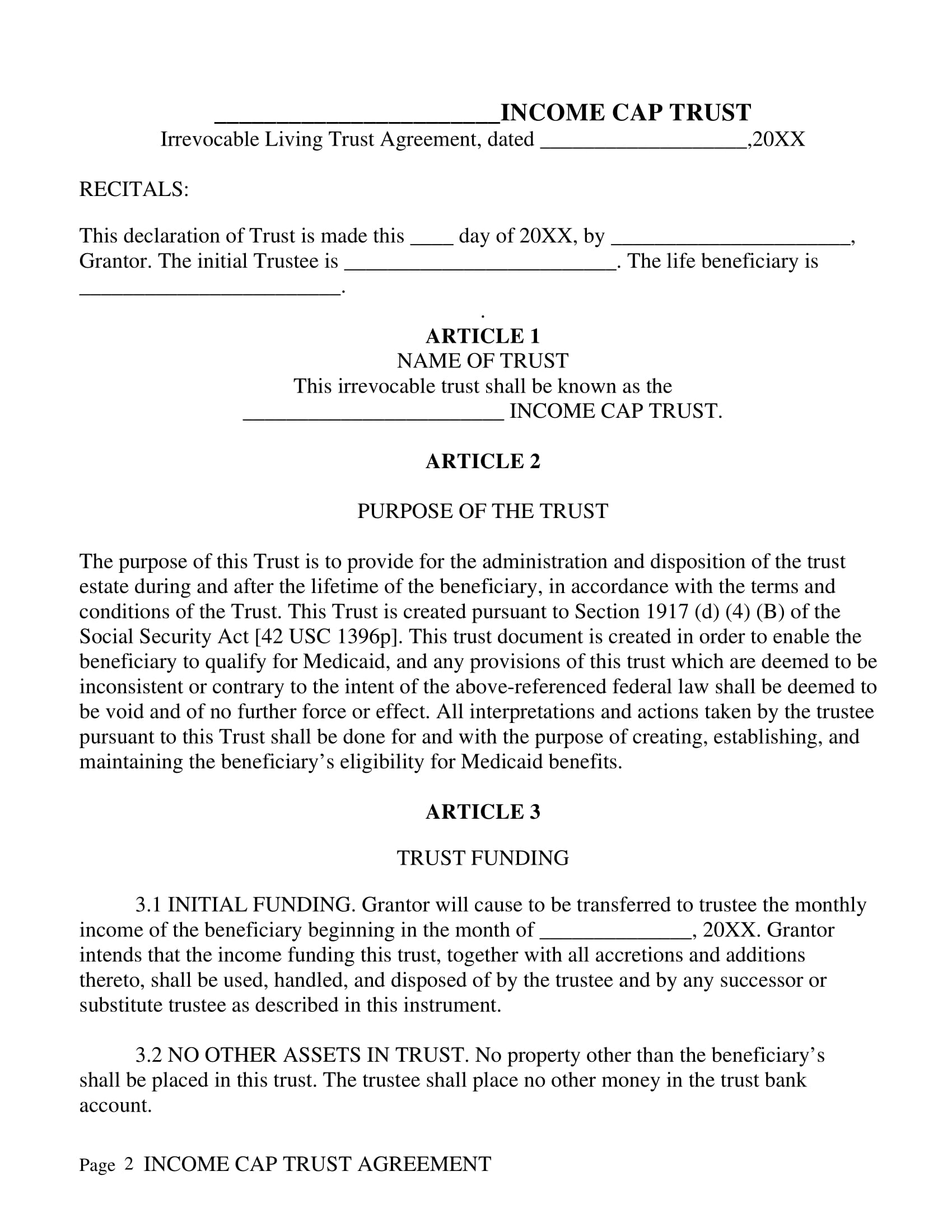
- Medicaid Qualifying Trusts: These trusts are designed to help individuals qualify for Medicaid benefits and are often used to protect assets from Medicaid spend-down.
- Irrevocable Life Insurance Trusts (ILITs): These trusts are designed to hold life insurance policies and are often used to reduce estate taxes.
How to Create an Irrevocable Trust
Creating an irrevocable trust involves several steps:- Choose a Trustee: Select a trustworthy individual or institution to manage the trust and uphold its terms.
- Identify the Beneficiaries: Clearly list all individuals or entities who will receive benefits from the trust.
- Determine the Assets: Decide which assets will be transferred to the trust, such as property, investments, or life insurance policies.
- Create the Trust Document: Work with an attorney to draft the trust document, which will outline the terms and conditions of the trust.
- Fund the Trust: Transfer the assets to the trust, and ensure that the trustee is aware of their responsibilities.
Benefits of Creating an Irrevocable Trust

- Asset Protection: Irrevocable trusts can protect assets from creditors and lawsuits.
- Tax Optimization: Irrevocable trusts can help reduce estate taxes and optimize tax planning.
- Estate Planning: Irrevocable trusts can help ensure that assets are distributed according to the grantor's wishes.
- Medicaid Planning: Irrevocable trusts can help individuals qualify for Medicaid benefits and protect assets from Medicaid spend-down.
Conclusion
Creating an irrevocable trust is a complex process that requires careful consideration and planning. By understanding the different types of irrevocable trusts, the steps involved in creating one, and the benefits it can provide, readers can make informed decisions about their estate planning and asset protection strategies.Common Mistakes to Avoid When Creating an Irrevocable Trust
When creating an irrevocable trust, it's essential to avoid common mistakes, including:- Failing to choose a trustworthy trustee.
- Not clearly identifying the beneficiaries.
- Determining the assets incorrectly.
- Creating a trust document that is not tailored to the grantor's needs.
- Failing to fund the trust properly.
Additional Resources
For more information on creating an irrevocable trust, readers can consult with an attorney or seek guidance from a financial advisor. Some additional resources include:- The Internal Revenue Service (IRS) website, which provides information on tax implications of irrevocable trusts.
- The American Bar Association (ABA) website, which provides information on estate planning and trusts.
- The National Association of Estate Planners & Councils (NAEPC) website, which provides information on estate planning and trusts.


:max_bytes(150000):strip_icc()/TermDefinitions_Irrevocabletrust-4dab1d345f7d4d938fdb38a44ec3ea61.jpg "How to Set Up an Irrevocable Trust: Our Step-by-Step Guide")