Does Milk Cause Diarrhea in Cats?
If your cat has experienced diarrhea after consuming milk, possible causes include lactose intolerance or dietary sensitivities. In this article, we'll explore the connection between milk and digestive issues in cats, discussing the potential effects of lactose intolerance and other factors at play.
Why Do Cats Get Sick from Drinking Milk?
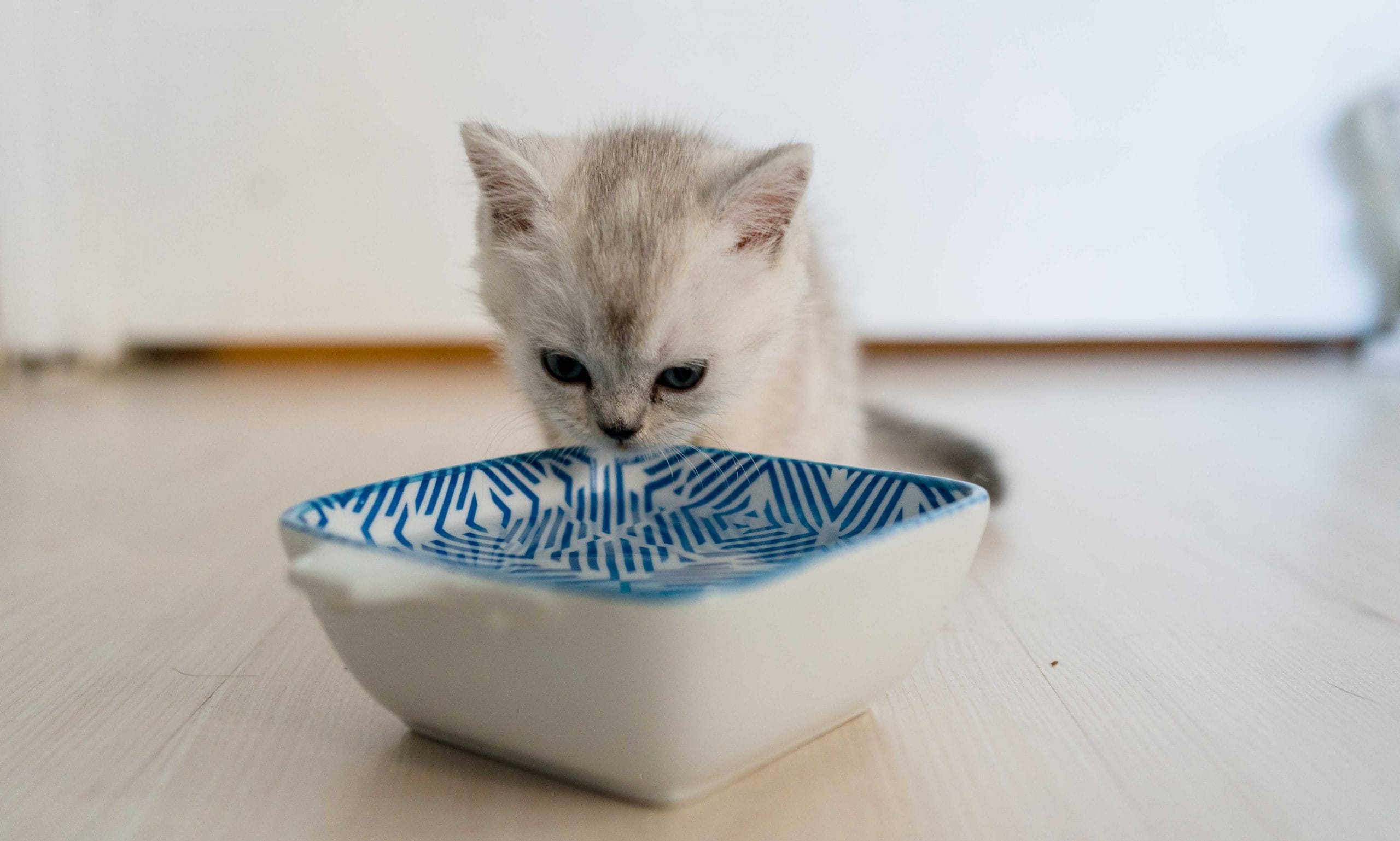
Cats are naturally lactose intolerant, meaning their digestive systems cannot properly break down lactose, the sugar found in milk. Kittens produce the enzyme lactase to digest their mother's milk, but most cats lose this ability as they grow older. When a cat consumes milk, the undigested lactose can cause stomach upset, diarrhea, and discomfort.
Lactose Intolerance in Cats: What It Means
- Most cats, approximately 70%, are lactose intolerant.
- Most adult cats lack the necessary lactase enzyme to digest lactose.
- Consuming milk can cause significant gastrointestinal distress in lactose-intolerant cats, leading to diarrhea or stomach upset.
Signs and Symptoms of Lactose Intolerance in Cats
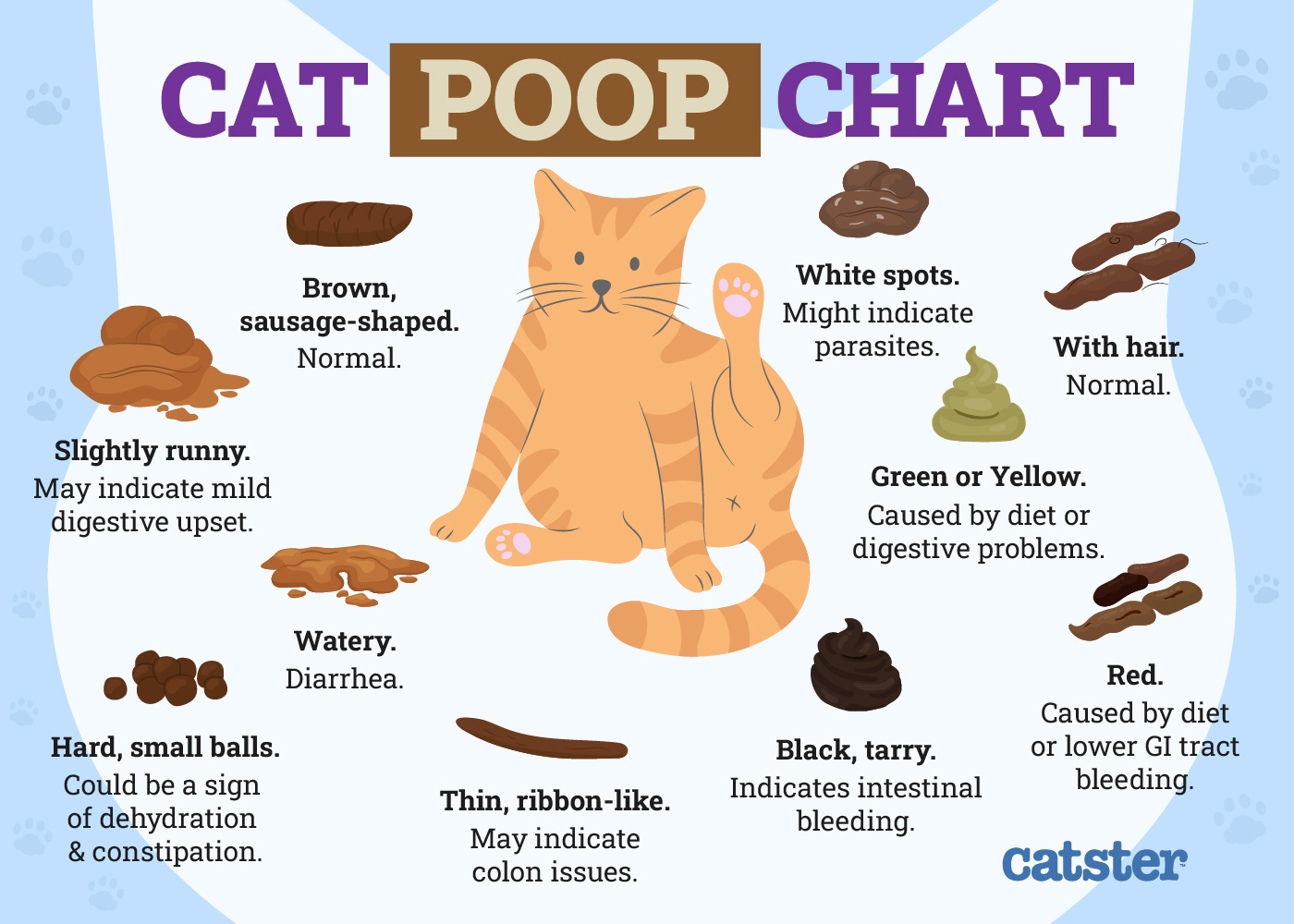
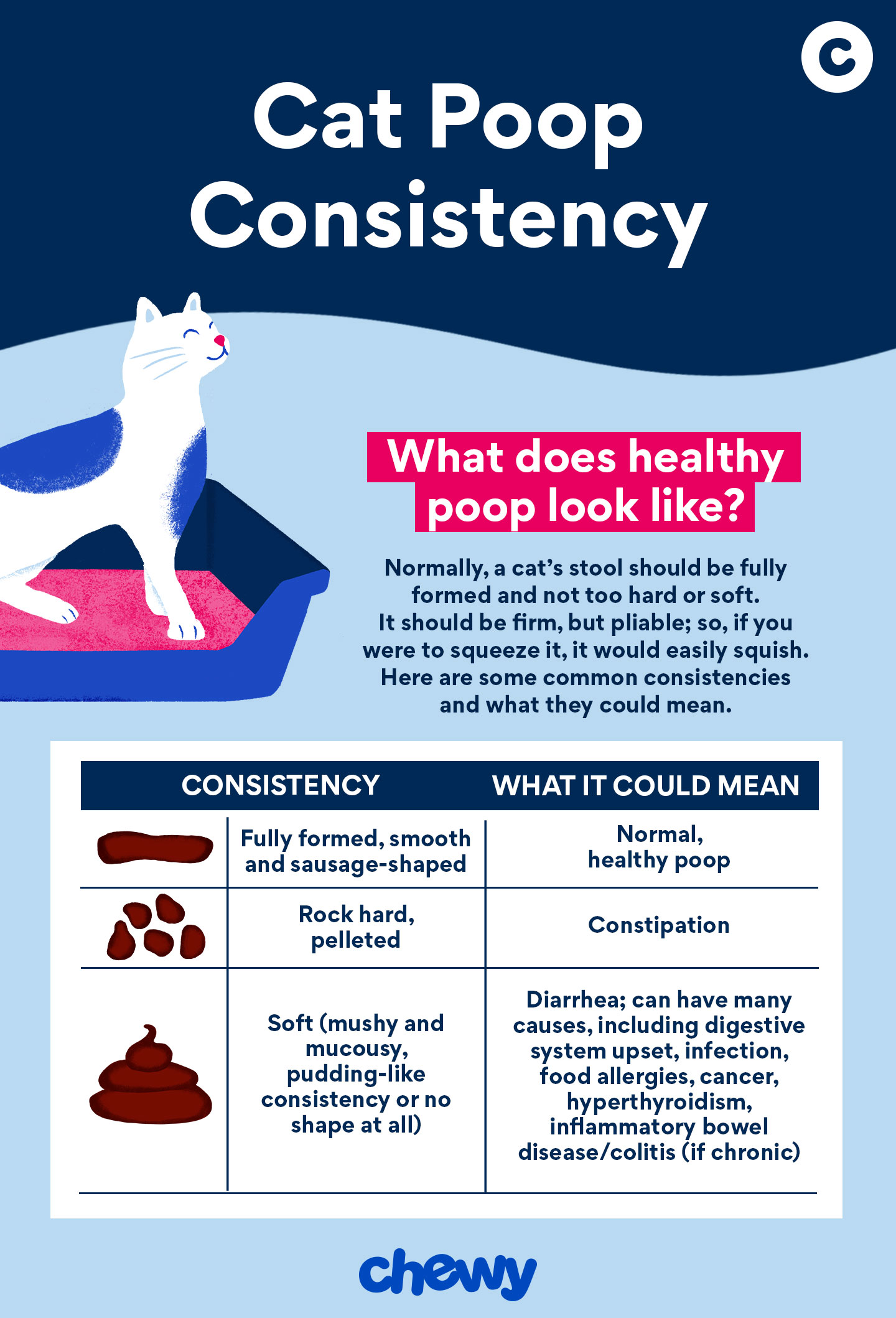
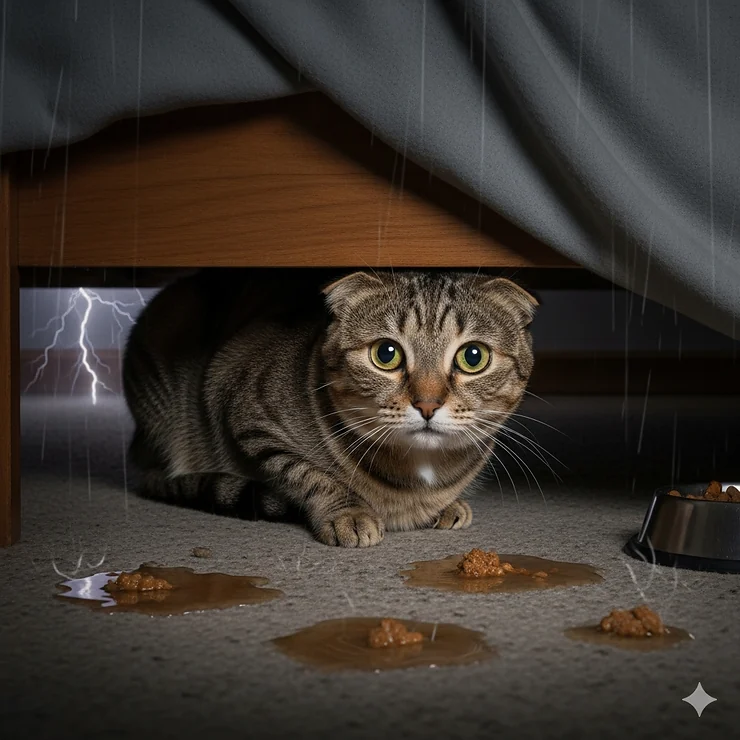
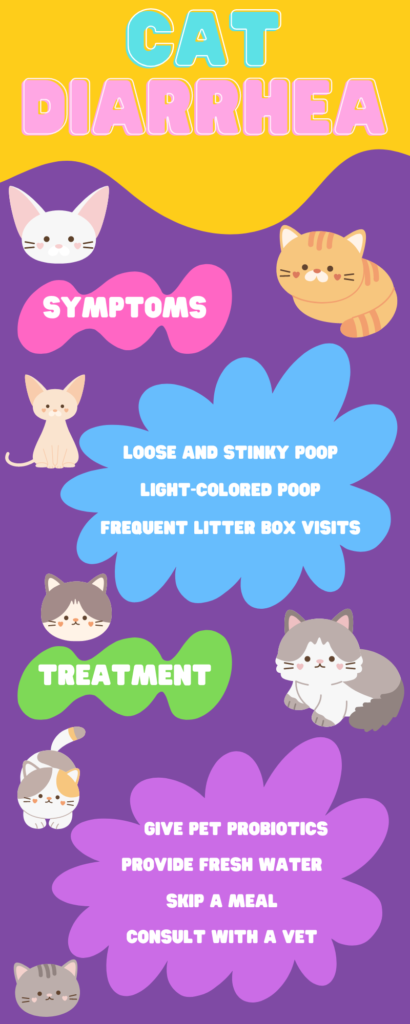
- Diarrhea: The most common symptom of lactose intolerance in cats, usually occurring within 8 to 12 hours of consuming milk.
- Stomach cramps
- Bloating
- Gas
- Vomiting: Particularly in kittens
Prevention Strategies for Diarrhea in Cats
- Provide a balanced, lactose-free diet that meets your cat's nutritional needs.
- Avoid giving your cat milk as a treat or supplement.
- Consider alternative forms of nutrition, such as lactose-free milk or specialized cat foods.
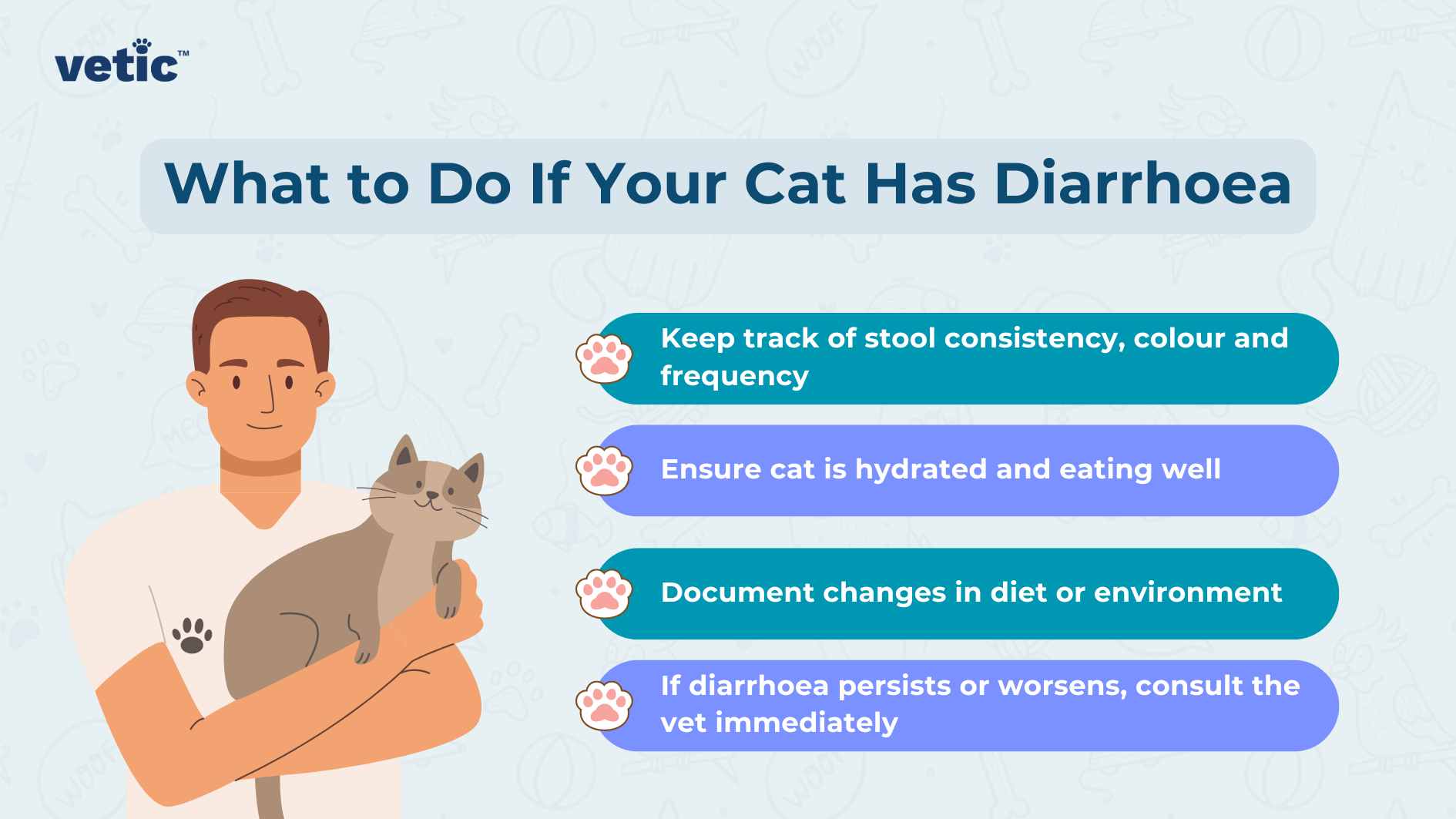
- Keep an eye on your cat's health and behavior, and consult a veterinarian if you notice any signs of digestive issues.
When to Consult a Veterinarian
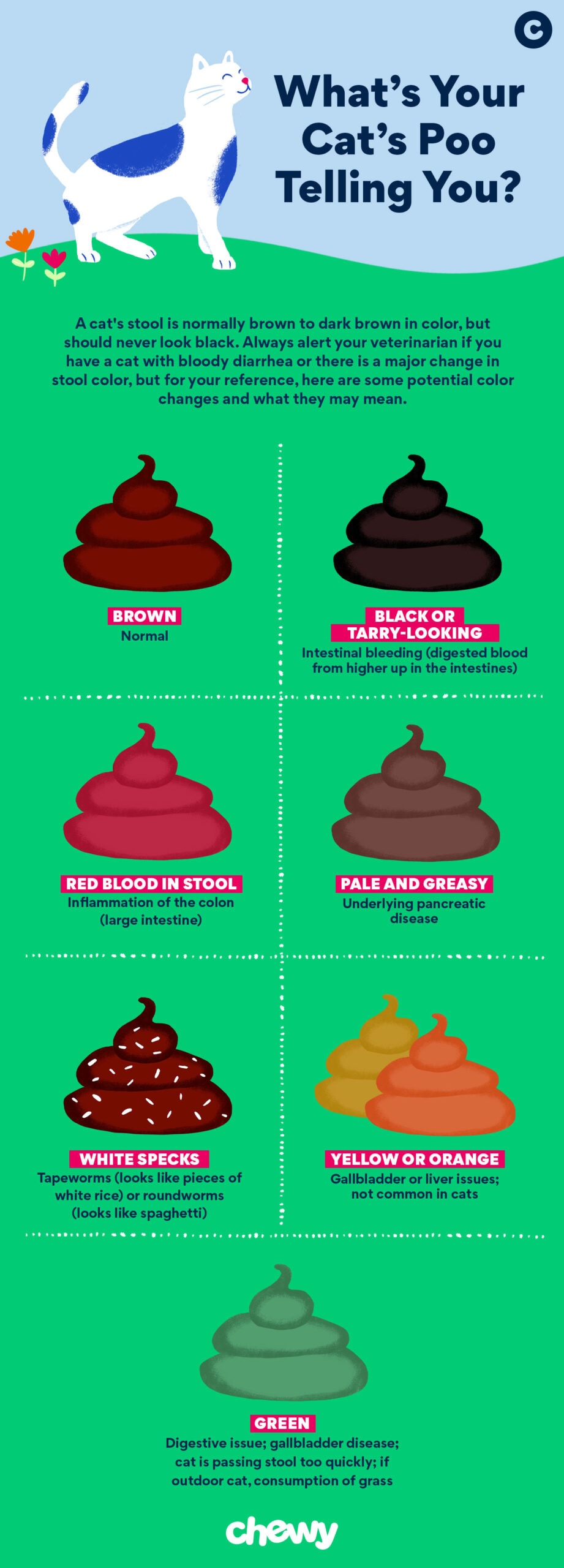
While lactose intolerance is a common issue, other factors may contribute to your cat's diarrhea. If your cat experiences persistent or severe diarrhea, vomiting, or other symptoms, consult a veterinarian for proper diagnosis and treatment.
Conclusion
While milk may seem like a harmless treat for your cat, lactose intolerance can cause significant digestive issues. By understanding the signs and symptoms of lactose intolerance and implementing prevention strategies, you can help your cat maintain a healthy digestive system. Remember, if you suspect your cat's diarrhea is caused by lactose intolerance or other factors, always consult a veterinarian for personalized advice and care.