The Attentions Economy: Understanding the Incentives and Consequences
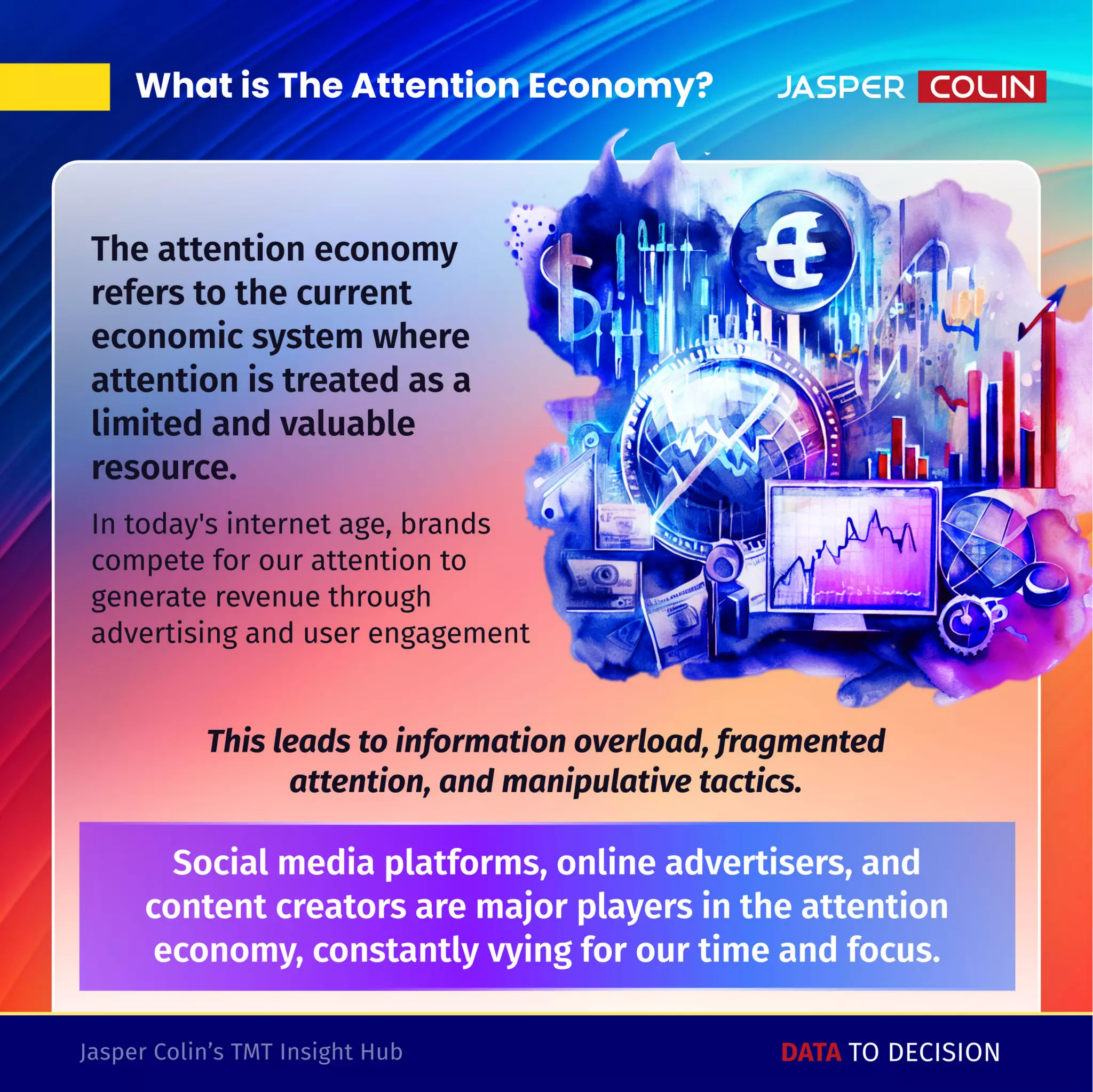
The attention economy refers to the incentives of advertising-driven companies, particularly to maximize the time and attention their users give to their product. This concept has been gaining significant attention in recent years, with various studies and papers shedding light on its implications for human behavior, information management, and the economy as a whole.
A Brief History and Conceptual Framework
The notion of attention as a scarce commodity has been around for centuries, but the term "attention economy" gained prominence with the rise of digital technology and social media. Pioneers in this field include Herbert Simon, who argued that attention is a limited resource and should be treated as such, and Jean Baudrillard, who claimed that the attention economy is a system where attention becomes a currency that can be bought, sold, and manipulated.
Understanding the Mechanisms of the Attention Economy
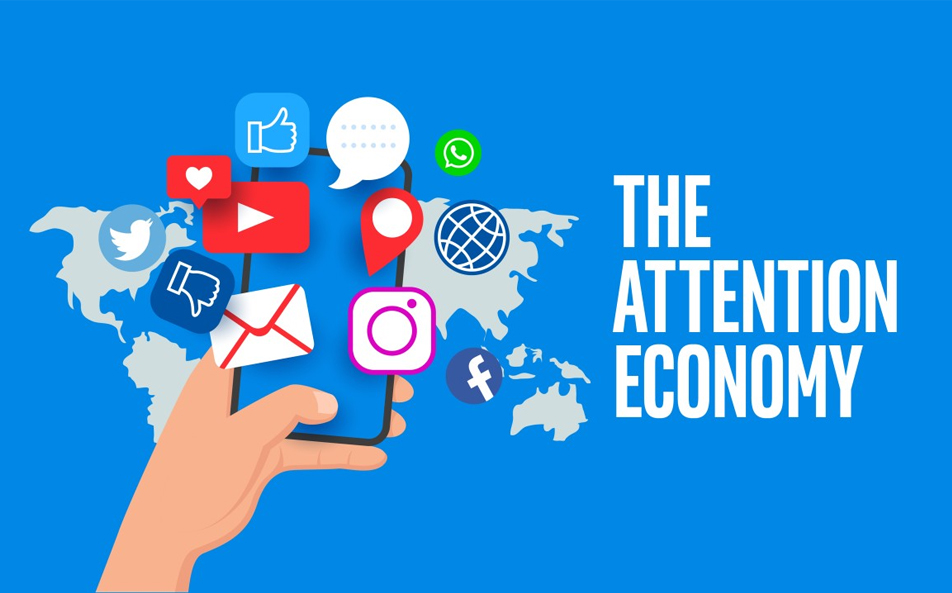
The attention economy operates on the principle that attention is a valuable resource that can be captured, harvested, and sold to advertising-driven companies. These companies use various methods to extract attention from users, including social media algorithms, notifications, and personalized content recommendations. The end goal is to keep users engaged for as long as possible, thus maximizing the attention they can sell to advertisers.
- Algorithmic Control**: Social media algorithms play a crucial role in determining what content users see and engage with, essentially controlling the flow of attention.
- Personalization**: Companies use user data to create personalized content, increasing the likelihood of engagement and attention.
- Notifications**: Push notifications and alerts keep users informed about new content, messages, and updates, further boosting attention.
The Consequences of the Attention Economy
The attention economy has numerous consequences, both positive and negative. Some of the key effects include:
- Diminishing Focus**: The constant need for attention can lead to decreased focus, as users are bombarded with notifications, updates, and distractions.
- Manipulation and Control**: The attention economy allows companies to influence and control user behavior, often with manipulative and exploitative tactics.
- Value of Attention**: As attention becomes a currency, its value increases, and users are increasingly aware of its worth, potentially leading to more truth and authenticity.
Breaking the Cycle of the Attention Economy
As we continue to navigate the complexities of the attention economy, it's essential to take a step back and reassess our relationship with attention. Some strategies for breaking the cycle include:
- Digital Minimalism**: A deliberate choice to limit exposure to digital content, reducing distractions and the need for constant attention.
- Mindful Attention**: Focusing on more meaningful and intentional engagements, such as meditation, reading, or creative pursuits.
- UX Design**: Designing user experiences that prioritize focus, decluttering information, and providing clear calls-to-action.
Conclusion
The attention economy is a complex and multifaceted phenomenon that affects our behavior, our relationships, and our economy. By understanding its mechanisms and consequences, we can begin to break the cycle of constant distraction and manipulation. By adopting digital minimalism, mindful attention, and UX design, we can create a more balanced, aware, and intentional approach to attention in the digital age.