Staring At Screens: The Hidden Dangers Behind Your Daily Habits
Have you ever stopped to think about the impact that staring at screens has on your eyes, body, and brain? With the majority of our daily activities now revolving around technology, it's easy to overlook the potential risks associated with this behavior. In this article, we'll delve into the world of screen time, exploring the health implications and simple tips to help you mitigate its effects.
The Rise of Screen Time: A Silent Epidemic?
The amount of time we spend staring at screens has skyrocketed in the past decade, with the average person spending at least seven hours in front of a screen every day. This surge in screen time has led to a rise in digital eye strain, a condition that can affect people of any age and may worsen over time if not addressed.
What is Digital Eye Strain?
Digital eye strain, also known as computer vision syndrome (CVS), is a condition that occurs when you spend extended periods staring at a screen. Common symptoms include:
- Eye fatigue
- Headaches
- Blurred vision
- Dry eyes
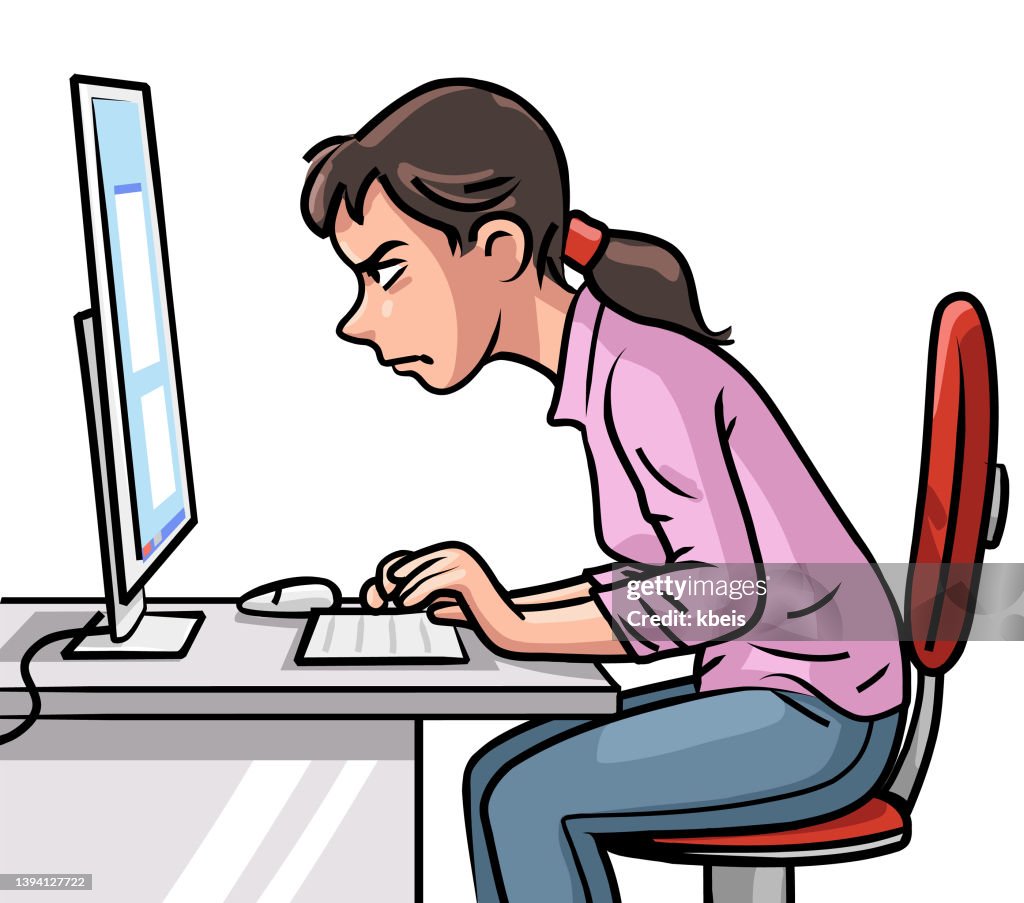
- Neck and shoulder pain
The 20-20-20 Rule: A Simple Solution
One of the most effective ways to combat digital eye strain is to follow the 20-20-20 rule. This simple technique involves:
• Looking away from your screen every 20 minutes
• Focusing on an object 20 feet away
• Taking a 20-second break

Why is Staring at Screens So Damaging?
When you sit in front of a screen, your eyes remain focused on one point at the same distance for long periods. This can lead to strain, especially in people who already wear glasses or contacts. Moreover, the constant blue light emitted from screens can disrupt your sleep patterns, leading to a range of other health problems.
Prevention is Key: Tips for Safe Screen Time
Don't worry, reducing your screen time doesn't have to be painful! Here are some simple tips to help you minimize the risks associated with staring at screens:
- Adjust your screen's brightness and contrast to reduce eye strain
- Use a matte screen filter to reduce glare
- Take regular breaks to stretch and move around
- Consider wearing blue-blocking glasses or using an app that filters blue light
- Make time for outdoor activities and exercise to reduce screen time overall
The Unexpected Consequences of Screen Time
Staring at screens for extended periods has far-reaching consequences that extend beyond eye health. Prolonged screen time can lead to:
- Mood changes and depression
- Cognitive impairment and decreased focus
- Weakened neck and shoulder muscles
- Reduced creativity and social interaction
Conclusion: Take Control of Your Screen Time
It's time to take a step back and reassess our relationship with screens. Staring at screens is a common habit that can have serious consequences for our health and well-being. By implementing simple tips and taking regular breaks, you can reduce your risk of digital eye strain and stay healthy in a world dominated by screens.