Protecting Your Online Presence from Cyber Harassment
With the rise of social media and the internet, protecting your online presence has become an essential aspect of digital life. Cyber harassment, which includes cyberbullying, stalking, and online abuse, can have serious consequences for victims, affecting their emotional well-being, mental health, and even their daily lives. In this article, we will explore the importance of protecting your online presence from cyber harassment and provide you with a comprehensive guide on how to do so.
Understanding Cyber Harassment
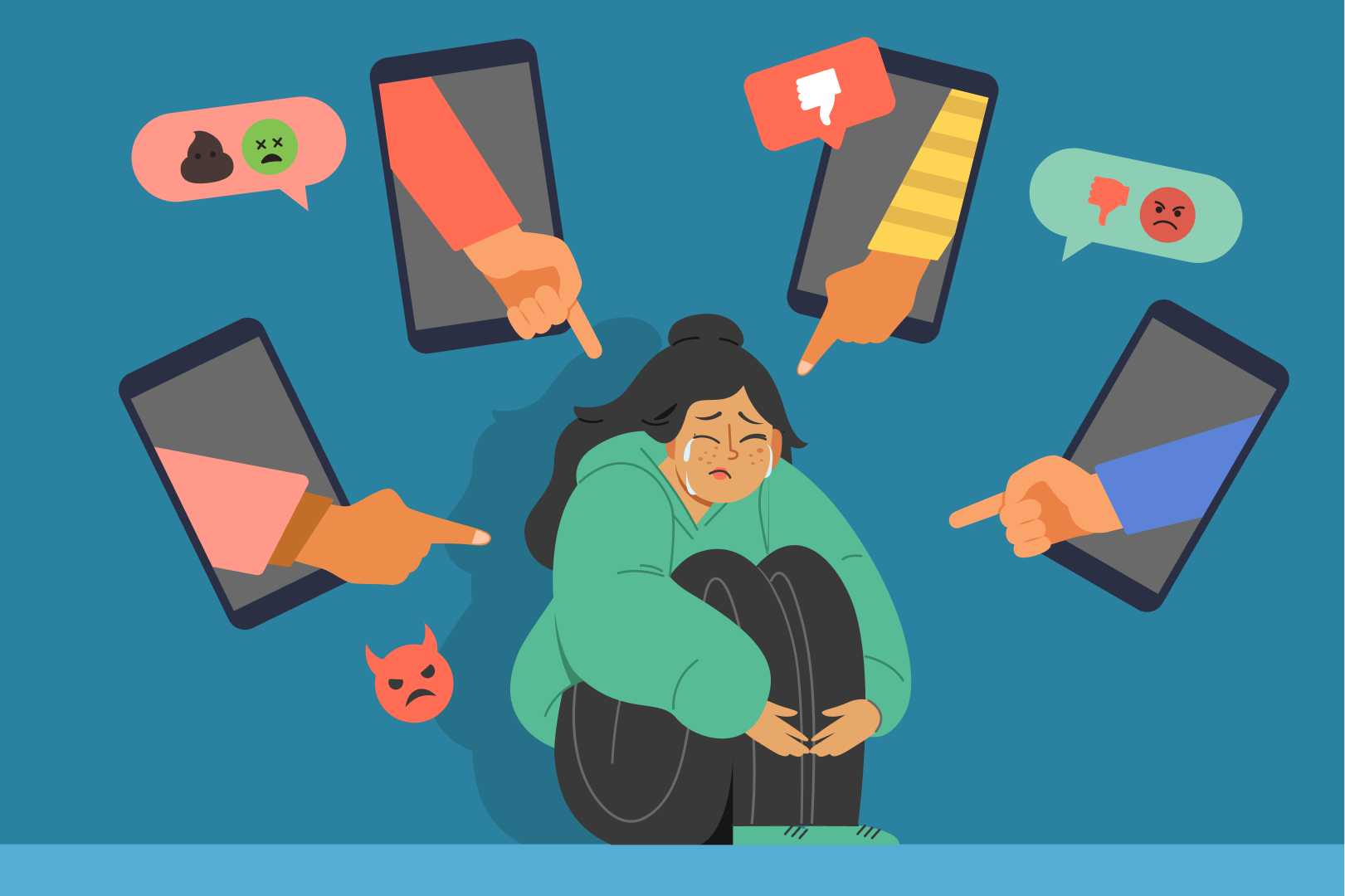
Cyber harassment is a form of online abuse that involves sending or posting threatening, obscene, or harassing messages or content to an individual, group, or organization. It can take many forms, including cyberbullying, online stalking, and harassment. Cyber harassers often target individuals who are vulnerable or have a significant online presence.
Types of Cyber Harassment
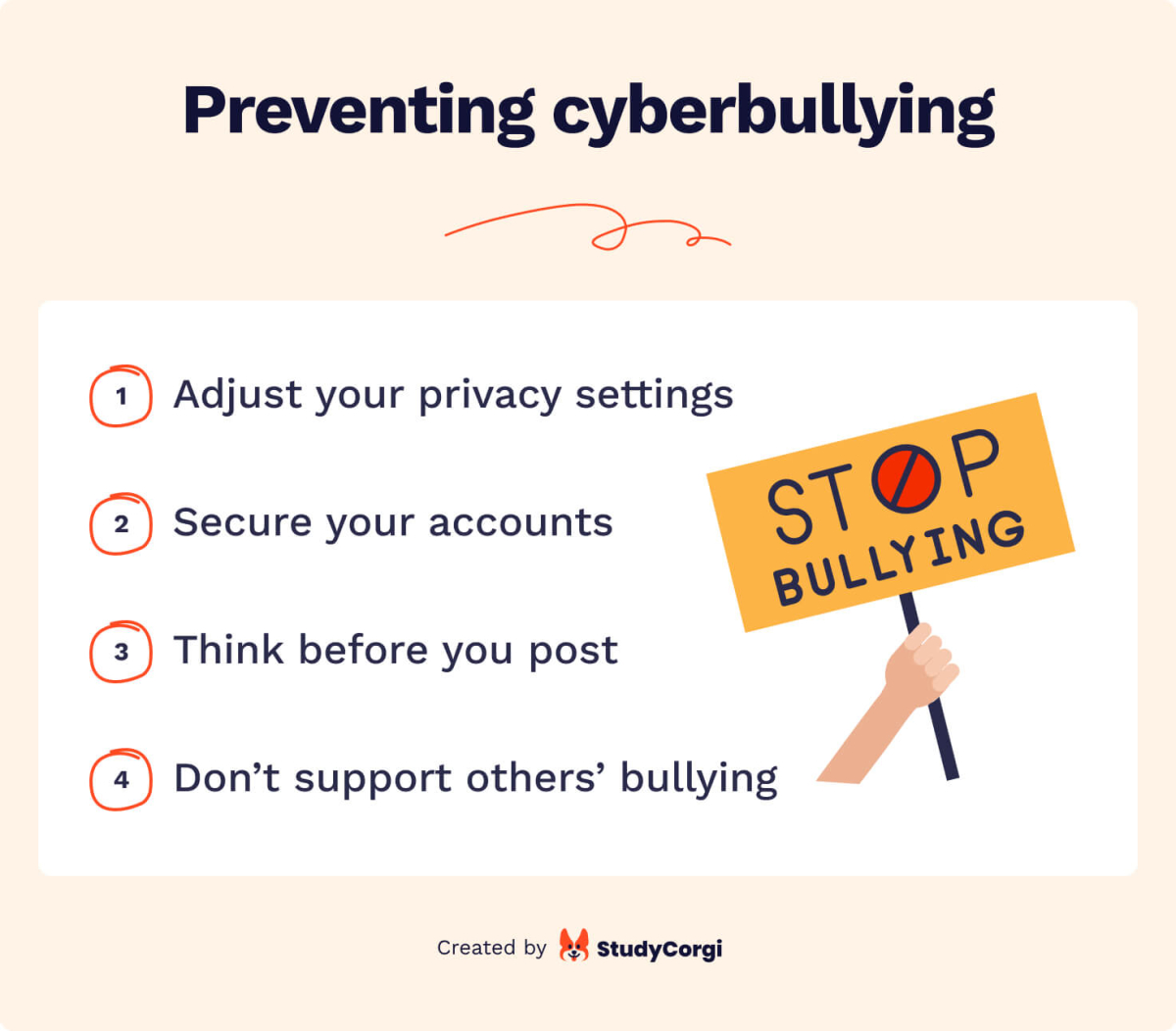
- Cyberbullying: This involves using the internet to tease, threaten, or spread rumors about another person.
- Cyberstalking: This involves monitoring an individual's online activities, tracking their location, or threatening them through the internet.
- Doxxing: This involves publishing private or identifying information about an individual online, such as their address, phone number, or Social Security number.
- Trolling: This involves posting inflammatory or provocative messages or content to elicit a reaction from others.
Protecting Your Online Presence
Protecting your online presence is crucial to prevent cyber harassment. Here are some tips to help you do so:
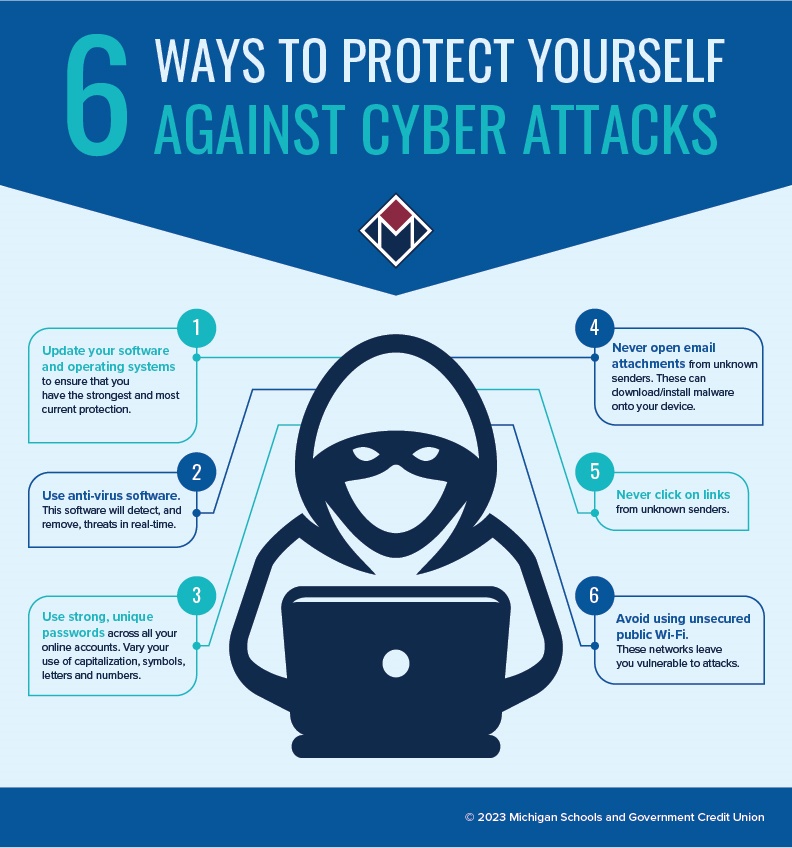
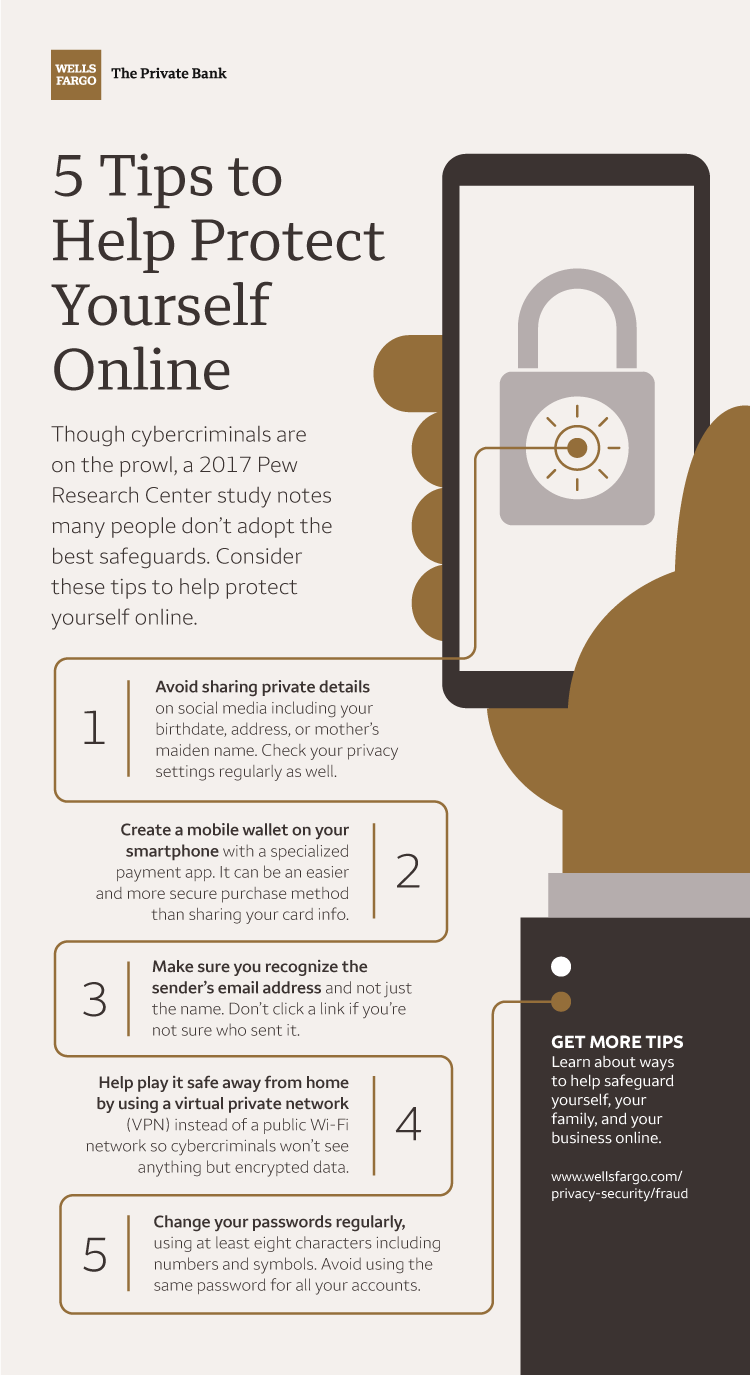
- Use strong passwords: Use unique and complex passwords for all your online accounts and change them regularly.
- Enable two-factor authentication: This adds an extra layer of security to your accounts, making it harder for hackers to access them.
- Monitor your online accounts: Regularly check your accounts for suspicious activity and report any incidents to the platform or authorities.
- Be cautious of phishing scams: Be wary of emails or messages that ask for personal or financial information.
- Report harassment: If you experience or witness online harassment, report it to the platform or authorities.
- Block and unfriend: Block or unfriend individuals who engage in harassing behavior.
- Set boundaries: Clearly communicate your boundaries and expectations for online interactions.
Reporting Cyber Harassment

If you experience or witness online harassment, report it to the platform or authorities. Here are some steps to follow:
- Document evidence: Save screenshots or messages that show the harassment.
- Report to the platform: Report the incident to the platform where the harassment occurred.
- Contact law enforcement: If the harassment is severe or persists, contact your local law enforcement agency.
- Seek support: Reach out to a trusted friend, family member, or mental health professional for support.
Conclusion
Protecting your online presence from cyber harassment is essential in today's digital age. By following the tips outlined above, you can significantly reduce your risk of experiencing or witnessing online harassment. Remember to stay vigilant, report incidents, and seek support if you need it. Your online presence is valuable, and it's time to take control of it.