Learning Python with Statsmodels Library: Unlock the Power of Statistical Modeling
The world of data analysis and machine learning has evolved significantly with the advent of Python, one of the most popular programming languages used in data science. Among the numerous libraries available for data analysis and machine learning, Learning Python with Statsmodels Library stands out as a powerful tool for statistical modeling, hypothesis testing, and data exploration. In this article, we will delve into the world of Statsmodels and explore its features, benefits, and applications.
What is Statsmodels Library?
Statsmodels is an open-source Python library that provides a wide range of tools for statistical modeling, hypothesis testing, and data exploration. It is built on top of NumPy, SciPy, and pandas, making it an essential library for data scientists and researchers. Statsmodels offers a comprehensive suite of tools for estimating various statistical models, including linear regression, generalized linear models, time series analysis, and more.
Why Use Statsmodels for Statistical Modeling?
There are several reasons why Statsmodels is an excellent choice for statistical modeling:
- Comprehensive Modeling Capabilities: Statsmodels supports a wide range of statistical models, including linear regression, generalized linear models, time series analysis, and more.
- Easy to Use: The library has a simple and intuitive API, making it easy to use and understand.
- Highly Extensible: Statsmodels can be easily extended to support new models and features.
- Community Support: The Statsmodels community is active and supportive, ensuring that users have access to the latest features and updates.
Key Features of Statsmodels Library
The Statsmodels library offers a wide range of features, including:
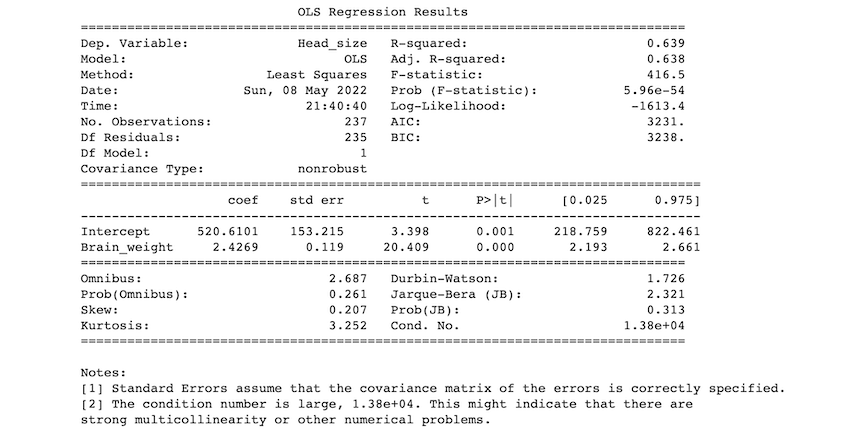
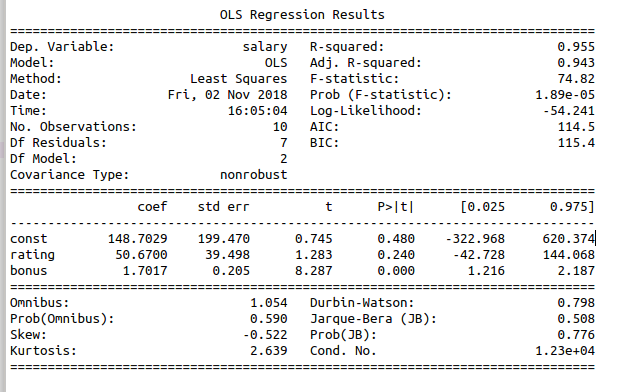
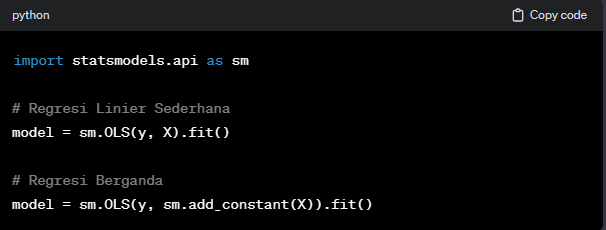
- Ordinary Least Squares (OLS): Statsmodels provides a comprehensive suite of tools for estimating ordinary least squares models.
- Generalized Linear Models (GLM): The library supports generalized linear models, including logistic regression and Poisson regression.
- Time Series Analysis: Statsmodels offers a range of tools for time series analysis, including ARIMA, SARIMA, and exponential smoothing models. li>Statistical Tests: The library provides a wide range of statistical tests, including hypothesis tests and confidence intervals.
Applications of Statsmodels Library

Statsmodels has a wide range of applications in various fields, including:
- Data Analysis: Statsmodels is ideal for data analysis, including exploratory data analysis, data visualization, and statistical modeling.
- Machine Learning: The library can be used for machine learning tasks, including regression, classification, and clustering.
- Finance: Statsmodels is widely used in finance for tasks such as risk analysis, portfolio optimization, and financial modeling.
- Research: The library is widely used in research for statistical modeling, hypothesis testing, and data analysis.
Conclusion
Learning Python with Statsmodels Library can unlock the power of statistical modeling, hypothesis testing, and data exploration. With its comprehensive range of tools and features, Statsmodels is an essential library for data scientists and researchers. Whether you are a beginner or an experienced user, Statsmodels provides a powerful platform for statistical modeling and data analysis.
Recommended Resources
For those interested in learning more about Statsmodels, we recommend the following resources:
We hope this article has provided you with a comprehensive understanding of the Statsmodels library and its applications. With Statsmodels, you can unlock the power of statistical modeling and take your data analysis to the next level.